When you need to be away from home for several days due to travel, business trips, or family events, figuring out what to do with your cat is a major concern for any pet owner. Many people wonder, “I’d like to leave my cat at a pet hotel, but what if the stress makes them sick?” or “Maybe it’s better to just let them stay home alone.” You can even find stories online from people who regretted boarding their cat at a pet hotel. However, with the right knowledge and by choosing an appropriate facility, it can be a reassuring option for both cats and their owners. In this article, we’ll walk first-time users through everything from how to evaluate cat boarding facilities, to pre-stay preparation, common mistakes, and how to avoid them.
Why do cats get stressed so easily at pet hotels?
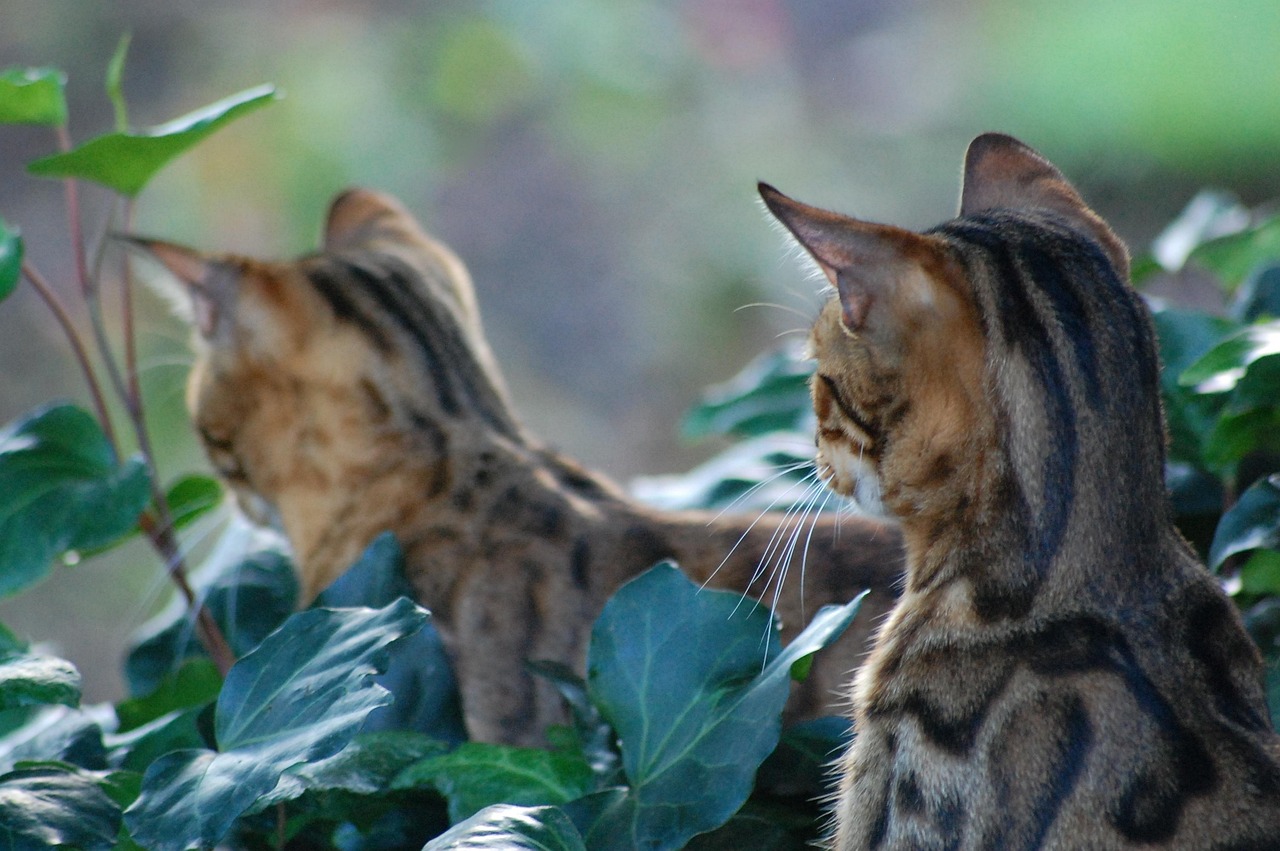
Cats are far more territorial than dogs. They recognize spaces marked with their own scent as “safe places,” so being moved to an unfamiliar environment can put them in a state of intense anxiety. At a pet hotel, they’re exposed to unfamiliar smells, sounds, and temperature differences, and they can also sense the presence of other animals. As a result, some cats lose their appetite, hide in corners and refuse to move, or even pull out their fur from excessive grooming.
On top of that, at many pet hotels, it’s not uncommon for cats to be housed on the same floor as dogs. Barking is a major stress factor for cats, and the more sensitive the cat, the greater the impact. Many cats also become anxious simply from being separated from their owner — especially clingy cats who are used to always being near their owner. Understanding these feline behaviors before choosing a facility is the first step to boarding your cat with peace of mind.
Pet hotel or house-sitting — which should you choose?
For trips of around two nights and three days, most people are torn between “letting the cat stay home alone” and “boarding at a pet hotel.” Each option has its pros and cons, so it’s important to decide based on your cat’s personality and health. Here’s a breakdown of both options.
Pros and risks of house-sitting:
- Your cat can stay in a familiar environment, reducing stress from environmental changes
- Automatic feeders and water fountains can handle food and water needs
- However, if your cat suddenly falls ill or has an accident, no one will be there to help
- If the litter box gets dirty, your cat may hold it in, potentially leading to urinary tract issues
Pros and risks of cat boarding facilities (pet hotels):
- Staff check on your cat regularly, so any issues can be spotted early
- Some facilities can handle meal management and medication administration
- The change of environment may cause stress
- Depending on the facility, contact with other animals may be unavoidable
For a single overnight stay, house-sitting is often fine, but for two or more nights, it’s safer to rely on a trusted facility or sitter in case something goes wrong. This is especially true for senior cats or cats with health conditions — we recommend choosing an environment where professionals can keep a watchful eye.
Choosing a cat pet hotel without regrets — 5 key tips
The number of pet hotels catering to cats is growing every year, but not all of them provide a comfortable environment for cats. Using these five criteria will help you find the right facility for your cat.
1. Is there a cat-only area or dedicated cat space?
At facilities attached to pet shops or boarding services set up near the cat section of a pet store, cats may be kept in the same space as dogs and small animals. Choosing a facility with a separate room or floor exclusively for cats can significantly reduce stress from other animals’ sounds and smells. During your visit, ask specifically: “Are cats and dogs completely separated?”
2. Is it cage-free or does it offer spacious private rooms?
Being confined to a small cage for long periods is a major burden for cats. Some cat pet hotels offer a “cage-free” style with fully private rooms. Check whether there’s enough space for your cat to move around freely and whether cat towers or other structures are available for climbing and vertical movement.
3. Staff knowledge and experience with cats
Unlike dogs, cats tend to hide when they’re not feeling well. Whether staff can notice subtle changes in appetite or unusual behavior patterns depends on their experience and knowledge. You can gauge whether the staff are experienced with cats through reviews and how they respond during facility tours.
4. Emergency and nighttime response procedures
Whether staff are on-site overnight and whether the facility has a partnered animal hospital are extremely important points to verify. Especially when boarding senior cats or cats with health conditions, we recommend asking in advance: “What happens if my cat’s condition suddenly worsens at night?” Facilities with an established coordination system with veterinarians offer much greater peace of mind in emergencies.
5. Pricing transparency
Pet hotel rates for cats vary widely between facilities. In addition to the base rate, there may be separate charges for meals, litter box cleaning, and overnight care, so it’s important to confirm the total cost at the estimate stage. Choosing based on price alone could lead to regret if the level of service turns out to be inadequate.
Pre-boarding preparation checklist
Thorough preparation beforehand can minimize your cat’s stress. Use the following checklist to get ready before boarding.
- Get a health checkup and vaccination certificate ready — Most cat boarding facilities require proof of vaccination. Visit your regular animal hospital one to two weeks before boarding to confirm your cat is in good health.
- Bring familiar items from home — Bringing blankets, towels, and favorite toys that carry your cat’s scent can help them feel more at ease in an unfamiliar environment. Cat-friendly facilities that prioritize your cat’s comfort often welcome these items.
- Provide feeding, litter, and medication details in writing — Write down the type and amount of your cat’s regular food, the brand of litter, and if medication is needed, the method and timing. Verbal instructions alone can lead to miscommunication, so providing written details is the most reliable approach.
- Take advantage of a short trial stay — Rather than jumping straight into a multi-night stay, we recommend starting with a few hours of day care or a single overnight trial. Observing your cat’s reaction first before committing to a longer stay will help ease your worries too.
Common mistakes and how to avoid them
Based on feedback from pet owners who felt their experience boarding their cat at a pet hotel was a “failure,” here are some common patterns and how to avoid them.
Mistake 1: Choosing a facility based on price alone. At bargain-priced pet hotels, multiple cats may be housed in a single room, or there may not be enough staff to provide adequate care. Look at the overall picture — service quality and reviews — not just the price tag.
Mistake 2: Cats were housed in the same area as dogs. This happens when owners don’t ask “Is this a cat-only facility?” beforehand, and their cat ends up in an environment filled with constant barking. Even boarding spaces attached to the cat section of a pet store may be located near the dog area, so caution is needed. Always verify through a facility tour or by asking in advance.
Mistake 3: Not checking the nighttime staffing situation. Some facilities are unstaffed at night. If your cat becomes ill during the night, there’s a risk that no one will be available to respond. Confirm whether staff are on-site 24 hours, or at the very least, that an emergency contact number is available.

Consider alternatives beyond pet hotels
Depending on your cat’s personality and circumstances, there may be better options than a pet hotel. For cats who are extremely sensitive to environmental changes, an “in-home pet sitter” who provides care in the comfort of your own home is a strong alternative. A sitter visits your home to handle feeding and litter box duties, so your cat never has to leave their own territory. Plus, if the service includes photo reports, you can check on your cat while you’re away, giving you extra peace of mind.
Fluv, a pet sitter matching platform originally from Taiwan, offers in-home cat care services through rigorously vetted sitters. With real-time photo reports and platform insurance included, the system is designed so that even first-time users can feel confident. If you’re on the fence about using a pet hotel, why not consider an in-home pet sitting service as another option?
Frequently asked questions
Q: What’s the minimum age for boarding a cat at a pet hotel?
A: Generally, cats must be at least four months old and have completed their required vaccinations. Since kittens have weaker immune systems, consult your veterinarian and wait until the vaccination schedule is complete before using a boarding facility. Requirements vary by facility, so be sure to check in advance.
Q: Pet hotel or house-sitting — which is better for my cat?
A: For a single night, house-sitting is often fine, but for two or more nights, using a cat boarding facility or pet sitter is the safer choice. Since there’s no one to respond if your cat suddenly becomes ill at home, consider the length of your absence and your cat’s personality when deciding. For senior cats or cats with health conditions, we recommend an environment where professionals can keep watch.
Q: How much does it typically cost to board a cat at a pet hotel?
A: The typical rate for cat boarding is around ¥3,000 to ¥6,000 per night. Private room or cat-only facilities may charge slightly more. Since what’s included in the base rate varies by facility, be sure to confirm the total cost including meals and any additional care fees beforehand.
Q: What’s the difference between a pet hotel and a pet sitter for cats?
A: A pet hotel involves bringing your cat to a facility, while a pet sitter visits your home to provide care. Hotels have the advantage of staff being on-site at all times, but the change of environment can be stressful. Sitters allow your cat to stay in their familiar surroundings, making this option especially well-suited for cats who are sensitive to environmental changes.
Q: Can I board my cat at a pet hotel if they have a health condition?
A: Facilities that partner with veterinarians or have medical support systems in place may accept cats with health conditions. However, many standard pet hotels cannot handle medication administration, so it’s essential to check beforehand. Having written instructions from your regular vet will help things go smoothly.
Q: What stress signs should I watch for after picking up my cat from a pet hotel?
A: After coming home, your cat may show decreased appetite, excessive grooming, litter box accidents, or hiding and refusing to come out. In most cases, these behaviors settle down within a few days, but if they persist for more than three days or if vomiting or diarrhea occurs, visit an animal hospital. It’s important to give your cat extra space and watch over them gently after returning home.
Q: What should I bring when boarding my cat at a pet hotel for the first time?
A: The basics are blankets and towels from home, favorite toys, your cat’s regular food, and their usual litter. Items that carry your cat’s own scent can help them feel more comfortable in an unfamiliar environment. Also, don’t forget to prepare your vaccination certificate and a note with your emergency contact information.
🐾 Want to use a pet sitter with more peace of mind and great deals?
Because pets can’t speak for themselves, the care you choose as their owner is everything.
That’s why your beloved family member deserves a trusted pet sitter.
 🎁 Fluv is running an exclusive “Summer Sale” for new users!
Let Fluv take care of your pet care needs this summer! \Save up to ¥2,200!/
✅ Get 20% OFF your first in-home pet sitting booking!
✅ Plus, your initial meet-and-greet is free (worth ¥1,000)!
 “I’m nervous about using a sitter for the first time…” — No worries!
🐾 With Fluv, you can arrange an in-home meet-and-greet with the sitter beforehand, so you can make sure your pet and the sitter are a great match before leaving them in their care.
📅 Summer campaign period: July 1 – July 31!
🎟 Best-value exclusive coupon code: 【 #SUMMER20 】
(※Enter the code above to get both “20% OFF” and “Free meet-and-greet” applied!)
🐾 Follow Fluv on social media!
Our official social media channels feature adorable pet sitter diaries 🐶🐱, the latest campaign news, pet care tips, and more! Follow us so you never miss an update ♪
Instagram 🐾 Daily posts and pet sitter reports from Fluv!
#CatSitter #DogSitter #PetLife
➡ Follow us here: https://www.instagram.com/fluv.jp/
Threads 🐾 A must-follow for cat lovers and dog lovers — packed with pet posts!
➡ Follow us here: https://www.threads.com/@fluv.jp
LINE 🐾 Get exclusive deals on bookings and the latest campaigns via LINE!
➡ Follow us here: https://line.me/R/ti/p/@236fcisy?oat_content=url&ts=12031204