Most dog owners leave their pets home alone for anywhere between three and nine hours on a regular basis. However, that does not mean every dog can comfortably handle the same duration. Dogs are individuals with their own temperaments, health conditions, and emotional needs. Age, breed, and training level all play a role in determining how long your particular dog can safely stay home without supervision. Pushing your dog beyond its comfort zone can lead to anxiety and even health complications.
Understanding the limits of your dog’s tolerance for being alone is not just a matter of convenience. It is a matter of welfare. Stress in dogs can manifest as excessive barking, chewing on furniture, self-harm, and gastrointestinal issues. In this comprehensive guide, we will explore safe time limits for dogs of every age group, discuss whether a crate or free-roaming approach is better, cover essential preparation tips, and explain when it is time to bring in professional help. By the end, you will have a clear framework for making the best decisions for your four-legged companion.
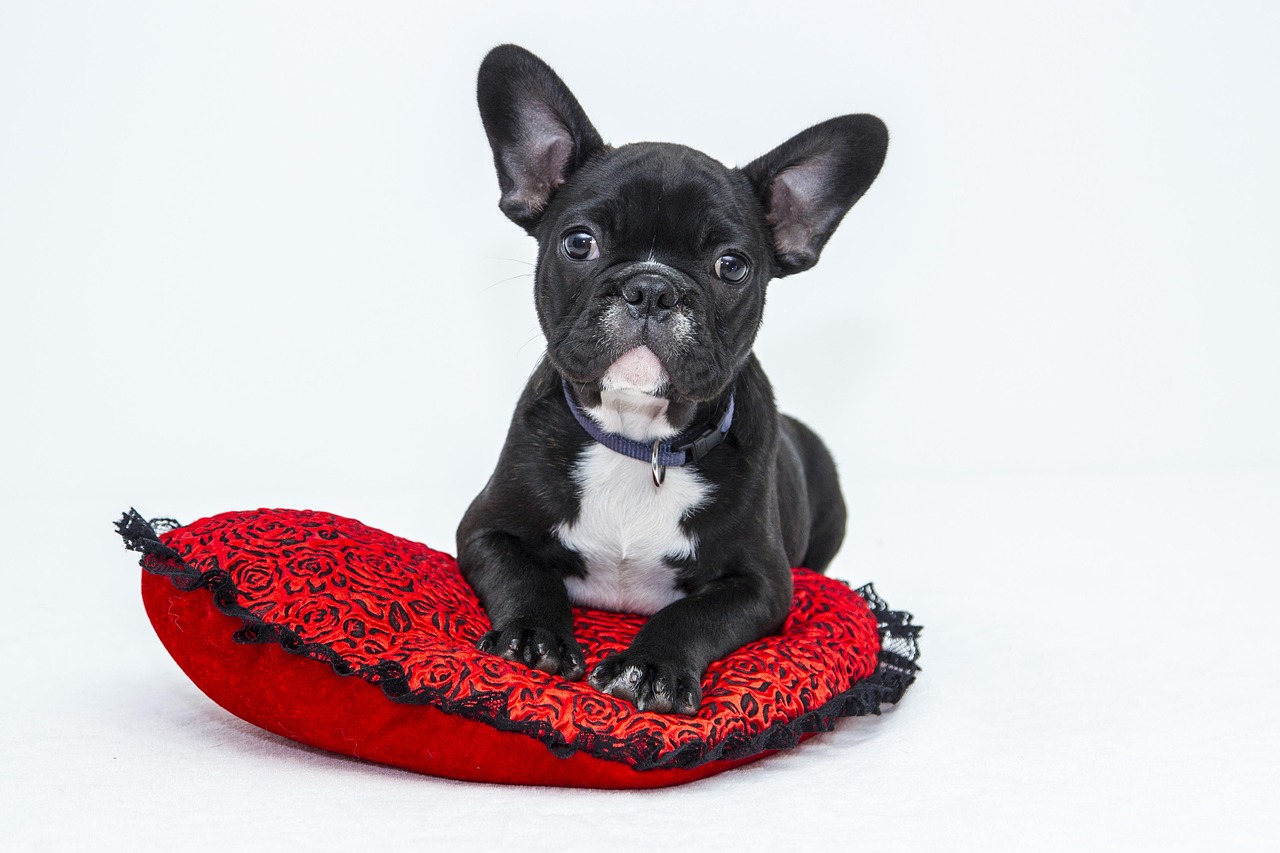
If you need reliable, professional pet care when you cannot be home, Fluv connects you with vetted pet sitters who come directly to your door.
What Is the Maximum Time a Dog Can Stay Home Alone?
Even a well-trained, healthy adult dog should not be left alone for more than ten hours at a stretch. Research and veterinary consensus suggest that most dogs begin to feel restless after about six hours. At that point, they may start pacing around the house, whining softly, or watching the door for signs of your return. Once the ten-hour mark passes, physiological needs take over. Dogs may experience hunger strong enough to prompt them to chew on household objects, and their bladder capacity reaches its limit, leading to indoor accidents regardless of how well house-trained they are.
Beyond the physical discomfort, prolonged isolation puts significant emotional strain on dogs. They are social animals that evolved alongside humans, and extended separation from their primary attachment figure triggers a stress response. If your dog regularly endures stretches of twelve hours or more alone, the cumulative stress can weaken its immune system, disrupt sleep patterns, and erode the trust bond between you and your pet. As a general rule, aim to return home or arrange for someone to check in on your dog well before the ten-hour threshold.
How Long Can Puppies Be Left Alone?
Puppies are far more vulnerable than adult dogs when it comes to being left alone. The recommended maximum is two to three hours, and even that should be approached gradually through training. Young dogs face a higher risk of accidental injury because they are curious and have not yet learned which household items are dangerous. Their developing digestive systems also require multiple small meals throughout the day, typically three to four feedings, which means they simply cannot go long stretches without food.
Equally important is the emotional dimension. Puppies are in a critical socialization period, and repeated experiences of isolation can lead to a condition known as separation anxiety disorder. Signs include persistent crying, destructive scratching at doors, and attempts to escape enclosures. Breeds that tend toward strong attachment, such as Toy Poodles, Yorkshire Terriers, Pomeranians, and Golden Retrievers, are particularly susceptible. If your schedule requires you to be away for more than a couple of hours, arranging for a midday visit from a pet sitter or a trusted neighbor is not a luxury but a necessity for your puppy’s healthy development.
What About Senior Dogs and Dogs with Health Issues?
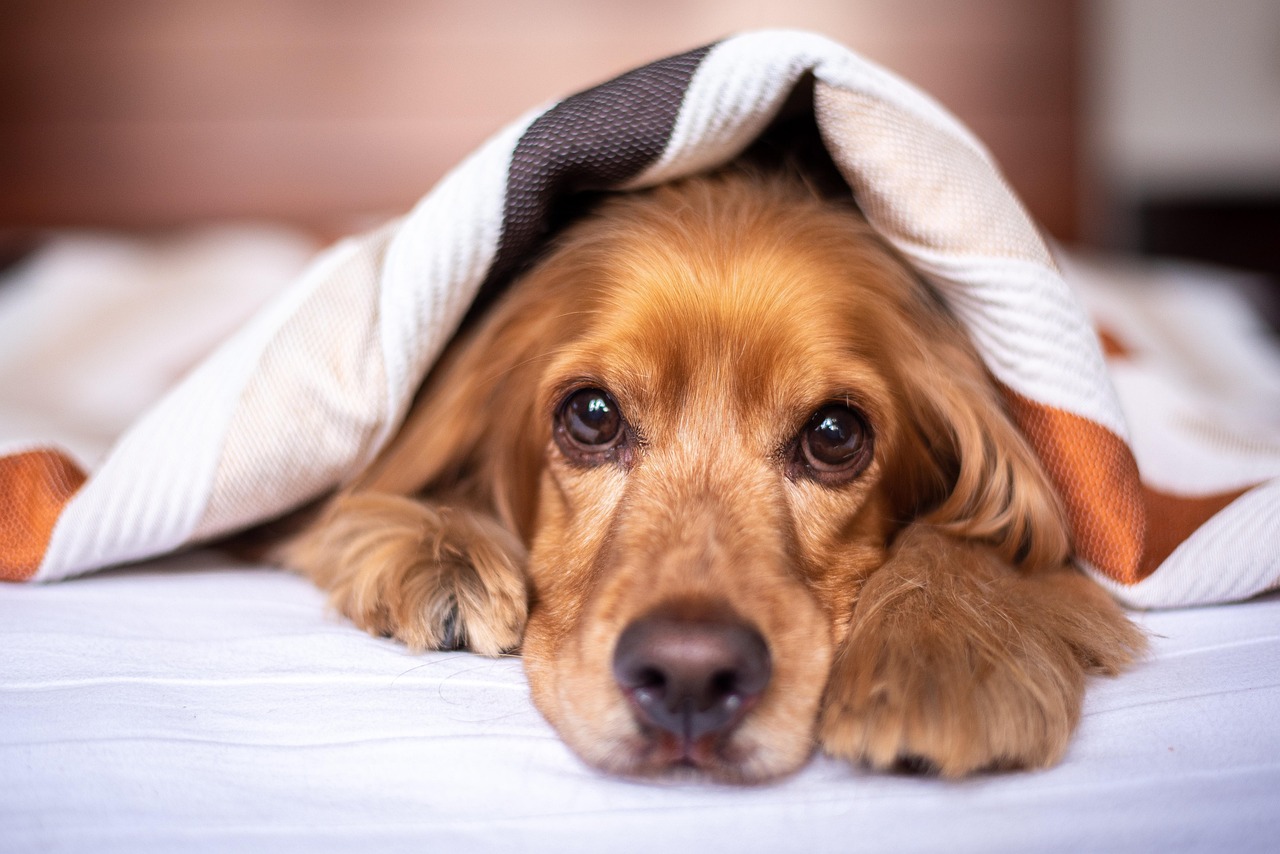
Senior dogs present a different but equally serious set of concerns. While older dogs tend to sleep more and may appear content resting for extended periods, they are also more prone to sudden health changes. A senior dog that seemed perfectly fine in the morning can experience a fall, a seizure, or a rapid decline in condition by midday. For this reason, veterinary professionals generally recommend limiting alone time for senior dogs to four or five hours, with an absolute maximum of eight hours for those in stable health.
Dogs recovering from illness or injury should never be left alone, regardless of duration. Pain and discomfort can cause a dog to move in ways that worsen its condition. A dog wearing a post-surgical cone might get it caught on furniture. A dog with joint problems might attempt to jump onto or off of a surface and re-injure itself. If you must leave the house while caring for a sick or injured pet, having a qualified pet sitter present is the safest option. Professionals who offer in-home pet care services can monitor your dog’s condition, administer medication on schedule, and contact you immediately if anything goes wrong.
Explore in-home pet sitting options that keep your dog comfortable and safe in familiar surroundings.
Should You Crate Your Dog or Let It Roam Free?
The decision between crating your dog and allowing it to roam freely during your absence depends on several interrelated factors. Neither approach is universally correct. Instead, consider the following variables together:
- Duration of absence: For short trips under 30 minutes, most dogs do fine roaming freely. As the hours increase, the risk of accidents, destructive behavior, and injury rises.
- Home environment: If you can dog-proof a specific area by removing hazards like electrical cords, toxic plants, and small swallowable objects, supervised free-roaming in a confined safe zone may work.
- Dog temperament: Dogs that find comfort in enclosed spaces often settle more quickly in a crate. Dogs that panic in confined spaces may injure themselves trying to escape.
- Training level: A dog that has been gradually acclimated to its crate sees it as a den and a place of safety, not as punishment.
A practical middle-ground approach is to set up a crate with the door open inside a dog-proofed room. This gives your dog the choice to retreat into its crate for security or move around the room for a change of scenery. Whatever arrangement you choose, always consult with your veterinarian or a professional pet sitter who knows your dog’s specific personality and needs.
How Should You Prepare Your Home Before Leaving?
Proper preparation can make the difference between a calm, uneventful absence and a stressful ordeal for both you and your dog. Before walking out the door, run through this checklist:
- Climate control: Set the thermostat to a comfortable range. Dogs are sensitive to temperature extremes, so ensure the room stays between 18 and 24 degrees Celsius.
- Hazard removal: Pick up anything your dog could chew, swallow, or knock over, including medications, cleaning supplies, shoes, and small toys.
- Entertainment: Leave puzzle toys, chew-safe bones, or treat-dispensing toys to keep your dog mentally stimulated.
- Lighting: If you will return after dark, leave a light on. Dogs can become anxious in sudden darkness.
- Automatic feeders: Timed feeders prevent your dog from eating too much at once and provide a reassuring routine.
- Pet cameras: A camera with motion tracking and two-way audio allows you to check in, speak to your dog, and detect any emergencies in real time.
- Safe retreat: Set up a comfortable crate or bed in a quiet area where your dog feels secure.
Consistent preparation builds a routine your dog can rely on. Over time, your dog will associate your departure cues with a predictable, safe environment rather than with uncertainty and fear.
When Is It Time to Hire a Professional Pet Sitter?
There are clear situations where hiring a professional pet sitter transitions from a nice-to-have to an essential part of responsible dog ownership. Consider professional pet care if any of the following apply:
- You regularly leave your dog alone for more than eight hours due to work or other commitments.
- Your dog shows signs of separation anxiety such as excessive barking, destructive chewing, or indoor accidents.
- You have a puppy, a senior dog, or a pet with medical needs that require midday attention.
- You are traveling overnight or longer and need someone to provide continuous care.
- Your dog has specific exercise needs, such as daily walks, that you cannot fulfill on certain days.
A qualified pet sitter does more than simply keep your dog company. They maintain your dog’s feeding schedule, take it on walks along familiar routes, administer any necessary medication, and provide real-time updates so you never have to wonder how your pet is doing.
For peace of mind during long work days or overnight trips, a platform like Fluv makes it easy to find sitters who have passed rigorous screening and are backed by platform insurance.
Conclusion: Putting Your Dog’s Well-Being First
Leaving your dog home alone is sometimes unavoidable, but how you manage that time makes all the difference. Puppies need check-ins every two to three hours. Senior and sick dogs require close monitoring and should rarely be left unattended. Even healthy adult dogs reach their limit around ten hours and benefit from a visit or walk break well before that point. Preparing your home with climate control, safe spaces, entertainment, and monitoring technology sets the stage for a calmer experience. And when your schedule demands more than your dog can handle alone, bringing in a professional pet sitter is the most responsible choice you can make.
Your dog loves you unconditionally and waits eagerly for your return every single time you leave. Honoring that loyalty means ensuring it never has to wait in discomfort, fear, or danger. Whether you need daily check-ins, walking companionship, or overnight boarding, Fluv offers a trusted network of thoroughly vetted sitters who provide real-time photo updates and are covered by platform insurance, so both you and your dog can rest easy.
Frequently Asked Questions
How long can I leave my adult dog home alone?
A healthy adult dog can generally be left alone for up to ten hours, though most start feeling restless after six hours.
Can I leave my puppy alone for a full workday?
No, puppies should not be left alone for more than two to three hours at a time due to feeding and bathroom needs.
What are the signs my dog is stressed from being alone too long?
Signs include excessive barking, destructive chewing, indoor accidents, pacing, drooling, and escape attempts.
Is it better to crate my dog or let it roam free when I leave?
It depends on temperament. Dogs that feel safe in crates settle quickly, while panic-prone dogs do better in a secure room.
How do I train my dog to handle being alone?
Start with very short absences, increase duration gradually, and reward calm behavior upon your return.
When should I consider hiring a professional pet sitter?
Consider a sitter if you are away over eight hours, have a puppy or senior, or are traveling overnight.
What should I look for in a pet sitting service?
Look for verified screening, real-time photo updates, and platform insurance coverage for safety.
Give your pet the comfort of home and yourself the freedom to travel without worry. If because of work or travel you need someone to care for your pet, be sure to explore professional English-speaking in-home pet sitting services in Tokyo.

Give your pet the comfort of home and yourself the freedom to travel without worry.
🐾 How to Find Safer, Smarter Pet Care You Can Trust
Since pets cannot speak for themselves, every choice you make matters. Your precious family member deserves nothing but a pet sitter you can truly rely on.
🎁 We have a special coupon from Fluv just for you!
Don’t miss this limited-time offer—claim yours today!

[Free Pre-Service Meet & Greet (Worth 1,000 JPY)]
Coupon Code: #MEET_GREET
Check out FLUV’s official SNS!
On our official SNS, we share cute pet sitter diaries 🐶🐱, the latest campaign information, and pet care tips! Follow us so you don’t miss out on the latest updates♪
Instagram 📸
Daily reports & cute sitter moments!
#CatSitter #DogSitter #PetLife