“I tear up every time I think of him…” “I just can’t move on.” How do you heal after losing your pet? Here are 9 tips from American grief specialists to help pet owners find their way through the pain.
Who is your most beloved companion?
For many pet owners, that companion is their pet.
Our pets are our friends, our family, our walking buddies, the ones we share our feelings with — some even sleep beside us for over a decade. They laugh and cry with us, and are always by our side no matter what happens.
According to American psychologists, losing a pet can sometimes cause even greater emotional trauma than losing a human family member. Los Angeles counselor Dr. Kevorkian explains that pets give us an enormous amount of love, and losing them can be just as devastating as losing someone we deeply care about. She also notes that acknowledging the loss and seeking support is vital for a pet owner’s mental, emotional, and spiritual well-being.
Healing from this kind of grief is hard, but there are many resources available to help — including online counseling. Here are 9 ways to help pet owners move through the loss of their pet:
1. Take all the time you need to say goodbye
Your pet has been your family for so long — saying goodbye is going to take time, and that’s something you have to accept.
“No one has the right to tell you it’s time to let go or to stop thinking about them,” said Dr. Frank J. Sileo, a psychologist from New Jersey, to clients who had just lost their pets.
He continued: “The length of the grieving period cannot be rushed, and there’s no set timeline.”
Grief can come in waves. You’ll start to feel better little by little, but certain things may trigger it again — like hearing that a friend’s pet has passed, or your own pet’s birthday coming around.
2. Don’t hide or ignore your pain
“You need to face your grief. When you avoid it, you only make the grieving period longer.” Let your emotions out. “Crying, screaming, punching a pillow, talking to someone — all of it is okay,” says Dr. Sileo.
3. Accept your feelings and your guilt
Janet Zimmerman, a New York-based certified pet loss counselor and social worker, says: do you feel guilty about your pet’s death? That’s very common. Nearly every pet owner experiences guilt, regardless of the cause of death — even those who loved their pets deeply and did everything they could still feel it.
This happens because people tend to blame themselves and feel responsible for their pet’s death. Counselor Janet Zimmerman says you need to think about it logically: “You didn’t have any other way to keep them alive.”
4. Find the right support
When you’re grieving, who do you turn to for comfort, reassurance, and support? Your close friends and family are probably the first people who come to mind — but don’t be surprised if they say things like “It was just a cat, stop being so sad” or “Just get another dog.” They’re not being unkind — they simply don’t understand the depth of the bond you shared with your pet.
Counselor Janet Zimmerman notes that when a human family member passes, people tend to offer understanding and empathy — but when it’s a pet, they can become impatient or dismissive.
Without someone to lean on, grief becomes even harder. Zimmerman says that people who have just lost a pet need an outlet to process their pain.
When your family and friends can’t understand your grief, who should you turn to? Dr. Sileo suggests that in the US, you can reach out to animal hospitals or veterinarians for pet loss hotlines. In Taiwan, you can seek support through psychological counseling.
5. Hold a memorial service
A farewell ritual gives you a way to express your grief, and it can help you begin to heal afterward — it marks a sense of “closure.” Donna Henes, a New York-based certified memorial officiant, suggests writing down the words you want to say to your pet and placing them in a small box. You could also plant a tree at their resting place.
6. Create a keepsake
Dr. Sileo’s dog Ozzie fought bladder cancer for several years. After Ozzie passed, Dr. Sileo made a keepsake using his fur and ashes, which he placed beside a photo of him. Whether it’s a small planting, a memorial plaque, or a bracelet, a keepsake like this is a meaningful way to honor your pet and express your love. You can find ideas on pet memorial websites and blogs.
If you don’t have your pet’s ashes, Dr. Sileo suggests you could:
- Keep a special item that belonged to your pet, like their collar or ID tag
- Make a custom memorial plaque with their photo and name
- Place a candle, plant a tree, or lay flowers beside their photo
7. Allow yourself to let go
Keepsakes can bring comfort, but if looking at them keeps you stuck in grief, it’s okay to put them away for a while. The memories you shared with your pet live inside you. Part of grieving is learning to say goodbye and release.
Eventually, you’ll slowly adjust to life without them. Denver psychologist Anne Cattarello says that finding your way forward doesn’t mean you’re being disloyal to your pet.
8. Volunteer at a shelter or become a pet sitter
Missing your pet deeply? When you give the love you have for animals to shelter animals or a neighbor’s pet, you’ll find that they give it right back. But if you’re not ready to be around other animals yet, that’s completely normal — it just means you need more time. Only you, in your grief, know how long you need to heal.
Many public animal shelters in Taiwan accept volunteers. You can also apply on Fluv to become a freelance pet sitter and flexibly care for a neighbor’s or fellow dog/cat lover’s pets.

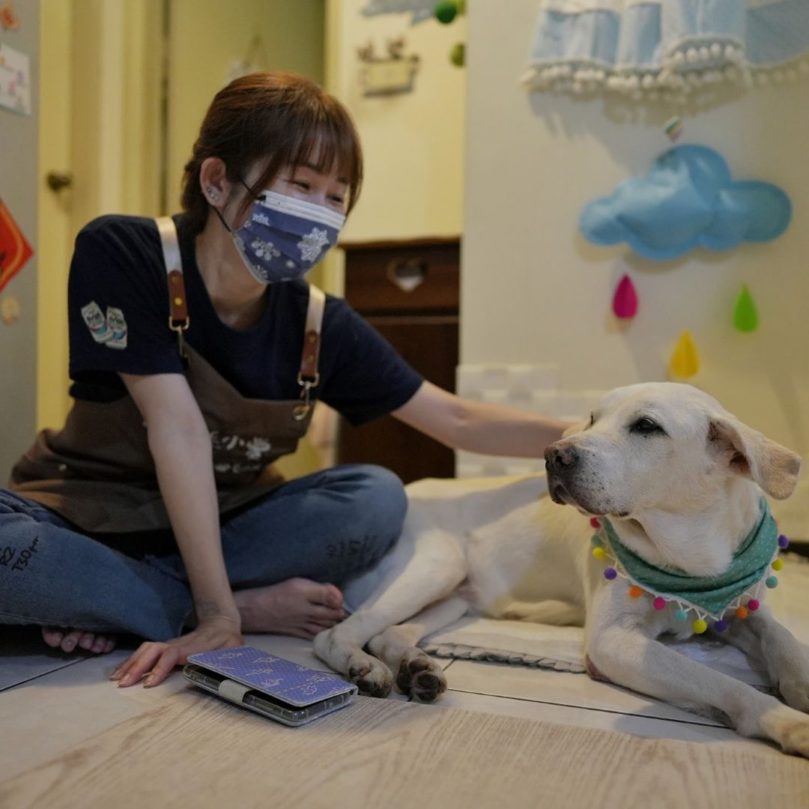
(Caring for a neighbor’s dog through the Fluv platform)
9. Don’t rush to replace your pet
Dr. Sileo recommends giving yourself time to heal before getting a new pet. Even if your home feels empty and quiet, it’s usually best to wait. We all need time to grieve the pet we’ve lost before we can truly open our hearts to a new one.
You might feel the urge to find a pet that “replaces” your previous one, but Dr. Sileo advises against getting a new pet of the same breed or one that looks similar. Every pet has their own personality, and comparing them wouldn’t be fair to your new companion.
Fluv special offers | Limited-time deals for devoted pet lovers
#Give your pet the best — and the most fitting
If you’d like to give your pet a more personalized, home-like care experience, why not try Fluv’s in-home pet sitter service?
🎁 New users — enter promo code
#UNEW95
Book now and enjoy a 5% discount!
👉 Looking for a caring, professional pet sitter for your pet?
Views: 28827
 English
  Chinese