Table of contents
- What is blue-green algae and why is it deadly for dogs?
- Where are dogs most likely to encounter toxic algae?
- How do dogs get exposed to blue-green algae toxins?
- What are the symptoms of blue-green algae poisoning?
- What to do if you suspect poisoning — emergency steps
- How to effectively prevent your dog from contacting toxic blue-green algae
- Conclusion
- Frequently asked questions
On hot summer days, many pet owners love taking their dogs to lakes or streams to cool off and splash around. Watching your dog run and swim through the water with pure joy is a genuinely wonderful sight. But in recent years, veterinarians, environmental agencies, and animal welfare organizations have been sounding the alarm: certain freshwater bodies hide a biological threat that is extremely dangerous for dogs — blue-green algae. These seemingly harmless aquatic microorganisms can produce powerful toxins under the right conditions, and there is currently no known antidote. For water-loving dogs, this is a safety issue no pet owner can afford to ignore. This article gives you a comprehensive look at the dangers of blue-green algae, how to identify it, what poisoning symptoms look like, and — most importantly — how to prevent exposure so you and your pet can enjoy summer with peace of mind.
What is blue-green algae and why is it deadly for dogs?
Blue-green algae are formally known as Cyanobacteria — a group of single-celled, photosynthetic microorganisms that form a vast biological family. They are also commonly called blue-green bacteria and exist in water as a type of phytoplankton. Under normal circumstances, cyanobacteria are widespread in freshwater environments and are generally harmless. In fact, spirulina — a popular dietary supplement — is itself a type of cyanobacteria, which shows that not all species are dangerous. However, when conditions align — such as the sustained high temperatures of summer combined with an influx of nitrogen- and phosphorus-rich nutrients from agricultural fertilizer runoff or animal waste — blue-green algae can multiply rapidly and form what is known as an algal bloom, creating dense mats or a thin oily film on the water’s surface. During a bloom, certain cyanobacteria species release extremely potent cyanotoxins. The two most dangerous to dogs are microcystins, which attack the liver, and anatoxins, which damage the nervous system.
It is worth noting that the Pet Poison Helpline has clearly stated: “Although most blue-green algae blooms do not produce toxins, there is no way to tell whether a bloom is toxic without testing. All blooms should therefore be treated as potentially toxic. Even ingesting a small amount of algae-contaminated water can cause fatal poisoning.” This warning speaks directly to what makes cyanotoxins so terrifying — they are extremely potent, act rapidly, and have no antidote.
Where are dogs most likely to encounter toxic algae?
Blue-green algae blooms most commonly appear in warm seasons in still or slow-moving freshwater. Lakes, ponds, and reservoirs are the most typical high-risk locations — especially those surrounded by farmland, pastures, or heavily fertilized lawns, where nutrient runoff greatly accelerates algae growth. Temporary pools formed by seasonal flooding, abandoned swimming pools, and even agricultural irrigation water and aquaculture areas can also contain cyanotoxins when conditions are right. Affected water bodies often take on a greenish tint, and the surface may show an oily green sheen or visible clumps of algae — but here is one critically important point: you cannot tell from appearance alone whether a body of water is safe or toxic. Many healthy ponds and lakes naturally have a green tint, and water that looks perfectly clear may already contain high concentrations of dissolved toxins. If you live near agricultural areas or plan to take your dog to natural water bodies, always check your local environmental agency’s water quality monitoring reports in advance to see whether any algal bloom advisories are in effect.
How do dogs get exposed to blue-green algae toxins?
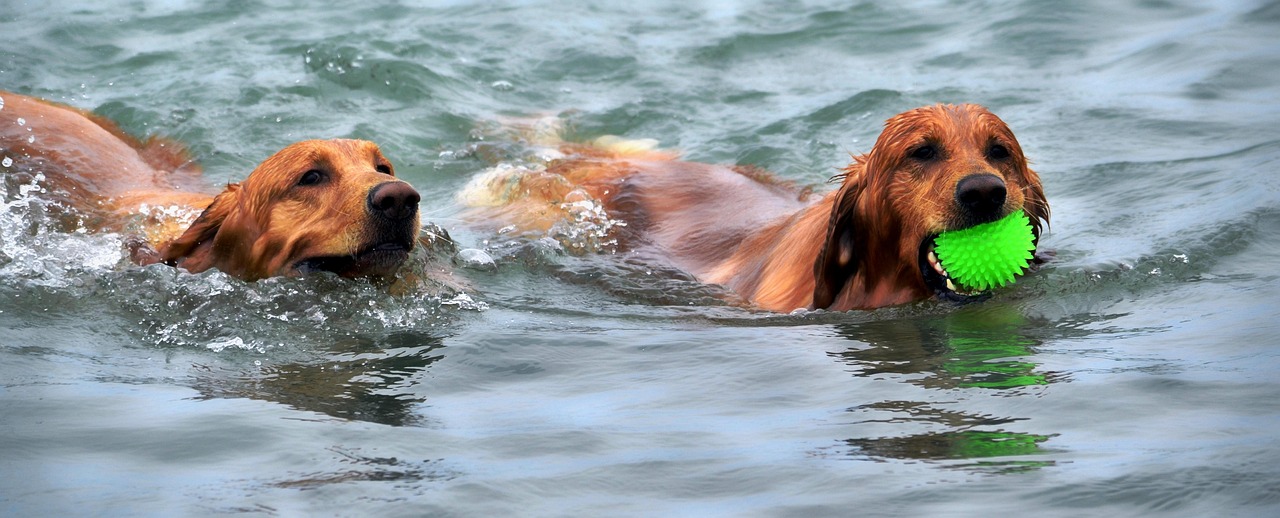
Understanding the routes of exposure is key to preventing poisoning. The most common way dogs are exposed is by drinking or licking water that contains toxins. Dogs outdoors will naturally drink directly from ponds or lakes — this is the most direct route. Swallowing water while swimming is another frequent cause; dogs breathing with their mouths open or fetching toys in the water can easily take in large amounts. What is also important to know is that even if a dog does not drink directly from the water, licking their wet fur after swimming can still result in toxin ingestion. Cases have even been documented where a dog was only splashed by water shaken off another dog that had just been swimming — and then developed poisoning simply from grooming their own coat. These cases make it clear just how potent cyanotoxins are: even minimal contact can cause serious harm.
What are the symptoms of blue-green algae poisoning?
Symptoms of cyanotoxin poisoning vary depending on which toxin is involved, but onset is generally very rapid. Pet owners need to be familiar with the following warning signs in order to act quickly. According to the Pet Poison Helpline, common symptoms include:
- Vomiting and diarrhea (possibly bloody or black and tarry)
- Pale mucous membranes or jaundice
- Seizures, confusion, and disorientation
- Excessive secretions (heavy drooling, watery eyes, etc.)
- Neurological symptoms (muscle tremors, muscle rigidity, paralysis)
- Blue or purple discoloration of the skin and mucous membranes
- Difficulty breathing
- Coma and shock
Microcystins primarily cause liver damage; affected dogs may show diarrhea, vomiting, bloody stools, confusion, and seizures, and can die from liver failure anywhere from four hours to several days after exposure. Anatoxins attack the nervous system, causing muscle rigidity, paralysis, tremors, and respiratory failure — and can be lethal within minutes to hours of exposure. Pet owners who have lost a dog to cyanotoxin poisoning recall that the first signs were sudden loss of body control, full-body trembling, muscle weakness and collapse, excessive drooling, and obvious confusion and distress.

What to do if you suspect poisoning — emergency steps
If you suspect your dog has been exposed to blue-green algae, take the following steps immediately:
- Leave the water immediately: Get your dog away from the contaminated water source right away.
- Stop your dog from licking their fur: If possible, rinse your dog’s coat with clean water to remove any contaminated water and prevent further ingestion of toxins through grooming.
- Go to a vet immediately: Take your dog directly to the nearest veterinary clinic or animal emergency center. Every second counts.
- Tell the vet about the exposure: Clearly explain when and where your dog came into contact with water that may have contained blue-green algae.
Veterinarians diagnose cyanotoxin poisoning based on three key pieces of evidence: the owner’s account of recent exposure to a body of water with a cyanobacteria bloom, the clinical symptoms present, and analysis of affected tissues. Because there is currently no known antidote, treatment focuses on aggressive supportive care, including anti-seizure medications, IV fluids, and oxygen supplementation. As animal healthcare providers point out, however, cyanotoxins act so quickly that animals often develop severe symptoms before they even reach the hospital — which is precisely why prevention is far more important than treatment.
How to effectively prevent your dog from contacting toxic blue-green algae
Prevention is always the best strategy for protecting your pet. Here are the concrete steps pet owners can take:
- Check water quality before you go: Before heading to a lake, pond, or other natural water body, check the water quality monitoring reports and algal bloom advisories published by your local environmental or health agency.
- Look at the water’s appearance: Avoid letting your dog enter water that looks unusually green, has an oily sheen on the surface, or shows visible algae clumps — but remember that normal-looking water is not necessarily safe.
- Respect posted warning signs: If there are algal bloom warning signs posted around a body of water, follow them. Do not let your dog or yourself come into contact with that water.
- Bring clean drinking water: Always bring your own water and a bowl for your dog when heading out, so they are not tempted to drink from natural water sources out of thirst.
- Rinse your dog after swimming: If your dog swims in a natural body of water, rinse their entire coat thoroughly with clean water as soon as possible afterwards.
- Be extra cautious during hot summer months: Algal blooms are most common during the hottest part of summer, so take extra care around natural water bodies during this period.
Summer is peak season for outdoor adventures with your pet, but safety always comes first. If your busy schedule means you cannot always be there to accompany your dog, or you want to make sure your pet is active in a safe environment, a professional pet care service is well worth considering. Fluv, Taiwan’s largest pet sitter matching platform, offers rigorously vetted sitters for in-home visits and accompanied walks. Sitters send real-time photo updates throughout every session, and all bookings are covered by platform insurance — so even when you cannot be there in person, you can rest easy.

Conclusion
The threat that blue-green algae poses to dogs is real and potentially fatal — but with the right knowledge and awareness, pet owners can dramatically reduce the risk. Remember: before taking your dog to any outdoor water body in summer, always check water quality conditions, observe the water carefully, bring your own clean drinking water, and seek veterinary care immediately if you notice any unusual symptoms. Prevention beats treatment every time, and being a responsible pet owner means that a little extra caution goes a long way toward keeping your dog safe. We hope this article helps every owner and their dog enjoy a happy, healthy summer.
Looking for the most reassuring care for your pet? Try a professional pet sitter service today.
Frequently asked questions
Q: What is blue-green algae?
A: Blue-green algae are single-celled, photosynthetic microorganisms formally known as Cyanobacteria. They are found widely in freshwater lakes and ponds and are generally harmless under normal conditions. However, in warm water with high nutrient levels they can multiply rapidly and form blooms, during which some species release cyanotoxins that are extremely dangerous to both animals and humans.
Q: How can you tell if water contains toxic blue-green algae?
A: There is no way to determine whether water contains toxins by looking at it alone. An unusual green color, oily sheen, or visible algae clumps on the surface may indicate a bloom, but water that looks normal can also contain dissolved toxins. The most reliable approach is to check water quality monitoring reports and algal bloom advisories from your local environmental agency and to follow any warning signs posted on-site.
Q: How is blue-green algae poisoning different from ordinary stomach upset?
A: Blue-green algae poisoning comes on much faster and is far more severe than ordinary digestive trouble. In addition to vomiting and diarrhea, cyanotoxin poisoning also causes neurological symptoms such as muscle tremors, paralysis, and seizures, as well as signs of liver damage like pale mucous membranes or jaundice. Severe cases can be fatal within hours — none of which are features of a typical stomach issue.
Q: Can a dog recover from blue-green algae poisoning?
A: There is currently no specific antidote for cyanotoxins, and treatment relies on aggressive supportive care. Because the toxins act so quickly, the prognosis depends on how much was ingested and how quickly veterinary care is received. The sooner the dog is treated, the better the chance of survival — but the fatality rate in severe poisoning cases remains high, which is why preventing exposure is the most effective way to protect your dog.
Q: Does blue-green algae only appear in summer?
A: Algal blooms are most common during the warmer summer months, when high temperatures combined with abundant nutrients allow algae to multiply rapidly. However, in subtropical and tropical regions, blooms can also occur in spring and autumn whenever water temperature and nutrient conditions are favorable. Pet owners should not only be vigilant in the height of summer.
Q: Can a dog be poisoned without drinking the water directly?
A: Yes. Even if a dog has not drunk directly from a contaminated source, licking their wet fur after swimming in affected water can still result in ingestion of a potentially lethal dose of toxins. Cases have even been documented where a dog was merely splashed by water shaken off another dog that had been swimming, and then developed poisoning from grooming their coat — demonstrating just how potent cyanotoxins can be.
Q: What should I keep in mind when taking my dog out for a walk or a swim?
A: When heading out with your dog, bring your own clean drinking water, avoid any water bodies under algal bloom advisories, check water quality information before you leave, and rinse your dog’s entire coat thoroughly after any contact with natural water. If you are unable to accompany your dog yourself, you can book an experienced sitter through a professional pet sitter platform like Fluv to ensure your dog stays active in a safe environment.
Fluv special offers | Limited-time deals for devoted pet owners
#Want the most reassuring in-home care experience for your pet?
🎁 New users — enter promo code
#UNEW95
Book now and enjoy a 5% discount!
👉 Ready to find a caring, professional pet sitter for your pet?
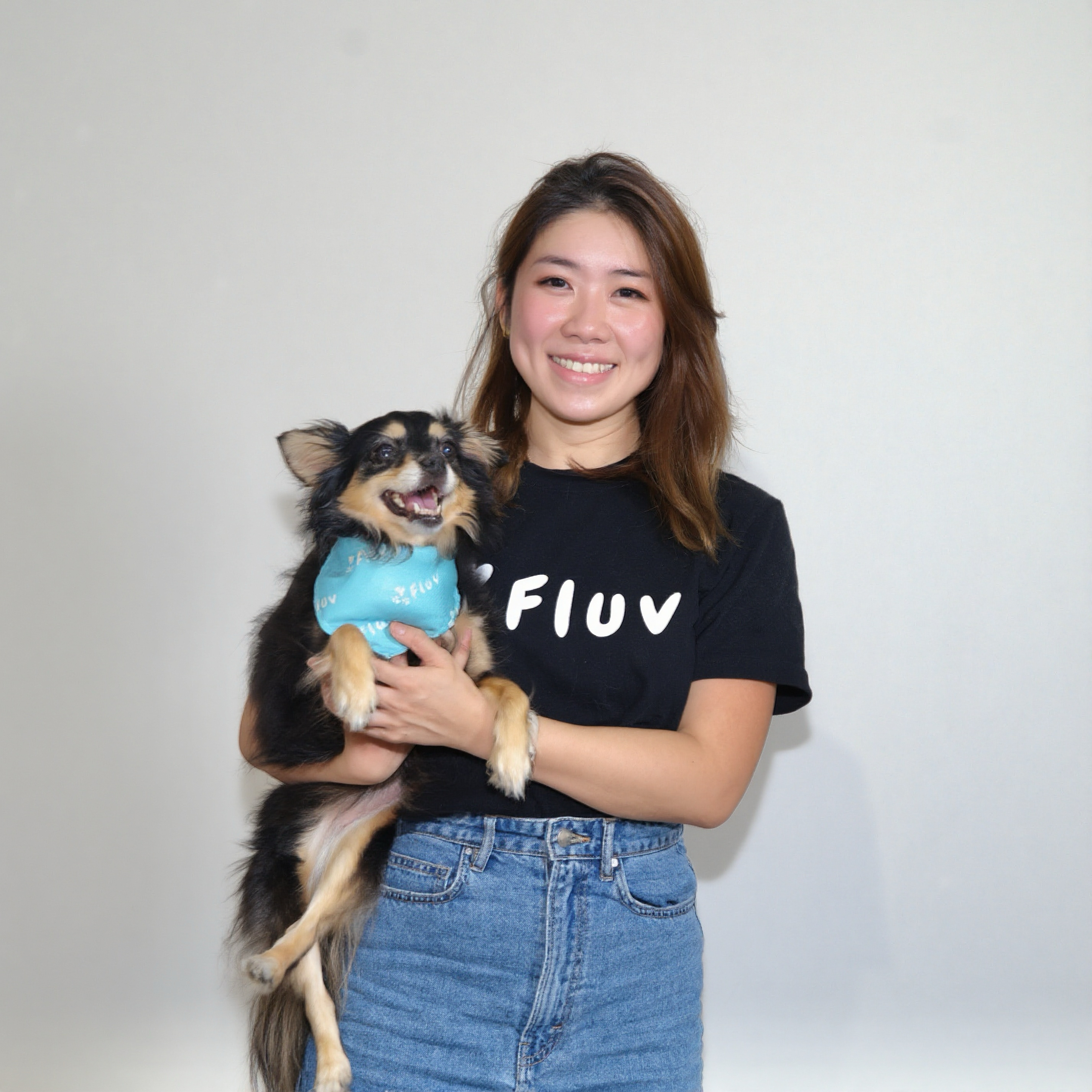
Fluv founder Candace Chen
Forbes 30 Under 30 Asia | 2024 Tatler Gen.T Leaders of Tomorrow
As the founder of Fluv, Candace has combined exceptional business vision with hands-on execution to build the platform into Taiwan’s largest and most trusted pet care service.
- World-class recognition: Named to Forbes 30 Under 30 Asia and selected as a 2024 Tatler Gen.T Leader of Tomorrow.
- Backed by influential investors: Successfully secured investment from Twitch co-founder Kevin Lin and impact venture firm SIC.
- Market leadership: Has grown Fluv to a community of over 7,000 vetted professional sitters, trusted by more than 140,000 members.
Further reading:
Is your dog always scratching? A complete guide to 7 common food allergens and how to identify them
Dog food storage and food safety | 7 ways to prevent the deadly risk of aflatoxin
Views: 1117
 English
  Chinese