Table of contents
- What is grain-free cat food and why is it so popular?
- What do vets think about grain-free cat food? The research might surprise you
- Can grain-free cat food help with allergies?
- What to look for when buying grain-free cat food
- 9 affordable grain-free cat food brands worth trying
- How to smoothly transition your cat to a grain-free diet
- Key takeaways on choosing grain-free cat food
- FAQs
As a cat owner, you naturally want to give your furry family member the most nutritious, healthiest diet possible. In recent years, grain-free food has become hugely popular in the pet food market, with many brands claiming their grain-free formulas are more natural and better suited to a cat’s biology. But is grain-free cat food actually healthier than food that contains grains? Before you spend more of your budget on it, it’s worth understanding what’s really behind the grain-free trend. This article takes a deep dive into the pros and cons of grain-free cat food, what to watch out for when buying, and recommends a range of good-quality yet affordable grain-free brands — so you can make a smart, informed choice based on your cat’s actual needs. Whether you’re a first-time cat owner or a seasoned cat parent thinking about switching your cat’s diet, this guide will help you cut through the noise and sidestep the marketing hype.
What is grain-free cat food and why is it so popular?
Grain-free cat food refers to cat food formulated without grains such as wheat, corn, rice, or barley. These products typically use meat as the primary protein source, with non-grain carbohydrates like potatoes, peas, and chickpeas standing in for grains. Grain-free food has gained widespread popularity largely because of one idea: cats are natural carnivores that would rarely eat grains in the wild, so a grain-free formula is more in line with a cat’s natural diet. Brands often market these products as being more natural, easier to digest, and free from allergens. However, according to many veterinary experts, grain-free cat food is more of a marketing concept than a health one. A cat food being grain-free doesn’t automatically make it healthier than one that contains grains — what really matters is the overall balance of nutrients, not the presence or absence of any single ingredient.
What do vets think about grain-free cat food? The research might surprise you
Dr. Cailin Heinze of the Cummings School of Veterinary Medicine at Tufts University led a team that analyzed 77 grain-free cat foods on the market. Their 2017 study concluded that grain-free cat food is neither particularly healthy nor particularly unhealthy. The research highlighted one notable pattern: many grain-free cat foods include ingredients that sound appealing to human buyers but offer little real benefit to cats. For example, many brands promote the addition of cranberries for kidney and bladder health — but Dr. Heinze pointed out that the amounts added are so small they couldn’t possibly have any meaningful effect on urinary issues. As she put it: “Cranberries are there to make you, the owner, feel good — not to actually help your cat. It’s marketing, not science.” Similarly, ingredients like lettuce, watercress, blackberries, avocado, and artichoke offer no clear health benefit to cats, yet they can drive the price of the food up considerably.
Can grain-free cat food help with allergies?
One of the main reasons owners choose grain-free food is the belief that grains trigger allergies in cats. But the reality may be different from what you’d expect. According to veterinary research, food allergies in cats are far less common than most owners think. More importantly, when cats do have food allergies, the culprit is usually an animal-based protein — such as chicken, dairy, fish, or eggs — not grains. Dr. Heinze also noted that many of the grain-free cat foods they analyzed happened to contain these very common animal-protein allergens. This means simply removing grains doesn’t necessarily solve a cat’s allergy problem. If you suspect your cat has a food allergy, the right approach is to take them to a vet and use a professionally guided elimination diet to identify the real allergen — not to simply switch to a grain-free formula and hope for the best.
Caring for your cat’s health takes ongoing attention. If a busy schedule means your cat sometimes has to be home alone, consider a professional in-home pet care service.
What to look for when buying grain-free cat food
If you’ve weighed things up and still want to try a grain-free diet for your cat, keep these key points in mind when shopping:
| Key buying factor | What to watch for |
|---|---|
| 1. Watch out for high fat content | Some manufacturers add extra fat after removing grains to maintain palatability. Over time, too much fat can lead to obesity, which in turn raises the risk of diabetes, joint problems, and other health issues. |
| 2. Consider how digestible the alternative carbs are | Even high-quality grain-free carbohydrate sources like legumes and pulses can be hard on a cat’s digestive system in large quantities, potentially causing bloating, loose stools, or general GI discomfort. |
| 3. Make sure the nutrition is complete and balanced | Look for packaging that states the product meets AAFCO (Association of American Feed Control Officials) nutritional standards — this means it has been verified to provide cats with complete nutrition. |
| 4. Real meat should be the first ingredient | A quality grain-free cat food should list a real animal protein — such as deboned chicken, turkey, or fish — as the first ingredient, not meat meal or plant-based protein. |
| 5. Get professional advice from your vet | Every cat has different health needs and nutritional requirements. Before switching, talk to your vet to confirm whether a grain-free diet is actually the right fit for your cat. |
Further reading: Cat food ingredients decoded: harmful ingredients to avoid and how to choose the right food
9 affordable grain-free cat food brands worth trying
Here’s a roundup of grain-free cat food brands that have earned strong reputations, are widely available, and are reasonably priced — a helpful starting point for cat owners looking for the right product:
Dry food picks
- Purina Beyond grain-free ocean whitefish & egg dry food: A great value option from a major international brand. Real ocean whitefish is the primary protein source, and the grain-free formula is paired with natural fiber to support digestion. Easy to find at pet stores and online.
- Monge natural grain-free dry cat food: A well-known Italian brand with strong availability in Taiwan. It leads with quality meat as the first ingredient, contains no grains, and is very reasonably priced — a budget-friendly choice for cost-conscious owners.
- Nutram grain-free natural cat food series: A well-regarded Canadian brand with a formula built around natural botanicals and nutrient absorption. Consistently available in Taiwan with excellent value for money, and a favorite among many local cat owners.
- Taste of the Wild Rocky Mountain grain-free dry food: A classic premium grain-free option in Taiwan, featuring quality proteins like roasted venison and salmon. The high-protein, highly digestible formula nourishes your cat from the inside out.
Wet food picks
- Wang Miao Planet grain-free classic main course cans: A leading local Taiwanese pet food brand known for its ingredient transparency. The grain-free formula offers high meat content and a smooth, fine texture that cats love — a standout for quality and affordability in the local market.
- Weruva classic grain-free cat canned food series: A beloved American brand among Taiwanese cat owners, made with free-range white-meat chicken and fresh pumpkin. Produced to human-grade food standards to preserve nutrients, the broths are rich and the texture is perfect for cats that don’t drink enough water.
- Wellness natural grain-free main course cans: A premium brand with years of presence in Taiwan. The formula focuses on well-rounded nutrition with natural chicken and balanced nutrients, built on a philosophy of holistic dietary health.
- Monster Tribe grain-free fresh meat main course cans: Another popular and affordable local Taiwanese brand, formulated for both cats and dogs with up to 98% fresh meat content. No grains, no artificial thickeners — great value and highly palatable.
- Monge grain-free main course cat cans: A long-established affordable grain-free wet food option in Taiwan with a wide variety of flavors. Reasonably priced and meeting AAFCO nutritional standards, it’s a wallet-friendly choice for everyday feeding.
Further reading: Wet food vs. dry food for cats: how to choose and the best feeding strategy explained
Even when you’re away, make sure your cat gets the best care. Fluv‘s professional pet sitters can visit your home to help with feeding and daily care.
How to smoothly transition your cat to a grain-free diet
Once you’ve decided to switch cat foods, never do it all at once — a sudden change can upset your cat’s stomach and cause vomiting or diarrhea. A gradual transition over about seven to ten days is the way to go.
| Transition timeline | New-to-old food ratio | What to watch for |
|---|---|---|
| Days 1–2 | 25% new food + 75% old food | Monitor your cat’s initial appetite and early bowel movements. |
| Days 3–4 | 50% new food + 50% old food | Equal mix — watch closely for any signs of digestive upset or loose stools. |
| Days 5–7 | 75% new food + 25% old food | The new food now makes up the majority — keep a close eye on energy levels and stool consistency. |
| Day 8 onwards | 100% new food | Transition complete — keep making sure your cat has access to plenty of fresh water throughout. |
Throughout the transition, keep a close eye on your cat’s appetite, digestion, and overall energy. If digestive problems persist, pause the switch and consult your vet. Also remember to make sure your cat stays well hydrated during the changeover — this is important for keeping the digestive system running smoothly.
Further reading: Keep failing at switching your cat’s food? A vet-recommended 7-day gradual transition plan, fully explained
Key takeaways on choosing grain-free cat food
Looking back at everything we’ve covered, a few important ideas stand out. First, grain-free does not automatically mean healthier — what truly matters is overall nutritional balance and completeness. Second, grain allergies in cats are actually quite rare. If your cat does have an allergy, identify the real trigger rather than defaulting to grains as the assumed culprit. When shopping for grain-free food, read ingredient labels carefully, confirm the protein source is high quality, check that fat levels are reasonable, and look for AAFCO nutritional certification. Finally, any dietary change is worth discussing with your vet first — the right choice depends on your cat’s age, weight, health status, and lifestyle. As a responsible pet owner, every food decision you make for your cat deserves careful thought.
Whether it’s diet planning or day-to-day care, Fluv is a trusted partner for cat owners in Taiwan. All sitters on the platform pass a rigorous vetting process, provide real-time photo reports, and are backed by platform insurance — so you can leave your cat in safe hands with complete peace of mind.
FAQs
Q: What is grain-free cat food?
A: Grain-free cat food is cat food formulated without grains such as wheat, corn, or rice. These products typically use meat as the primary protein source and replace grains with non-grain carbohydrates like peas, potatoes, or legumes. The idea behind grain-free food is that it more closely mirrors a cat’s natural diet as an obligate carnivore.
Q: What’s the difference between grain-free and regular cat food?
A: The main difference is the source of carbohydrates. Regular cat food may use grains like corn or wheat as carb sources, while grain-free food uses peas, potatoes, or legumes instead. Protein and fat content don’t necessarily differ significantly between the two — what ultimately matters is the overall nutritional balance of the formula.
Q: How do I know if my cat needs grain-free food?
A: It’s best to have your cat evaluated by a vet first. If your cat is showing signs of a possible food allergy — such as repeated vomiting, chronic diarrhea, or itchy skin — your vet will use an elimination diet to identify the actual allergen. Don’t assume your cat is allergic to grains on your own, since most feline food allergies are caused by animal-based proteins.
Q: What are common quality issues with grain-free cat food?
A: Common issues include excessive fat content leading to obesity, hard-to-digest alternative carbohydrates causing GI discomfort, and some products loading up on flashy but nutritionally empty ingredients while lacking core nutrients. Always check that the product meets AAFCO nutritional standards and that real meat is listed as the first ingredient.
Q: Is grain-free cat food usually more expensive?
A: Grain-free cat food spans a wide price range and isn’t always more expensive than grain-containing options. There are plenty of affordable brands offering reliable grain-free formulas — local Taiwanese brands and imports like Monge are well known for their accessible pricing. It’s worth comparing ingredients and prices across brands to find the best value for money.
Q: How do I transition my cat from regular food to grain-free food?
A: Use a gradual transition over seven to ten days. Start by mixing in 25% new food, then increase the proportion every couple of days until you’ve fully switched over. Monitor your cat’s appetite and digestion throughout, and if persistent discomfort occurs, pause and consult your vet.
Q: Is grain-free cat food suitable for cats of all ages?
A: Cats at different life stages have different nutritional needs. Kittens, adults, and seniors require different ratios of protein, fat, and calories. When buying grain-free food, always choose a product formulated for your cat’s specific age group, and check with your vet to confirm the formula suits your cat’s current health needs.
Fluv exclusive deals | Limited-time offer for devoted pet owners
#Want the most caring in-home pet care experience for your furry friend?
🎁 New users — enter promo code
#UNEW95
Book now and enjoy 5% off your first booking!
👉 Looking for a caring, professional pet sitter for your furry friend?
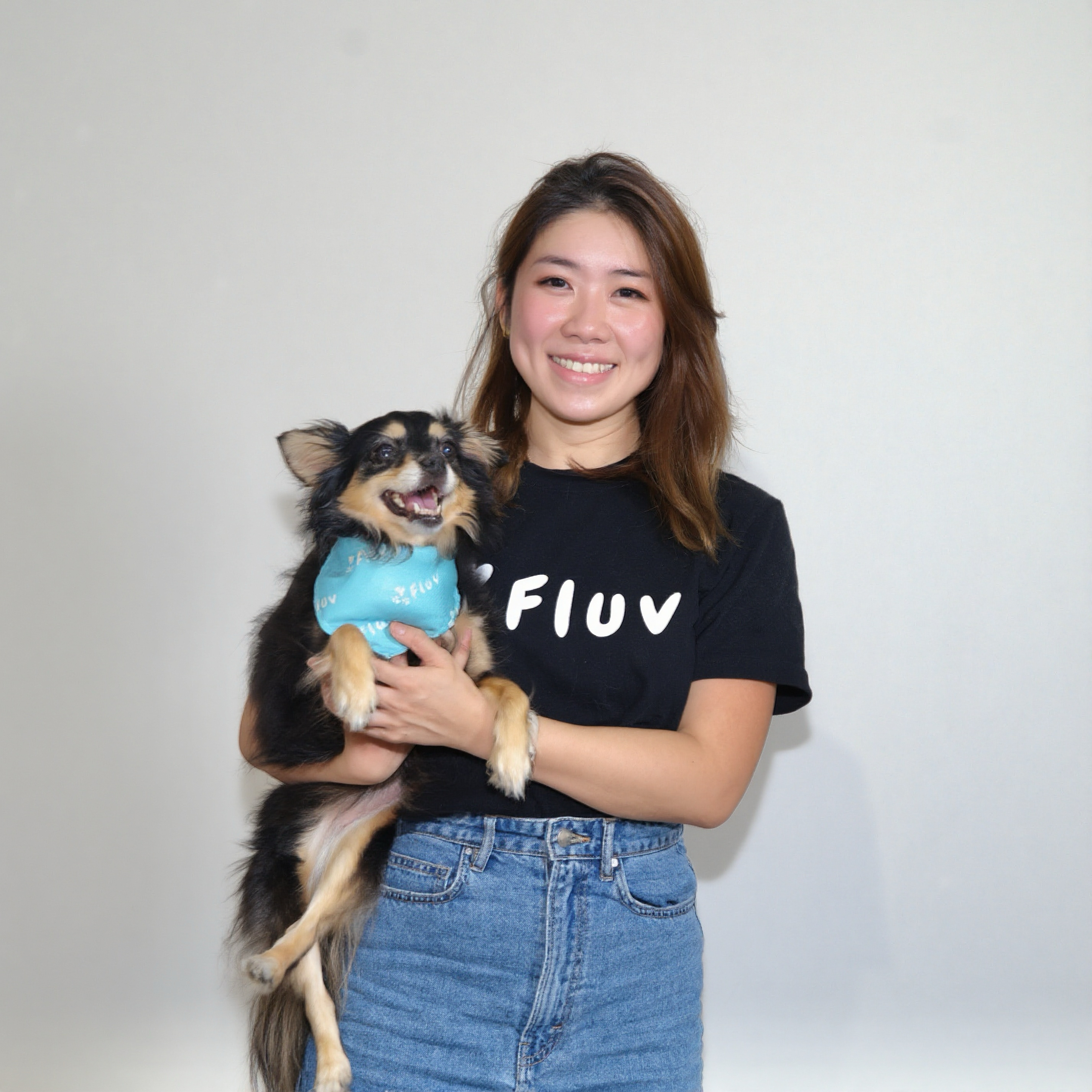
Fluv founder Candace Chen
Forbes 30 Under 30 Asia | 2024 Tatler Gen.T Leaders of Tomorrow
As the founder of Fluv, Candace has built the brand into Taiwan’s largest and most trusted pet care platform through exceptional business vision and execution.
- World-class recognition: Named to the Forbes 30 Under 30 Asia list and selected as a 2024 Tatler Gen.T Leader of Tomorrow.
- Backed by heavyweight investors: Secured investment from Twitch co-founder Kevin Lin and influential venture firm SIC.
- Market leader: Grown Fluv to a community of over 7,000 vetted professional sitters, trusted by 140,000 members.
Further reading:
Cat urinary tract infections: 5 essential dietary management tips you need to know
Should cats eat raw food? 5 key perspectives to help you make the best decision
Views: 2090
 English
  Chinese