Table of contents
- What is bone broth fresh food, and why is it great for picky eaters?
- 5 nutritional benefits of bone broth fresh food
- Real feeding results: how did dogs of different personalities respond?
- How to store and serve bone broth fresh food
- What else can owners of picky eaters do?
- Frequently asked questions
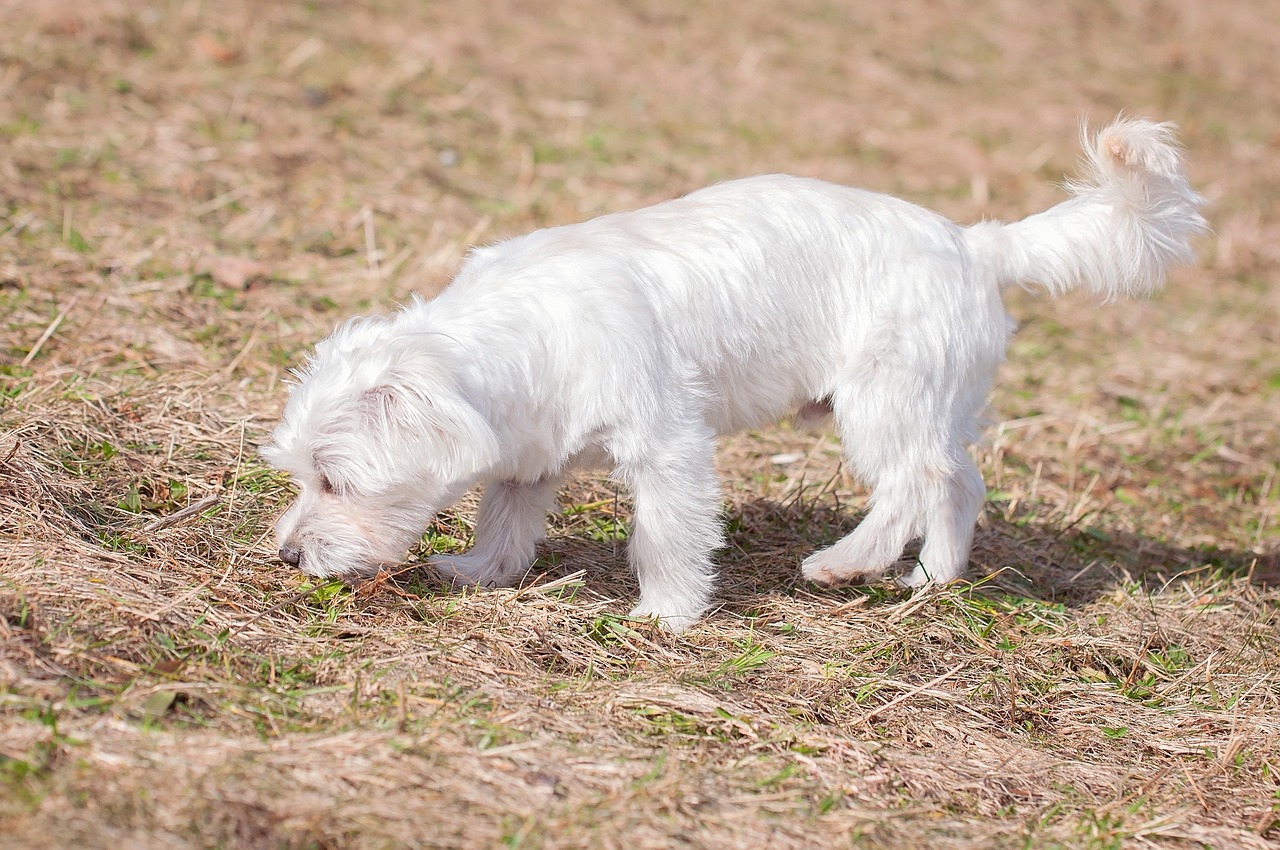
For many pet owners, the most frustrating part of the day is watching their dog sniff the bowl and walk away without taking a single bite. A picky eater not only raises concerns about whether they’re getting enough nutrition — it also puts enormous pressure on owners when it comes to choosing the right food. In recent years, fresh food made with bone broth as its base has been gaining attention as a powerful solution for fussy eating. Bone broth is naturally rich in minerals and collagen, and its deep meaty aroma is highly appealing to pets with sharp but discerning palates. This article takes an in-depth look at the nutritional value of bone broth fresh food, real-world feeding test results, and practical tips on storage and daily use — to help you find a way to make mealtime something your dog actually looks forward to.
What is bone broth fresh food, and why is it great for picky eaters?
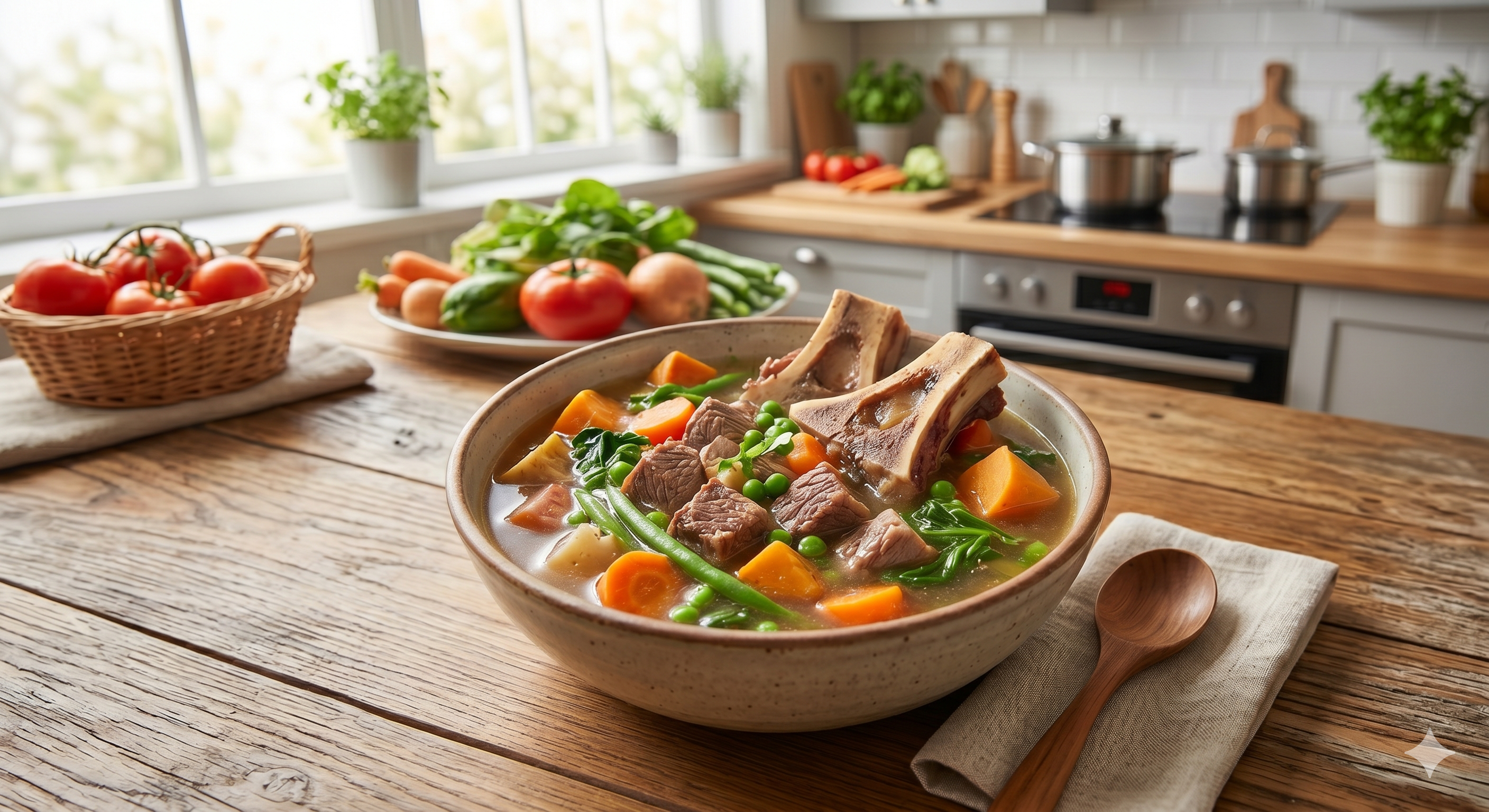
Bone broth fresh food is a type of canine fresh food made by slow-cooking ingredients in a genuine bone broth stock. Unlike standard dry kibble or canned food, it retains much more of the food’s natural moisture and flavor. The preparation typically involves low-temperature slow cooking, which draws out the nutrients locked inside animal bones and releases them into the broth, before being packaged together with meat, vegetables, and other ingredients. This cooking method not only locks in the food’s natural aroma but also produces a much moister texture overall — making it a completely new taste experience for dogs that have grown bored of dry kibble. Bone broth has earned the title of “superfood for dogs” because of its rich content of key minerals such as magnesium, calcium, and phosphorus, as well as a variety of amino acids known to support liver function. As bones break down over long hours of simmering, they release large amounts of collagen — which is thought to help reduce inflammation, support gut health, and repair skin, joint, and coat tissue.
For picky eaters, the biggest draw of bone broth is its bold, meaty aroma. Many owners drizzle a little bone broth over dry kibble to boost its appeal, or soak kibble in bone broth before stuffing it into a puzzle feeder to encourage eating. That said, using bone broth on its own does come with a few inconveniences — it has a relatively short shelf life once opened, and portion sizes need to be carefully managed. This is why fresh food products that already incorporate bone broth into their recipe are especially convenient for busy owners: no extra steps needed, and your dog gets full nutrition in every bite.
5 nutritional benefits of bone broth fresh food
Choosing bone broth fresh food isn’t just about getting a picky dog to eat — it also offers a range of meaningful nutritional benefits. Here are five key advantages to help you better understand the value of this type of food:
- Rich in essential minerals: Bone broth contains calcium, magnesium, and phosphorus — the key minerals needed for bone health. This is especially important for growing puppies and senior dogs experiencing bone loss, helping to maintain bone density and dental health.
- A natural source of collagen: The collagen released during long, slow cooking supports joint flexibility while also improving skin and coat condition. This is particularly beneficial for older dogs with joint degeneration or pets with sensitive skin.
- Supports gut health: The gelatin in bone broth helps repair the intestinal lining, making it a gentle and effective nutritional support for dogs with weaker digestion or frequent stomach issues.
- Highly palatable and hydrating: The high moisture content of fresh food helps dogs that don’t drink enough water stay hydrated, while the rich aroma of bone broth significantly increases the food’s appeal — making even the pickiest eaters more willing to dig in.
- Nutrients preserved through gentle cooking: Compared to high-heat processed dry kibble, low-temperature slow cooking or vacuum cooking retains more of the vitamins and enzymes in the ingredients, reducing nutrient loss during production.
Diet is the foundation of your pet’s health, and good daily care is what truly helps them thrive.
Real feeding results: how did dogs of different personalities respond?
To see how bone broth fresh food actually performs with picky eaters, we reviewed feeding tests conducted by multiple owners across dogs of different breeds, ages, and personalities. Below are several representative cases — ranging from the extremely fussy to the happily enthusiastic — so you can compare them with your own dog’s situation.
The easily bored mixed-breed
A Labrador–terrier rescue mix who was normally very picky about food and had a habit of quickly getting bored with anything familiar. After rotating through beef, chicken, and pork flavors of bone broth fresh food, this dog maintained a consistent appetite throughout the entire testing period — and was still eating enthusiastically on the final day. The owner was delighted to discover the fresh food also worked as a training reward and successfully reignited the dog’s interest in puzzle feeders.
The food-motivated Beagle
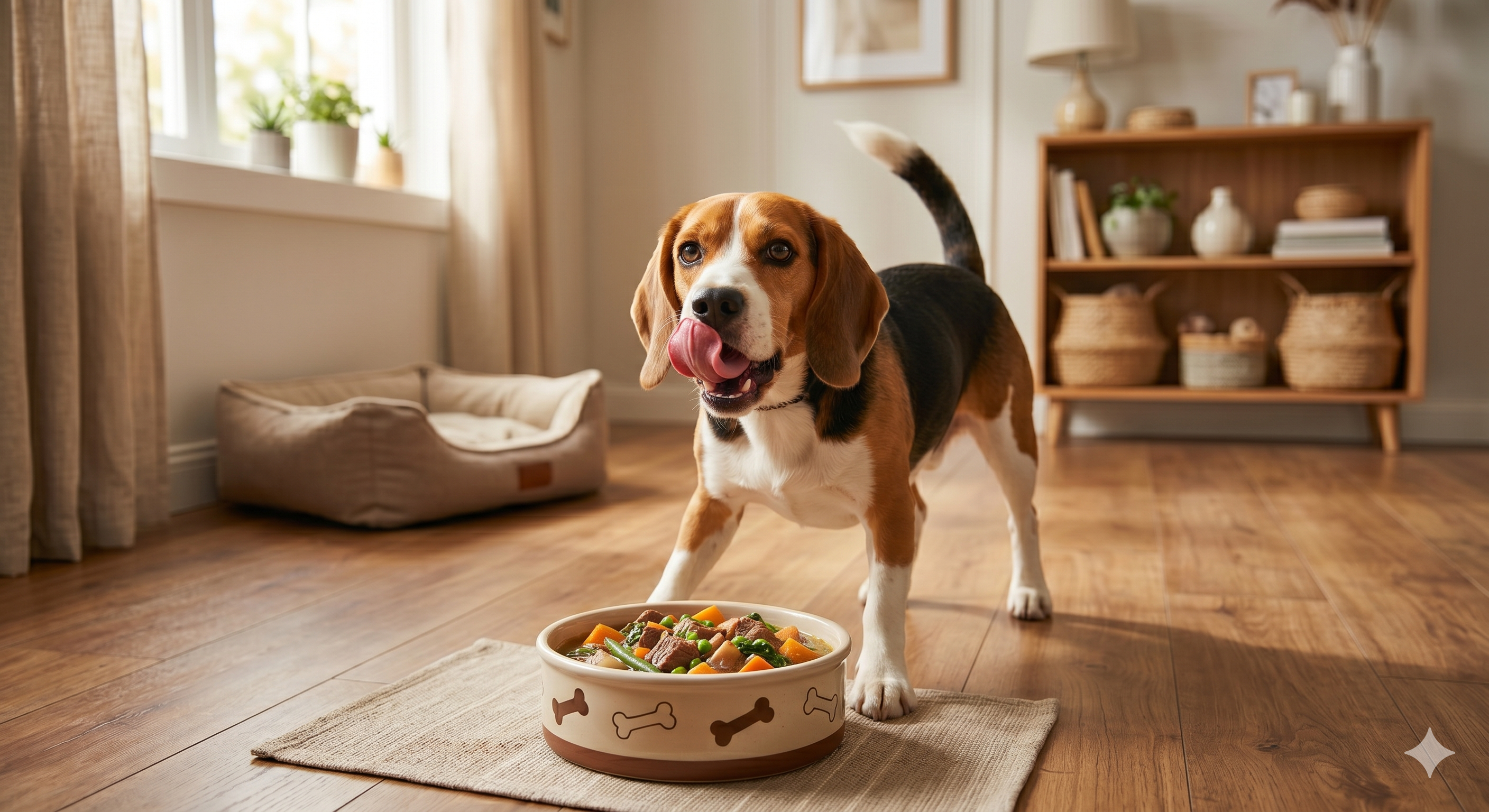
A nine-year-old Beagle demolished the bowl of fresh food with classic Beagle enthusiasm. While this dog was never a picky eater to begin with, the result still demonstrates that bone broth fresh food genuinely excels in palatability — even dogs who aren’t particularly opinionated about their food love it.
The senior Dachshund
The most impressive result came from an eighteen-year-old Dachshund. With almost no teeth left and a noticeably reduced appetite, this dog somehow licked the bowl completely clean when presented with bone broth fresh food. The soft, moist texture was particularly kind to an older dog in poor dental condition, and the rich flavor of the bone broth successfully rekindled the desire to eat.
The notoriously picky Shiba Inu
The toughest critic in the test was an eleven-year-old Shiba Inu who had been dissatisfied with commercial dog food ever since the owner stopped cooking homemade meals a decade ago. The bone broth fresh food broke into the dog’s personal top three favorites. Although the initial excitement faded after two weeks, this dog — unlike before — didn’t flatly refuse it, and was still willing to eat the favorite turkey flavor when hand-fed by the owner. For an extremely picky dog, that’s a significant win.
How to store and serve bone broth fresh food
Bone broth fresh food is typically delivered frozen, and owners will need to move the required portion to the fridge to thaw overnight before serving. Proper storage and feeding practices affect not only how fresh the food stays, but also your pet’s health and safety. Here are a few practical tips:
- Plan your freezer space: Before buying, check how much freezer space you have at home so you don’t order more than you can store. If space is limited, buy in smaller quantities more frequently.
- How to thaw: Simply transfer the portion to the fridge the night before and let it thaw naturally. Avoid using a microwave or thawing at room temperature, as these methods can degrade nutrients or allow bacteria to grow.
- Watch the use-by window: Once thawed, fresh food generally needs to be consumed within a few days. Keep it sealed and refrigerated after opening. Check the color and smell — if anything seems off, discard it immediately.
- Control portion sizes: Adjust each meal based on your dog’s weight and activity level. Start with smaller amounts the first time, and watch how their digestive system adjusts before gradually increasing.
It’s worth noting that many fresh food brands have started using eco-friendly packaging, with some even partnering with recycling companies so owners can easily mail back empty packaging. Choosing these brands is a way to care for your pet’s health and do your part for the environment at the same time. Also, because bone broth fresh food has a high moisture content, you’ll notice a layer of broth sitting on top after thawing — this is completely normal, and it’s exactly what keeps the food moist and tender.
Caring for a picky pet takes patience and dedication — and when life gets busy, a professional pet care service can be your best support.
What else can owners of picky eaters do?
Beyond trying bone broth fresh food, there are other everyday strategies that can help improve your dog’s relationship with mealtimes. First, feeding on a consistent schedule is the foundation of good eating habits — avoid leaving food out all day for your dog to graze freely, as this actually reduces their anticipation of proper meals. Second, regular exercise is a great appetite booster; daily walks or playtime not only burn energy but also leave your dog genuinely hungry come mealtime. On top of that, rotating between different flavors can prevent boredom — just like the mixed-breed in the test, alternating between beef, chicken, and pork flavors helps keep mealtimes feeling fresh. Finally, using puzzle feeders adds an element of fun to eating, giving your dog a mental challenge to earn their food — a method that works especially well for smart dogs who tend to get bored easily.
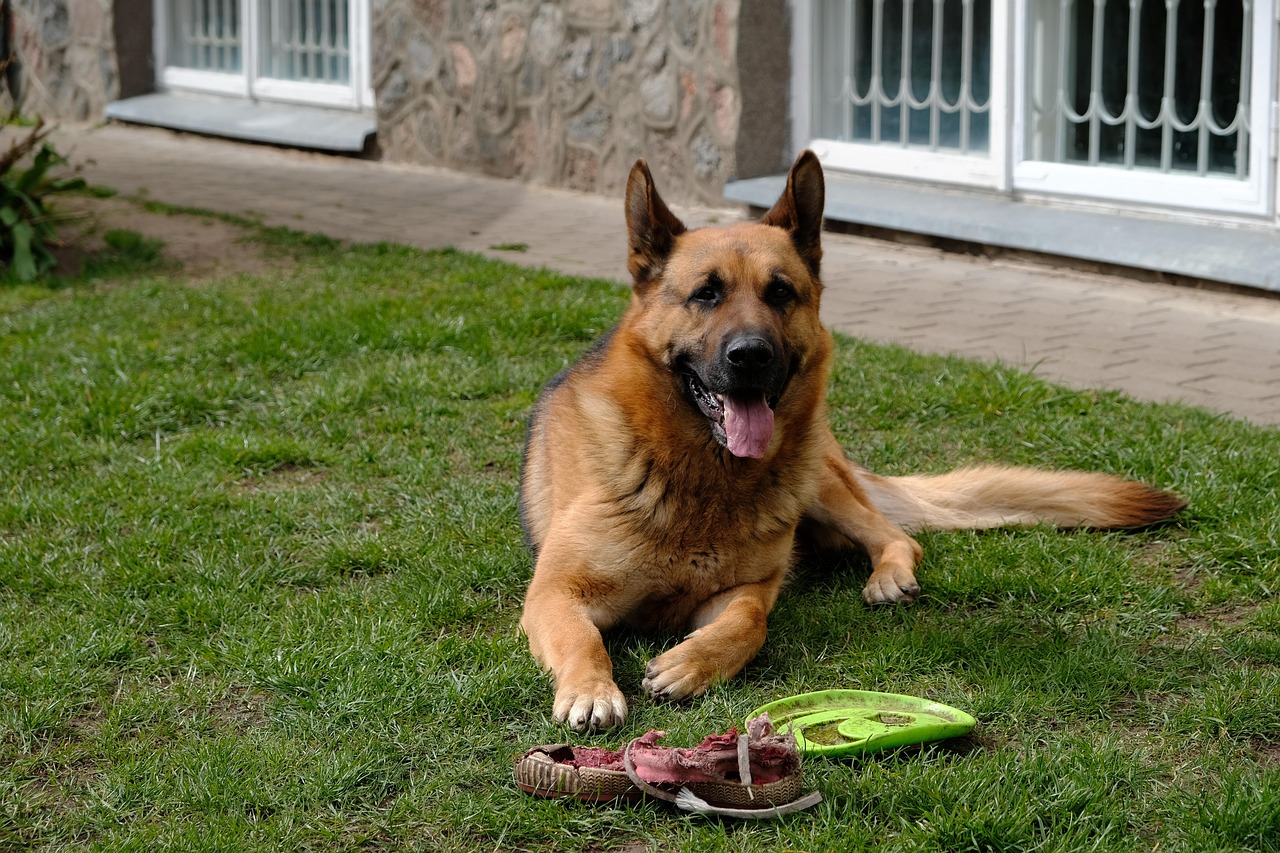
Diet and daily care go hand in hand. When you’re out or busy with work, making sure your pet still receives professional companionship and attention is just as important for their physical and emotional wellbeing. Fluv, Taiwan’s largest pet sitter matching platform, offers a range of services including in-home care, accompanied walks, and boarding. All sitters pass a rigorous screening process, and every booking comes with real-time photo updates and platform insurance coverage — so you can feel completely at ease even when you’re not by your pet’s side.
Frequently asked questions
Q: What is bone broth fresh food?
A: Bone broth fresh food is a type of fresh canine food made with a base of long-simmered animal bone stock, combined with meat and vegetables. It uses gentle low-temperature cooking to preserve the natural nutrition and flavor of the ingredients, while delivering high moisture content and a rich meaty aroma. Compared to traditional dry kibble, this type of fresh food is far more palatable — making it especially well-suited for dogs with poor appetite or picky eating habits.
Q: How do I get a picky dog to try new fresh food?
A: A gradual transition approach works best — start by mixing a small amount of fresh food into their existing food, then slowly increase the proportion over time. In the early stages, try hand-feeding to build your dog’s sense of comfort and willingness to eat, and use puzzle feeders to make mealtime more engaging. If your dog continues to resist, try switching to a different protein flavor and observe which one gets the best response.
Q: What’s the difference between bone broth fresh food and regular canned food?
A: Bone broth fresh food is typically made using gentle methods such as low-temperature slow cooking or vacuum cooking, which better preserves the nutrients and natural flavors in the ingredients. Regular canned food is usually processed with high-temperature, high-pressure sterilization — which extends shelf life but can cause some nutrient loss during production. Bone broth fresh food also tends to have a higher moisture content, with a texture much closer to freshly cooked food.
Q: How long can bone broth fresh food be kept after opening?
A: Once thawed, bone broth fresh food should generally be consumed within three to five days. Keep it sealed and refrigerated at all times. Unopened portions can be kept in the freezer for several months, though the exact timeframe depends on the brand’s guidelines. After opening, if you notice any unusual smell, discoloration, or change in texture, discard it immediately — don’t risk feeding it to your pet.
Q: Is bone broth fresh food suitable for dogs of all ages?
A: Bone broth fresh food is suitable for most dogs across all life stages, from puppies to seniors. For older dogs in particular, the soft, moist texture is ideal for those with deteriorating teeth, and the rich collagen content helps support joint health. That said, for puppies and dogs with specific health conditions, it’s best to consult a veterinarian before making any dietary changes.
Q: How much does bone broth fresh food cost?
A: Pricing varies depending on the brand, formula, and your dog’s size, but bone broth fresh food is generally more expensive than standard dry kibble or canned food. For a medium-sized dog, the monthly cost of fresh food can be roughly two to four times that of kibble. Owners may want to consider using fresh food as a complement to dry kibble rather than a full replacement — this way your pet can enjoy the flavor and benefits of fresh food while keeping overall food costs manageable.
Q: What should I do if my dog gets diarrhea after eating bone broth fresh food?
A: Mild digestive upset when transitioning to a new food is common and usually resolves on its own within a few days. Try extending the transition period — start by mixing in just 10% fresh food, and slowly increase the ratio over seven to ten days. If diarrhea persists for more than two days, or is accompanied by vomiting or lethargy, stop feeding the new food immediately and take your pet to the vet for a check-up.
Fluv special offers | Limited-time deals for devoted pet owners
#Looking for a trusted in-home care experience for your pet?
🎁 New users: enter promo code
#UNEW95
Book now and enjoy 5% off your first booking!
👉 Ready to find the perfect pet sitter for your furry friend?
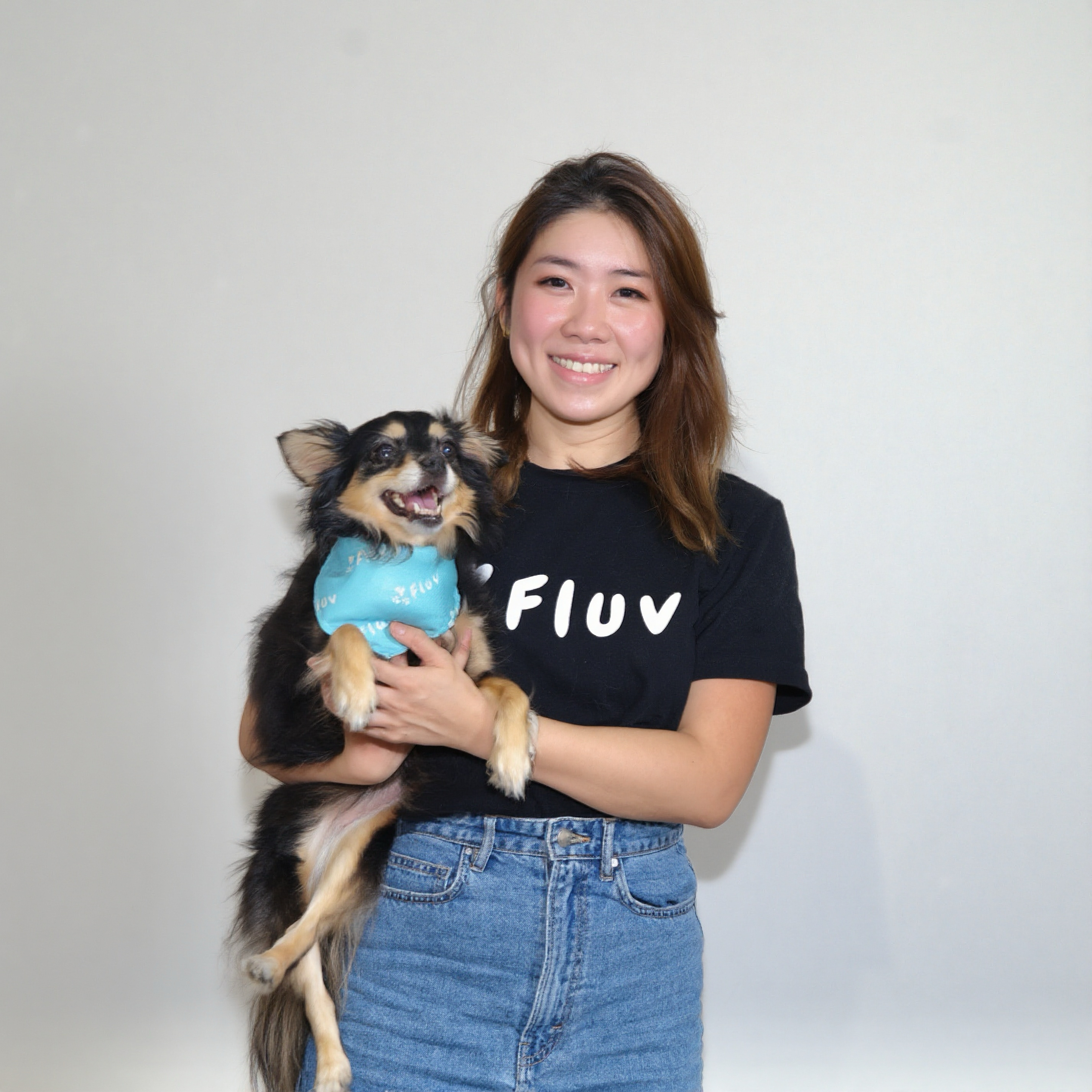
Fluv founder Candace Chen
Forbes 30 Under 30 Asia | 2024 Tatler Gen.T Leaders of Tomorrow
As the founder of Fluv, Candace has built the brand into Taiwan’s largest and most trusted pet care platform through exceptional business vision and execution.
- World-class recognition: Named to the Forbes 30 Under 30 Asia list and selected as a 2024 Tatler Gen.T Leader of Tomorrow.
- Backed by heavyweight investors: Successfully secured investment from Twitch co-founder Kevin Lin and influential venture firm SIC.
- Market leader: Led Fluv to a community of over 7,000 vetted professional sitters, trusted by more than 140,000 members.
Further reading:
What should dogs eat when it’s cold? 7 warming winter fresh food and homemade treat ideas
Just two ingredients! Super easy homemade dog treats — a foolproof guide for beginners
Can dogs eat fruits and vegetables? A complete guide to 11 healthy natural options for your pet
Views: 1155
 English
  Chinese