Table of contents
- What’s the difference between food allergy and food intolerance?
- What are the common symptoms of food allergies in dogs?
- What are the 7 most common food allergens in dogs?
- Are certain breeds more prone to food allergies?
- How do you identify your dog’s food allergens?
- How are food allergies in dogs treated and managed?
- Conclusion
- FAQ
The pet food market is packed with brands that boast high-quality, natural ingredients — but did you know that even premium ingredients can trigger allergic reactions in your dog? Many pet owners notice their dogs scratching constantly, developing red skin, or dealing with recurring digestive upsets, yet can’t figure out why. The answer may well be hiding in their daily meals. Veterinary experts point out that beyond environmental factors, specific food ingredients are a major cause of skin and digestive issues in dogs. If you’re feeling confused about your dog’s health, this article walks you through the seven most common canine food allergens and shows you how to recognize symptoms, track down the root cause, and get your furry friend back to a happy, healthy life.
What’s the difference between food allergy and food intolerance?
Before diving into allergens, there’s one key distinction every pet owner needs to understand: food allergies and food intolerances are not the same thing. Food intolerance means your dog’s digestive system struggles to break down a particular ingredient — lactose intolerance is a classic example. It doesn’t involve the immune system, and typically shows up as gas, diarrhea, or vomiting. Food allergies, on the other hand, are an abnormal immune response. The dog’s body mistakenly identifies a food ingredient (usually a protein source) as harmful, produces antibodies to fight the “intruder,” and triggers a cascade of allergic symptoms.
Veterinary experts stress that canine food allergies can only be managed, not cured. Once an allergen is confirmed, the most effective approach is to eliminate that ingredient entirely, switch to a hypoallergenic or limited-ingredient diet, and schedule regular follow-up visits to ensure the allergen hasn’t crept back in. It’s also worth noting that a dog already allergic to one food may develop sensitivities to other ingredients over time, so owners need to keep a close eye on any new or unusual symptoms and adjust the diet accordingly.
What are the common symptoms of food allergies in dogs?
Recognizing the symptoms early is the first step toward getting on top of the problem. When a dog has an allergic reaction to food, you may notice a range of signs affecting the skin, digestive system, and other parts of the body:
- Frequent sneezing
- Persistent itching, especially on the paws
- Hot spots (skin infections caused by excessive scratching)
- Skin rashes, or skin that looks scaly or feels greasy
- Hyperpigmentation or a leathery skin texture
- Increased eye discharge or red whites of the eyes
- Vomiting and diarrhea
- Patchy or widespread hair loss
- Recurring ear infections
- Secondary yeast or bacterial skin infections
These symptoms may appear individually or in combination. If your dog has been struggling with any of the above for a long time without improvement, food allergies could very well be to blame — it’s worth visiting your vet for a thorough check-up and assessment.
What are the 7 most common food allergens in dogs?
In theory, dogs can develop an allergy to any ingredient, but clinical data consistently points to the following seven as the most frequently confirmed allergens. Knowing these high-risk ingredients will help you make more informed choices when selecting dog food.
1. Beef
Beef tops the list of canine food allergens. This isn’t a reflection of beef’s quality — it’s simply because beef is one of the most widely used protein sources in commercial dog food. Feeding the same ingredient over a long period increases the likelihood that a dog will develop an allergy or intolerance to it, which is why vets often recommend rotating protein sources regularly.
2. Dairy
Some dogs have trouble digesting dairy products — technically, this is closer to lactose intolerance than a true allergy. Lactose intolerance leads to gas, diarrhea, and vomiting. A genuine dairy allergy, however, goes further: on top of digestive symptoms, it often causes skin itching and related skin problems, and tends to be more severe overall.
3. Wheat
While dogs are far more likely to be allergic to meat than to grains, some dogs do react to wheat. If your dog is diagnosed with a wheat allergy, talk to your vet about whether a grain-free diet might be appropriate — but don’t switch on your own, since grain-free isn’t the right choice for every dog.
4. Eggs
An egg allergy means your dog’s immune system overreacts to proteins found in egg yolk. Some commercial dog foods contain egg as an ingredient, but many don’t, so reading the label carefully is an easy way to avoid this allergen.
5. Chicken
Like beef, chicken is an extremely common protein source in dog food. Dogs that eat only chicken-based food for a long time can gradually develop an intolerance or allergy to it. If a chicken allergy is confirmed, consider switching to a less common protein source such as venison, duck, or fish.
6. Lamb
Lamb is often recommended as an alternative for dogs allergic to beef or chicken — but it can still trigger allergic reactions in some dogs. So whenever you swap protein sources, keep a close watch on how your dog responds.
7. Soy
Earlier research suggested that soy could cause a range of health issues in dogs, including allergic reactions, reproductive and developmental problems, thyroid dysfunction, and liver disease. While the scientific community hasn’t reached a definitive conclusion, if your dog is allergy-prone, checking whether a food contains soy is a sensible precaution.
Beyond these seven, pork, rabbit, and fish can also cause allergies, though less frequently.
Dogs with allergies need extra care around food — handing them off to a sitter who understands their needs makes all the difference.
Are certain breeds more prone to food allergies?
Any dog can develop a food allergy, but veterinary observation suggests some breeds do have a higher tendency — Labrador Retrievers, Cocker Spaniels, and German Shepherds, for example, show up more frequently in allergy consultations. That said, breed alone doesn’t tell the whole story; genetics plays a more decisive role. If a dog’s parents or siblings have a history of food allergies, that dog faces a significantly higher risk regardless of breed. In other words, a mixed-breed dog with a family history of allergies may actually be at greater risk than a Labrador with no such history. When welcoming a new pet, learning about the parents’ health background can help you get ahead of dietary management early on.

How do you identify your dog’s food allergens?
If you suspect your dog has a food allergy, the first step is always to consult a vet. Your vet may recommend skin testing, blood allergy panels, or an elimination diet to help reach a diagnosis. The elimination diet is the most commonly used and reliable approach: remove the suspected allergen (say, beef) from your dog’s diet, switch to a food that doesn’t contain it, and observe for six to eight weeks. If symptoms improve noticeably or disappear during that period, you’ve found your allergen. If symptoms persist, move on to the next suspect and repeat the process. It takes patience, but it’s the most accurate method available.
One critical rule during an elimination diet: no extra treats or foods of unknown origin. Any additional ingredient can throw off the results and undo weeks of careful observation.
When you’re away from home, keeping your dog’s diet on track is just as important — finding a trusted, reliable sitter is essential.
How are food allergies in dogs treated and managed?
The cornerstone of treating canine food allergies is complete avoidance of the allergen. If your dog is only allergic to one ingredient, the solution is relatively straightforward — just switch to a food that doesn’t contain it. When a dog is allergic to multiple foods, your vet may recommend a prescription diet, a limited-ingredient diet, or a raw diet. Hydrolyzed protein dog food is another option worth considering: the protein molecules are broken down into such tiny fragments that the immune system can no longer recognize and react to them, significantly reducing the chance of an allergic response.
For day-to-day management, get into the habit of reading ingredient labels and double-checking them every time you switch brands or flavors. Regular vet check-ups are equally important, since allergy profiles can shift over time — an ingredient that was fine before can become a new trigger later. Staying in close communication with your vet is the best way to build a safe, sustainable diet plan for your dog.
Conclusion
Food allergies can’t be cured, but with enough knowledge and patience, they can absolutely be managed. By following a proper diagnostic process to identify the allergen and pairing that with the right dietary plan, your dog can still enjoy a comfortable, healthy life. The most important thing is this: if you notice signs that might be allergic reactions, don’t guess or randomly switch foods — always seek professional veterinary advice. Stay attuned to changes in your dog’s body, be a caring and attentive owner, and help your furry companion live free from the discomfort of allergies.
If work or travel takes you away from your dog and you’re worried about finding a sitter who can handle special dietary needs, the pet sitters on the Fluv platform are all rigorously vetted. You can communicate your dog’s allergy conditions and dietary restrictions in advance, and sitters will send real-time photo reports so you can head out with peace of mind and your dog stays well cared for at home.
FAQ
Q: What is a canine food allergy?
A: A canine food allergy is an abnormal immune response to a specific ingredient in food — usually a protein. The body mistakenly treats that ingredient as harmful, produces antibodies to fight it, and triggers symptoms such as skin itching and digestive upset. Food allergies differ from food intolerances: allergies involve an immune response, while intolerances are purely a matter of digestion.
Q: How can I tell whether my dog has a food allergy or an environmental allergy?
A: Food allergy symptoms typically persist year-round without seasonal variation, whereas environmental allergies often follow a seasonal pattern. Food allergies are more likely to come with digestive symptoms like vomiting and diarrhea, while environmental allergies more commonly involve sneezing and eye irritation. The most reliable way to distinguish between the two is an elimination diet conducted under veterinary guidance over six to eight weeks.
Q: What’s the difference between a food allergy and a food intolerance?
A: Food intolerance means the digestive system can’t break down a particular ingredient efficiently — no immune response is involved, and symptoms are mainly gas, diarrhea, and vomiting. A food allergy is an immune system overreaction that, beyond digestive issues, typically also causes skin itching, rashes, ear infections, and other wider-ranging symptoms, and tends to be more severe.
Q: Can a dog’s food allergy be cured?
A: There is currently no cure for food allergies — they can only be controlled through dietary management. Once the allergen is identified, the most effective approach is to eliminate it from the diet completely and switch to a hypoallergenic or limited-ingredient food. Regular vet follow-ups are important, as dogs can develop new food sensitivities over time.
Q: How long does an elimination diet take to show results?
A: An elimination diet generally needs to run for six to eight weeks to produce reliable results. During this period, your dog should eat only the designated food — no treats or other items of any kind. If symptoms improve significantly, the allergen has been identified; if there’s no change, move on to testing the next suspected ingredient.
Q: How much does treating a dog’s food allergy typically cost?
A: Costs vary by region and clinic. An initial vet consultation and allergy testing can run into the thousands of New Taiwan dollars. Prescription diets or hydrolyzed protein foods tend to cost more per month than standard dog food — potentially several hundred to over a thousand dollars more. In the long run, early diagnosis and proper management can prevent far more expensive complications down the line.
Q: Which dog breeds are more likely to develop food allergies?
A: Labrador Retrievers, Cocker Spaniels, and German Shepherds are among the breeds most commonly seen with food allergies in clinical practice, but any breed can be affected. Genetics matters more than breed — if a dog’s parents or siblings have a history of allergies, that dog’s risk is significantly elevated regardless of what breed they are.
Fluv special offers — exclusive deals for devoted pet owners
#Want to give your pet the most reassuring in-home care experience?
🎁 New members: enter promo code
#UNEW95
Book now and enjoy 5% off your first service!
👉 Ready to find the perfect, caring pet sitter for your furry friend?
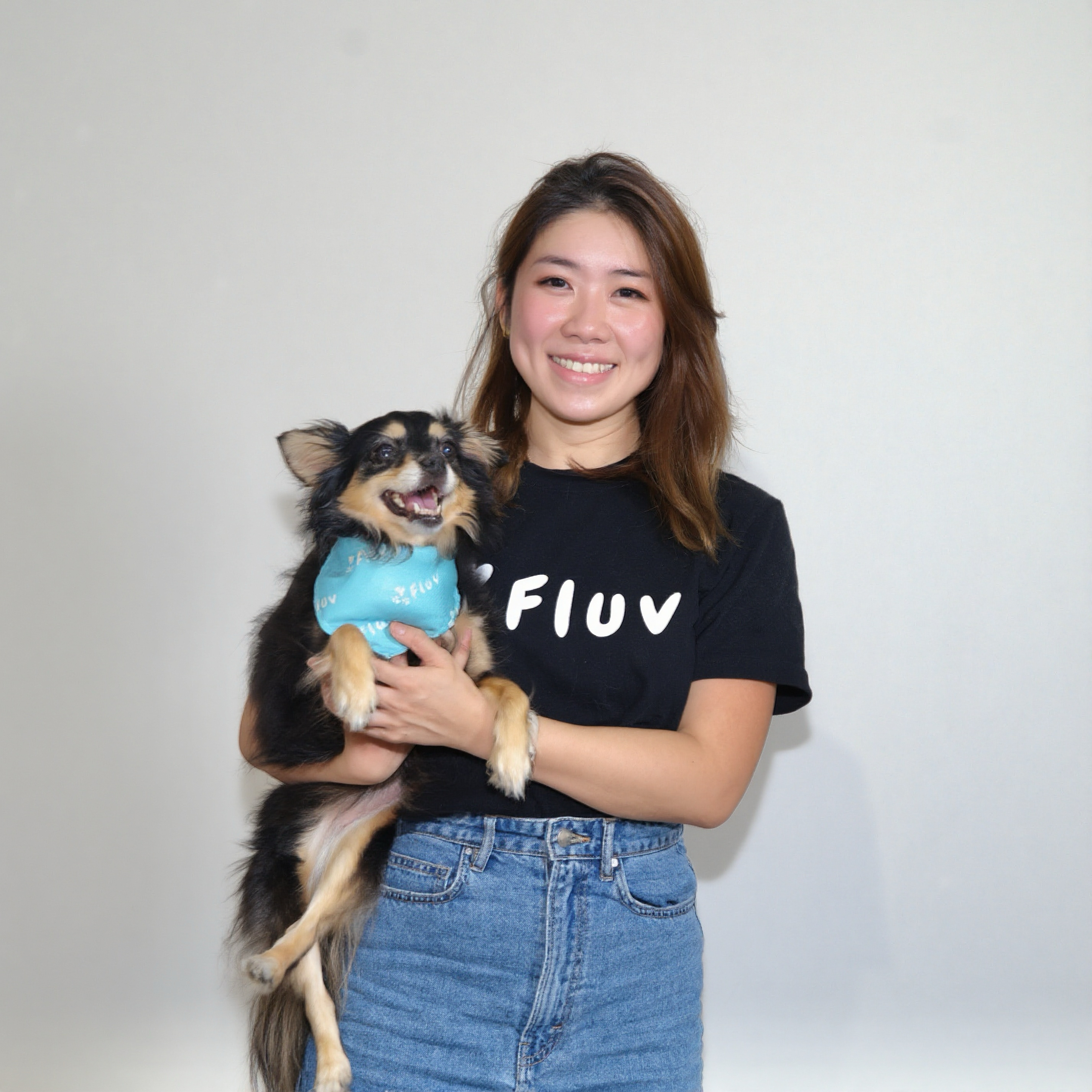
Fluv founder Candace Chen
Forbes 30 Under 30 Asia | 2024 Tatler Gen.T Leaders of Tomorrow
As the founder of Fluv, Candace has used her exceptional business vision and execution to build the brand into Taiwan’s largest and most trusted pet care platform.
- World-class recognition: Named to the Forbes 30 Under 30 Asia list and selected as a 2024 Tatler Gen.T Leader of Tomorrow.
- Backed by top investors: Secured investment from Twitch co-founder Kevin Lin and influential venture firm SIC.
- Market leader: Has grown Fluv to a community of over 7,000 vetted professional sitters, trusted by 140,000 members.
Further reading:
Does your dog have a sensitive stomach? Try these low-allergen gluten-free chickpea flour dog treats
Can dogs eat fruits and vegetables? A complete guide to 11 healthy options for your furry friend
Views: 1368
 English
  Chinese