
What to do about cat depression? Understand the causes, 6 ways to help your cat find happiness again — and find a pet sitter for extra peace of mind! – Fluv
Just as depression is a serious issue in the human world, cats are no exception! When cats lack companionship for an extended period or go through environmental changes, they can develop cat depression — and may even show signs of separation anxiety, such as refusing to eat or over-grooming.
How do you address cat separation anxiety? When you can’t be there for your cat around the clock, the most effective solution is to have a pet sitter come to your home to keep your cat company! This article will walk you through the causes, symptoms, and ways to improve cat depression, and show you how a pet sitter can help your beloved cat shake off the blues and get back to living their best life!
🐱 Why do cats develop depression?
1️⃣ Lack of companionship and interaction
- Cats are independent, but they still need love and attention from their owners. Prolonged loneliness can lead to separation anxiety in cats.
2️⃣ Owner away for an extended period
- Cats left alone for long stretches are prone to owner separation anxiety, and may spend their days hiding or feeling restless.
3️⃣ A new member joins the household
Just as depression is a serious issue in the human world, cats are no exception! When cats lack companionship for an extended period or go through environmental changes, they can develop cat depression — and may even show signs of separation anxiety, such as refusing to eat or over-grooming.
How do you address cat separation anxiety? When you can’t be there for your cat around the clock, the most effective solution is to have a pet sitter come to your home to keep your cat company! This article will walk you through the causes, symptoms, and ways to improve cat depression, and show you how a pet sitter can help your beloved cat shake off the blues and get back to living their best life!
- The arrival of a stranger or a new pet can make your cat feel that their territory is under threat, causing stress.
4️⃣ Loss of a companion or family member
- Separation anxiety in senior cats tends to be more severe than in younger cats. Losing a long-time family member or feline companion can leave them in a state of grief.
5️⃣ Moving to a new living environment
- Environmental change is one of the key causes of separation anxiety in cats — moving house, changing the litter, or rearranging furniture can all trigger anxiety.
6️⃣ Health problems
- When a cat is unwell, they may display anxious behavior that even separation anxiety training struggles to resolve.
🐾 5 signs of cat depression owners should never ignore
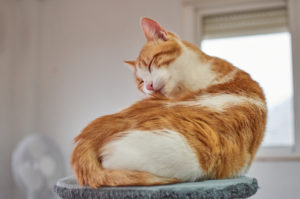
✅ Low energy and reduced activity
✅ Irritability and increased aggression
✅ Excessive grooming, sometimes leading to bald patches
✅ Urinating or defecating outside the litter box to get attention
✅ Loss of appetite, or overeating
If you notice any of these signs in your cat, don’t ignore them! The best approach is to bring in a professional pet sitter to visit your home and keep your cat company, helping to ease their anxiety and low mood.
🐾 Other ways to improve and prevent cat depression

✅ Spend more time with your cat to reduce anxiety
- Setting aside daily time for play and interaction can significantly ease the stress that comes with cat separation anxiety.
✅ Offer new toys or treats to keep things interesting
- Regularly rotating your cat’s toys and treats stimulates their curiosity and helps lift their mood.
✅ Create a safe and secure environment
- Cats need a calm, safe space — providing a cozy hideaway or a high perch to rest on can help them unwind.
✅ Find a companion for your cat
- If your cat adapts well to new friends, consider getting them a companion, or bringing in a pet sitter for company.
✅ Schedule regular health check-ups to rule out physical issues
- Medication for cat separation anxiety is only suitable in specific cases — have a vet assess whether medication is actually needed first.
✅ Seek professional advice from a vet
- If your cat has been depressed for a prolonged period, consult a vet for expert guidance.
🐱 How to help your cat overcome depression? The most effective solution: a pet sitter!
A cat’s stress mainly comes from loneliness and environmental change, and a pet sitter can provide extended companionship, interaction, and care to help reduce your cat’s anxiety.
🐾 Fluv pet sitter service
✔ One-on-one dedicated care so your cat feels safe during alone time ✔ Playtime and cuddles to help your cat de-stress ✔ On-schedule feeding and environment upkeep to keep your cat healthy ✔ Regular updates so you always know how your cat is doing
🐾 Why is a pet sitter more effective than training alone?
Many cats still struggle to cope with long periods alone even after training, and a pet sitter can provide the most consistent companionship when you’re not home.
✅ Reduces cat separation anxiety and prevents depression from worsening
✅ One-on-one attention ensures your cat gets enough love and care
✅ Helps your cat adapt to environmental changes and lowers stress levels
✅ Gives you total peace of mind knowing your cat isn’t lonely
📍 Download the Fluv app now and book a professional pet sitter!
Fluv exclusive deals — limited-time offers for devoted pet owners
#Give your pet the best — and the most fitting
If you’d like to give your pet a more personalized, home-like care experience, why not try Fluv’s in-home pet sitter service?
🎁 New users: enter promo code
#UNEW95
Book now and enjoy 5% off your first booking!
👉 Looking for a caring, professional pet sitter for your fur baby?
Views: 5486
 English
  Chinese