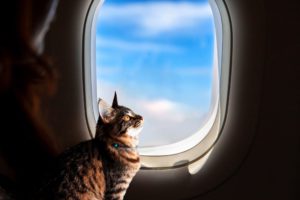
Dreaming of exploring the world with your beloved cat or dog? The process of taking pets overseas can seem overwhelming. And if you leave your furry friend at home, you worry they’ll be lonely — or that your little chaos agent will trash the place while you’re gone. A pet hotel sounds like an option, but what if your pet feels out of place or clashes with other animals? Don’t stress about any of that! Fluv is here to walk you through everything you need to know about pet entry requirements and quarantine regulations, so you can confidently fly with your cat or dog and show them the world.
Thinking about taking your pet abroad? First check whether they’re suited for flying
Before you plan a round-the-world adventure with your furry companion, you’ll need to carefully observe your pet and consult a vet to assess whether they’re actually a good fit for air travel. Here are three key things to check:
Consider your pet’s personality
Since pets usually can’t travel in the cabin with you and must be checked as cargo, it’s important to observe how your pet handles being alone. Do they stay calm when you’re away, or do they pace, bark, and knock things over? If your pet shows signs of separation anxiety — getting visibly distressed the moment you step out — they may not be a good candidate for international travel.
Check your pet’s health
Veterinary care in other countries can be hard to assess, and pets can also struggle with changes in environment and climate. If your pet has chronic conditions like cardiovascular disease or diabetes, long-haul flights to unfamiliar places are generally not recommended.
Be aware of restricted breeds
Most airlines will not accept aggressive breeds such as pit bulls and German shepherds, or flat-faced, short-nosed breeds like French bulldogs and Persian cats, due to the risks these animals may face during flight.
Before flying with your pet, make sure they’ve gone through these two types of training
Once your pet has passed the personality, health, and breed checks, the next step is preparing them for the actual flight experience — so they can stay calm and comfortable throughout the journey and arrive ready to enjoy the trip with you. Here’s what that training looks like:
Getting comfortable with the airline pet carrier
You’ll need to train your cat or dog not just to stay calmly inside the small airline carrier, but also to eat and relieve themselves in it — you don’t want your pet holding it in for hours on end. Choose a carrier that meets the required standards (refer to the International Air Transport Association guidelines), make sure there’s enough food inside, and set up an appropriate area for bathroom needs.
If your trip is coming up soon, try placing the carrier somewhere your pet can see it and leave the door open so they can explore it freely. Once they’re familiar with the space, they’ll be far less likely to panic inside it.
Building tolerance for long periods alone and managing stress
Since pets are typically checked as cargo when traveling internationally, they’ll spend a long stretch of time alone inside the carrier. It’s important to train your pet to be comfortable with this. Placing familiar toys or items with your scent inside the carrier can help your pet feel more at ease and less bored or scared.
The 4 key steps for traveling internationally with your pet

Now that you’ve confirmed your pet is ready for the journey and done the prep work, here’s a breakdown of the four steps involved in the international travel process:
Step 1: Book your flight and notify the airline about your pet
After purchasing your ticket through an airline or travel agency, call the airline to inform them you’ll be traveling with a pet. They’ll verify your passenger details along with your pet’s breed and size, and walk you through the relevant rules for flying with an animal.
Step 2: Pre-departure preparations
Once your ticket is booked and you’ve spoken with the airline, complete the following steps:
- Microchip implantation: A microchip is required for pets entering Taiwan.
- Vaccinations: A rabies vaccine must be administered between 30 days and 1 year before departure. Check whether your destination country requires any other animal-related vaccines and get those done as well.
- Apply for an immunization certificate: Required after receiving the rabies vaccine, or if a rabies vaccine was given within the past year. It’s also recommended to obtain a health certificate and microchip certificate at the same time.
- Apply for an export animal quarantine certificate: Bring your pet, immunization certificate, flight ticket, and your passport to a quarantine bureau in Taiwan to apply for this certificate.
- Prepare an airline-approved pet carrier: It’s best to purchase a carrier that already meets IATA standards.
Step 3: At the airport on departure day
Arrive at the airport 3–4 hours before your flight to complete the following:
- Document submission: Go to the animal and plant quarantine office at the airport and submit your immunization certificate, health certificate, and other required documents.
- Microchip scanning: Have the implanted microchip checked.
- Complete the baggage declaration form for pet check-in.
Step 4: Arriving in your destination country
After landing, collect your pet from baggage claim and present the export animal quarantine certificate to local customs to complete entry.
Pet quarantine requirements by country
In addition to completing the travel process, you’ll need to be aware of each country’s specific quarantine rules for pets. Some countries have stricter requirements than Taiwan, and a few even require pets to be quarantined for a set number of days before they can officially enter. Here’s a summary:
| Advance notice required | Quarantine period | Other requirements | |
| Japan | 6 months | Varies by case |
|
| Hong Kong | 1 month | None |
|
| South Korea | 6 months | None | None |
| Thailand | 6 months | None |
|
| USA (excluding Hawaii) | 1 month | None | Pets must be at least 4 months old |
| Canada | 1.5 months | None | Rottweilers and Great Danes may be restricted from entering certain Canadian provinces |
| EU countries | 9 months | None | None |
| Australia | 7 months | Up to 30 days | None |
Pet travel policies compared across major airlines
On top of each country’s quarantine requirements, notice periods, and potential quarantine days — and the fact that some provinces even ban certain breeds — major airlines each have their own rules for transporting pets. Here’s a comparison:
| Transport method | Accepted pet types | Restricted pets | Other requirements | |
| China Airlines | Checked cargo | Cats and dogs 10 weeks or older |
|
|
| EVA Air | Checked cargo | Cats, dogs, and rabbits 4 months or older |
|
|
| Starlux Airlines | Checked cargo | Pets 10 weeks or older |
|
Must notify at least 24 hours before departure |
| Japan Airlines | Checked cargo | Cats, dogs, and birds 8 weeks or older |
|
Must notify at least 48 hours before departure |
| ANA | Checked cargo | Pets 4 months or older |
|
Must notify at least 48 hours before departure |
| Korean Air | Carry-on if under 7 kg | Cats, dogs, and birds 8 weeks or older
Cabin-eligible from 8 weeks; checked cargo from 16 weeks |
|
Must notify at least 48 hours before departure |
Can’t bring your pet along? Let Fluv take care of them!
As you can see, most airlines have strict rules around flying with pets, making “traveling the world with your furry friend” quite the challenge. Many pet parents also simply can’t bear the thought of their pet being locked in a small carrier for hours, unable to move freely the way they do at home.
If taking your pet overseas isn’t possible or isn’t the right call, and you need to be away from your cat or dog for several days, consider booking a pet sitter through Fluv. Fluv has over 5,000 verified cat and dog sitters with real experience and expertise, ready to give your pet the attentive care they deserve while you’re away. Download Fluv now and find the perfect sitter!
Feel free to share this article, and subscribe to the Fluv newsletter for more helpful tips and fun reads!
Further reading:
How old does a puppy need to be before going outside? Everything you need to know about puppy socializationGuide to going out with your cat | What to prepare and what to watch out for
Fluv special offers | Limited-time deals for devoted pet owners
#Give your pet the best — and the best fit
If you’d like a more personalized, home-like care experience for your pet, why not try Fluv’s in-home pet sitter service?
🎁 New users — enter promo code
#UNEW95
Book now and get 5% off your first booking!
👉 Ready to find a caring, professional pet sitter for your furry friend?
Views: 25676
 English
  Chinese