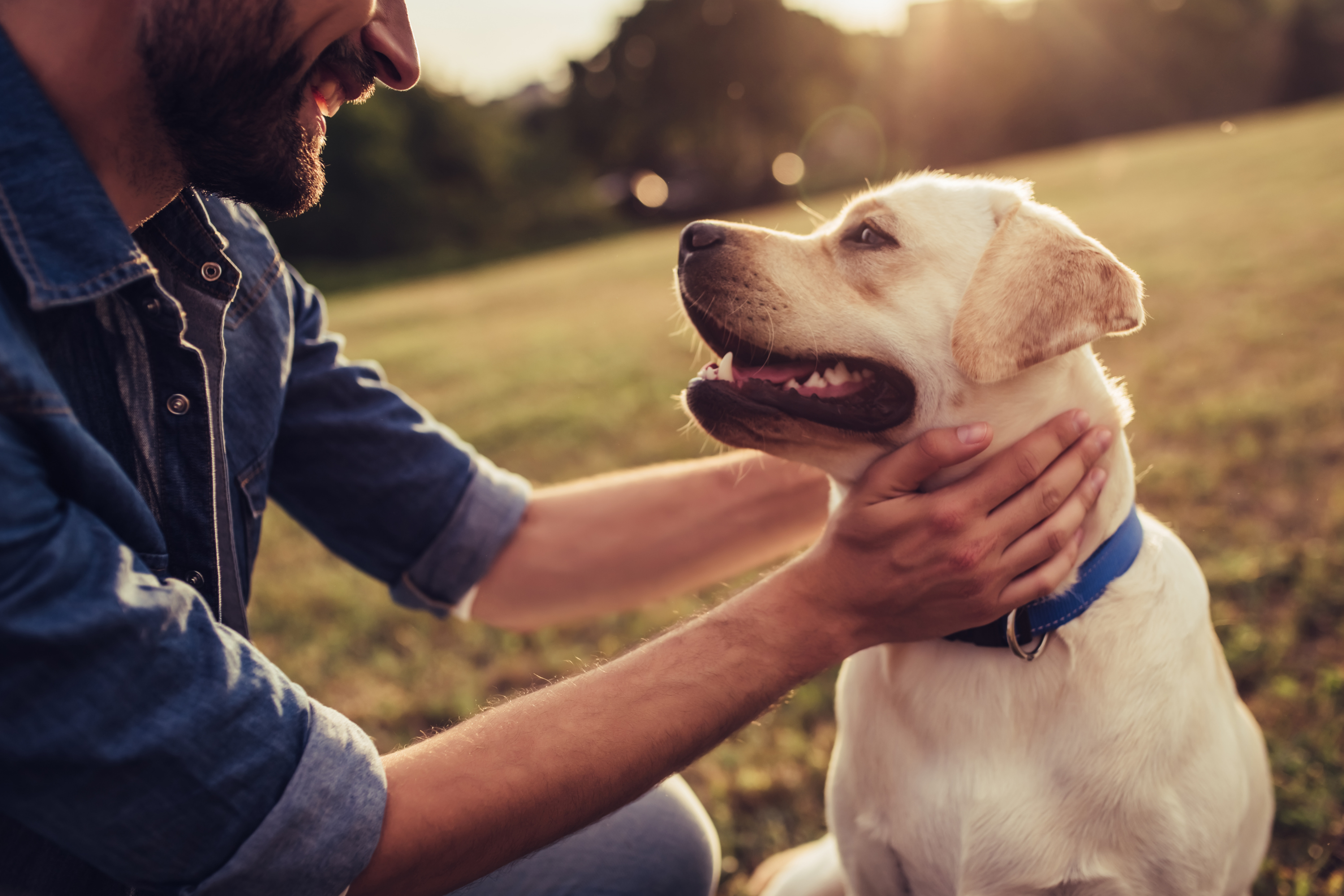
Dogs are our best companions, but sadly their lifespan is shorter than ours — they can’t be by our side forever. Watching a dog you’ve lived with for years grow old, especially one you’ve raised since puppyhood, is never easy to accept.
Today, let’s take a look at how to care for a senior dog so your furry friend can enjoy a healthy and happy life in their golden years!

【Signs of aging in dogs】
First, let’s understand what aging looks like in dogs. Most dogs begin to age gradually around 7–9 years old. Large dogs tend to enter the aging stage earlier than small dogs, though the rate varies depending on each dog’s overall health. Here are two key areas where aging shows up.
1. Physical changes:
1. Coat color changes
The coat may lose its color and shine, and new fur that grows in may appear lighter or white. Long-haired dogs may notice their fur stops growing as long as it used to.
2. Sensory decline
Vision, hearing, and smell all tend to deteriorate — vision especially tends to decline faster and may be accompanied by conditions like glaucoma and cataracts, which in severe cases can lead to blindness. Hearing loss can make dogs slower to respond and more easily startled.
3. Body changes
Senior dogs may become physically weaker with slower metabolism, experiencing sudden weight loss or gain. Organs also begin to decline gradually. Calcium loss during this stage can cause a hunched posture similar to a stoop.
2. Behavioral changes:
1. Reduced activity
Dogs may become lethargic and reluctant to move, slow and sluggish in their actions. On walks, they may stop and refuse to continue, needing a tug on the leash to get going.
2. Mood changes
Dogs may become more anxious and easily unsettled, with unusual temperament shifts and frequent low moods or mild depression. They may also bark for no apparent reason.
3. Physical changes
Appetite may decrease, bathroom frequency may increase or decrease, and dogs tend to sleep more and lie down for long periods — which can slow digestion and lead to constipation.
These are the common signs of aging in dogs. Once your dog starts showing these signs, the way you care for them needs to evolve too — that’s what helps them stay healthy and comfortable in their senior years!

【How to care for a senior dog】
1. Diet
1. Control their food intake
Senior dogs have slower metabolisms, so feeding them the same amount as before can lead to weight gain. Try to keep meal portions consistent, and consider switching to smaller, more frequent meals to aid digestion. Avoid sudden increases or decreases in food, and never let your dog overeat — this can cause digestive issues.
It also helps to keep a daily log of your dog’s food and water intake to better manage their diet.
2. Choose the right foods
Consider putting together a healthy, balanced meal plan for your dog — one that’s nutritionally varied, low in salt, low in fat, and high in fiber. Since their digestive system is slowing down, you can blend ingredients into a soft puree or choose easy-to-chew foods. Adding digestive enzymes, probiotics, or easily absorbed proteins can also help. Make sure they stay well hydrated, and above all, pay attention to your individual dog’s needs.
3. Use an elevated bowl
Many senior dogs deal with joint issues, so a raised or elevated bowl can take some of the strain off their neck while eating.
2. Exercise
1. Walks
Because aging affects the joints, consider increasing the frequency of walks while shortening each session — the same principle as smaller, more frequent meals. Make sure your dog gets adequate rest during and between walks to reduce strain.
Choose routes that avoid steep slopes and stairs as much as possible. Avoid going out at midday or in the rain to protect their joints. To minimize anxiety, stick to quieter, familiar areas your dog knows well. If your dog’s hind legs are weak, a support harness can help them walk more comfortably.
2. Outings
If you’d like to take your dog out for some fresh air but they’re not up for walking, a stroller or pet carrier backpack is a great option. If a stroller feels too bulky and inconvenient, a hands-free carrying sling lets you take your dog along for the adventure without tiring them out.
3. Environment
1. Daily routine
Senior dogs thrive on routine and stability. Avoid changing their daily schedule unless absolutely necessary, and don’t wake them suddenly — it can easily startle them. If you do need to wake them, gently approach and call to them softly, or simply wait for them to wake up on their own.
2. Home environment
Add rugs or mats to improve traction and prevent slipping, and use soft padding to cushion corners and reduce bumps. Try not to rearrange the home unnecessarily — adjusting to a new layout can be very unsettling for an older dog.
3. A comfortable bed or mat
Since senior dogs may spend long periods resting in one spot, a comfortable, supportive bed is essential. Look for something breathable that also offers warmth — ideally with a heating pad function. Avoid placing the bed in dark corners or spots with direct sun exposure. If using a bed with a removable cover, wash it regularly.
Even with a healthy diet and a well-managed home environment, aging dogs are still more susceptible to illness as their body functions decline. Below are seven common diseases seen in senior dogs.

【Common illnesses in senior dogs】
1. Metabolic issues
1. Obesity
Obesity is a common issue in dogs and can lead to chronic conditions like high blood pressure, diabetes, and kidney disease. Addressing obesity means staying on top of regular exercise, maintaining a healthy diet, and consistently tracking your dog’s food intake, water consumption, and weight.
2. Digestive problems
Common issues include indigestion, bloating, and gastroenteritis. Watch for signs like diarrhea, constipation, or loss of appetite. Regular vet check-ups to screen for intestinal parasites or viruses are important. Keep meal portions consistent and avoid foods that are too oily or too salty.
2. Cataracts
Cataracts occur when the lens of the eye becomes cloudy with age. Early symptoms include blurred or reduced vision, changes in color perception, light sensitivity, double vision, and nearsightedness. If you notice your dog’s eyes looking cloudy, them frequently bumping into things, a glazed look in their eyes, or increased startling, get them seen by a vet early.
If cataracts are confirmed, add soft padding around the home to protect your dog from collisions, and try to keep furniture arrangements consistent. If your dog becomes easily startled, spend more time with them to provide comfort and a sense of security.
For prevention, foods rich in vitamin C and lutein — such as eggs and tomatoes — can be helpful. Limit prolonged UV exposure, and as always, a balanced diet is key.
3. Dementia
Signs of canine dementia include not responding when called, not recognizing their owner, barking for no reason, and losing control of bathroom habits. If dementia is confirmed, your dog will need patient, attentive companionship. Be sure to remove or secure any hazardous items at home to keep them safe.
To help reduce the risk of dementia, keep your dog’s mind active with regular mental stimulation. Puzzle feeders during mealtimes are a great way to engage their brain.
4. Skeletal degeneration
If your dog can no longer move as freely as before, or their front or hind legs seem weak, take them to the vet immediately to check for conditions like intervertebral disc disease or arthritis. Ignoring these symptoms can mean missing the window for effective treatment, potentially leading to paralysis.
For dogs with limited mobility who spend long periods lying down, pressure sores can develop — switching to a softer, more comfortable bed can help prevent this.
To protect your dog’s joints, reduce activities that involve stairs or inclines. After outdoor walks, a gentle massage can help them unwind and ease any discomfort.
5. Dental and oral problems
Common issues include periodontal disease, tartar buildup, and tooth root inflammation. Regular tooth brushing is one of the best ways to prevent these problems — aim for daily brushing or at least once a week. Dental chews can be a helpful complement to brushing.
6. Common chronic diseases
1. Heart disease
Regular health check-ups can help detect heart disease early. Common symptoms include reduced lung capacity, easy breathlessness, coughing, and lower stamina than before. If heart disease is confirmed, in addition to medication and observation, avoid letting your dog engage in intense exercise or experience strong emotional stress. Keep their diet low in salt and sodium but high in protein, and watch for weather changes to prevent them from getting too cold or overheated.
2. Kidney disease
Common symptoms include frequent urination, excessive thirst, weight loss, lethargy, vomiting, and low energy. Prevention involves regular health check-ups and reducing processed foods and unnecessary medication. If your dog is diagnosed with kidney disease, monitor their water intake and urination frequency closely alongside regular vet follow-ups. Be sure they don’t hold their bladder for too long.
3. Diabetes
Watch for signs like eating more, drinking more, urinating more, and sudden weight loss — these may indicate diabetes. If diagnosed, it’s essential to carefully manage your dog’s sugar intake and administer insulin as directed. Regular exercise, weight management, and plenty of vegetables and fruits all help reduce the risk of developing diabetes.
4. Tumors
There are three main types of tumors: blood tumors (lymphoma), sarcomas, and adenocarcinomas — each of which can be benign or malignant. Regular X-rays, ultrasounds, and CT scans are important for early detection. During baths or massages, check your dog’s body for any unusual lumps. For female dogs, spaying can help prevent mammary tumors.
If a tumor is confirmed, chemotherapy or surgery may be options — but it’s important to know that not every dog is a candidate, and all treatments carry some degree of risk.
7. Heartworm
Common symptoms include reduced activity, easy breathlessness, and decreased appetite. Taking regular heartworm prevention medication and being mindful of mosquito exposure during outings are the best ways to keep heartworm at bay.
The diseases above are common in senior dogs, but it’s worth noting that younger dogs can be affected too. Regular observation and routine health check-ups are therefore important at every life stage. Never ignore unusual behavior — if something seems off, see a vet promptly so you don’t miss the critical treatment window!
A balanced diet, regular exercise, plenty of quality time together, and routine health check-ups are habits worth building well before your dog gets old — not things to start only when aging sets in. And no matter how old or unwell your dog becomes, please never abandon them.
What should pet owners do if they have a senior dog at home and need to travel? Fluv’s pet care platform has sitters with 500+ senior dog care experiences who can provide boarding and in-home care for older dogs while you’re away. They offer one-on-one dedicated care — whether at the sitter’s home or yours — so you can travel with peace of mind and receive regular updates along the way!

Enjoyed this article? Feel free to share it! For more helpful tips and pet care insights, follow Fluv on Facebook and Instagram!
Fluv exclusive deals | Limited-time offer for devoted pet lovers
#Give your pet the best — and the best fit
If you’re looking for a more personalized, home-like care experience for your pet, why not give Fluv’s home sitter service a try?
🎁 New users — enter promo code
#UNEW95
Book now and enjoy 5% off your first booking!
👉 Looking for a caring, professional pet sitter for your furry friend?
Views: 146755
 English
  Chinese