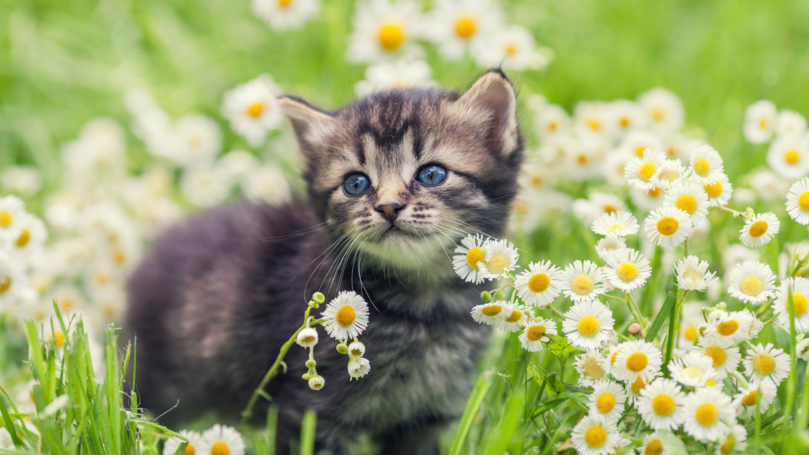
May through September is cat breeding season, and a “kitten wave” sweeps in during this period. It’s easy to find a litter of kittens tucked in a dark corner — but before you assume they’ve been abandoned, take a moment to observe carefully before stepping in. That way, every kitten has the best chance of growing up healthy!
【What to do when you find a kitten】
1. Don’t rush to take them away
If you spot a kitten alone in a dark corner, don’t touch them or take them away just yet. First, check whether the mother cat is nearby — observe from a distance for at least three hours. A shorter observation window may not be enough to tell whether the mother has truly abandoned the kitten or is simply out foraging or moving the litter. Getting too close will make the mother wary and she won’t come back.
2. Assess the environment
If you find a kitten in a dangerous location — such as the roadside, a fast lane, an area with aggressive stray dogs, or somewhere known for animal abuse — it’s okay to move them somewhere safe.
If you spot where the mother cat hangs around, consider leaving out some food and fresh water so she doesn’t have to roam far to eat.
3. Avoid handling the kitten unless absolutely necessary
If you do need to move a kitten from a dangerous spot, slip a plastic bag over your hand so your scent doesn’t transfer to them — never wrap them in clothing, as fabric carries human scent. If a kitten smells like a human, the mother may reject them, which significantly lowers their chances of survival.
![[Pet care] Kitten season is here — what to do when you find a stray kitten: 2 right approaches and 7 care tips from Fluv](https://ifluvyou.com/blog/wp-content/uploads/sites/2/2021/04/pet-care-kitten-season-2-correct-ways-7-care-methods-2-1024x576.png)
【How to tell if a kitten has been abandoned】
1. Time of day
1. Daytime: If you find a kitten during the day, observe for a long time — daytime is when the mother cat goes out to find food.
2. Nighttime: A kitten found at night is more likely to have been abandoned, so pay close attention to whether they’ve truly been left behind.
2. The kitten’s appearance
If the kitten looks clean and plump, they’re well-fed and being cared for by their mother. On the other hand, a dirty kitten — one that still has placenta on them — may have been abandoned.
![[Pet care] Kitten season is here — what to do when you find a stray kitten: 2 right approaches and 7 care tips from Fluv](https://ifluvyou.com/blog/wp-content/uploads/sites/2/2021/04/pet-care-kitten-season-2-correct-ways-7-care-methods-3.png)
【How to care for a kitten】
1. Take them to a vet first
This is the most important first step when rescuing a kitten. Have a vet assess their overall health, age, and weight, and check for infectious diseases, feline panleukopenia, parasites, fleas, and more. You can also ask the vet for detailed guidance on kitten care while you’re there.
Try to avoid taking them to a shelter — staff are usually very busy and understaffed, and a young kitten may not receive the level of care they need.
2. Keep them warm
Kittens under three weeks old cannot regulate their own body temperature. To prevent hypothermia, use a hand warmer or halogen lamp to keep them warm, maintaining a temperature of 29–32°C. If using a halogen lamp, don’t place it too close — test the warmth against your cheek first. Hand warmers should be wrapped in cloth to avoid direct contact with the kitten’s skin, and leave part of the space uncovered so the kitten can move away if they get too hot. Choose a soft fabric to give the kitten a sense of security, as if they were back with their mother.
On warm summer days, use your judgment about whether warmth is needed to avoid overheating — but if you’re in an air-conditioned room, warming is still necessary.
3. Keep them isolated
Stray kittens may carry infectious diseases such as feline panleukopenia or feline herpesvirus. Until the kitten has recovered or been vaccinated, keep them separated from any pets at home to prevent cross-infection. Remember to wash your hands with soap after handling the kitten before touching your other pets.
A kitten arriving in a new environment will naturally feel anxious. It’s a good idea to keep them in a crate for a few days — this helps them adjust, and also prevents your other pets from getting too curious or jealous and approaching too closely.
Bathing is dangerous for young kittens — it can easily cause hypothermia and physical exhaustion, and a sudden change in scent will also make them very unsettled.
To remove fleas or dirt, use a wet wipe or a well-wrung-out towel to gently wipe them down, then dry them thoroughly. Drying is essential — moisture can lead to skin infections or fungal issues.
5. Feeding
When you first rescue a kitten, don’t rush to feed them — a very hungry kitten may eat too fast and choke. Offer small, frequent meals instead.
Kittens aged 1–2 weeks need feeding every 2 hours; at 3–4 weeks, you can extend this to every 3–4 hours. Before each feeding, make sure the bottle is clean and sterilized, and that your hands are washed.
Always use kitten-specific formula — never regular cow’s milk, which can cause digestive upset. Milk should be kept at around 38–40°C — not too cold, not too hot. If you’re feeding more than one kitten, keep a bowl of warm water nearby to reheat the milk as needed.
During feeding, position the kitten in a prone position with their head raised about 45 degrees — never feed them on their back, as they may choke. If the nipple hole is too small, trim it slightly, but not too wide. To check, flip the bottle upside down — if milk drips continuously, the hole is too large. If the kitten can’t yet drink from a bottle, use a 1cc or 5cc syringe or feeding tube instead.
Feed the right amount — not too much, not too little. Since kittens’ bodies are still developing, overfeeding causes calorie loss they can’t store, while underfeeding causes their temperature to drop. Weigh the kitten daily to ensure they’re gaining weight — if weight stalls or drops suddenly, see a vet right away. Once a kitten reaches one month and starts teething, they can begin eating soft food or wet food. Kitten-specific wet food is a great choice, as it’s packed with protein and nutrients ideal for this stage of growth.
After feeding, gently pat the kitten’s back to help them burp, and check whether their belly looks round and smooth without wrinkles — if not, they may need a little more food. You can also use a wet wipe to gently clean their face, mouth, chin, paws, and feet to keep them fresh and tidy.
6. Stimulating urination and bowel movements
A young kitten’s digestive system isn’t fully developed, so they can’t eliminate on their own. Before and after each feeding, help them go by gently wiping around the anus with a cotton cloth or tissue dampened with warm water. This stimulates elimination. Without this help, a kitten with a full bladder and bowel may lose their appetite entirely.
At four weeks old, kittens can walk and it’s time to start introducing them to the litter box. After feeding, when it’s time to stimulate elimination, place them in the litter box and gently hold their paw to make a digging motion. Dig a small hole, then position the kitten’s bottom over it. If they don’t go, keep repeating the motion until they do. Once they’ve finished, guide their paw to cover it up — this helps them learn how to use the litter box.
Since kittens can’t be bathed yet, if they get feces on their bottom, simply wipe it clean with a wet wipe.
7. Deworming and vaccination
Kittens can begin external parasite treatment at 6–8 weeks. At around six weeks, internal deworming and a health check are recommended. At three months, they can receive a three-in-one vaccine to build immunity and protection.
Kittens are absolutely adorable, but caring for them takes a lot of patience and time — and even then, there’s no guarantee every kitten will make it. So when you come across a kitten, first confirm whether they’ve truly been abandoned, then honestly assess whether you have the energy and time to care for them. And on the lighter side — if your kitten is too hyper to sleep, try playing soft music or nature sounds!
Did you enjoy this article? Feel free to share it, and follow Fluv on Facebook and Instagram for more helpful tips!
🐾 Fluv special offers | Limited-time deals for dedicated pet owners
#Your pets are family — they deserve the gentlest care!
🎁 Available on all services
💟 New customers only: enter promo code 【#HOME300】 to get $300 off (minimum spend $400)
👉 Looking for a caring, professional pet sitter for your fur baby?
Download the Fluv app now: fluv.com
Enjoyed this article? Share it with fellow pet lovers!
🐕 For more practical tips and care advice, follow us:
Facebook: @fluv.pet
Instagram: @fluv.pet
YouTube: @fluv_tw
Fluv website: www.fluv.com
Views: 2289
Fluv special offers | Limited-time deals for dedicated pet owners
#Give your pet the best — and the most fitting care
If you’d like your pet to enjoy a more personalised, home-like care experience, why not try Fluv’s in-home pet sitter service?
🎁 New customers: enter promo code
#UNEW95
Book now and enjoy 5% off!
👉 Looking for a caring, professional pet sitter for your fur baby?
Views: 3534
 English
  Chinese