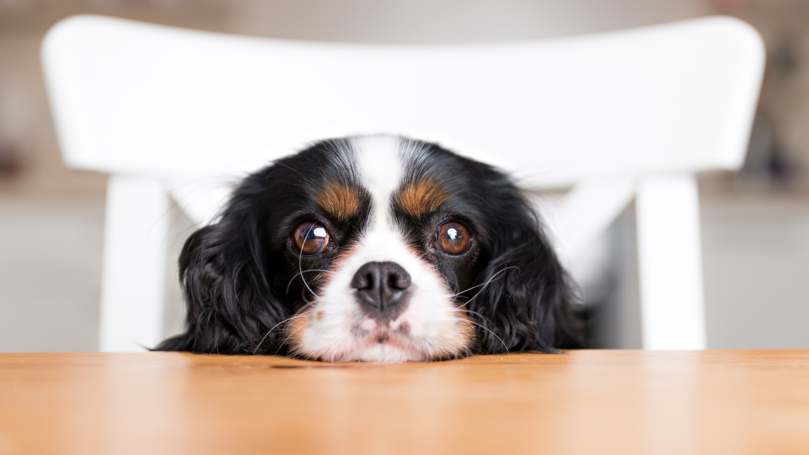
Have you ever experienced this? The moment you pick up your keys to head out, your dog starts getting anxious — or you come home after work to find the house looking like it’s been hit by a tornado, with neighbors complaining about non-stop barking? This isn’t your dog being “naughty.” It could be a sign of dog separation anxiety.
Separation anxiety is one of the most frustrating challenges for pet owners — but with the right training and support, it can get better. This article covers 5 common causes, typical symptoms, and 8 practical methods to help soothe and train your dog so you can both get back to a peaceful life.
Table of contents
- What is dog separation anxiety?
- 5 common causes of dog separation anxiety
- Separation anxiety symptom checklist: how many does your dog have?
- How to help a dog with separation anxiety: 8 tips
- Why a pet sitter is better than a pet hotel
- FAQ: common questions about dog separation anxiety
- Fluv special offers
What is dog separation anxiety?
👉 Watch and learn
Dogs are highly social animals with a strong attachment to their owners. Dog separation anxiety refers to a state of extreme panic and distress that occurs when a dog is separated — or anticipates being separated — from their attachment figure (usually their owner). This goes beyond an emotional response; in severe cases, it can also affect a dog’s physical health.
5 common causes of dog separation anxiety
-
Breed and temperament: Breeds like Poodles, Pomeranians, Bichon Frises, and herding dogs tend to be naturally clingy and dependent, making them more prone to separation anxiety.
-
Environmental changes: Dogs that have recently moved, been boarded, or newly adopted may feel insecure and anxious in unfamiliar situations.
-
Over-dependence: If a dog grew up with their owner around 24/7 — such as during work-from-home periods — returning to a regular office schedule can make being alone feel unbearable.
-
Past trauma: Dogs that have been abandoned, abused, or adopted from shelters often develop anxiety from a deep fear of being “left behind” again.
-
Changes in the household: A family member moving out, the arrival of a newborn, or a new pet joining the family can all shift a dog’s sense of security and place in the home.
Separation anxiety symptom checklist: how many does your dog have?
If your dog shows any of the following behaviors when you’re getting ready to leave or after you’ve gone, it may be a sign of separation anxiety:
-
Anxiety at pre-departure cues: Trembling, drooling, or pacing the moment they see you pick up your keys or put on your shoes.
-
Persistent barking or whining: Starts barking the moment you leave and keeps going for a long time (the most common cause of neighbor complaints).
-
Destructive behavior: Chewing furniture, scratching at doors, shredding shoes — usually near the exit, as they’re trying to find a way to reach you.
-
Indoor accidents: A dog that’s been toilet trained reliably suddenly loses control and urinates indoors when left alone.
-
Physical symptoms: Refusing to eat or drink, excessive panting, drooling.
-
Self-harm: Obsessively licking their paws or legs until the skin becomes red and raw, or even biting their own tail.
How to help a dog with separation anxiety: 8 tips
Improving separation anxiety takes patience. A good approach tackles it from three angles: managing the environment, behavior training, and outside support.
1. Desensitization: break the “leaving = fear” association
This is the most fundamental fix — the goal is to make your dog indifferent to the signals that you’re about to leave.
-
Step 1 (reduce pre-departure sensitivity): Pick up your keys, put on your coat — then sit back down on the sofa and watch TV. Don’t leave. Repeat this several times a day until your dog no longer reacts to these actions.
-
Step 2 (brief separations): Walk out the door, close it, then come back after just 1 second. If your dog is calm, reward them. If they’re agitated, ignore the behavior.
-
Step 3 (gradually increase duration): Slowly extend your absence to 30 seconds, 1 minute, 5 minutes. Build up gradually — don’t rush the process.
2. Crate training
Turn the crate into your dog’s “safe haven,” not a punishment. Line it with clothing that smells like you, and feed treats inside so your dog associates it with “crate = safe + good things happen.”
3. Practice being independent
Even when you’re home, occasionally let your dog play alone in a room with their toys. Don’t let them follow you around everywhere — building independent confidence now makes a big difference later.
4. Enrichment and anxiety-relief toys
Before you leave, provide durable chew toys (like a food-stuffed KONG) or puzzle feeders. These redirect your dog’s attention and help them associate your departure with “something tasty to work on,” while also tiring out their brain and reducing anxiety.
5. Exercise before you leave
“A tired dog is a happy dog.” Take your dog for a walk, a sniff session, or a run before heading to work. Once that extra energy is burned off, they’ll be much more likely to settle and rest while you’re gone.
6. Keep departures and arrivals calm
Don’t make a big production of leaving, and when you come home, resist the urge to burst in shouting “I’m back, baby!” Stay calm and low-key — wait until your dog has settled before giving them attention. The goal is for them to feel like “coming and going is no big deal.”
7. Consult a vet (medication)
If your dog is showing severe self-harm behaviors, refusing to eat, or experiencing panic attacks, consider consulting a vet or an animal behavior specialist. Anti-anxiety medication can help calm the brain and make behavioral training more effective.
8. Use a pet sitter as backup support during training
Training takes time — there’s no overnight fix. Before your dog has learned to cope alone, forcing them to stay home alone for long periods can make the anxiety worse.
In the meantime, enlisting a professional pet sitter is the best interim solution.
Why a pet sitter is better than a pet hotel
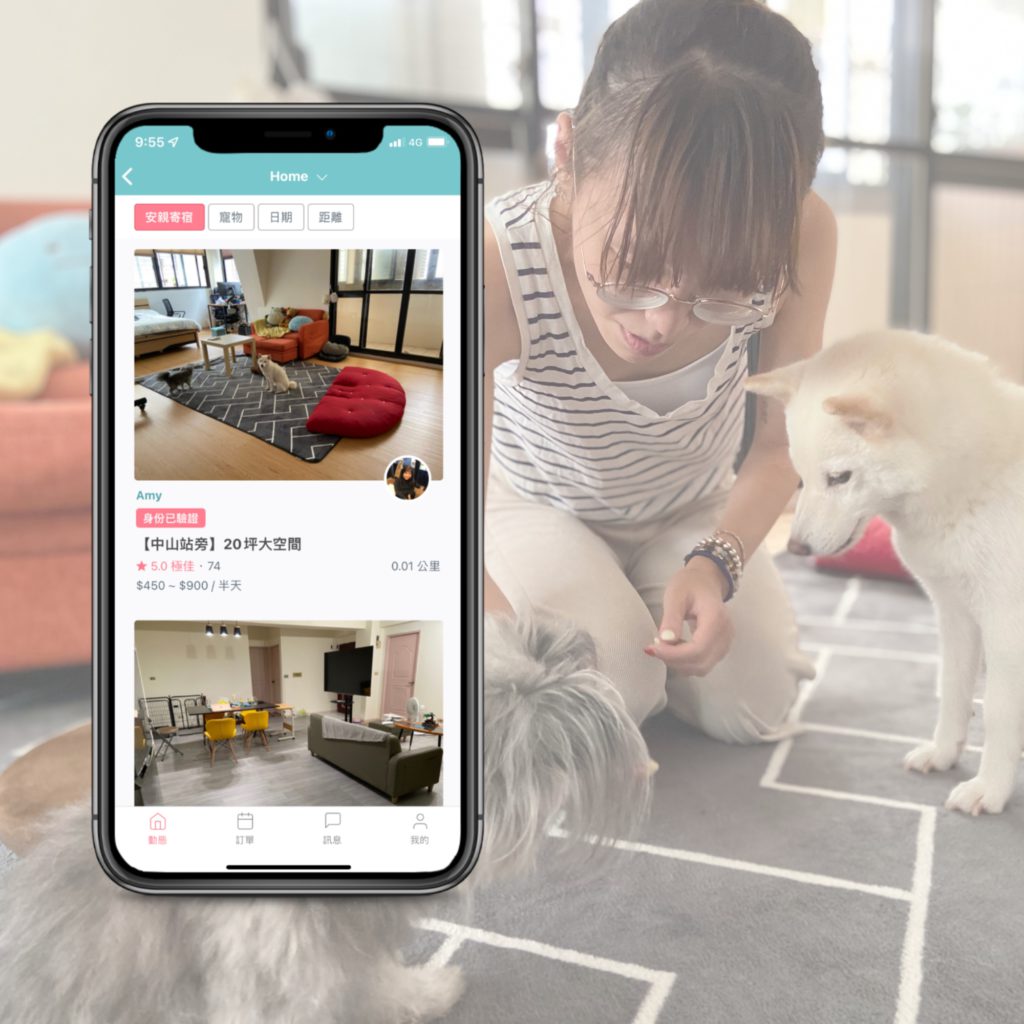
For dogs with separation anxiety, being placed in an unfamiliar environment like a pet hotel often adds even more stress. Fluv’s in-home pet sitter service offers distinct advantages:
-
Familiar surroundings: Your dog stays in their own home, keeping that sense of security and avoiding the secondary anxiety that comes with a new environment.
-
One-on-one attention: The sitter focuses entirely on your dog — cuddles, playtime, companionship — filling the gap your absence leaves.
-
Consistent routine: The sitter follows your dog’s usual walk and feeding schedule, keeping their daily rhythm intact.
-
Real-time updates: Photo and video updates sent through the app let you stay in the loop while you’re at work.
📌 No one home during the day? Try our dog daycare service
If you work long hours, consider Fluv’s dog daycare service as an extra layer of support.
Daycare provides structured companionship and activities at set times — feeding, walks, sniff games — to burn off energy and beat boredom. For dogs undergoing separation anxiety training, it’s a great supplement: it helps them gradually get used to the idea that “even when my owner isn’t here, someone still comes to play with me,” easing them into alone time step by step.
👉 Book a nearby pet sitter or daycare service now
FAQ: common questions about dog separation anxiety
Q: Will a dog with separation anxiety get better on their own?
Usually not. If left untreated, separation anxiety tends to worsen over time and can develop into obsessive behaviors or more severe destructive habits. It’s best to start desensitization training or seek professional help as early as possible.
Q: Is dog daycare a good option for dogs with separation anxiety?
Absolutely. Daycare or in-home pet sitting provides a “midday intervention” that breaks up the prolonged panic of being alone. With a sitter’s companionship and guided activities, your dog gradually builds a sense of security — making it a very effective support tool during separation anxiety treatment.
Q: Will getting another dog solve separation anxiety?
Not necessarily. A dog’s separation anxiety is usually tied to their attachment to a specific person (their owner), not simply a fear of being alone. A new dog may not fill that role, and in some cases the two dogs can feed off each other’s anxiety. It’s best to consult a trainer before making that decision.
If your dog’s separation anxiety symptoms are severe, please consult a professional.
Fluv special offers | Limited-time deals for devoted pet owners
#The best thing for an anxious pet is the familiarity of home
Worried that a pet hotel might make your dog’s separation anxiety worse? The truth is, what dogs need most isn’t a fancy stay — it’s one-on-one companionship and a sense of security. Try Fluv’s in-home pet sitter or home-based daycare service, and let your dog be gently cared for by a professional sitter in the comfort of their own home — no unfamiliar surroundings, no panic.
Book now and give your pet peace of mind
🎁 New users: enter promo code
#UNEW95
Book now and enjoy 5% off!
👉 Looking for a caring, professional pet sitter for your dog?
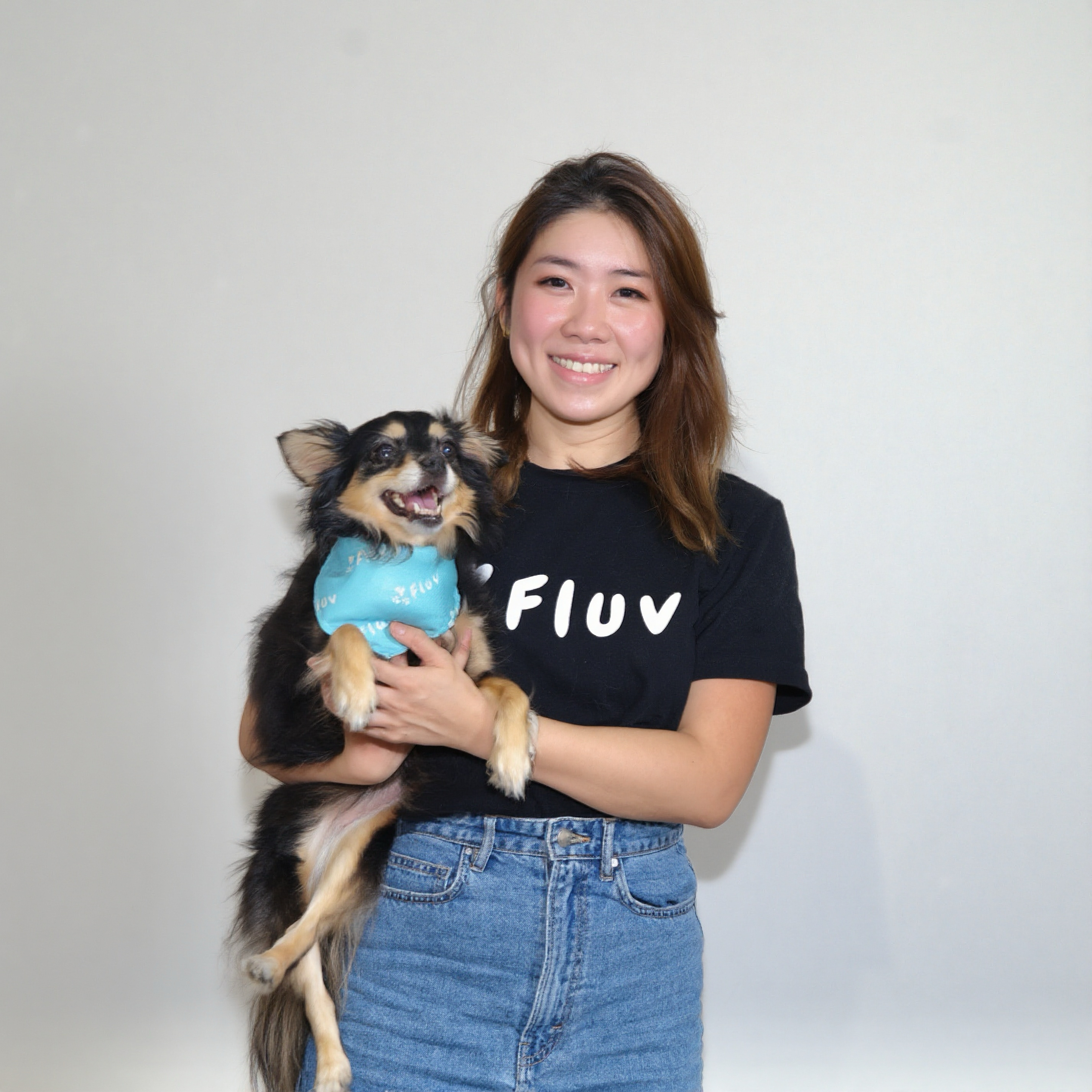
Fluv founder Candace Chen
Forbes 30 Under 30 Asia | 2024 Tatler Gen.T Leaders of Tomorrow
As the founder of Fluv, Candace has used her exceptional business vision and drive to build the brand into Taiwan’s largest and most trusted pet care platform.
- World-class recognition: Named to the Forbes 30 Under 30 Asia list and selected as a 2024 Tatler Gen.T Leader of Tomorrow.
- Backed by top investors: Successfully secured investment from Twitch co-founder Kevin Lin and impact venture fund SIC.
- Market leader: Led Fluv to a network of over 7,000 vetted professional sitters, earning the trust of 140,000 members.
Further reading:
- [Pet hotel prices and recommendations] Is your pet staying somewhere safe? Tips for choosing the right stay with Fluv
- Should your dog stay at a pet hotel? A complete guide to costs and what to prepare before check-in
This article was put together by the Fluv team. If your dog’s anxiety symptoms are severe, please consult a professional veterinarian or animal behavior trainer.
Views: 79621
 English
  Chinese