
Can cats really be trained? 8 common misconceptions about cats — how many did you believe?

People often say the world is divided into dog people and cat people. As someone who has loved both their whole life, I’d like to point out that these two aren’t mutually exclusive. You can absolutely appreciate what makes each animal unique.
People who don’t like cats tend to have a lot of opinions on the matter, and they’re not shy about expressing them. Many say, “They’re cold and aloof.” Others insist, “They treat humans like servants.”
The truth is, there are plenty of misconceptions about cats — from their personalities and diets to all sorts of puzzling behaviors.
My cat Floyd has shattered nearly every cat stereotype out there (except maybe the “all cats are lazy” one), so I did a bit of research. I’m here to set the record straight for our beloved furry friends.
Here are some of the most common misconceptions people have about cats.
-
Myth: cats don’t have feelings
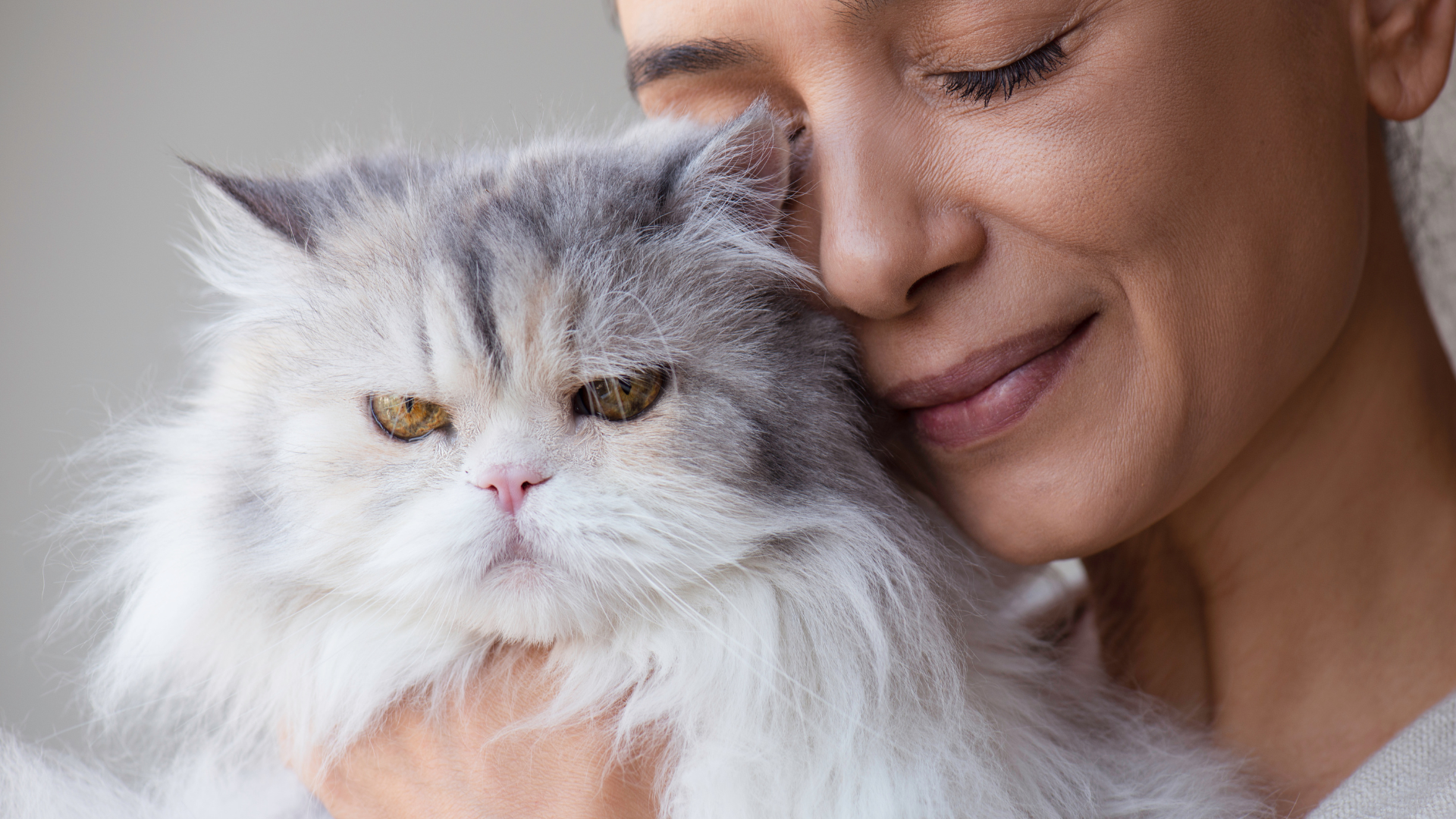
Cats have a reputation for being distant and solitary. But just because they don’t follow our every move and gaze at us with adoring eyes the way clingy dogs do, that doesn’t mean they aren’t emotionally rich animals capable of forming deep bonds with their owners.
Personally, after I’ve been away from home for a few hours, my cat is all over me the moment I walk in. He loves curling up on my lap and happily lets my daughter pet him.
Some breeds are especially affectionate. Ragdolls, for example, are known for their tendency to go limp in their owner’s arms. Bombay cats like to stay close to their people, often following them from room to room. And the charming Siamese is generally very sociable — happy to play with other cats, children, and even strangers.
-
Myth: cats can’t be trained

Cat skeptics might tell you that cats are not intelligent animals and don’t care about pleasing their owners. But PetMD says otherwise — training a cat is entirely possible. It’s more challenging than training a dog, sure, but it’s definitely doable.
If you want to teach your cat to fetch or shake hands, experts recommend using positive reinforcement and plenty of motivation (think: treats). Some breeds are particularly easy to train, including the intelligent Maine Coon, the clever Siamese, and the puzzle-loving Manx. According to Vetstreet, the sharp-minded Abyssinian can even be trained to compete in agility courses.
-
Myth: cats hate water
Some cats may be reluctant around water, but this one is only half true. Sure, some cats want nothing to do with it — but others absolutely love it (mine included).
If your cat tends to prefer running water over a still bowl, that’s likely instinct at work. In the wild, cats avoid stagnant water because it’s more likely to be contaminated — flowing water is cooler and fresher.
While most cats aren’t fans of bath time, certain breeds have a genuine affinity for water. The Turkish Van (aptly nicknamed the “swimming cat”), the Maine Coon, and the Bengal all enjoy a good splash now and then.
-
Myth: there’s nothing a cat loves more than a bowl of fresh milk
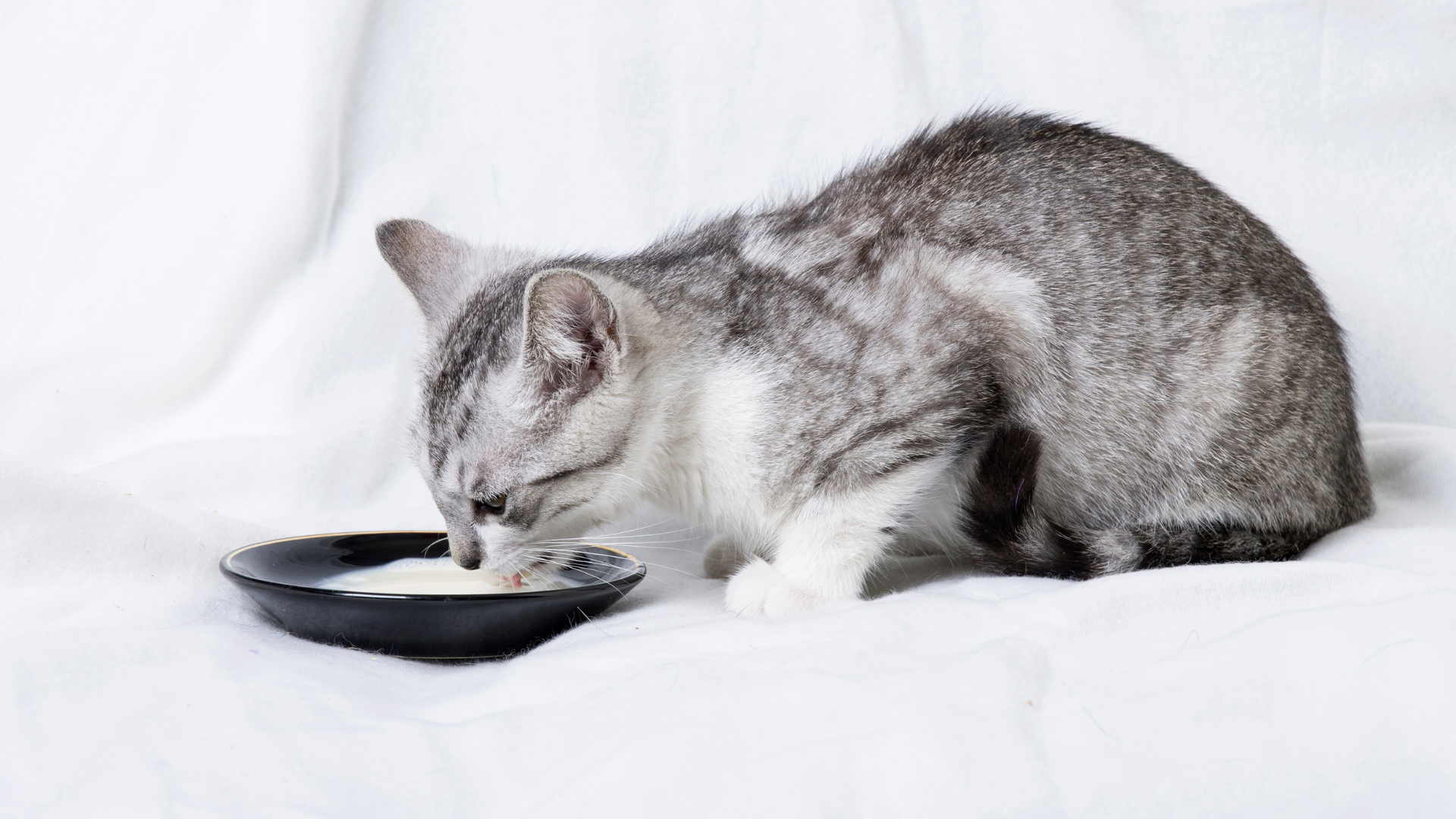
A bowl of milk might seem like the perfect treat for a hungry kitten. The reality, however, is that no matter how much a cat seems to enjoy the taste, milk is not good for their digestive system.
According to VCA Hospitals, cats can only process lactose during the first 12 weeks of life. Once a kitten is weaned, it loses the ability to digest milk. Most vets therefore recommend avoiding giving milk to cats altogether.
Dr. Sara Ochoa, a small and exotic animal veterinarian in East Texas, confirms the negative effects of milk on cats. She explains that large amounts of milk can cause stomach upset and diarrhea — not to mention the extra calories in milk can contribute to feline obesity. It’s best to skip the milk.
-
Myth: cats destroy things out of spite
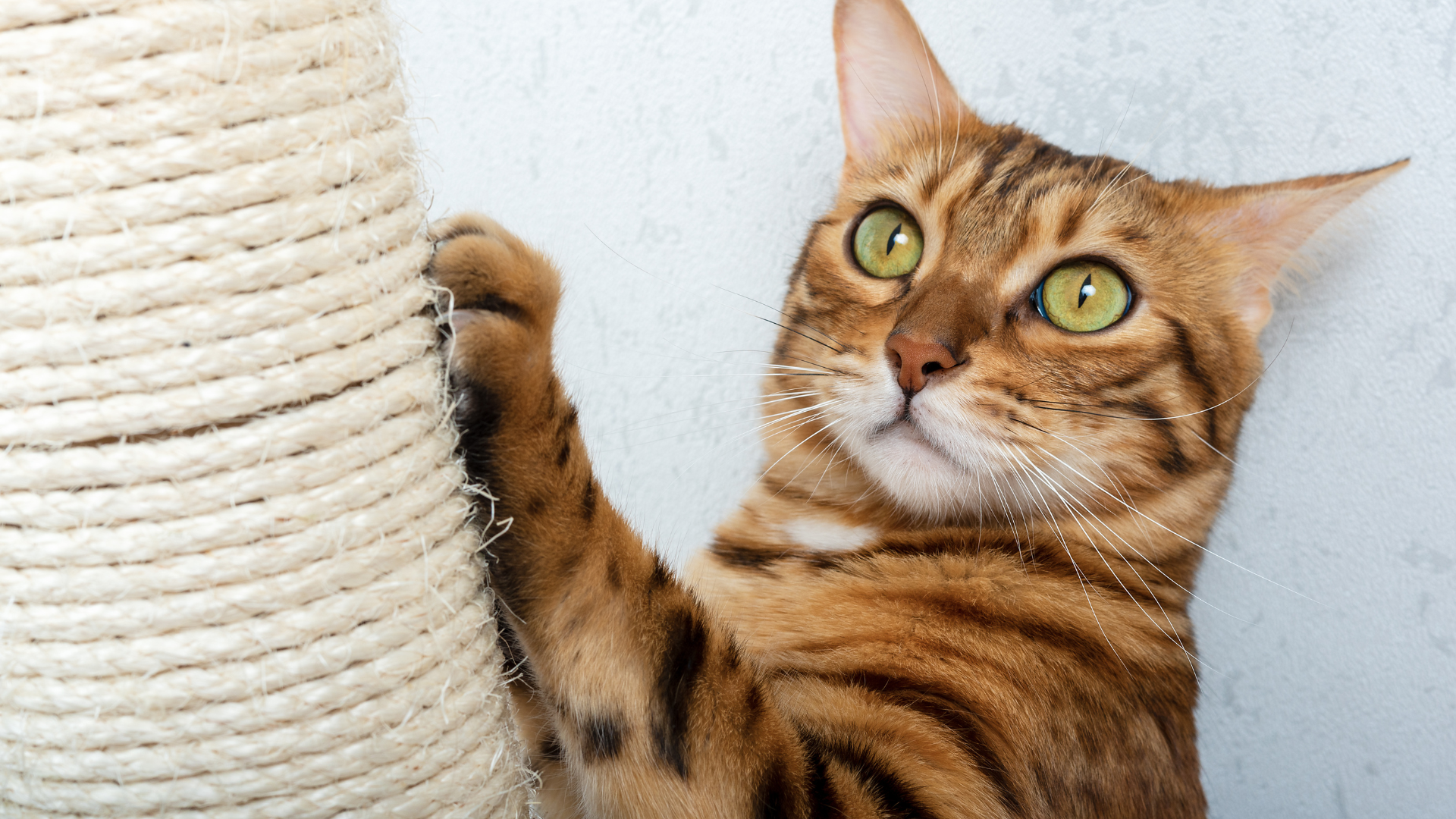
Is your cat’s destructive scratching driving you up the wall?
The truth is, cats don’t scratch your furniture out of spite. According to the ASPCA, cats scratch to remove the dead outer layer of their claws, revealing the fresh new nail underneath.
Cats also scratch specific surfaces to mark their territory and give their claws a workout. The key thing to remember: scratching is a natural behavior — it’s not your cat getting revenge on you.
-
Myth: cats are lazy creatures
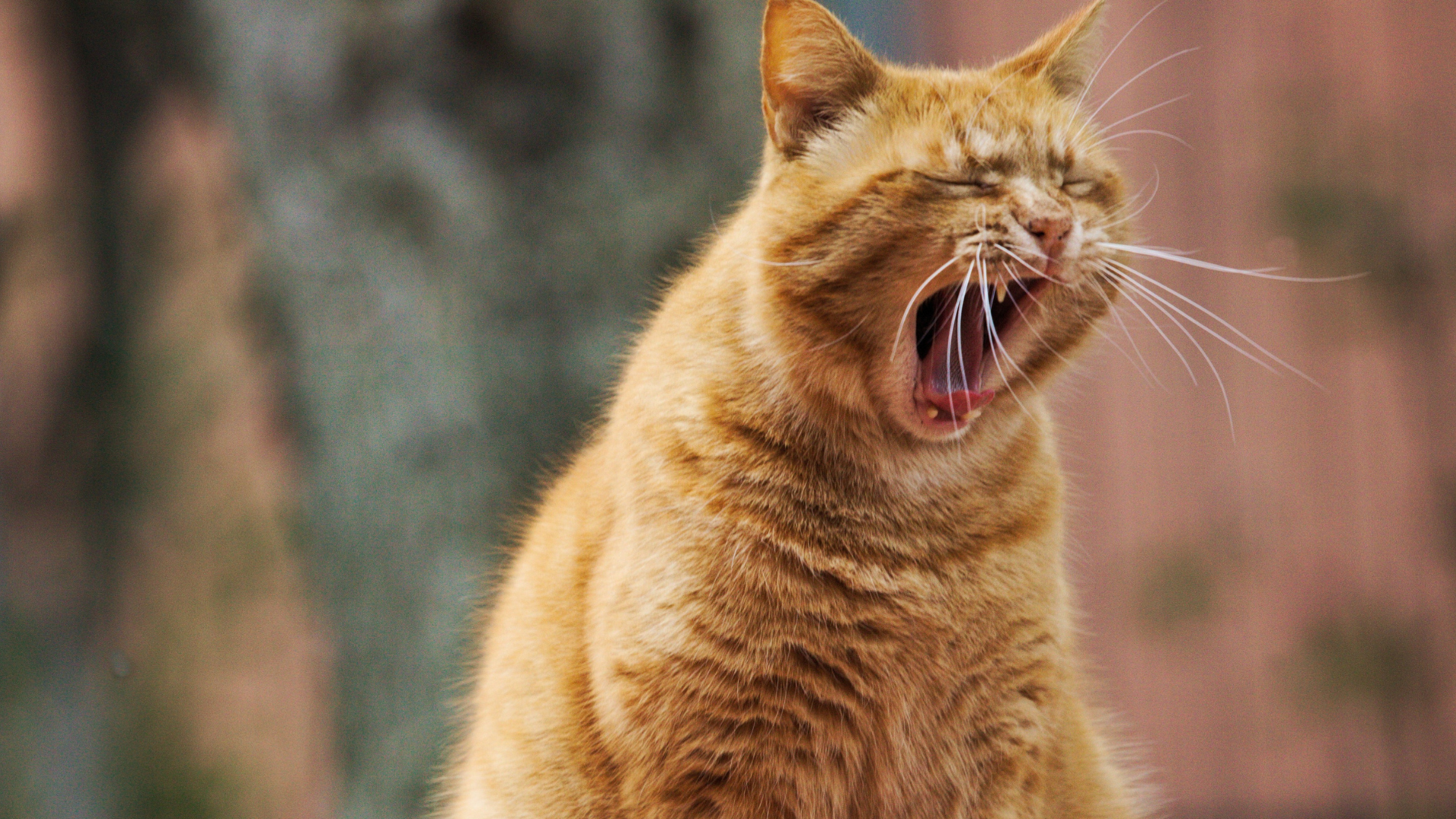
Cats typically sleep 16 hours a day — sometimes up to 20! While that might make them seem like the ultimate couch potatoes, the reality is that cats’ sleep patterns are far more complex than ours.
Despite all those naps, cats rarely enter the deep sleep that humans do — they tend to stay in a lighter, more alert state.
Why? It comes down to their role as natural predators. Unlike us, cats are always ready to spring into action at a moment’s notice, even while resting. So even if your cat looks completely zonked out, their senses are still sharp enough to react in an instant.
Just as some breeds love water, others are perpetually on the go. The wild-looking Savannah cat and the Exotic Shorthair will keep you on your toes with their energetic antics.
-
Myth: cats always land on their feet
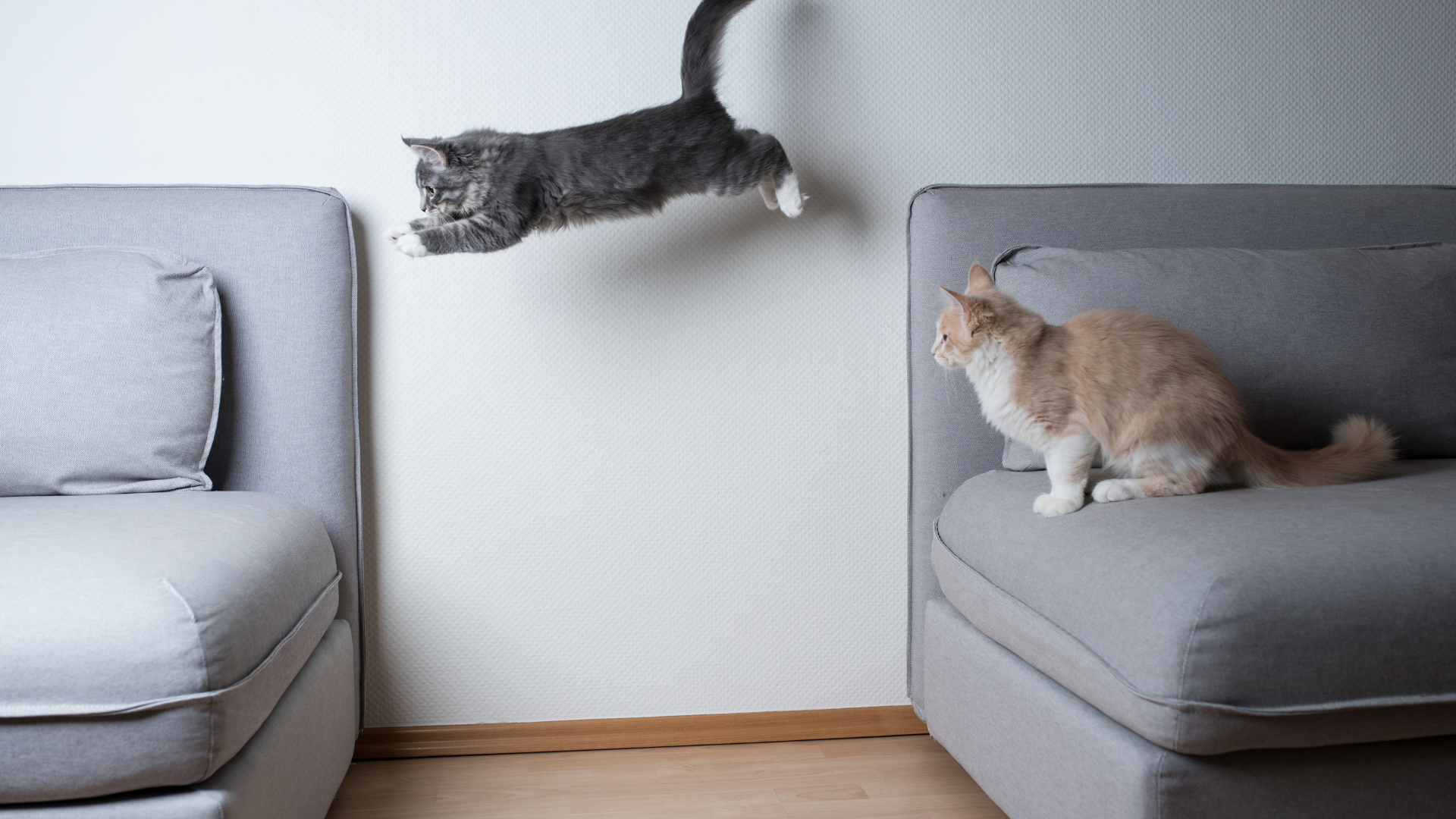
Cats are more graceful than most animals. And while they often manage to land in seemingly impossible situations, they don’t always stick the landing 100% of the time.
Their ninja-like agility is partly thanks to their ability to rotate their spine in ways we humans simply can’t. However, if a cat doesn’t have enough time to complete that maneuver, they can land awkwardly and sustain serious injuries, as PetMD points out.
Make sure your windows and balconies are secure to keep your cat safe.
-
Myth: cats can see in the dark
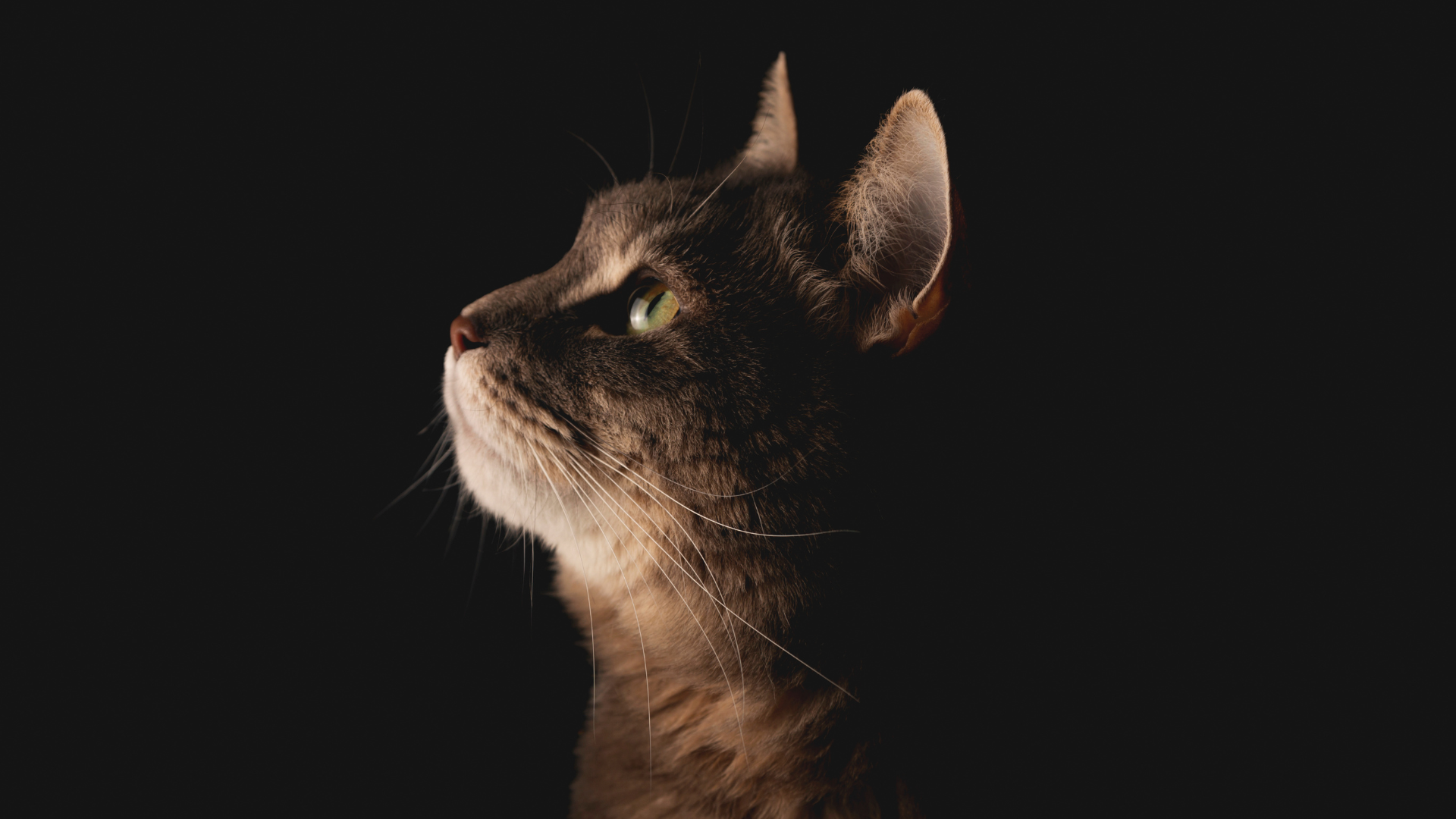
While cats can see better in low light than we can, they don’t actually have true night vision. Just like humans, cats’ eyes need some light to see clearly. So even if your cat is roaming the house after everyone else has gone to bed, they don’t have any superhuman ability to see in complete darkness.
Cats are mysterious creatures, so it’s no surprise that so many myths have built up around them. But those of us who love cats know the truth: our feline friends are gentle, friendly, and smart — and we adore them whether or not they’re flawless ninjas with perfect night vision.
Author: Liz Coleman
Article translated from: ‘8 Things People Get Totally Wrong About Cats’ https://www.rover.com/blog/things-people-get-totally-wrong-about-cats/
Enjoyed this article? Feel free to share it! For more fun and interesting reads, follow Fluv on Facebook and Instagram!
Facebook: Fluv Instagram: @fluv.pet
Fluv website: Fluv.com
Views: 10
Views: 10
Views: 10
Views: 10
Views: 10
Fluv special offers — exclusive deals for devoted pet lovers
#Give your pet the best — and the best fit
If you’d love to give your pet a more personalized, home-like care experience, why not try Fluv’s in-home pet sitter service?
🎁 New users — enter promo code
#UNEW95
Book now and enjoy 5% off your first booking!
👉 Ready to find the perfect sitter for your pet?
Views: 669
 English
  Chinese