Table of contents
Cats can be hard to read, but they communicate through sounds and head rubs. Feline behavior expert Stephen Quandt points out that a cat’s eyes are a direct channel of communication — their unique vertical slit pupils can express a far wider range of nuance and emotion than human eyes. Learning to read your cat’s gaze not only helps you accurately gauge their health and needs, but also builds a deeper, more meaningful bond. This article takes you on a deep dive into the visual language of felines, so you can become the truly attentive cat parent your kitty deserves.
How do we know what a cat’s eyes mean?
A cat’s eyes can convey a wide range of emotions, including fear, excitement, anger, trust, and affection.
That said, it’s important to observe your cat’s eyes in context, says Quandt. For example, dilated pupils could signal excitement or fear — what it actually means may depend on whether your cat is playing with a brand-new toy or you’ve just pulled out the vacuum cleaner. Cats’ pupils can also dilate in lower light conditions.
Beyond pupil dilation, you’ll also want to factor in body language cues such as ear position, whisker position, tail position, and vocalizations.
Here are six common cat eye behaviors and what they mean:
1. The slow blink
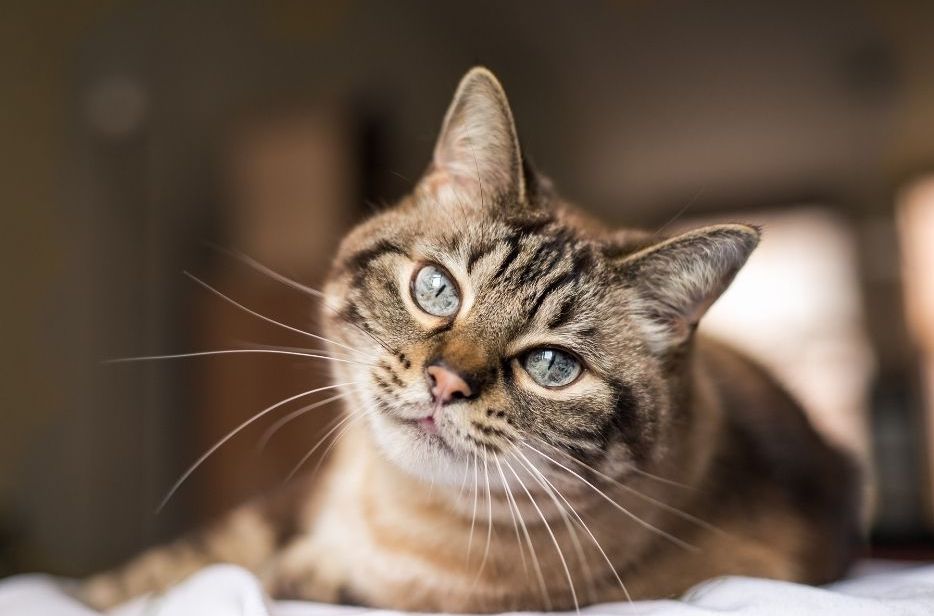
The slow blink — sometimes called the cat smile — is a way cats express love and trust. This positive form of communication involves half-closed, relaxed eyes. It conveys a sense of vulnerability, so you can think of it as your cat feeling safe and comfortable around you, says Quandt.
“A cat worried about a threat wouldn’t close its eyes in front of that threat, even briefly,” Quandt says.
If you pay attention to your cat’s body language, you may also notice other signs of contentment, such as:
- Purring
- Upright ears
- Coming close to you or resting on you
- Lying down or sitting in a loaf position
- Kneading
- A slow-swaying tail, or a tail held upright and curled at the tip like a question mark
The best way to respond to your cat’s slow blink is to slow-blink right back! Evidence suggests cats interpret your slow blink as a positive signal and are likely to respond in kind. In fact, some experts believe this behavior is so widespread because people tend to reinforce it.
Communicating with your cat in their own “love language” can also help strengthen the bond between you.
2. When your cat’s eyes are half-closed
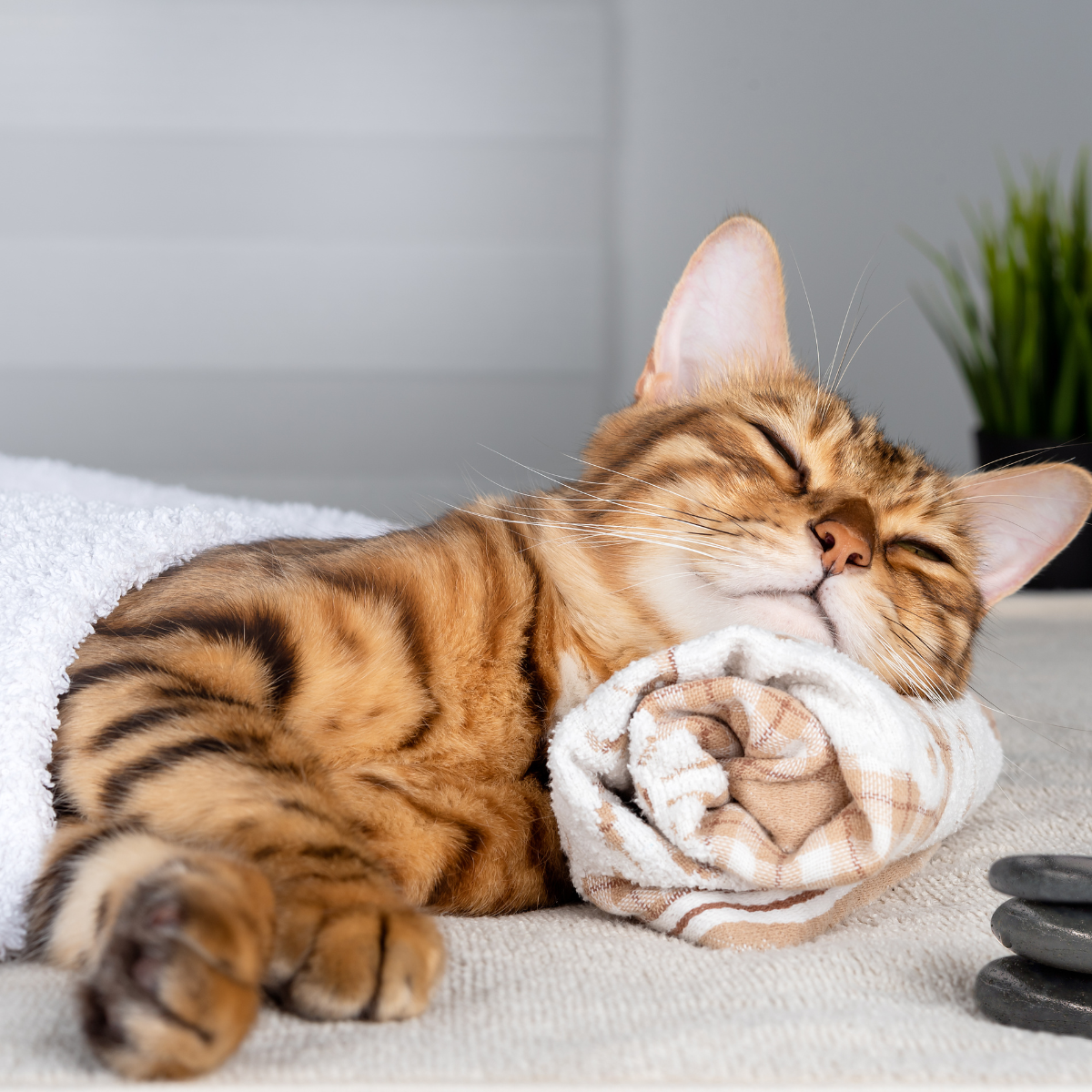
Cats also use their eyelids to communicate. If you notice your cat gazing at you with heavy lids, they’re likely feeling happy, calm, and relaxed.
“A comfortable, relaxed cat — perhaps lounging in a patch of sunlight — will look heavy-lidded when they’re at ease or about to doze off,” says Quandt.
You might also notice this eye behavior when you’ve just come home and your cat comes to greet you.
Other signs of a happy cat include:
- Chirpy meows and purring
- Ears upright and facing forward or slightly to the side
- Head-bunting against you
- Tail held upright, gently swaying, or curled into a question mark at the tip
- Lying in a loaf position or rolling over to show their belly
To keep your cat happy, try bringing out their favorite toys — whether that’s a wand toy or a catnip mouse. You can also let them curl up on your lap or drape themselves over your shoulder.
3. The stare
Most cat owners know that cats sometimes like to stare — at you, at the wall, or even at a half-empty food bowl. Like many feline behaviors, staring can mean different things.
“A cat staring at you might be feeling aggressive, but you have to look at what else is going on with the cat to figure out why,” says Dr. Mikel Delgado, certified cat behavior consultant, founder of Feline Minds, and cat expert at Rover.
Unlike a soft gaze (which may simply mean your cat wants something), prolonged eye contact with minimal blinking can signal dominance, aggression, or discomfort, according to the team at Harpeth Hills Animal Hospital. You may have inadvertently invaded your cat’s personal space or made them uncomfortable in some way.
Other signs of an agitated cat include:
- Growling or hissing
- Tail lashing
- Ears flattened or pinned back against the head
- Fur standing on end
- An arched, stiff back
If you find yourself on the receiving end of an intense feline stare, cat behaviorist Amanda Caron recommends avoiding direct eye contact. Your cat may perceive your gaze as a threat, especially if they’re already feeling tense or scared. Instead, offer a few gentle slow blinks to soften your gaze and help them feel more at ease.
Does your cat often fix you with an unrelenting stare while showing signs of irritation? Caron suggests stepping back and thinking about the bigger picture to better understand their needs. What just happened that might have caused them to feel annoyed or upset?
4. Full alert: wide eyes and dilated pupils
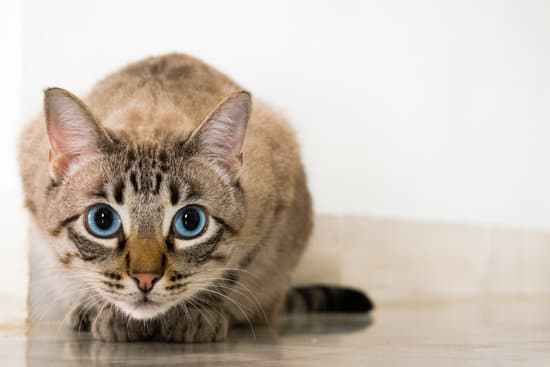
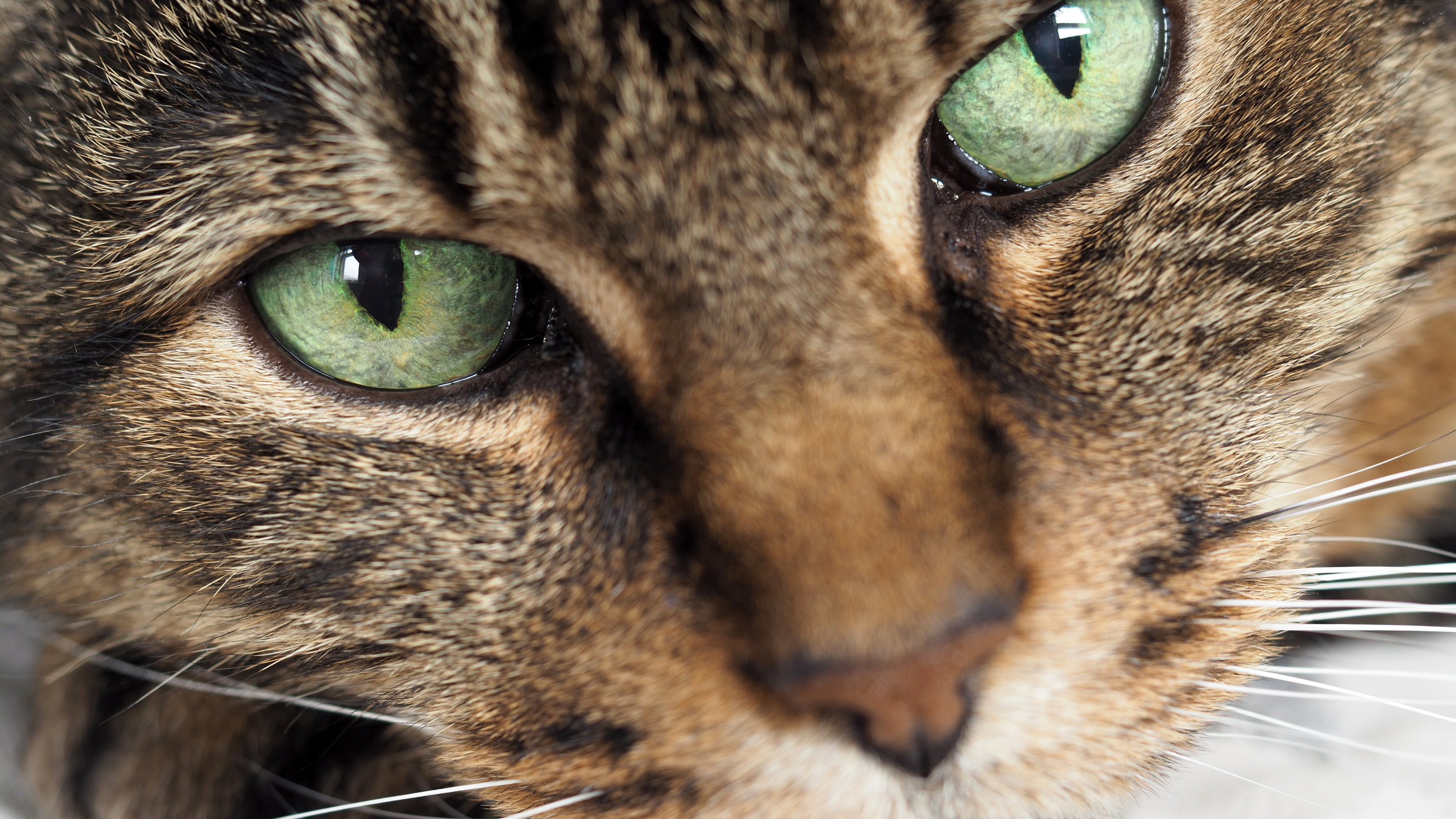
Wide eyes with dilated pupils are a clear sign your cat is on high alert and intensely focused. You’ll notice their eyes look round with raised lids, though you can still see some of the colored iris.
“Pupils dilate when a cat is excited or scared,” says Delgado. “It’s essentially the brain telling itself, ‘take in more information from the environment.'”
Quandt adds that their posture can provide more clues. For example, a low crouch with hindquarters raised and tail held low could mean playfulness — or a full-on attack.
You might also notice their pupils constricting slightly in this posture. That’s because a cat’s pupils expand or contract depending on how much they need to focus on a distant object, Quandt explains.
Other signs of an alert, curious cat include:
- Ears upright and facing forward or slightly to the side
- Whiskers pointed forward
- Chirping, chattering, or meowing
- Tail held upright with a curved tip, or parallel to the back
- Head raised high
5. Overstimulated pupils
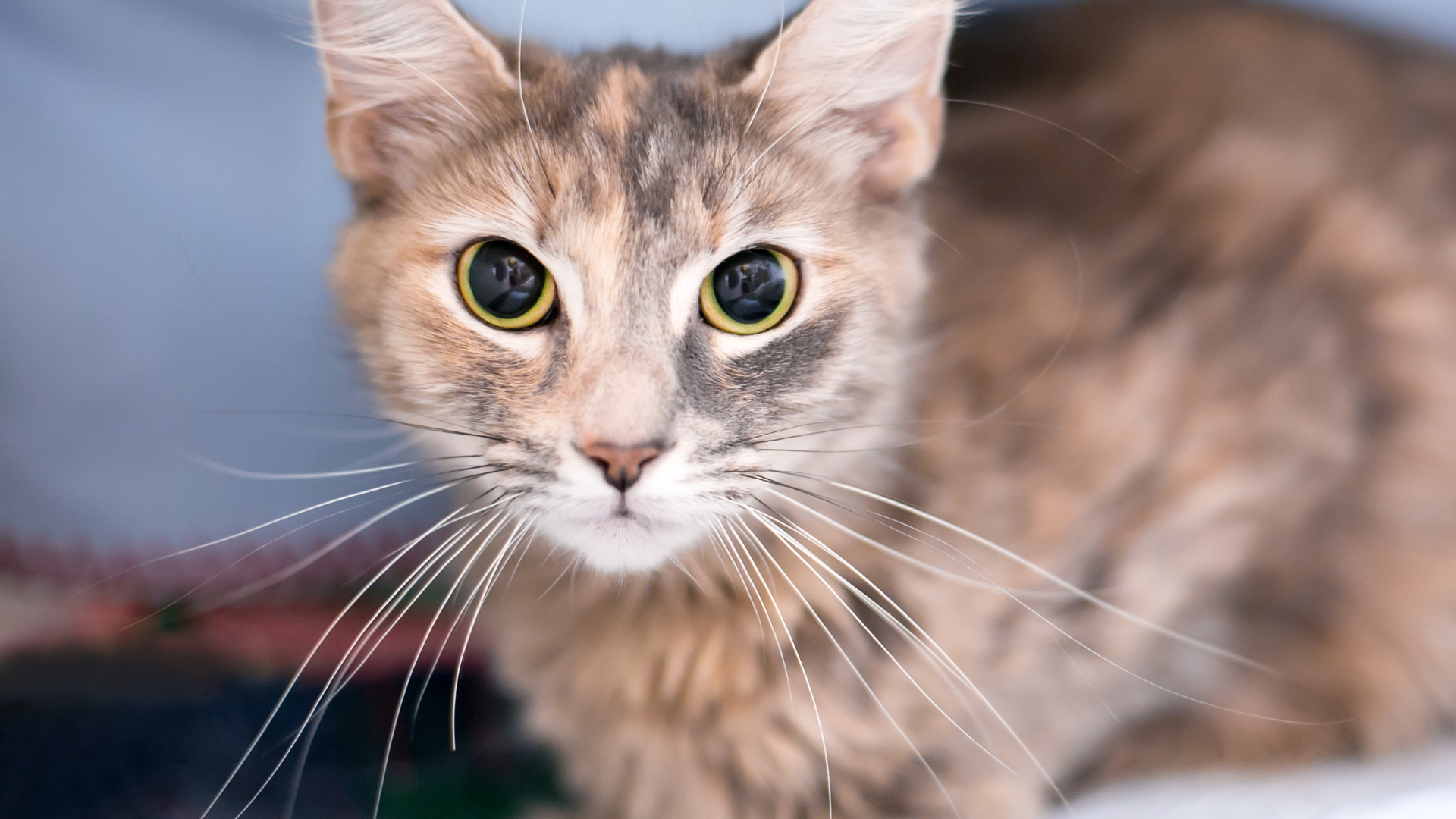
Your cat’s pupils going almost completely black might look adorable, but those dinner-plate eyes are a signal to take a break and stop the petting. This pupil expression clearly indicates overstimulation or anxiety.
“A cat under this level of stress is likely to have a heightened reaction because their fight-or-flight response is kicking in,” says Caron.
Cats are highly sensitive to human touch, and some reach their limit very quickly. If you keep petting them, they may scratch or bite you!
Keeping petting sessions short can help — let your cat decide the length, and stop as soon as they move away. You’ll also want to avoid certain “sensitive spots” like the belly or tail. Of course, this varies from cat to cat, but your cat will definitely let you know!
Anxiety can also trigger this pupil expression. Other signs of feline anxiety include:
- Crouching low to the ground
- Trembling or shaking
- Excessive meowing or yowling
- Hissing or spitting
- Tail flicking or puffed up fur
- Flattened “airplane” ears
- Rapid, excessive grooming
- Running away and hiding
Pinpointing the trigger for your cat’s anxiety isn’t always easy, especially if nothing obviously unusual has caught your attention. But giving your cat some space always helps. Rushing to comfort them can actually increase their stress.
If your cat regularly shows signs of anxiety and frequently has those wide “saucer” eyes, it’s worth consulting your vet. They can help rule out any medical issues that might be contributing to your cat’s agitation.
Another option is to make your home more calming, for example by:
- Installing a feline calming pheromone diffuser
- Using a calming collar or anxiety wrap
- Providing more mental stimulation, such as puzzle feeders or a bird feeder mounted outside a window
- Setting up motion-activated or battery-powered interactive toys
Sitter tip: If your cat tends to get anxious when you’re away from home, consider booking an in-home Fluv cat sitter to provide companionship and minimize the stress of environmental changes.
6. The narrow slit pupils
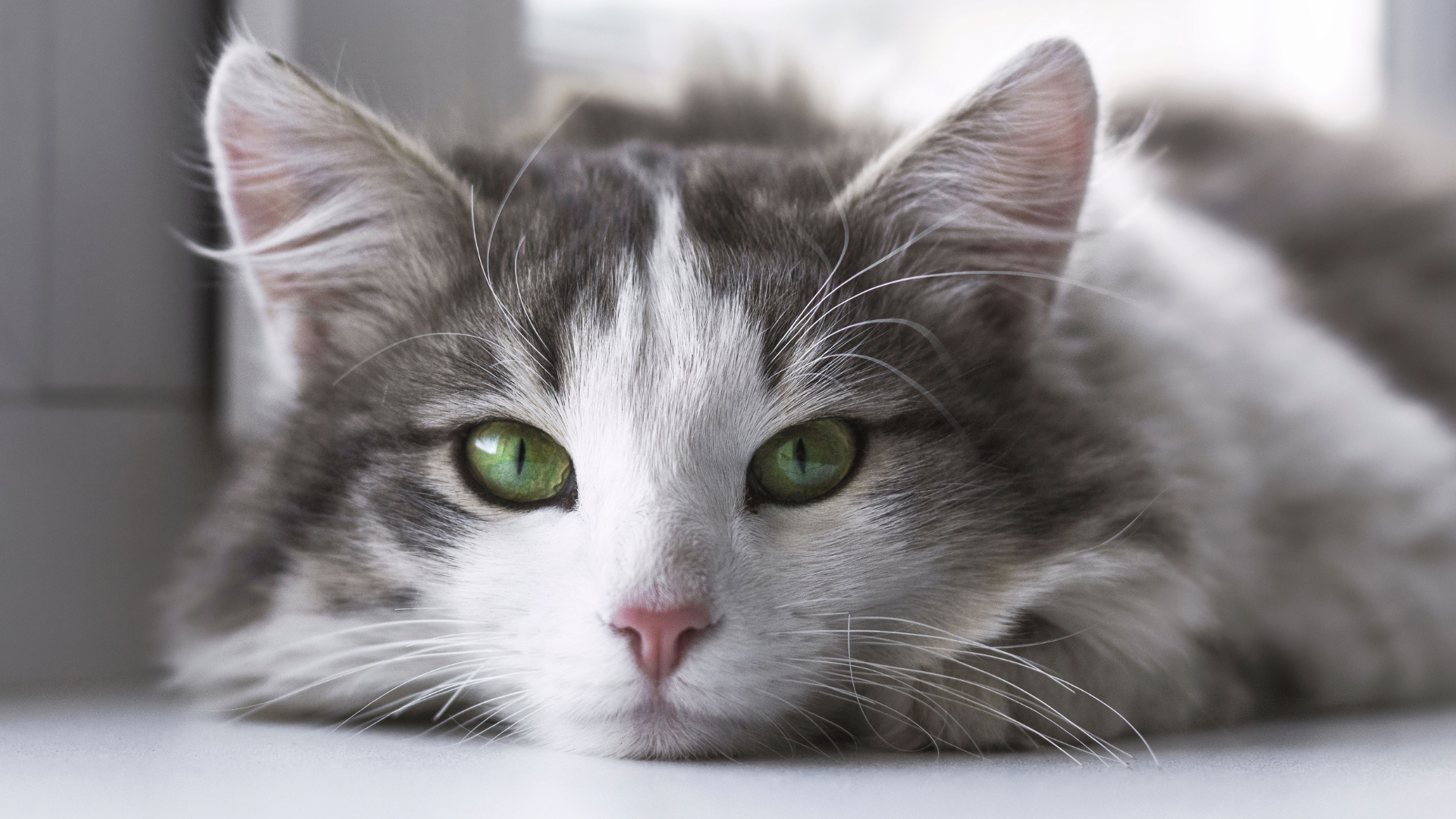
If you’ve ever watched a cat basking in the sun, you’ve probably noticed just how narrow their pupils can get.
But when you notice your cat’s pupils narrowing when they’re not in a brightly lit environment, it’s not always a relaxed moment. If a cat’s pupils constrict in dim light, it typically means they’re angry or ready to attack. You may also notice their eyes look squinted or half-closed.
“Simultaneously constricted eyelids and contracted pupils are usually a strong warning sign,” says Quandt, adding that rapidly contracting pupils mean a cat may be zeroing in on — and preparing to pounce on — something they’ve identified as prey.
Other signs of aggression indicating a cat is ready to fight include:
- Ears upright, angled back, or pinned flat against the head; a hard, direct stare
- Growling, yowling, hissing, and spitting
- Fur and hackles raised
- Tail twitching, thrashing, or held stiffly
- Crouching low or a rigid, tense body
- Bared teeth
Can changes in a cat’s eyes indicate health problems?
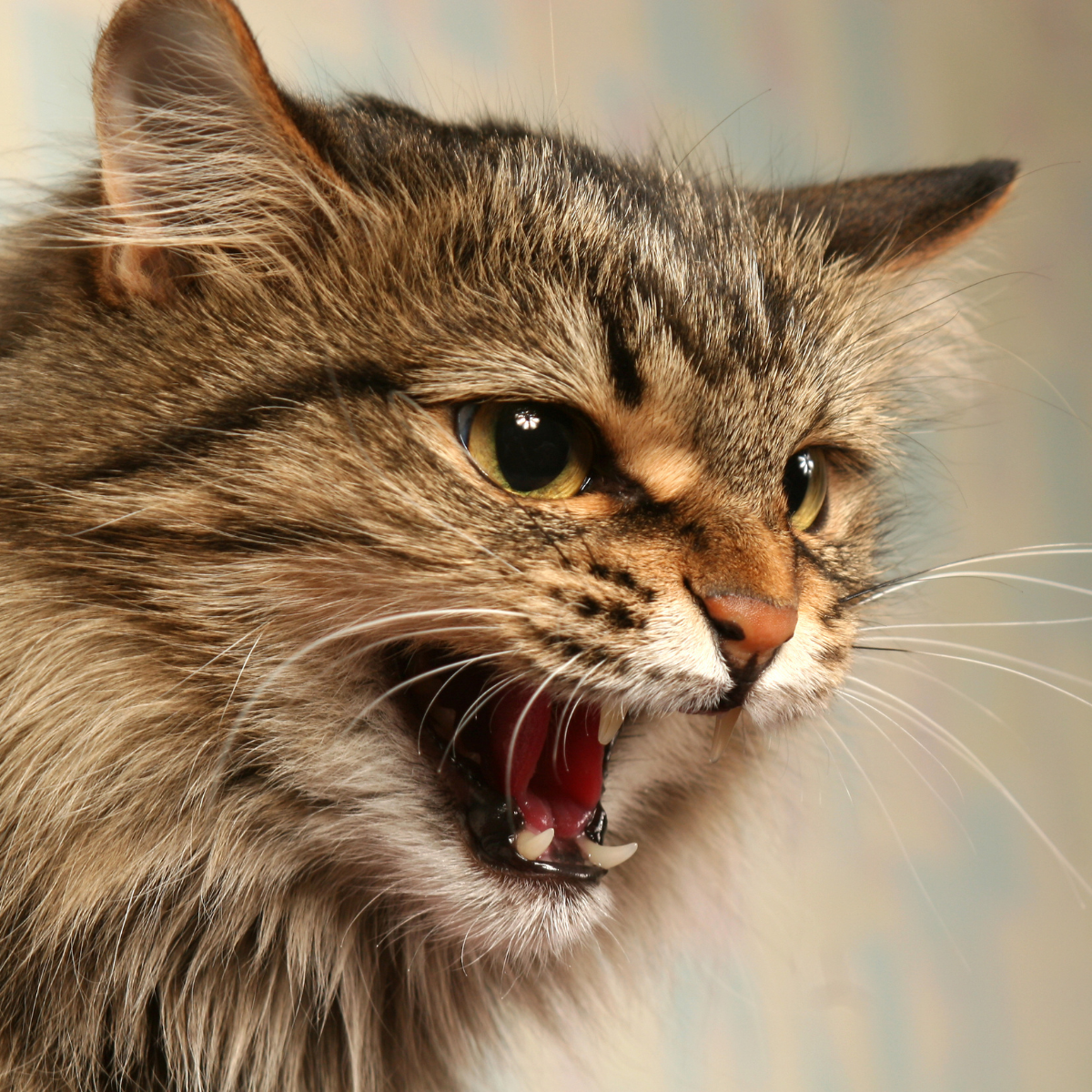
Cats tend to hide pain and illness — an evolutionary trait that helps protect them from predators. But their eyes can offer clues about their health and emotional state.
“Pupil size is also related to light levels, and can sometimes indicate a cat’s health,” says Quandt. He explains: “Unequal pupil sizes, or pupils that don’t constrict when light is shone on them, may indicate a medically induced condition, in which case you should take your cat to the vet immediately.”
Cats with anisocoria
Anisocoria is an eye condition where one pupil is larger than the other. Causes include glaucoma, epilepsy, and head trauma.
This condition can also be a sign of serious or life-threatening health issues, including:
- Eye cancer
- Brain tumor
- Feline immunodeficiency virus (FIV)
- Feline leukemia
- Parasitic infections, such as toxoplasmosis
If you notice one of your cat’s pupils is dilated while the other is constricted, contact your vet immediately. Prompt professional veterinary care may help prevent or delay vision loss.
Other cat eye problems
A cat that squints frequently may have an eye condition causing pain and discomfort, including the following health issues:
- Conjunctivitis
- Keratoconjunctivitis sicca, also known as “dry eye”; glaucoma
- Corneal ulcers
- Blepharitis
- Allergies
- Bacterial or viral infections
Signs to watch for
If your cat seems to be scratching and rubbing their eyes more than usual, or if you notice any of the following:
- Red or bloodshot eyes
- Squinting or swollen eyes
- Runny nose
- Unequal pupil sizes
- Watery eyes
- Coughing, sneezing, and wheezing
- Inflamed third eyelid
- Itchy skin or rashes
- Digestive upset, such as gas, vomiting, or diarrhea
- Dull or cloudy-looking eyes
- Decreased energy or appearing tired and lethargic
If you can’t reach your vet and your cat has red eyes with discharge, you may want to call a local 24-hour veterinary clinic for further guidance. They may advise you to bring your cat in right away.
How to tell if your cat has vision problems
Sometimes cats can develop vision problems without any obvious redness, discharge, or changes in pupil size.
But you might notice them:
- Tripping or falling on the stairs
- Bumping into furniture or walls
- Acting more fearful and cautious than usual
- Spending more time in their favorite hiding spots
- Losing interest in play
- Having trouble locating their food bowl or litter box
- Walking in a crouched position
- Struggling to jump or climb, or being unable to do so at all
Even if your cat’s eyes look completely normal, these signs may point to a vision problem. Your vet can examine your cat’s eyes thoroughly and help determine the cause.
If your cat does lose their vision, know that they can still live a full and happy life! Even if they can’t see you, don’t be surprised if they come running the moment they hear your voice.
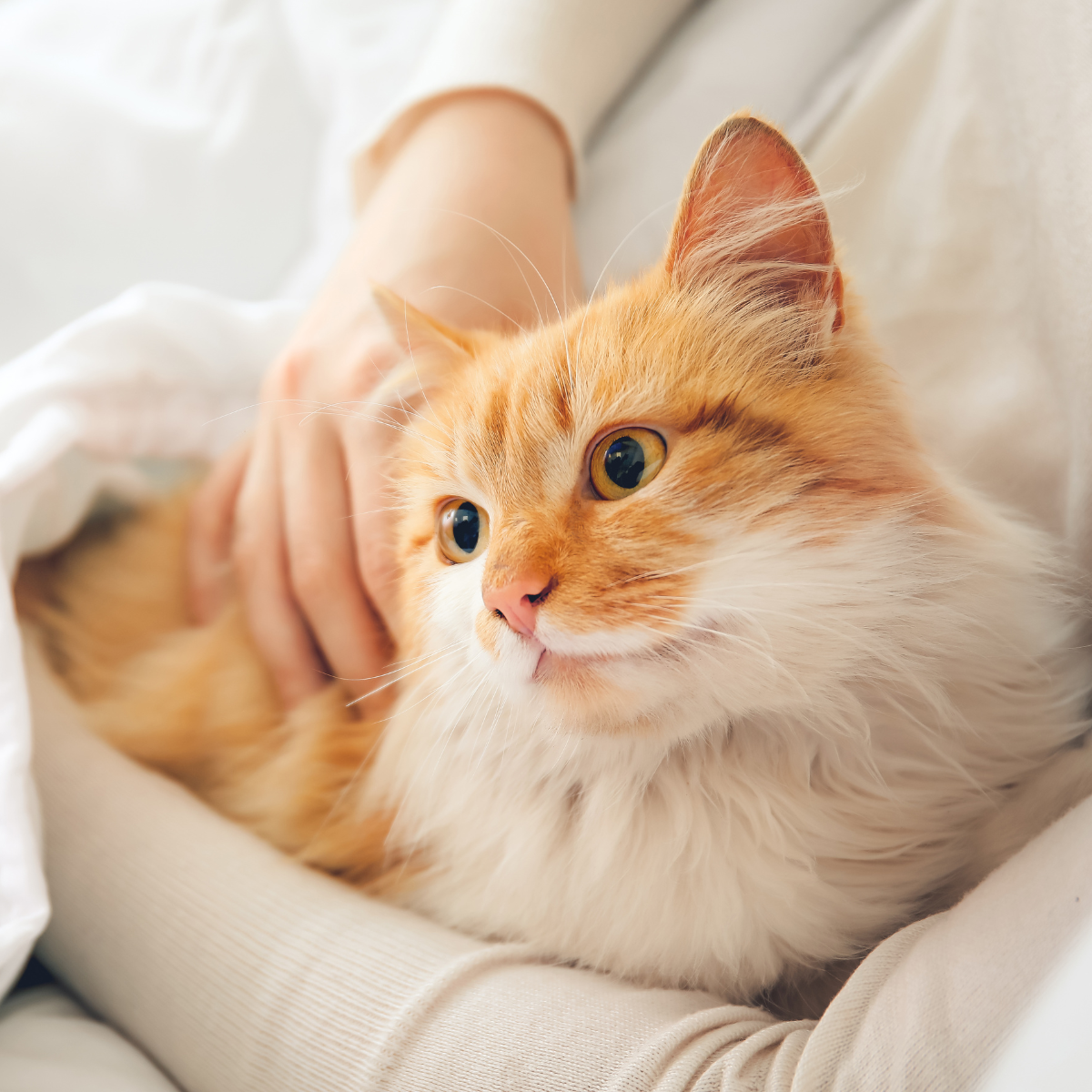
Don’t overlook your cat’s eye health
A cat’s eyes are a vital window into their emotions and wellbeing. By observing your cat’s gaze, we can understand their moods, build a deeper relationship with them, and provide better care. That said, always remember that professional veterinary diagnosis and treatment come first — never ignore the signs. Building a relationship of trust and love with your cat is the key to fostering a positive connection between you. Let’s pay close attention to our cats’ eyes and create wonderful moments together!
Author: Victoria Tomis
Translated from: ‘What Do A Cat’s Eyes Mean? 6 Ways To Read Your Cat’s Emotions From Their Eyes’ https://www.rover.com/blog/cat-eyes-meaning/
Fluv special offers | Limited-time deals for devoted pet owners
#Give your pet the best — and that means what suits them most
Does your senior dog need someone around at all times? Find a dedicated sitter on Fluv today!
🎁 New users — enter promo code
#UNEW95
Book now and enjoy 5% off your first reservation!
👉 Ready to find the perfect professional pet sitter for your furry friend?
 Fluv founder Candace Chen
Forbes 30 Under 30 Asia | 2024 Tatler Gen.T Leaders of Tomorrow
As the founder of Fluv, Candace has leveraged exceptional business vision and execution to build the brand into Taiwan’s largest and most trusted pet care platform.
- Recognized on world-class lists: named to Forbes 30 Under 30 Asia and selected as a 2024 Tatler Gen.T Leader of Tomorrow.
- Backed by heavyweight investors: successfully secured investment from Twitch co-founder Kevin Lin and leading venture firm SIC.
- Market leader: Fluv now brings together over 7,000 vetted professional sitters and has earned the trust of 140,000 members.
Views: 29853
 English
  Chinese