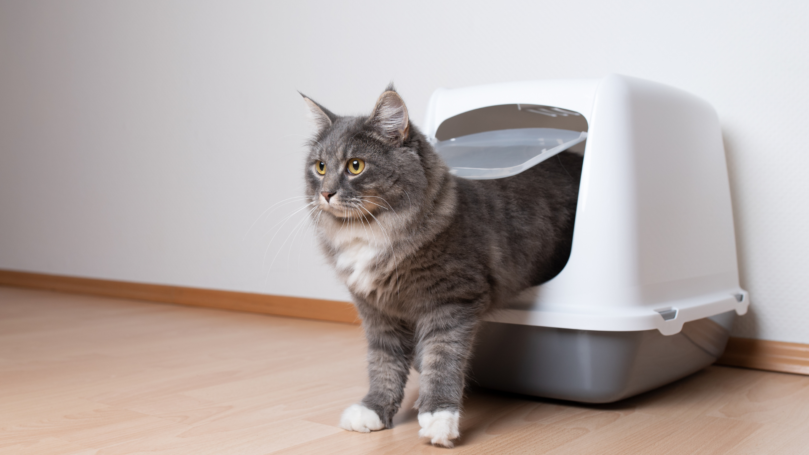
Is your cat eating litter? Fluv shares some handy tips to help you break your cat’s bad habits!
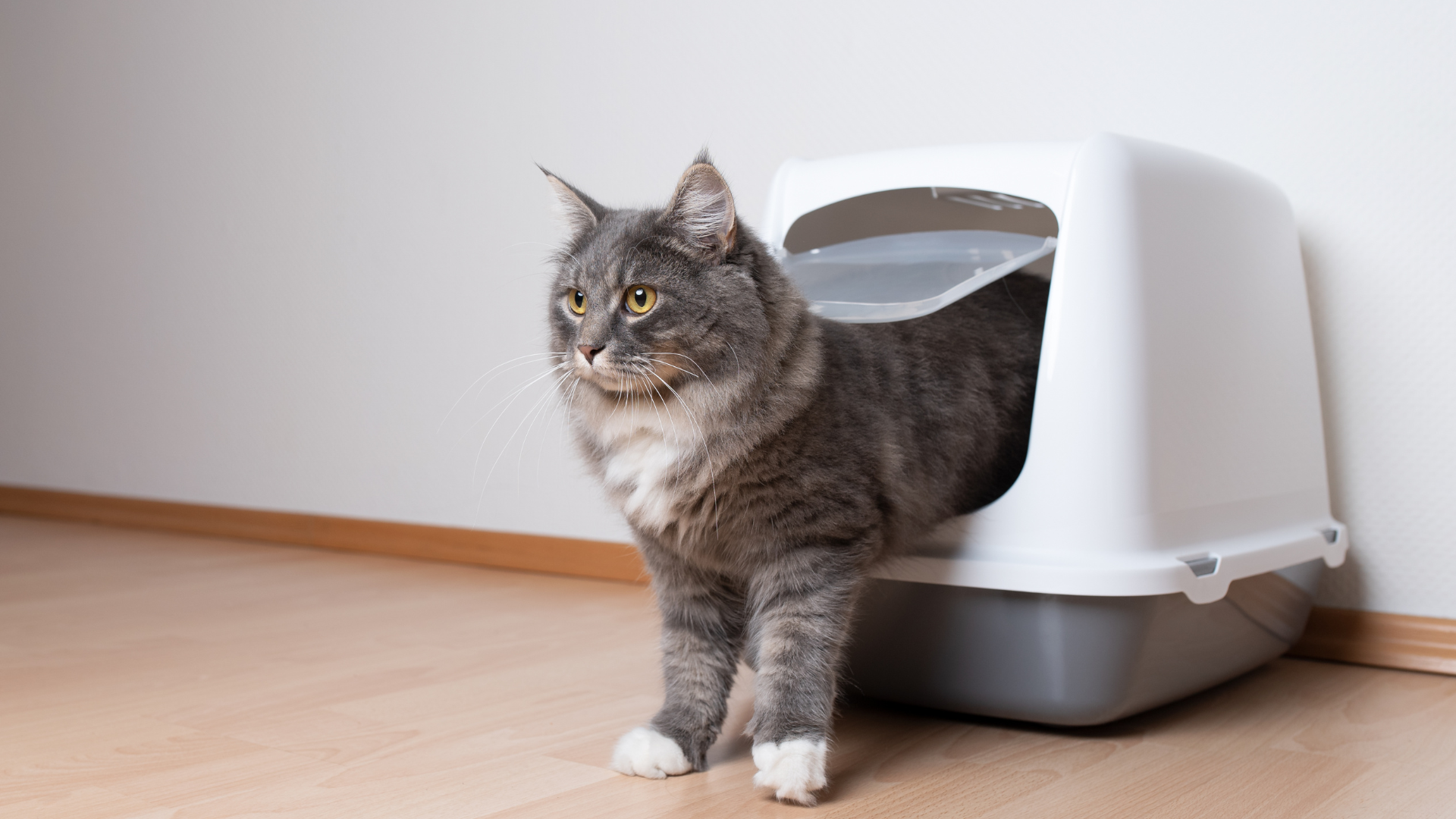
Why is my cat eating litter?
Cats can sometimes do mysterious things — things we’d never expect, like eating their litter. What could possibly make a cat eat litter, and is it even safe? As it turns out, there are quite a few reasons why a cat might show an unusual interest in their litter box.
A cat eating litter could be a sign of illness, an attraction to the litter’s ingredients, or even something rooted in their genetics.
Some litters are just tasty
While most cat litters are made from clay or crystal silica, some are made from more edible — and potentially appealing — materials. These include litters made from corn, walnut shells, coconut shells, grass, wheat, or paper. The scent of these litter types may draw cats in for a curious bite, and the food-like taste might just make them think it’s delicious.
What is pica?
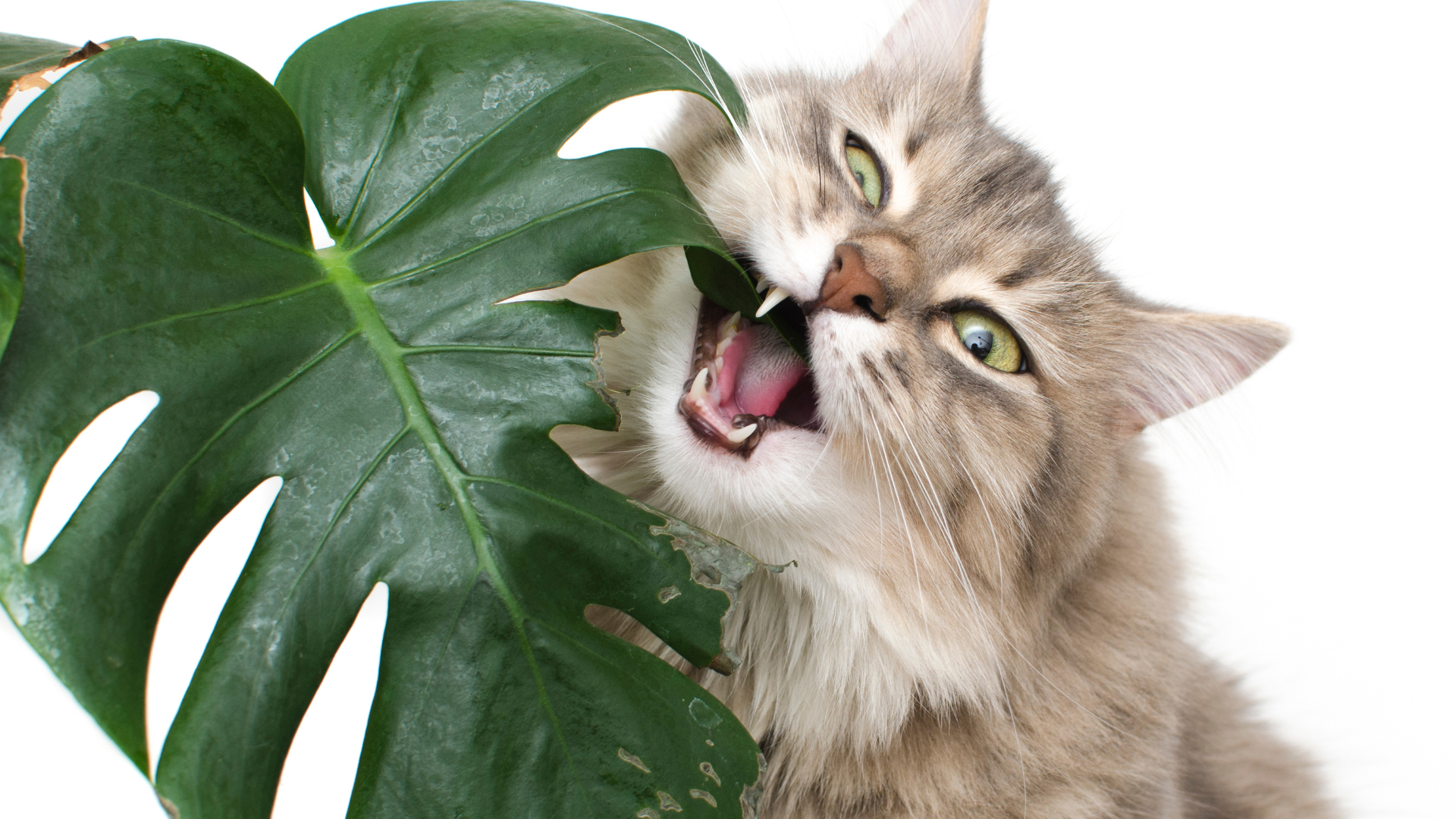
That said, your cat’s litter-eating habit may have nothing to do with the smell or taste. Pica is a condition where an animal is attracted to the texture of non-food items and has a compulsion to eat, lick, or suck on them — and it’s actually quite common in cats. Some cats lick plastic, some go for fabric, and others develop a strong interest in their litter.
Still, pica isn’t the only reason a cat might be drawn to their litter.
Here are some of the most likely reasons, as listed by PetMD.
Litter made from food-based materials
Pica
Nutritional deficiencies, such as anemia
Feline leukemia
Feline immunodeficiency virus (FIV)
Diabetes
Brain tumors
Boredom
Stress
Is cat litter toxic to cats?
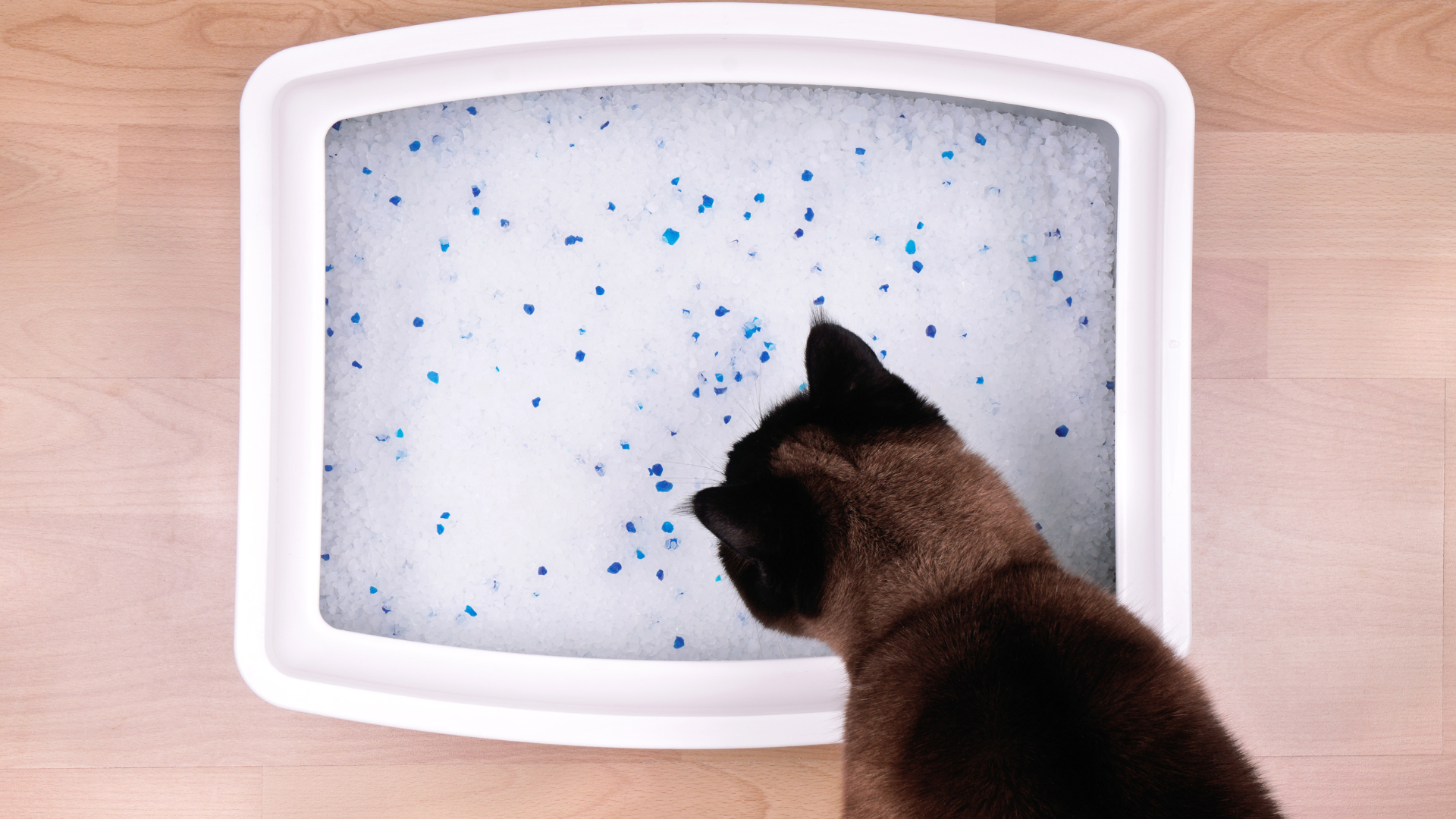
Whether the cause is pica, boredom, or something else entirely, your first concern should be your cat’s safety. Litter isn’t meant to be eaten — but just how dangerous is it for cats?
Eating litter is not good for cats, and some types can be downright dangerous. Clumping litter contains sodium bentonite, which is especially risky. Sodium bentonite can clump inside a cat’s intestines and cause a blockage. In extreme cases, ingesting it can even lead to bentonite toxicosis.
Not all litters are the same. If you’re worried about the risk of sodium bentonite poisoning, consider switching to a different type. For a safer option, look for litters made from edible materials like wheat or corn.
How to stop your cat from eating litter

Eating litter clearly isn’t good for cats, but you might not know where to start when it comes to breaking the habit. So, what can you do?
Since stress can drive cats to eat non-food items, start by observing your cat and working to reduce their stressors. Stress can come from many sources — you can help your cat feel more secure by supporting their mental wellbeing, giving them enough space, engaging them in play, or even using a pheromone diffuser.
Boredom may also be a contributing factor. Make sure your cat gets plenty of playtime and companionship, and provide engaging toys to keep them entertained. Giving your cat safe things to chew on — like toys that can be stuffed with edible treats — may also help.
Anemia or nutritional imbalances can trigger unusual cravings. Make sure your cat is eating a nutritious, well-balanced diet that provides all the vitamins and minerals they need to stay healthy.
If your cat keeps eating litter, consider switching to a different type. A change in litter may be enough to stop the behavior. Switching to a natural litter can also reduce the health risks associated with litter ingestion. Litters made from wheat, corn, or similar materials are far less likely to cause intestinal blockages and carry no risk of sodium bentonite toxicosis.
If none of these approaches work, it’s time to take your cat to the vet. There may be a more serious underlying cause. Your cat could be eating litter due to a medical or psychological condition, and your vet will be able to help you get to the bottom of it. They can also give you tailored advice on how to help your cat kick this habit for good.
Whether it’s boredom or a serious health condition, taking steps to support your cat’s mental wellbeing, reduce stress, and get them the veterinary care they need will go a long way in helping them break this unhealthy habit.
Author: Michelle Ropp
Translated from: ‘Why Is My Cat Eating Litter?’ https://www.rover.com/blog/why-is-my-cat-eating-litter/
Enjoyed this article? Feel free to share it! For more fun and useful pet tips, follow Fluv on Facebook and Instagram!
Fluv special offers | Limited-time deals for devoted pet lovers
#Give your pet the best — and the best is what fits them most
If you’d love to give your pet a more personalised, home-like care experience, why not try Fluv’s in-home pet sitter service?
🎁 New users — enter promo code
#UNEW95
Book now and enjoy 5% off your first reservation!
👉 Looking for a caring, professional pet sitter for your furry friend?
Views: 915
 English
  Chinese