
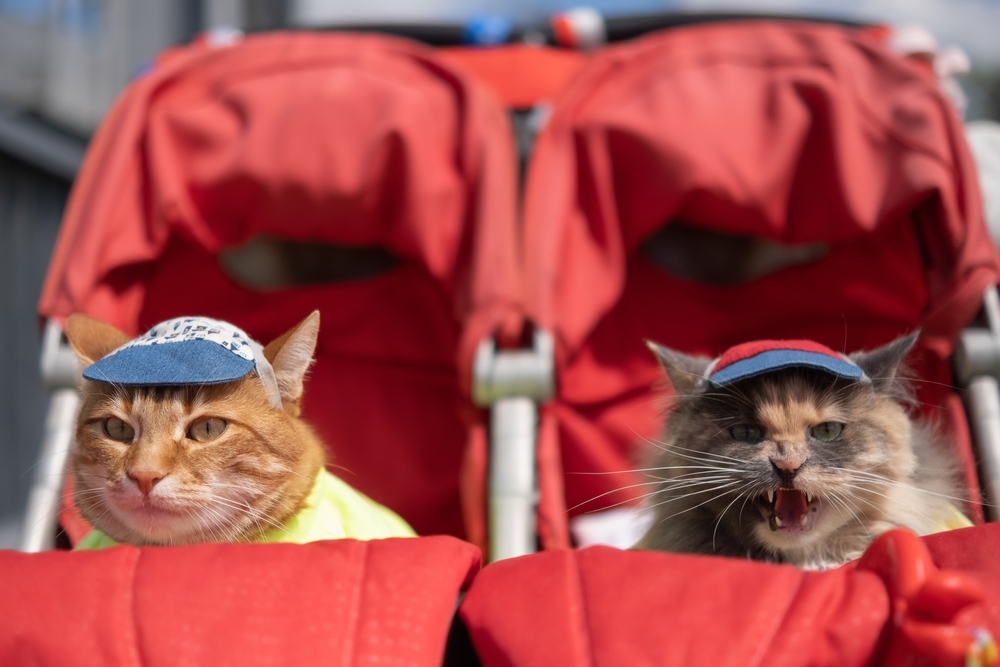
Most cats don’t enjoy going outside — they much prefer staying in their familiar surroundings. If suddenly brought to an unfamiliar place, they’re likely to feel anxious and unsettled, especially since the outside world can be quite stimulating for cats, easily triggering high stress and insecurity. That’s why before taking your cat outside, it’s important to understand what to watch out for, so you can help your cat adapt quickly and enjoy the outing! This article covers several key things to keep in mind when going out with your cat, including pre-trip training methods and what to pack, so you can be fully prepared — and your cat can head out happy!
Not all cats are suited for going outside! Only cats with these 3 traits should be taken out
Taking your cat outside can not only cause stress, but also expose them to fleas or ticks, so not all cats are suited for outdoor activities. Generally, cats with the following 3 traits are better suited for outings:
- Outgoing and sociable: Cats with a lively, curious personality are more willing to explore unfamiliar environments and tend to adapt more easily to new surroundings, making them more suitable for outdoor trips.
- Fully vaccinated: Cats are more likely to encounter pathogens outdoors, increasing the risk of disease. It’s recommended that cats complete all necessary vaccinations before going outside.
- Treated for parasites: Outdoor parasites can easily latch onto cats, so it’s a good idea to have your cat treated for parasites before heading out to effectively prevent fleas, ticks, and other pests.
Is it necessary to take your cat outside? When might you need to?
Cats have a hard time adapting to new environments, so it’s generally recommended to avoid taking them out as much as possible. However, in some situations it’s unavoidable. Here are the 3 most common reasons:
- Vet visits: When your cat is sick, needs to be spayed or neutered, or requires vaccinations, a trip to the animal hospital is necessary.
- Lack of exercise: Indoor cats have limited space to roam and have easy access to food without needing to hunt, which often leads to obesity and other issues due to insufficient exercise. To give cats more room to move around, a trip to an open outdoor space may be needed.
- Cat parents need to travel: Cats are relatively independent compared to dogs, but if cat parents are away for too long, cats can still feel lonely — and in serious cases may develop behavioral problems like scratching furniture or eliminating outside the litter box. So if you need to be away from home for several days, you’ll often need to ask a family member or friend to look after your cat, or take your cat along with you.
How to help your cat get used to a new environment? 4 key training tips before heading out
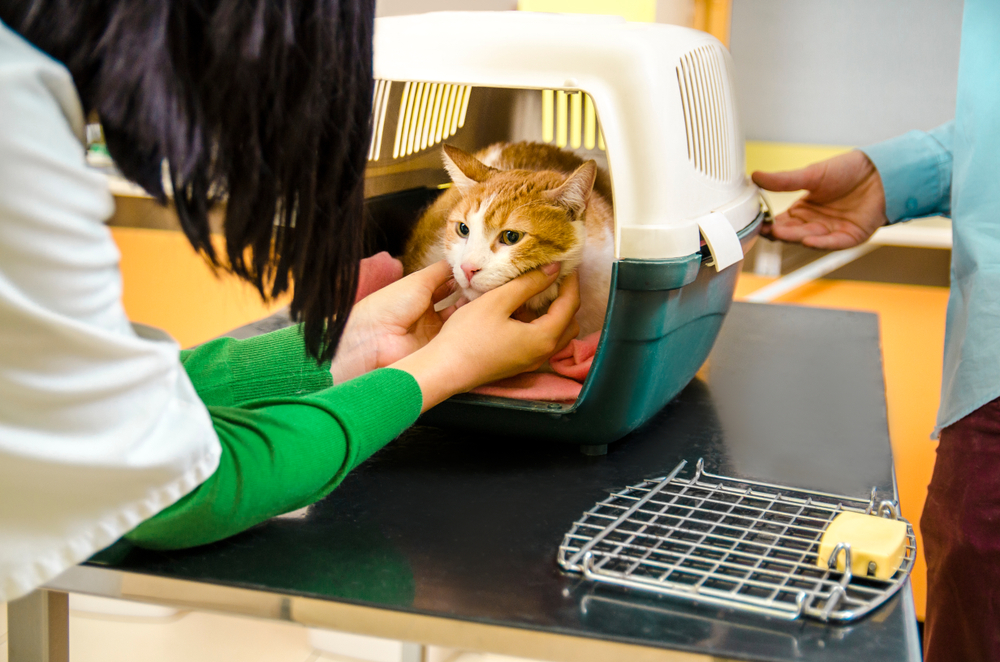
Before taking your cat outside, it’s important to help them get familiar with the outside world first! Keep these 4 training tips in mind to help your cat successfully reduce anxiety and enjoy outdoor activities!
Training tip 1: Reduce resistance
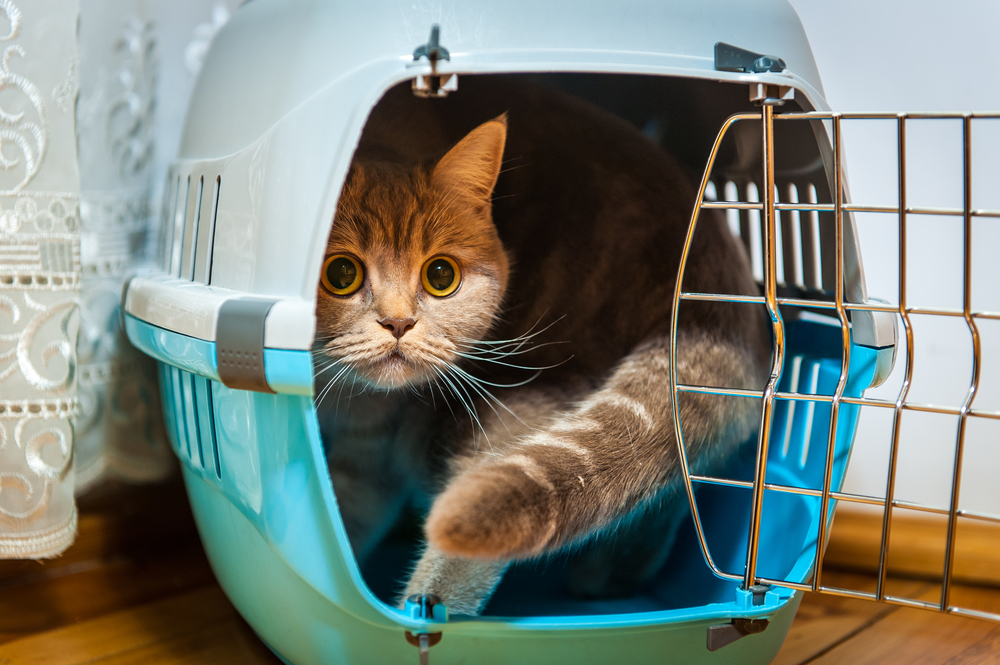
Cats love being in familiar surroundings, so at the very start of training your cat to go outside, begin by getting them used to a carrier or stroller. Cat parents can place a small blanket or mat that belongs to the cat inside the carrier or stroller — the familiar scent will help the cat feel at ease and make them more willing to enter. If your cat still resists going in, try using catnip or a pheromone spray, or let them eat near the carrier to help reduce their aversion to it.
Training tip 2: Take it step by step
Once your cat feels comfortable staying in the carrier, you can start using it to take them out for short walks. During training, always wait for your cat to adjust before gradually extending the outing range and duration. Forcing things too quickly will only increase their fear of going outside, so it’s best not to make outings too long at first — 15 to 30 minutes is a good starting range. If your cat starts to feel tense or resistant, pause the outing for the time being, or let your cat stay in the car and observe the outside environment. Once they’re less averse to going out, you can then try the carrier or stroller again.
Training tip 3: Offer encouragement
Regardless of how each training session goes, always reward your cat afterward — this makes them more receptive to training and helps reduce their aversion to new environments.
Training tip 4: Plan the right time
Cats tend to be sluggish and uninterested after sleeping or eating, so training sessions during these times won’t be very effective — even food or toys may fail to capture their attention. If you want to train your cat to go outside, it’s best to do so at dawn or dusk, as these are when cats are most active. They’ll be more willing to try new things and will adapt to new environments more easily.
What do you need to bring when taking your cat out? A complete packing checklist
There’s a lot to pack when heading out with your cat — worried about forgetting something? The table below covers 4 categories of items you might need. Keep this list handy when packing and check everything off before you go!
|
Daily essentials |
Safety items | Comfort items |
Hygiene items |
| ● Kibble / wet food
● Cat litter ● Water bottle ● Food bowls |
● Carrier / stroller
● Harness / leash ● Water bottle ● Parasite treatment ● Small first aid kit |
● Blanket
● Puree treats / freeze-dried treats ● Toys ● Catnip / silvervine |
● Wet wipes |
Getting ready to take your cat outside? Keep these 4 important things in mind!
When taking your cat outside, there are 4 key things to pay special attention to:
1. Stay safe
Even with a carrier or stroller, always make sure the leash and clips are secure. If your cat accidentally escapes the carrier or jumps out of the stroller, the risk of accidents or getting lost becomes very high.
2. Keep things clean
Cats are very clean animals and typically won’t eliminate without a litter box, which means they can easily end up holding their bladder. Prepare some clean litter before heading out. If your cat does end up eliminating inside the carrier during the trip, clean it up as quickly as possible — otherwise it can worsen their anxiety.
3. Watch your cat’s mood
Even if your cat has been trained, keep a close eye on their emotions. If you notice your cat still seems a bit tense, try covering the carrier slightly with a breathable cloth, or use freeze-dried treats or purees to redirect their attention. Toys, catnip, or your cat’s own blanket can also help provide a sense of security — have them on hand for when needed.
4. Avoid exposure to harmful substances
Cats may come into contact with various parasites or harmful substances when outside, so regular parasite treatment and vaccinations are very important. Also, cats may accidentally ingest or come into contact with toxic substances outdoors — such as chemical fertilizers, pesticides, or poisonous plants — so extra care is needed to prevent poisoning.
[One possible problem when taking your cat outside — what to do if they get carsick?]
Signs of carsickness in cats include: constant meowing, drooling, vomiting, restlessness, and in severe cases, loss of bladder or bowel control. If your cat is prone to carsickness, it’s recommended to:
- Avoid feeding your cat within 4 hours before the trip.
- Use a pheromone spray or motion sickness medication (requires a vet prescription) to ease symptoms.
- Minimize sudden movements during travel, keep the environment well-ventilated, and help keep your cat calm.
Still not comfortable taking your cat outside? Fluv pet sitters give your cat the most attentive care
If you need to travel soon and are worried your cat will feel lonely at home and develop separation anxiety — or that your cat won’t handle going outside well — Fluv is Taiwan’s largest pet care platform, with over 100,000 pet owner users and more than 5,000 verified, identity-confirmed pet sitters. Just download the Fluv app, and you can easily find the best pet sitter near you to provide your cat with long-term companionship services, ensuring your cat receives the most attentive care!
If you’re planning to take your cat outside and want to make sure everything goes smoothly while giving your cat the best care possible, feel free to follow Fluv’s Facebook page for more tips and advice on taking your cat out!
Further reading:
8 simple tips to help your cat feel less stressed and improve their mental well-being!
Fluv special offers | Limited-time deals for devoted pet parents
#Give your pet the best — and the best means what fits them most
If you’d like a more personalized, home-like care experience for your pet, why not try Fluv’s in-home pet sitter service.
🎁 New users, enter promo code
#UNEW95
Book now and enjoy 5% off!
👉 Looking for a caring, professional pet sitter for your pet?
Views: 6457
 English
  Chinese