Table of contents
-
- Why does my dog cough? The 3 most common causes of coughing in dogs
- Why does my dog keep coughing and retching? 3 different types of dog coughing explained
- How to prevent dog coughing? Daily care tips to keep your dog’s cough at bay)
- My dog keeps coughing like something’s stuck — frequently asked questions about dog coughing
- Learn more everyday dog care tips
- Fluv special offers | Limited-time deals for pet lovers
“Should I take my dog to the vet?” — that’s the worry on every pet owner’s mind when their dog suddenly starts coughing. Is it choking on something? Or did they eat too fast and now can’t stop coughing and retching? There are actually many possible causes, and the right response depends on what’s behind the cough. This article covers the symptoms to watch for, what to do when your dog won’t stop coughing, and how to prevent and treat dog coughing.
Why does my dog cough? The 3 most common causes of coughing in dogs
Just like people can cough from a cold or choke on something, there are many possible reasons why dogs cough. They generally fall into 3 categories:
Pathological coughing
Pathological coughing is coughing caused by illness. Conditions such as kennel cough (an infectious respiratory disease), heart disease or failure, heartworm or parasite infection, tracheal collapse, lung cancer, or bronchitis can all cause coughing in dogs. Treating the underlying condition is the key to relieving the cough effectively.
Physical coughing
Physical coughing is a temporary cough caused by physical pressure on the airways — for example, a harness that’s too tight restricting your dog’s breathing, or a foreign object entering the airway. It usually eases once the source of pressure is removed.
Other causes of coughing
Beyond illness and airway pressure, emotional stress or environmental irritants — such as allergens or other uncomfortable factors in your dog’s surroundings — can also trigger coughing.
Why does my dog keep coughing and retching? 3 different types of dog coughing explained
Depending on what’s causing the cough, the way your dog coughs will look and sound different. By observing the type of cough, you can start to narrow down the likely cause and plan the best next steps for care and treatment.
Dry cough
A dry cough sounds sharp and brief, without any wet, gurgling sound from secretions in the airways. This type of cough may be caused by a foreign object in the airway (choking), or could point to acute laryngitis or tuberculosis.
Wet cough
In contrast to a dry cough, a wet cough sounds muffled and prolonged, often with a wet, gurgling sound and discharge — like saliva or nasal fluid — coming from the nose. After coughing, your dog may swallow, and vomiting before or after the cough isn’t uncommon. This type of cough is highly likely to be caused by a respiratory illness such as pneumonia or bronchitis.
Painful cough
A painful cough is accompanied by obvious signs of distress — such as spasms, stretching out the neck, or struggling in a panicked or agitated way. If your dog appears to be in pain while coughing, it may be due to pleuritis, aspiration pneumonia (inflammation caused by a foreign object entering the airway), pericarditis, or rib fractures.
How to prevent dog coughing? Daily care tips to keep your dog’s cough at bay
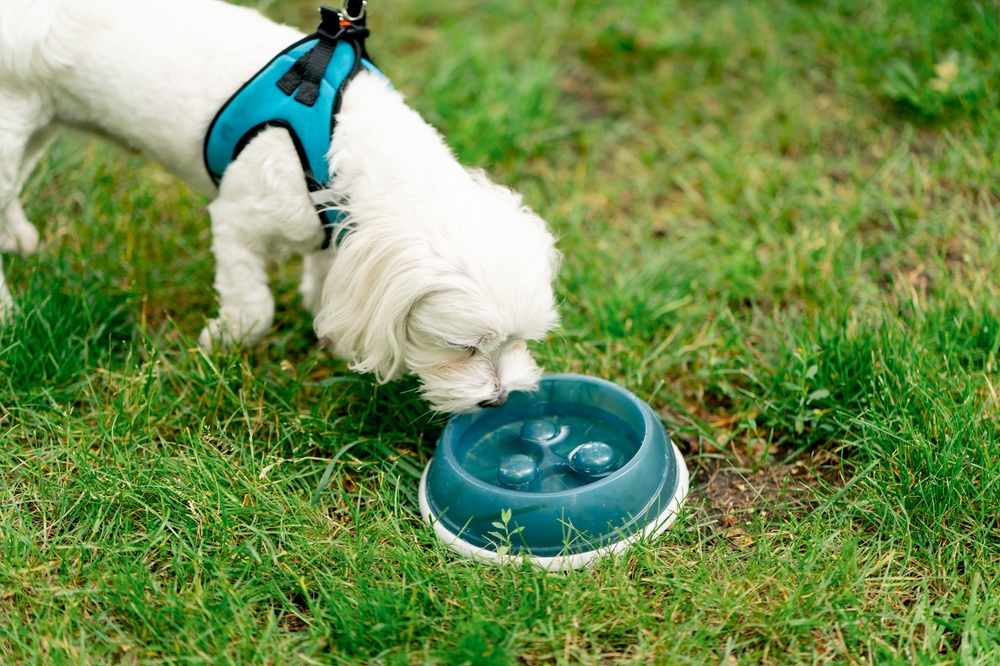
Coughing acts like a “warning light” — a signal from the body that something’s off. To prevent coughing, start by eliminating the physical, psychological, and environmental factors in your dog’s daily life that could trigger it. For example:
- Prevent your dog from swallowing foreign objects — such as sticks chewed during play, small bone fragments, or fish bones. Choose certified, tested pet toys and chews, and if you feed fresh food, carefully remove all bones, fish bones, and hard pieces before serving.
- When fitting a harness, make sure it’s snug but not too tight — secure enough to be safe without restricting your dog’s breathing.
- Schedule regular check-ups and vaccinations to keep your dog healthy and prevent illness.
- Feed your dog on a consistent schedule with measured portions and fresh water. If needed, use a raised feeder or slow feeder bowl to prevent eating too fast — which can cause coughing when a dog is hungry or excited.
- Keep respiratory irritants out of your dog’s environment — including secondhand smoke, insecticides, essential oils, mosquito coils, and strong fragrances.
- During environmental changes (such as moving house or traveling), pay close attention to your dog’s wellbeing and offer reassurance to prevent stress-related coughing.
My dog keeps coughing like something’s stuck — frequently asked questions about dog coughing
Here are some of the most common questions pet owners have when their dog starts coughing — hopefully they can clear up some of your concerns:
Q: Does my dog need to see a vet right away?
A: If your dog shows serious symptoms — such as coughing with pain or blood, difficulty breathing (e.g., blue-tinged tongue), loss of consciousness, or persistent coughing over a long period — seek veterinary care immediately. Otherwise, you can observe the situation and try to rule out foreign objects or allergens first.
Q: How is dog coughing treated?
A: Treatment depends on what’s causing the cough — your vet will diagnose the underlying issue and tailor the approach accordingly. This may involve removing a foreign object, surgery (such as for tracheal collapse), medication (such as for chronic heart disease), or environmental changes.
Q: How often is it normal for a dog to cough?
A: There’s no defined “normal” frequency for dog coughing. If you notice your dog coughing more frequently, coughing for more than a week, or coughing alongside other unusual symptoms like difficulty breathing, treat it as a health warning sign and see a vet promptly to rule out heart disease or respiratory conditions.
Learn more everyday dog care tips
“If your dog is recovering from an illness, or you’re planning to travel and can’t be there in person, we recommend booking a professional in-home pet sitter for at-home care — so your dog gets attentive support and health monitoring in a familiar environment. Fluv has a team of experienced dog sitters ready to look after your pet’s health and wellbeing.”
Fluv special offers | Limited-time deals for pet lovers
#Give your pet the best — and the best fit
Got an older dog with a cough who needs constant care?
Book a dedicated sitter on Fluv today and give your pet the attentive, watchful care they deserve!
🎁 New members — enter promo code
#UNEW95
Book now and enjoy 5% off!
👉 Looking for the perfect professional pet sitter for your furry friend?
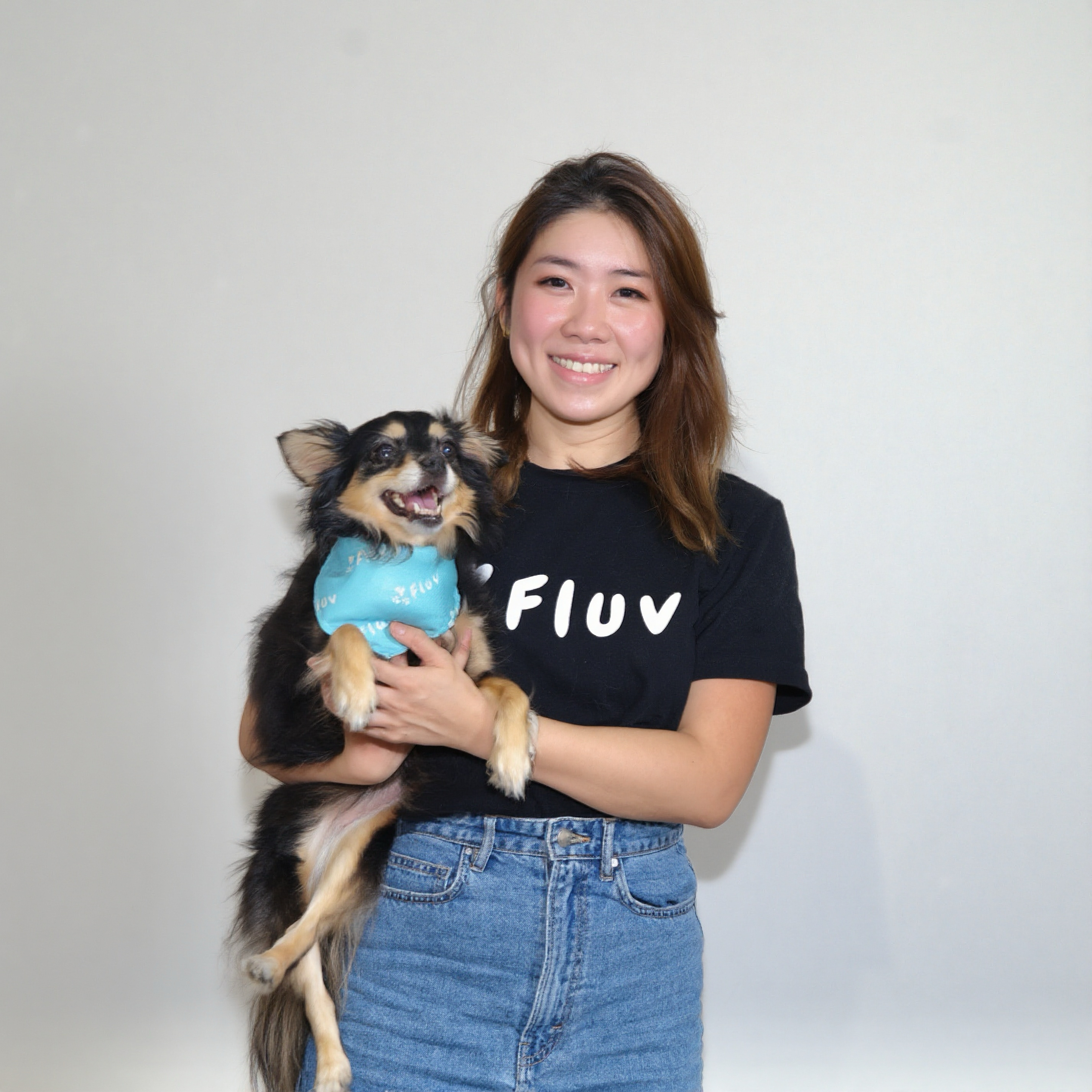 Fluv founder Candace Chen
Forbes 30 Under 30 Asia | 2024 Tatler Gen.T Leaders of Tomorrow
As the founder of Fluv, Candace has combined sharp business vision with strong execution to build the most trusted and widely used pet care platform in Taiwan.
- World-class recognition: named to Forbes 30 Under 30 Asia and selected as a 2024 Tatler Gen.T Leader of Tomorrow.
- Backed by major investors: secured funding from Twitch co-founder Kevin Lin and influential venture capital firm SIC.
- Market leader: led Fluv to a network of over 7,000 vetted professional sitters, trusted by 140,000 members.
Further reading
What are the symptoms of kidney disease in dogs? Causes, signs, and a diet guide all in one
When is a dog considered a senior? Common health conditions and care tips for older dogs, explained
Views: 26848
 English
  Chinese