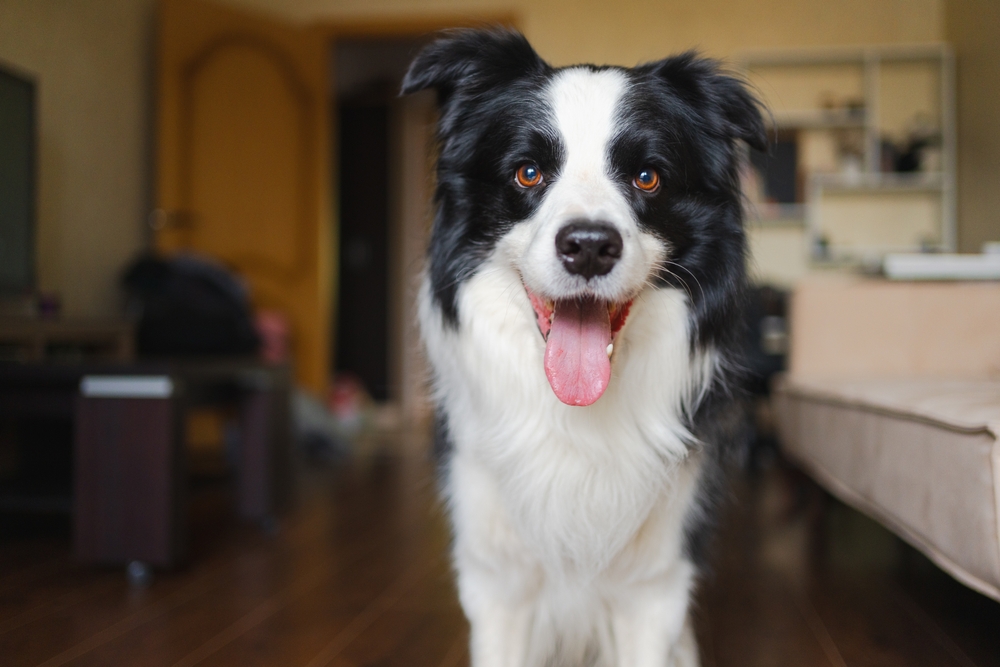
If you’re a dog parent, seeing your beloved pup suddenly vomit can be both heartbreaking and stressful. But dog vomiting is actually a common issue that many pet owners encounter — so there’s no need to panic! In this article, we’ll walk you through the possible causes of dog vomiting, the symptoms to watch for, how to identify different types of vomit, and what you can do to prevent and handle it — so you can stay calm in an emergency and keep your furry friend happy and healthy.
Why is my dog throwing up undigested food? 8 common causes of vomiting in dogs
Seeing your dog suddenly bring up undigested food is understandably alarming, but there are many possible reasons behind it. Here are the 8 most common causes — understanding them will help you respond appropriately in the moment and make it easier for your vet to diagnose what’s going on.
Cause 1: Eating habits
Dogs often misjudge how much they can eat, which can lead to overeating. Dogs that were once strays or had to compete for food are especially prone to eating too fast, gulping down meals, or binge-eating out of anxiety. When this happens, the digestive system gets overloaded all at once, causing your dog to bring up food before it’s been properly digested.
Cause 2: Digestive issues such as gastroenteritis or stomach ulcers
Eating contaminated food or having a food allergy can cause inflammation in your dog’s gut. Along with vomiting, you may also see fever and diarrhea. Stomach ulcers can similarly trigger vomiting, often accompanied by fever and abdominal pain. In either case, it’s important to get your dog to a vet right away to prevent things from getting worse.
Cause 3: Food poisoning
Some foods are toxic to dogs and can cause their bodies to react with vomiting. Common culprits include cocoa products (like chocolate), onions, garlic, and grapes. Human food in general tends to be too greasy and salty for dogs, and accidental ingestion can put too much strain on their digestive system, leading to vomiting.
Cause 4: Parasites or viral infections
Intestinal parasites and viral infections can also cause vomiting in dogs. Common viruses known to affect the digestive system include canine parvovirus, canine distemper virus, and canine coronavirus.
Cause 5: Pancreatitis
Pancreatitis tends to occur more often in dogs that are overweight or have a history of diabetes, as high-fat foods are a leading trigger for pancreatic inflammation. Vomiting from pancreatitis is usually accompanied by fever, diarrhea, and abdominal pain. It’s worth noting that pancreatitis can become life-threatening if it worsens, so if you notice these symptoms, take your dog to the vet immediately.
Cause 6: Kidney disease
Dogs with chronic kidney disease have a reduced ability to filter toxins from the body, which allows uremic waste to build up internally. This can lead to stomach and oral ulcers, decreased appetite, and vomiting previously eaten food.
Cause 7: Tumors or cancer
Both benign and malignant tumors can cause poor appetite, lethargy, immune system dysfunction, and nausea or vomiting. Dogs undergoing targeted cancer therapy or chemotherapy are especially prone to side effects such as hair loss, vomiting, skin inflammation, and weight loss.
Cause 8: Swallowing a foreign object
Playful, curious dogs love to chew on household items — fabric, toy parts, bottle caps, and more. If they swallow any of these, it can cause vomiting. Always check the vomit for foreign objects, and watch for signs of obstruction or difficulty breathing, so you can get veterinary help as quickly as possible.
What are the symptoms of dog vomiting? Watch for these warning signs
In addition to the symptoms mentioned above that often accompany vomiting, dogs may also show early warning signs before they actually vomit — including restlessness, dry heaving, and repeated swallowing. Keep a close eye on your dog if you notice any of the following:
- Body trembling
- Tensing of the abdominal muscles
- Anxious pacing
- Drooling
- Frequently licking lips
- Repeatedly swallowing saliva
- Persistent dry heaving or nausea
What does your dog’s vomit look like? Know when to go to the vet immediately
The appearance of your dog’s vomit can tell you a lot about what’s going on with their health. Here’s a quick guide to the most common types, so you can identify them more easily:
Type 1: Undigested food
If you can clearly see undigested food in the vomit — such as visible kibble pieces or chunks of meat — it’s likely that your dog ate too quickly or too much, leading to indigestion.
Type 2: Foamy or liquid vomit
White or clear liquid mixed with foam means your dog has vomited up stomach acid. This type of vomiting, caused by excess stomach acid, is usually linked to gastroenteritis or stomach ulcers.
Type 3: Yellow or green vomit
Yellow or yellow-green vomit indicates that bile has mixed with the stomach contents. This is usually caused by irregular eating habits — try adjusting your dog’s feeding schedule and consider smaller, more frequent meals to ease the load on their digestive system.
Type 4: Vomit with blood streaks, or dark red/brown vomit
Blood streaks or fresh blood in vomit may indicate bleeding in the upper digestive tract (such as the mouth or esophagus). Dark red or brown vomit is more likely a sign of bleeding in the stomach or intestines. Both situations can be life-threatening. If there is heavy bleeding rather than just a few streaks, it indicates serious internal bleeding — get your dog to an emergency vet immediately so no time is lost.
How to prevent dog vomiting: 3 key tips to reduce the risk

The most effective way to prevent dog vomiting is to actively manage your dog’s diet and overall health. Here are 3 principles to keep your dog strong and healthy:
Tip 1: Healthy eating habits
Building good eating habits helps prevent vomiting from overeating or swallowing foreign objects. Keep an eye on how fast your dog eats, provide a balanced diet with plenty of fresh water, and make sure to keep harmful human foods — like chocolate, sweets, and fried foods — well out of reach.
Tip 2: Build a healthy daily routine
Good daily habits can also go a long way in preventing vomiting. This includes giving regular deworming treatments to prevent parasites, keeping your home clean and comfortable, and paying close attention to both your dog’s physical and emotional wellbeing day to day.
Tip 3: Regular health check-ups
Taking your dog for routine veterinary check-ups is equally important. In addition to vaccinations for common diseases, schedule regular care and screenings for your dog’s teeth, coat, ears, and eyes. Catching problems early makes them much easier to treat before they worsen.
My dog has already vomited — what do I do? 3 steps to prevent things from getting worse
If your dog is already vomiting, follow these steps to manage the situation and stop it from escalating:
Step 1: Observe and document
Stay calm — panicking won’t help. As you clean up the vomit, take a moment to observe and document it: note the color, texture, and whether there are any foreign objects, and take a photo if possible. Also note how frequently your dog is vomiting and how they’re behaving. Share all of this information with your vet when you go in.
Step 2: Seek veterinary care promptly
If vomiting keeps happening, or if there is any blood in the vomit, take your dog to the vet right away. Early treatment gives the best chance of a full recovery.
Step 3: Follow up and monitor
After treatment, keep a close eye on your dog’s daily condition and watch for any recurrence of vomiting. Schedule follow-up visits with your vet to monitor their progress and prevent the problem from coming back.
Want more tips on dog health? Subscribe to the Fluv newsletter and take better care of your furry friend!
If your dog is vomiting, it may be a sign that their health needs closer attention and follow-up care to prevent things from getting worse. If you’re a busy dog parent looking for a trusted professional pet sitter to look after your furry family member, the Fluv platform connects you with nearly a thousand pet sitters who provide attentive, comprehensive in-home care for your pet.
Subscribe to the Fluv newsletter now to receive the latest tips on dog health and care — click the link to sign up and never miss an update!
Further reading:
My dog won’t eat after surgery — what should I do? A guide to post-surgery care and feeding
Foods your dog should never eat
Views: 113
Views: 113
Views: 113
Views: 114
Fluv exclusive deals — limited-time offer for devoted pet owners
#Give your pet the best — and the most fitting
If you’d like to give your pet a more personalised, home-like care experience, why not try Fluv’s in-home pet sitter service?
🎁 New users: enter promo code
#UNEW95
Book now and enjoy 5% off your first service!
👉 Ready to find a caring, professional pet sitter for your furry friend?
Views: 8232
 English
  Chinese