Can cats with heart disease stay at a pet hotel? This guide covers the most important things to know about boarding a cat with heart disease — including medication management, stress control, environment requirements, and safety monitoring. If a pet hotel can’t provide scheduled medication and daily updates, Fluv pet sitters can visit your home to assist with medication, observe breathing, and monitor emotional changes, keeping your cat with heart disease stable in a familiar environment.
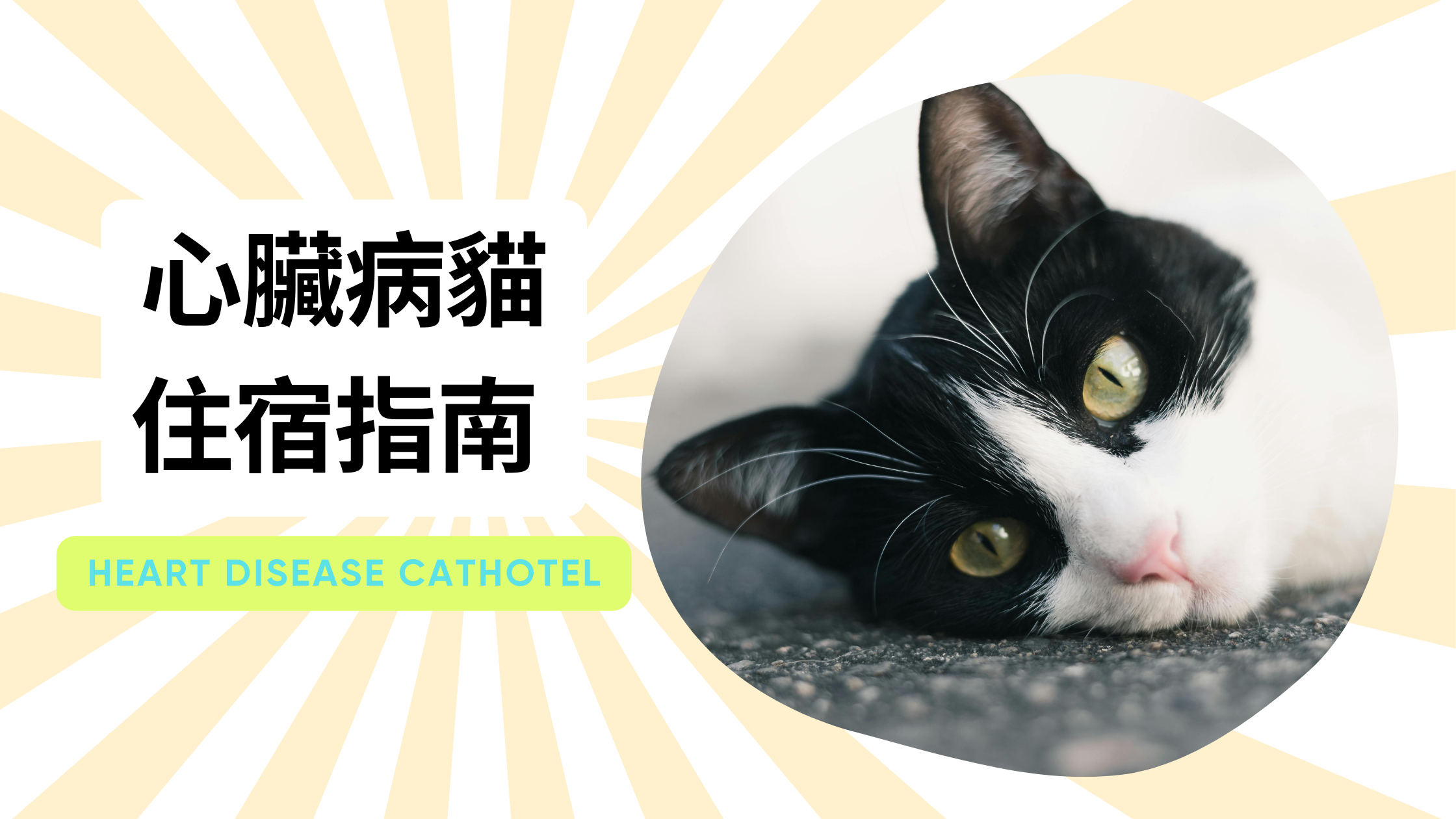
Can cats with heart disease stay at a pet hotel?
Cats with heart disease (such as HCM, cardiomegaly, or valvular disease) are extremely sensitive to stress, temperature changes, and excitement.
An unsuitable boarding environment can lead to:
-
Rapid breathing
-
Elevated heart rate
-
Refusing food and hiding
-
High blood pressure
That said, cats with heart disease aren’t necessarily unable to be boarded — they simply must be placed in the care of a pet hotel or sitter that truly understands medical care.
If a pet hotel cannot provide medical-grade care, we recommend opting for an in-home pet sitter instead, to avoid the stress of a change in environment.
4 key care considerations for boarding a cat with heart disease
1️⃣ Scheduled medication and medication logs
Cats with heart disease typically need the following medications:
-
Heart rate-lowering medication
-
Diuretics (to reduce pleural or pulmonary edema if needed)
-
Blood pressure medication
The most important thing with these medications is giving them on time.
Even a few hours’ delay can cause breathing difficulties or increased fluid buildup.
💡 If you’re worried a pet hotel won’t administer medication on time, consider using:
Fluv pet sitters → they can assist with medication and take photos as proof of administration time
to avoid any delays or risks.
2️⃣ Stress management: stress is the biggest danger for cats with heart disease
Stress directly causes the heart rate to spike, which is very dangerous for cats with heart disease.
A pet hotel should:
-
Be quiet, with no barking dogs or heavy foot traffic
-
Use a cat-dedicated room
-
Maintain low lighting and a consistent temperature
-
Have familiar items available (cat bed, blanket, familiar scents)
If your cat is naturally timid or easily frightened by unfamiliar environments, keeping them at home with a sitter is the better option.
3️⃣ Safety monitoring: watching breathing and activity levels
Respiratory rate is one of the most important health indicators for cats with heart disease.
The pet hotel or sitter should monitor:
-
Resting respiratory rate (normal is 20–30 breaths per minute)
-
Whether the cat seems lethargic or weak
-
Whether the cat is refusing food
-
Whether the cat is panting or breathing with mouth open
If rapid breathing or persistent panting is observed, the owner and vet must be contacted immediately.
Fluv sitters can assist with daily breathing assessments and provide photo/video reports during each home visit.
4️⃣ Avoiding jumping and overexertion
Cats with heart disease shouldn’t be in high-energy spaces or environments where they could easily be startled.
A pet hotel should provide:
-
Non-slip surfaces and low-height spaces
-
Non-stimulating toys
-
Low-activity interactions
If your cat tends to bolt or hide when startled, an in-home care service is the recommended choice.
Why in-home pet sitters are better suited for cats with heart disease
For cats with heart disease, stability is everything.
Fluv pet sitters can provide:
-
Scheduled medication (with photo reports as confirmation)
-
Monitoring of breathing and overall condition
-
Feeding assistance and water changes
-
Care carried out in accordance with veterinary instructions
-
No need to leave home = up to 90% reduction in stress response
-
Daily care diary with photos and videos
Staying home is far safer for a cat with heart disease than being moved to an unfamiliar pet hotel.
FAQ: common questions about boarding cats with heart disease
Q1: Can a cat with heart disease stay at a regular pet hotel?
In most cases, no.
You need a pet hotel or sitter with medical care experience who can administer scheduled medication and monitor breathing.
Q2: My cat seems healthy — does boarding still need to be special?
If your cat has been diagnosed with heart disease, even if they appear normal, stress can cause their condition to worsen.
The more stable the environment, the better.
Q3: Does medication for a cat with heart disease really have to be given on time?
Yes. Any delay can be dangerous.
We recommend using Fluv’s scheduled medication service.
Q4: Can a sitter notice if something is wrong?
Professional sitters on the Fluv platform can monitor:
-
Respiratory rate
-
Refusal to eat
-
Lethargy
-
Panting
and can contact the owner and vet immediately if needed.
Fluv special offers | Limited-time deals for devoted pet owners
#Give your pet the best — give them what truly fits
If you’d like your pet to experience more personalized, home-like care, why not try Fluv’s in-home pet sitter service?
🎁 New users — enter promo code
#UNEW95
Book now and enjoy 5% off your first service!
👉 Looking for a caring, professional pet sitter for your pet?
Views: 1026
 English
  Chinese