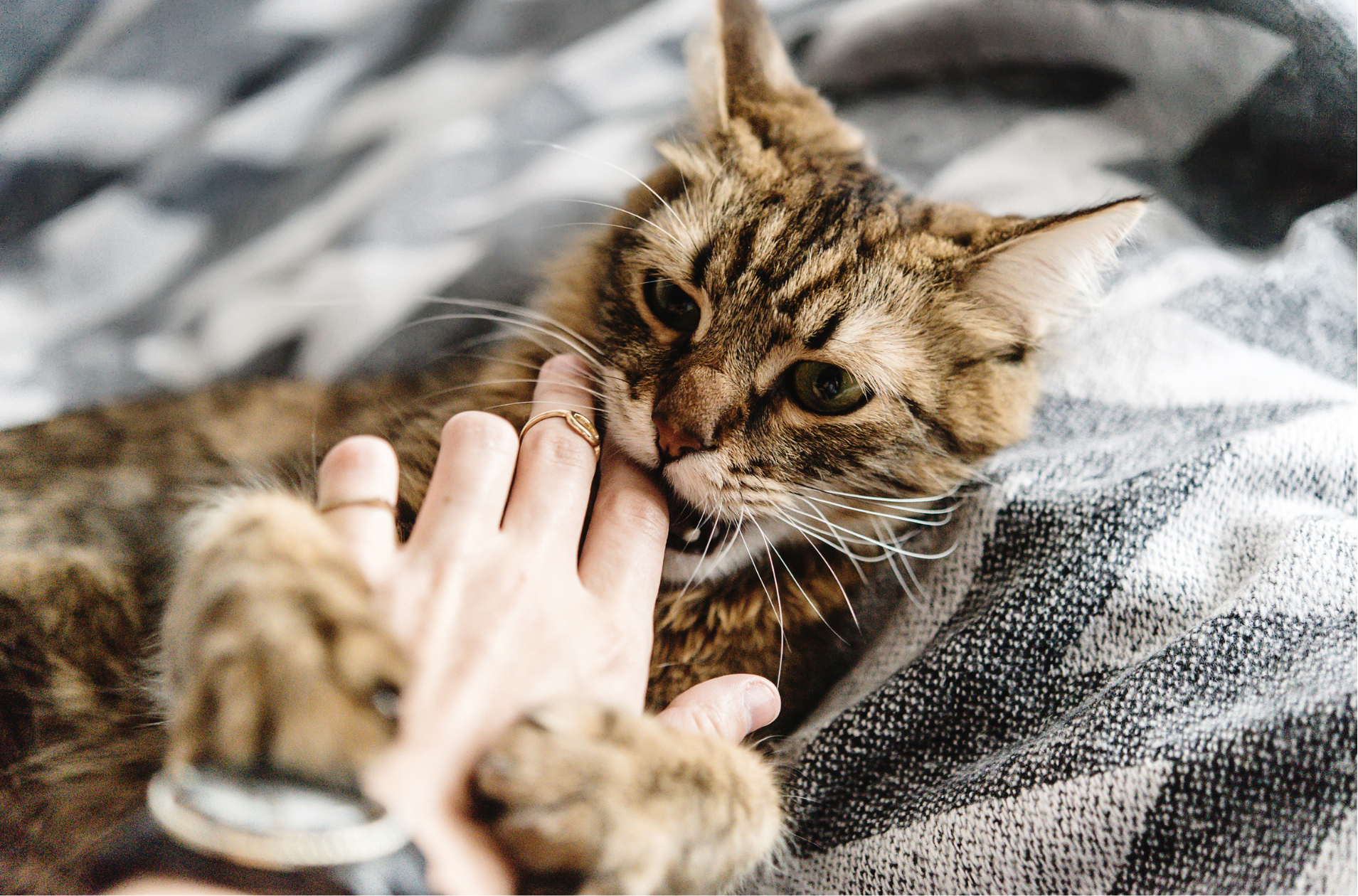
“My cat bites and scratches — can she still stay at a cat hotel?” The answer is: yes, but you need to do proper risk assessment and placement planning. This guide helps you quickly determine when a cat hotel is the right choice and when you’re better off with an in-home cat sitter with cat behavior experience, plus a pre-stay prep checklist and on-site response SOP.

1. Common types of aggressive behavior (quick guide)
- Fear-based: Highly fearful of strangers or new environments; attacks when approached. Common when traveling or in unfamiliar settings.
- Redirected: Triggered by an external stimulus (a cat outside the window, loud noise), then redirects aggression toward a nearby person or animal.
- Pain-induced: Physical discomfort or chronic pain lowers tolerance; attacks when touched.
- Territorial/resource-based: Strong possessiveness over space, litter box, or food. Risk increases in new environments or shared spaces.
A quick reminder: rule out medical issues first (pain, skin irritation, urinary discomfort, etc.) before addressing behavioral management.
2. Risk assessment first: hotel or in-home?
In any of the following situations, prioritize an in-home cat sitter:
- Highly fearful of unfamiliar environments (crouches and hisses immediately when crated, high frequency of attacks).
- Past stays away from home or vet visits resulted in days of not eating or drinking, or stress-induced cystitis.
- Chronic illness requiring medication on a strict schedule, with strong resistance to being medicated.
- Other pets or young children in the household, making transport and placement higher risk.
The following situations may be suitable for a professional cat hotel:
- Private suites, low-noise layout, strict sanitation, and privacy screening — no group housing or shared spaces.
- Staff with experience handling aggressive cats, able to conduct a behavioral pre-assessment and individualized placement.
- Able to provide video check-ins and records of eating/litter use; can refer to a vet if needed.
3. Cat hotel vs. in-home cat sitter: how to choose
| Comparison | Cat hotel (professional) | In-home cat sitter |
|---|---|---|
| Environmental stimulation | New environment with other cats’ scents and sounds | Stays at home — lowest stress possible |
| Interaction safety | Depends on staff training and protective measures | One-on-one care with customizable behavior strategies |
| Cost | Daily rate + add-ons (medication, video check-ins) | Priced by number of visits or hours |
| Best suited for | Moderately manageable cats that can adapt to a private suite | Highly fearful cats, frequent attackers, or cats needing medical management |
4. Pre-stay prep checklist (super practical)
- Behavior and medical info card: Triggers (sounds, smells, proximity), actions to avoid, past biting/scratching incidents, chronic health conditions, medication dosage.
- Familiar items: Original litter, blankets, a hiding box, favorite toys — keeping familiar scents reduces stress.
- Pheromone and calming aids: Feliway® diffuser or spray; discuss with your vet whether short-term sedation or anti-anxiety medication is appropriate.
- Hard-shell carrier training: Build positive associations with the carrier early (treats, hiding spots) to make transport safer.
- Medication practice: Try pill pockets, lickable treat pouches, or a pill gun if needed.
- Contact list: Primary caregiver, backup contact, regular vet, and 24-hour emergency clinic.
5. On-site care and response SOP
- Settle before interacting: On arrival at the hotel or home, give the cat a quiet, enclosed space for 24–48 hours. Use privacy covers and a hiding box.
- Low-stimulation routine: Keep the same caregiver at consistent times; give verbal warnings before approaching, avoid direct eye contact, and approach from the side.
- Three-phase interaction: Observe (pupils, ear position, tail) → Lure (treats, wand toy) → Short task (refresh water, scoop litter, top up food).
- Protective gear: Long-sleeve scratch-resistant clothing, thick towels, dividers; use the “towel wrap method” for medication or transfers when needed.
- Record and report: Track food intake, water consumption, litter use, and emotional state. If the cat refuses food for 24 consecutive hours, shows blood in urine, or has severe labored breathing, contact the owner and vet immediately.
6. Frequently asked questions (FAQ)
My cat bites people at home — can she still stay at a hotel?
Yes, but a risk assessment is needed first, and you should choose a facility with experience handling aggressive cats. If the cat is severely fearful or needs medication, an in-home cat sitter is the better choice to minimize stress.
If the cat shows aggressive behavior, what will the sitter or hotel staff do?
They’ll follow a low-stimulation protocol — no forcing or crowding, use treats to guide rather than restrain. When necessary, they’ll use a towel wrap and protective gear for short interventions, while logging the behavior and adjusting the care strategy with the owner.
Should I give sedatives beforehand?
Please consult your vet first. For highly fearful cats or those requiring medical procedures, short-term medication can help reduce risk — but it’s not the only solution and should be combined with environmental and procedural management.
Fluv special offers | Limited-time deals for devoted pet owners
#Give your pet the best — and the most fitting
If you’d like to give your pet a more personalized, home-like care experience, why not try Fluv’s in-home pet sitter service?
🎁 New users: enter promo code
#UNEW95
Book now and enjoy 5% off your first order!
👉 Looking for a caring, professional pet sitter for your pet?
Views: 1226
 English
  Chinese