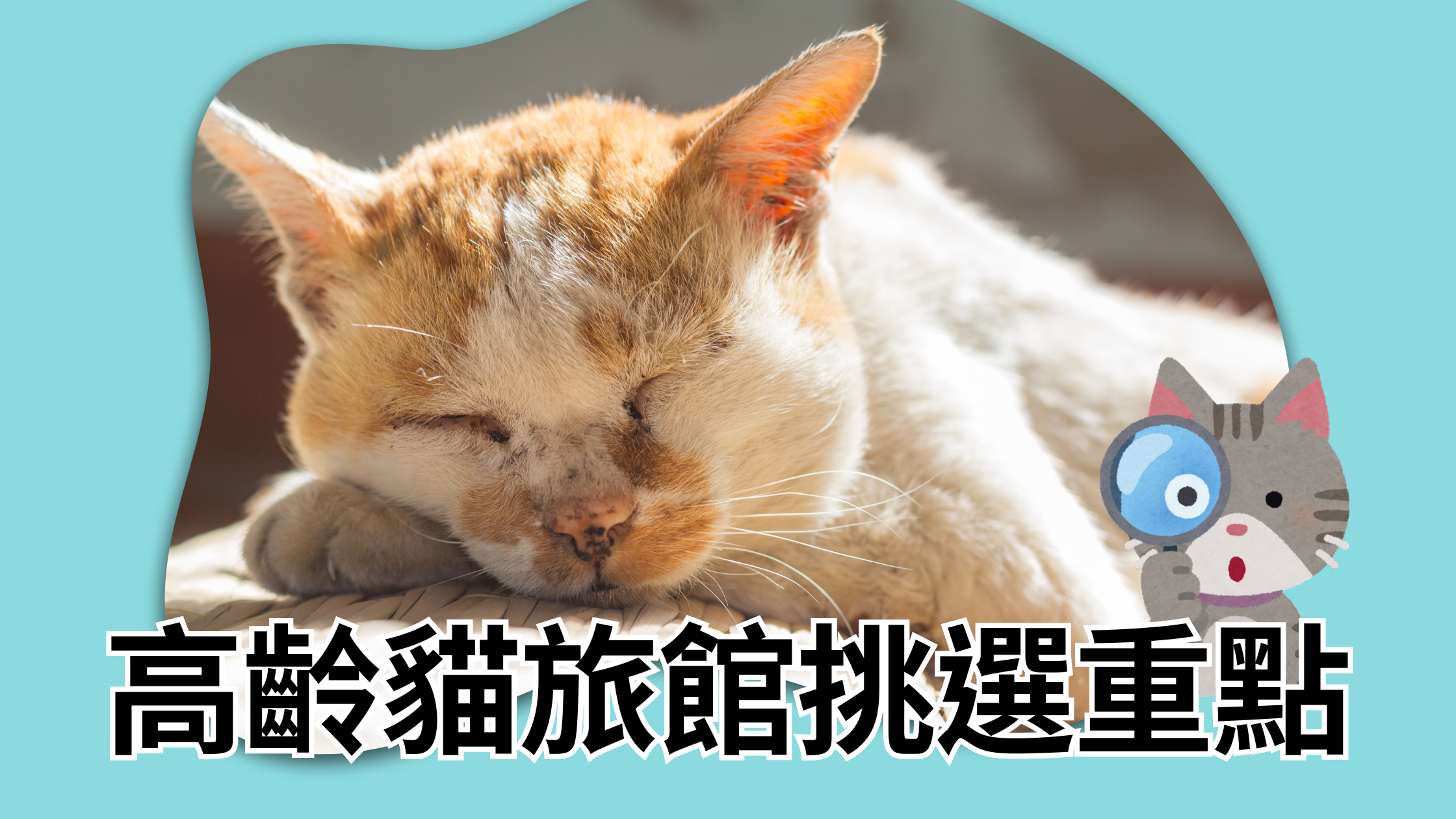
Senior cats at a pet hotel often stress out in unfamiliar settings, refusing food or having litter issues. This guide covers how to assess your senior cat before a stay, what facilities a cat hotel must have, key risk indicators, and a comparison of cat hotels vs. in-home care sitters — complete with a checklist and practical SOP to help you make the safest arrangement.
1. Assess first: which senior cats struggle most with new environments?
- Chronic health conditions: kidney disease, hyperthyroidism, high blood pressure, heart disease, diabetes, oral pain.
- Behavioral stress signs: hiding, refusing food, rapid breathing, excessive grooming, nighttime vocalizing.
- Reduced mobility: arthritis, difficulty jumping onto cat trees, trouble getting in and out of the litter box.
- Requires regular medication or subcutaneous fluids, or shows strong resistance to being medicated.
If two or more of the above apply, prioritize an in-home care sitter so your senior cat stays in a familiar environment, reducing stress and medical risk.
2. 10 must-haves for a senior cat hotel
- Private, quiet suite: away from barking dogs and visual contact with other cats; curtains available for extra coverage.
- Ground-level or low-platform layout: ramps or low steps provided; non-slip mats to prevent falls.
- Low-entry litter box: entrance height under 8–10 cm; litter box and feeding area kept separate.
- Stable temperature and humidity: 24–26°C, 40–60% humidity, with a warming pad available.
- Individualized diet: kidney formula, low-phosphorus, or high-calorie wet food available; warmed or watered down as needed.
- Medication management and records: standardized medication SOP, two-person verification, and post-dose observation notes.
- Water management: circulating water fountain plus multiple water bowls; wet food for hydration if needed.
- Daily health updates: food intake, water intake, litter box frequency and condition, activity level.
- Video check-ins and emergency protocol: available for real-time contact; partnership with a nearby vet clinic.
- Acclimatization option: 1–2 hour trial stay available to assess your cat’s reaction.
3. Cat hotel vs. in-home care sitter: how to choose
| Comparison | Cat hotel (professional) | In-home care sitter |
|---|---|---|
| Environmental change | New environment with unfamiliar smells and sounds | Stays in the home environment — minimal stress |
| Medical care / medication | Depends on staff training; medication service usually costs extra | Customized medication and subcutaneous fluid schedule with records |
| Mobility-friendly | Check for low platforms and non-slip design | Familiar furniture layout; lower fall risk |
| Update frequency | Usually once daily; video check-ins cost extra | Real-time updates with photos/videos after each visit |
| Best suited for | Senior cats in stable health who can adjust to a trial stay | Senior cats with chronic illness, regular medication needs, or sensitivity to change |
4. Pre-stay checklist (including medication and diet)
- Medical file: recent blood/urine test results, medication list (name, dose, schedule), allergy history, and primary vet clinic.
- Feeding details: wet-to-dry food ratio, amount of water added, warming preferences, and feeding routine (spoon, bowl, location).
- Familiar belongings: their usual litter, low-entry litter box, blanket, favorite sleeping spot, and regular water bowl.
- Carrier acclimation: 1–2 weeks before the stay, leave the carrier out as a hiding spot with treats and a blanket to reduce travel stress.
- Stress relief aids: pheromone diffuser or spray; if needed, discuss short-term anti-anxiety or anti-nausea medication with your vet.
- Emergency contacts: primary caregiver, backup contact, 24-hour emergency vet clinic, and transport arrangements.
5. Monitoring and updates during the stay
-
- Food and water: amount eaten per meal and drinking frequency; if the cat hasn’t eaten for 24 hours, report immediately and take action.
- Litter box: low urine output or blood in urine, constipation over 48 hours, or dark stools are all red flags.
- Activity and breathing: wheezing, persistent crying, or noticeable limping all warrant assessment.
- Medication log: photo or form-based check-in, with two-person verification for key medications (blood pressure, hyperthyroidism, diuretics, etc.).
- Video check-in schedule: a fixed time each day (e.g., after dinner) for a 3–5 minute call to observe alertness and gait.
For more on managing stress during boarding and travel, see
International Cat Care’s guidance on choosing a boarding cattery and stress in cats and how to reduce it.
6. Frequently asked questions (FAQ)
It’s my senior cat’s first time at a pet hotel — how do I reduce the risk of them refusing to eat or drink?
Arrange 1–2 trial stays to observe how they react; bring their usual litter and bed, keep the same feeding routine, and use pheromone products. If they remain visibly stressed, switch to in-home care instead.
Can a senior cat that needs regular medication (or subcutaneous fluids) stay at a pet hotel?
It depends on the facility’s capabilities and processes — always confirm their medication SOP and two-person verification. If your cat strongly resists medication or has an unstable condition, an in-home care sitter is the safer choice.
How do I know when to switch from a pet hotel to in-home care?
If any of the following occur — no food for 24 hours, abnormal urine output, persistent hiding or trembling, abnormal blood pressure or heart rate, or missed medications — discuss switching arrangements immediately with the facility, sitter, or vet.
Fluv exclusive offer | A limited-time deal for devoted pet owners
#The best thing for your pet is what fits them best
If you’re looking for a more personalized, home-like care experience for your pet, give Fluv’s in-home pet sitter service a try.
🎁 New users, enter promo code
#UNEW95
Book now and enjoy 5% off!
👉 Ready to find the perfect professional pet sitter for your furry friend?
Views: 840
 English
  Chinese