Bringing a new puppy home is both an exciting and challenging experience. Beyond buying supplies and puppy-proofing your space, understanding your puppy’s physical development and behavioral instincts will help you feel far more prepared as a pet owner. Whether you’re a first-time dog owner or a seasoned fur parent, this article covers the kind of practical puppy knowledge that often doesn’t make it into the guidebooks — but makes a real difference in day-to-day care. Here are 11 puppy facts worth bookmarking, brought to you by Fluv, to help you become the best owner you can be.

Looking for the best care for your furry family member? Taiwan’s largest pet sitter platform is right here.
How many dogs are there in the world? The number might surprise you
According to World Atlas estimates, there are currently around 900 million dogs on the planet — and a staggering 75 to 80 percent of them are stray or free-roaming. This figure is a reminder that countless dogs are still waiting for a loving home. If you’re thinking about adding a furry member to your family, consider visiting a local shelter or animal rescue organization first, and give a stray dog the chance at a fresh start. In Taiwan, the idea of “adopt, don’t shop” has been steadily gaining traction, and many adopted dogs — with proper socialization and training — make wonderfully loyal and gentle companions. Whatever path you choose, the most important thing is to be emotionally and financially prepared for a long-term commitment, so you can be there for your dog throughout their entire life.
Why can’t newborn puppies see or hear?
This is one of the facts that surprises most new owners: puppies are born with their eyes and ears still undeveloped, leaving them both blind and deaf at birth. In those first few weeks of life, they rely entirely on warmth, smell, their suckling instinct, and slow crawling to navigate their world. It’s only around two to three weeks after birth that puppies begin to open their eyes and respond to sounds. By eight to fourteen weeks of age, most puppies have developed enough independence to leave their mother and join a new family. At this stage, they’re typically ready to eat solid food, begin socialization, and even start basic toilet training. Understanding these developmental milestones helps you provide the right kind of care for your puppy’s current stage of growth.
How do a puppy’s teeth develop?
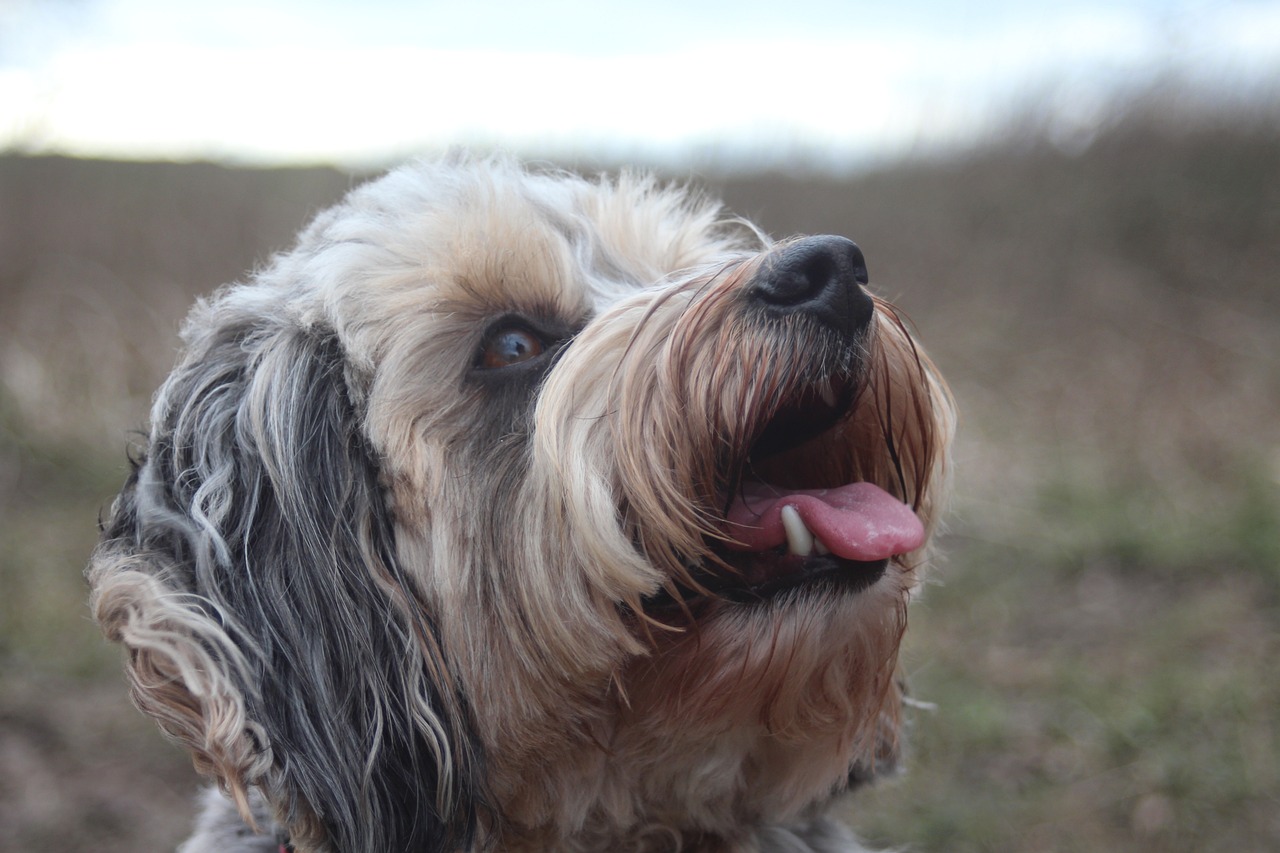
Much like human babies, puppies are born without any teeth. Around two to four weeks after birth, their baby teeth begin to emerge — a total of 28 milk teeth. By around six months of age, these baby teeth fall out and are replaced by 42 permanent adult teeth. During this teething period, puppies will chew on things frequently due to gum discomfort, which is completely normal behavior. It’s a good idea to provide appropriate chew toys at this stage — they’ll soothe your puppy’s sore gums and save your furniture and shoes from becoming chew targets. Even during teething, vets recommend starting to brush your puppy’s teeth as early as possible. The sooner you establish a dental care routine, the easier it becomes to maintain good oral health long-term. Statistics show that over 80 percent of dogs older than three years show some degree of periodontal disease, which makes starting dental care during puppyhood all the more important.
Whether your puppy is going through the irritable teething phase or just needs daily care, Fluv’s in-home pet sitting service can provide attentive companionship when you’re busy.
Do dogs need C-sections too?
Yes, they do. Just like humans, some mother dogs may require a cesarean section during labor. If a mother dog has been in active labor for more than four hours without delivering a puppy, if the gap between two births exceeds two hours, or if a puppy is malpresented and cannot be manually repositioned by a vet, a C-section is typically recommended. Before surgery, the vet will perform an abdominal ultrasound to assess the situation, then administer anesthesia, shave the abdominal area, wrap the tail, and support the recovery of both mother and puppies afterward. Certain brachycephalic breeds — such as French Bulldogs and English Bulldogs — have proportionally larger heads that make natural birth more difficult, so C-sections are significantly more common in these breeds. This is particularly useful knowledge for anyone with breeding plans.
Can puppies be identical twins?
It might sound hard to believe, but science has confirmed it’s possible. In 2014, a veterinarian in South Africa performing a C-section on an Irish Wolfhound discovered two puppies sharing the same placenta, each connected by their own umbilical cord. This was the first formally documented case of identical twin dogs in veterinary literature. Subsequent blood tests confirmed that the two puppies were genetically identical. While this is extremely rare in dogs, the discovery gave scientists a deeper understanding of canine reproductive biology. On average, a litter contains around five to six puppies, though breed, the mother’s age, health, genetics, and nutrition all influence litter size. The largest litter on record occurred in 2004, when a Neapolitan Mastiff gave birth to 24 puppies.

How often does a puppy need a bath?
Many new owners assume puppies need frequent baths to stay clean — but the opposite is actually true. Puppies under eight weeks of age should not be bathed at all, and after that, once a month is generally enough as long as they haven’t gotten into anything particularly messy. Bathing too frequently strips the skin of its natural oils, which are essential for maintaining the skin barrier and coat health. Without this protection, puppies can develop dry skin, itching, or even dermatitis. Always use a gentle shampoo formulated specifically for puppies, and avoid human bath products. If your pet needs a professional in-home bathing service, experienced pet sitters on the Fluv platform can help make bath time safer and stress-free.
If your busy schedule makes it hard to keep up with your puppy’s bathing and grooming routine, let a professional pet sitter lend a hand.
How many times a day should a puppy poop?
This is a common concern for new owners. Because puppies have immature digestive systems and eat more frequently than adult dogs, they naturally have more frequent bowel movements. In the two-to-four-week stage, three to five times a day is completely normal. As they grow and their digestive system matures, bowel movements typically decrease to two to three times a day by around six months of age — closer to the adult range. What to watch isn’t just frequency, but also the color, consistency, and smell of the stool. If your puppy experiences diarrhea, constipation, bloody stools, or you notice foreign material in their feces, take them to a vet promptly. Consistency in diet also plays a key role in gut health — avoid frequently switching food brands or feeding human foods that aren’t appropriate for dogs.
How do large and small breed puppies develop differently?
Interestingly, large breed puppies are actually born with slightly less organ and skeletal maturity than small breed puppies. This is because larger dogs require a longer growth period to fully develop their internal organs and bone structure, meaning they arrive in the world at a comparatively earlier developmental stage. For example, a Chihuahua may reach full adult size at nine to twelve months, while a Great Dane may take eighteen to twenty-four months to fully mature. This also means large breed puppies have different nutritional needs — they require specially formulated large breed puppy food to ensure their bones and joints receive adequate support during rapid growth. Too much calcium or too-rapid weight gain can actually have a negative impact on skeletal development in large breeds. Always choose a food formula that matches your dog’s breed size.

Why does early socialization matter so much?
The socialization window for puppies falls roughly between three and fourteen weeks of age. During this period, puppies are most receptive to new experiences and least prone to fearful reactions. Exposing your puppy to a wide variety of people, animals, sounds, and environments during this time greatly increases the chances of them growing into a calm, adaptable adult dog. Missing this window doesn’t mean socialization is impossible — it just takes considerably more time and patience. Socialization activities can include:
- Taking your puppy to different locations so they experience various surfaces and surroundings
- Letting your puppy interact with people of different ages and sizes
- Playing recordings of everyday sounds like thunder, traffic, and fireworks
- Arranging positive play sessions with other friendly dogs
- Getting your puppy comfortable with being touched all over their body, preparing them for future grooming and vet visits
Through Fluv’s dog walking service, professional pet sitters can help expose your puppy to a wider range of environments during daily walks — which is a great support for socialization.
What do you need to prepare before bringing a puppy home?
Getting everything ready before your puppy arrives makes the adjustment period much smoother. Here’s a basic checklist every new owner should have covered:
- Food and water bowls sized for your puppy
- Puppy-formulated food
- A comfortable bed or crate
- Collar, leash, and ID tag
- Chew toys and interactive toys
- Pet-safe cleaning products
- Puppy-appropriate flea and parasite prevention products
Beyond the physical setup, it’s also worth planning out a daily routine for your puppy in advance — covering feeding times, walks, toilet training, and rest. A consistent schedule helps puppies settle into their new home faster and reduces anxious behavior. If you need to be out for work during your puppy’s adjustment period, consider booking an in-home pet sitting service through Fluv to keep your puppy company, preventing the excessive alone time that can lead to separation anxiety.
What’s the first step to being a responsible owner?
Owning a puppy is a commitment of ten to fifteen years or more. Before embracing all the joy and companionship a dog brings, every owner should honestly assess whether their time, finances, and lifestyle are genuinely suited to dog ownership. Regular vet check-ups, a complete vaccination schedule, a balanced diet, adequate exercise, and ongoing behavioral training are all fundamental to responsible ownership. When travel, long work hours, or other circumstances mean you can’t personally care for your pet, arranging reliable pet care in advance is part of that responsibility too. Fluv’s range of services — including boarding, in-home pet sitting, and dog walking — is designed to help busy owners ensure their pets are well cared for and loved, even when life gets in the way.
Owning a dog is a lifelong commitment — and Fluv is here to be your most reliable partner along the way. Explore care options that work for you and your pet today.
Frequently asked questions
Q: What is the socialization window for puppies?
A: The socialization window refers to the period between three and fourteen weeks of age. During this time, puppies are most open to new experiences and least likely to react with fear, making it the critical window for building a solid behavioral foundation. Owners should take advantage of this period to expose their puppy to a variety of people, animals, environments, and sounds — setting them up to become a well-adjusted adult dog.
Q: How can I tell if my puppy’s bowel movements are normal?
A: Three to five bowel movements per day is within the normal range for puppies, and this typically decreases to two to three times a day as they get older. Pay attention to the color, consistency, and smell — healthy stool should be dark brown and well-formed. If you notice diarrhea, blood in the stool, mucus, or persistent constipation, take your puppy to the vet as soon as possible.
Q: How often should puppies and adult dogs be bathed?
A: Puppies under eight weeks old should not be bathed; after that, about once a month is sufficient. Adult dogs can be bathed every two to four weeks depending on breed, activity level, and skin condition. For both puppies and adult dogs, the key rule is to avoid over-bathing, which can strip the skin of its natural protective oils. Always use a pet-specific shampoo rather than human bath products.
Q: What are common issues during a puppy’s teething phase?
A: When puppies enter the teething phase between four and six months of age, the most common issues are frequent chewing and swollen gums. Some puppies may develop “shark teeth,” where the adult teeth grow in before the baby teeth have fallen out — in these cases, a vet may need to extract the retained baby teeth. Providing appropriate chew toys can help ease discomfort, and starting a toothbrushing routine early is recommended to support long-term oral health.
Q: How much does it cost to raise a large breed puppy?
A: The monthly costs for a large breed puppy are generally higher than for a small breed. Basic monthly expenses covering food, healthcare, and everyday supplies typically range from around NT$3,000 to NT$8,000. First-year one-time costs — including vaccinations, neutering or spaying, and a basic health check — can add several thousand to over ten thousand NT dollars on top of that. Large breed dogs also eat more and may require specialized formulas, so long-term food costs tend to be noticeably higher than for small breeds.
Q: How do I choose the right food for my puppy?
A: Choose a puppy-specific formula that matches your puppy’s breed size — large breed puppy food and small breed puppy food have different nutritional profiles. A quality puppy food should list animal protein as the primary ingredient and contain appropriate levels of fat, calcium, phosphorus, and DHA. It’s a good idea to consult your vet, and try to avoid switching food brands frequently, as this can cause digestive upset.
Q: What services does Fluv offer?
A: Fluv is Taiwan’s largest pet sitter platform, offering five core services: in-home pet sitting, dog walking, boarding, in-home bathing, and in-home grooming. Pet owners can browse vetted, professional pet sitters on the platform to find the right match for their needs — whether it’s daily walks, companionship, or longer-term care while traveling or away on business.
Views: 2701
 English
  Chinese