Table of contents
- Why does choosing the right cat food matter so much?
- What is the first rule of reading an ingredient label?
- Which ingredients should you avoid?
- How are food grades classified, and why does “human-grade” matter?
- How do you know if a food is right for your cat?
- Practical tips for choosing high-quality cat food
- Conclusion
When we travel or get too busy with work to care for our pets personally, making sure they’re eating the right food becomes especially important. Whether you’re feeding them yourself or leaving them in someone else’s care, understanding proper cat nutrition is the first step in protecting your cat’s health.
Why does choosing the right cat food matter so much?
As a devoted cat parent, have you ever stood in the pet store aisle feeling completely overwhelmed? With so many cat food brands to choose from — all boasting labels that say “natural,” “nutritionally balanced,” and “vet-recommended” — it’s easy to assume any bag off the shelf will do the job. The reality, however, is that many commercial cat foods hide some uncomfortable truths in their ingredient lists. Behind all that professional-sounding language, there may be additives that are genuinely harmful to your cat’s health. Cats are obligate carnivores: their digestive systems are built to handle high-protein, meat-based diets, and they have a far more limited ability to digest carbohydrates than most other animals. That’s why knowing how to read an ingredient label — and recognising which ingredients to steer clear of — is essential knowledge for every responsible cat owner.
What is the first rule of reading an ingredient label?
When choosing cat food, the most important principle is this: the first ingredient must be a clearly identified, single animal protein. Just like human food, pet food ingredients are listed in descending order by weight. If you flip the bag over and find the first several ingredients are corn gluten meal, soybean meal, and whole wheat flour — with “chicken” not appearing until the eighth or ninth spot — that food is primarily made of grains and fillers, not the meat protein your cat actually needs. A quality cat food should clearly list a specific meat by name at the top — like “deboned chicken,” “salmon,” or “turkey” — rather than vague terms like “meat” or “protein.”
Which ingredients should you avoid?
Here are the ingredients worth watching out for — and ideally avoiding — when shopping for cat food:
1. Byproducts
In the Taiwanese market, ingredient labelling must comply with Article 22-5 of the Animal Protection Act and the Council of Agriculture’s Pet Food Labelling and Advertising Handbook. In practice, “meat byproducts” in Taiwan typically refers to clean parts remaining after slaughter that are not intended for human consumption.
Under current regulations, the definition and scope are as follows:
-
Source requirements: Must come from livestock and poultry carcasses that have passed veterinary inspection. Permitted parts include heart, lungs, liver, spleen, kidneys, brain, blood, bone, partially defatted low-temperature fatty tissue, and stomachs and intestines that have been cleaned and emptied.
-
Strictly prohibited: By law, byproducts must not contain hair, horns, teeth, hooves, feathers, or fecal matter — materials with no nutritional value.
-
Labelling in practice: While regulations require ingredients to be listed from highest to lowest quantity, Taiwan does not currently mandate detailed disclosure of the specific composition or proportions within byproducts.
-
The core concern: Byproducts do have nutritional value from a scientific standpoint — organ meats, for example, are rich in vitamins and minerals. The real problem is a lack of transparency. Since labels typically use generic terms like “poultry byproduct meal,” consumers have no way to trace the exact parts used or assess their freshness — and that uncertainty is what worries most cat owners in Taiwan.
2. Byproduct meal and meat meal
“Meal” ingredients are the dried protein solids that remain after byproducts are rendered at high temperatures. The rendering process cooks raw materials at extreme heat to separate out fat, remove moisture, and kill bacteria and viruses. The separated fat becomes “animal fat” added to the food, while the dried solids become “meat meal” or “byproduct meal.” These heavily processed ingredients have lost much of their original nutritional value.
3. Vague fat sources
- Avoid: generic terms like “animal fat” or “beef tallow”
- Choose: clearly identified sources like “chicken fat,” “salmon oil,” or “sunflower oil”
When fat sources aren’t specified, manufacturers have room to use oils of wildly varying quality — and you have no way of knowing what your cat is actually eating.

4. Excess grains and carbohydrates
Grains like corn, wheat, and soy aren’t toxic, but cats have a naturally limited ability to digest carbohydrates. In cat food, these ingredients primarily serve as cheap fillers that offer very little nutritional benefit for cats. A long-term high-carbohydrate diet can contribute to obesity and related metabolic issues.
If you’re worried about keeping your cat’s diet on track while you’re away, leaving them with a professional pet sitter is a great way to put your mind at ease.
How are food grades classified, and why does “human-grade” matter?
Many commercial pet foods use “feed-grade” ingredients rather than “human-grade” ones. The difference lies in the strictness of quality control standards and sourcing requirements. It’s worth noting that prior to May 2019, the US FDA permitted the use of so-called “4D” animal tissue as a pet food ingredient. 4D refers to animals that were Dead, Dying, Diseased, or Disabled — materials that had long been present in most commercial pet foods. Fortunately, this policy has since been revoked, but this history serves as a reminder of why transparency around ingredient sourcing matters so much.
Even more alarming, pet foods have been recalled in the past after testing positive for pentobarbital — a euthanasia drug. These drug residues are believed to have entered the pet food supply chain through the rendering of cattle and horse carcasses. This is yet another reason why pet owners need to pay attention to a brand’s sourcing transparency and safety track record.
How do you know if a food is right for your cat?
When shopping, use this checklist to evaluate each option:
- Check the first ingredient: it must be a clearly identified, single animal protein (such as deboned chicken or salmon)
- Look at the fat source: it should name a specific type of fat (such as chicken fat or fish oil)
- Watch the grain ratio: no more than two grains should appear in the first five ingredients
- Check for byproducts: opt for foods that contain no byproducts or meat meal where possible
- Research the brand’s recall history: check food safety recall records regularly
- Note the country of origin and manufacture: pet food regulations vary significantly in strictness from country to country
Older cats may also face issues with insufficient digestive enzymes. As cats age, their natural enzyme production decreases, which can lead to bloating, indigestion, and other digestive problems. Choosing a food that contains probiotics or digestive enzymes — or supplementing with these nutrients separately — can help address this.
Regardless of what food your cat is on, maintaining a consistent feeding schedule and appropriate portion control is equally important. When you need to travel for work or go on holiday, making sure your caretaker understands your cat’s dietary habits and needs will give you real peace of mind.
Practical tips for choosing high-quality cat food
Now that you know what to avoid, here are the positive signs to look for when shopping:
- High-quality animal protein: deboned or fresh meat listed near the top of the ingredient list
- Natural preservatives: look for mixed tocopherols (vitamin E) or rosemary extract instead of artificial preservatives like BHA and BHT
- Beneficial fatty acids: omega-3 and omega-6 fatty acids support healthy skin and coat
- Appropriate fibre: from natural sources like pumpkin or sweet potato
- Transparent brand information: brands that are willing to share details about their ingredient sourcing, manufacturing process, and quality testing reports are more trustworthy
Every cat is different — some may be allergic to certain protein sources, while others may have specific nutritional needs. If you’re unsure what to choose, it’s worth consulting a vet who can help you build a diet plan tailored to your cat’s age, weight, health status, and activity level. When transitioning to a new food, remember to do it gradually over seven to ten days, slowly mixing in the new food to avoid digestive upset.
Conclusion
Choosing the right food for your cat does take some time and effort, but it’s absolutely worth it. Once you know how to read an ingredient label and recognise the harmful ingredients to avoid, you can make dietary decisions for your cat with real confidence. Remember: cats are natural carnivores who need a diet centred on high-quality animal protein. Avoiding byproducts, vague fat labelling, excess grains, and artificial additives — and choosing foods with transparent, clearly sourced ingredients — is the most practical thing you can do to protect your cat’s long-term health.
When you’re away from home, in addition to stocking up on quality food, don’t forget to make sure someone reliable is there to look after your pet’s daily care. Fluv, Taiwan’s largest pet sitter matching platform, rigorously vets all sitters and provides real-time photo reports and platform insurance coverage — so you can stay on top of your cat’s diet and wellbeing no matter where you are.
Frequently asked questions
Q: What are byproducts in cat food?
A: Byproducts are the clean parts remaining after an animal is slaughtered, excluding the primary cuts of meat — things like organ meats, bone, and blood. Their nutritional value varies, and their sourcing and quality can be hard to verify, so it’s generally better to choose foods where a named meat is the primary ingredient. Byproducts aren’t inherently toxic, but the uncertainty around their quality control is the main concern.
Q: How do I read a cat food ingredient label?
A: Ingredients are listed from highest to lowest quantity, so the first ingredient is the most abundant. When shopping, make sure at least one of the first three ingredients is a clearly identified animal protein — like “deboned chicken” or “salmon” — rather than a grain or byproduct. Also check whether fat sources are listed by specific name.
Q: What’s the difference between dry food and wet food? Which is better?
A: Dry food has low moisture content, is easy to store, and can help with dental hygiene, but it tends to be higher in carbohydrates. Wet food has high moisture content, a better protein ratio, and is generally more palatable, but it needs to be refrigerated after opening. Both have their pros and cons, and many vets recommend a combination of the two — giving your cat the hydration benefits of wet food alongside the convenience of dry.
Q: How do I handle digestive problems when switching cat food?
A: Switching foods too quickly can cause vomiting, diarrhoea, or loss of appetite. The right approach is to transition gradually over seven to ten days — mix in 25% new food for the first couple of days, then increase the proportion every two days. If your cat shows signs of discomfort lasting more than three days, pause the transition and consult a vet.
Q: How much should I budget for cat food? Does cheaper mean worse?
A: Quality cat food typically costs around NT$800–2,000 per month, depending on the brand and your cat’s weight. Price isn’t the only indicator of quality, but very cheap foods usually rely heavily on grain fillers and low-quality ingredients. Prioritise ingredient quality first, and within your budget, choose the food with the most clearly identified protein sources.
Q: Does my cat need grain-free food?
A: Not every cat needs grain-free food. Grain-free diets are best suited to cats with allergies or sensitivities to specific grains, but healthy cats can generally tolerate small amounts of grains without issue. The key is that grains shouldn’t dominate the ingredient list — a quality protein source should always come first. It’s worth consulting your vet to assess whether your cat has any specific dietary needs before making the switch.
Q: How do I keep my cat’s diet consistent when I’m away from home?
A: Prepare a sufficient supply of your cat’s regular food in advance, and write down clear feeding times, portion sizes, and any special instructions for the caretaker. Avoid changing food brands or types while you’re away. Choosing an experienced pet sitter helps ensure your cat’s eating routine stays stable and minimises stress from environmental changes.
Fluv exclusive offers | Limited-time deals for devoted pet owners
#Want the most reassuring in-home care experience for your pet?
🎁 New users: enter promo code
#UNEW95
Book now and enjoy 5% off!
👉 Ready to find a caring, professional pet sitter for your pet?
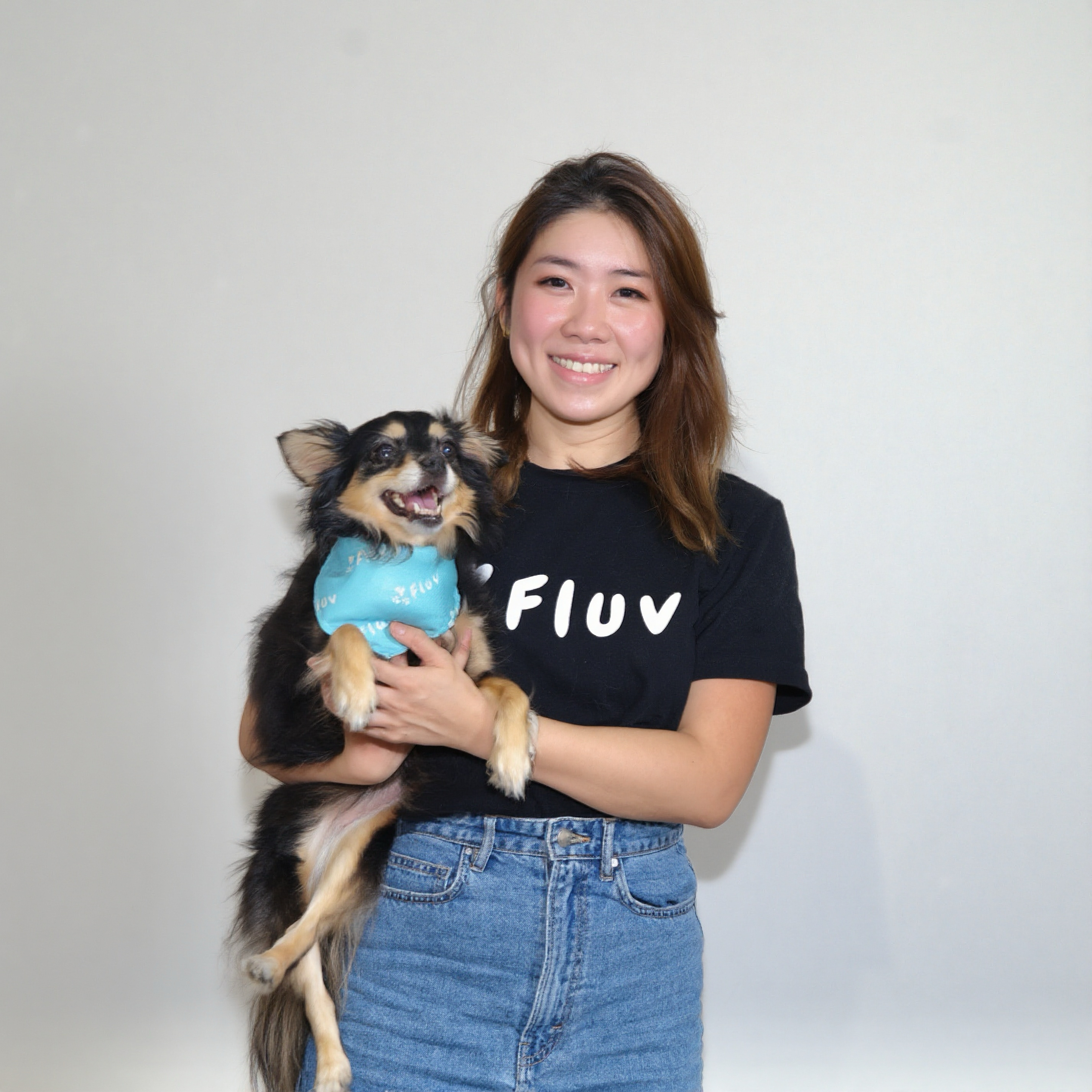
Fluv founder Candace Chen
Forbes 30 Under 30 Asia | 2024 Tatler Gen.T Leaders of Tomorrow
As the founder of Fluv, Candace has built the brand into Taiwan’s largest and most trusted pet care platform, driven by exceptional business vision and execution.
- World-class recognition: named to Forbes 30 Under 30 Asia and selected as a 2024 Tatler Gen.T Leader of Tomorrow.
- Backed by heavyweight investors: has secured investment from Twitch co-founder Kevin Lin and impact venture fund SIC.
- Market leader: has grown Fluv to a community of over 7,000 vetted professional sitters, trusted by 140,000 members.
Further reading:
The complete guide to cat boarding costs: cat hotel prices and long-term boarding fees at a glance
What to do if your cat eats something toxic: food safety rules to keep your cat out of danger
Views: 3321
 English
  Chinese