Table of contents
As devoted cat owners, we always want to give our furry companions the very best — but have you ever stopped to think about how many hidden food hazards in everyday life are quietly threatening your cat’s health? Cats are naturally curious, and they’re not just hunters — they’re born foragers. Any crumb that falls on the floor or lands on the counter can look like treasure to them. Yet many ingredients that seem completely harmless can be deadly to cats. This article covers everything from everyday food storage habits to holiday eating dos and don’ts, giving every cat parent the essential knowledge to protect their cat’s dietary health.
Why does dry food storage matter so much?
Many owners buy a large bag of dry food, fold the top over, and leave it in a corner — not realizing this habit comes with real risks. An open or unsealed bag doesn’t just absorb moisture and go stale; it’s essentially an all-you-can-eat buffet for cockroaches, ants, and even mice. These pests leave behind droppings and pathogens, which can cause anything from an upset stomach to a serious infection if your cat eats contaminated food. The right approach is to transfer dry food into an airtight container — ideally an opaque food storage bin with a silicone-sealed lid. This keeps out pests and moisture, extends the food’s freshness, and even prevents your sneaky cat from helping themselves to extra meals — a smart, all-around win.
How should you store opened wet food properly?
If you only have one cat, a full can of wet food is often too much for a single meal. Many owners just put the lid back on and leave the can on the counter, planning to serve the rest next time — but this is actually a risky habit. Once opened, wet food left at room temperature for more than two hours becomes a breeding ground for bacteria. The right thing to do is transfer leftover wet food into a glass or food-grade airtight container, refrigerate it, and use it within three to four days. If it’s been longer than that, throw it out — even if it looks fine. Don’t take the risk.
A handy tip is to buy single-serving cans or pouch-style treats — one pack per meal, fresh every time with no waste. If your cat doesn’t like cold food, try mixing in a little warm water after taking it out of the fridge, or gently warm it in a water bath. Just don’t leave it sitting at room temperature for a long time in the name of “letting it warm up.”
What should you know about fresh and raw feeding?
In recent years, more and more owners have started preparing homemade fresh food or trying raw diets for their cats. These approaches can have real benefits, but food safety standards need to be even stricter. When handling fresh food for cats, apply the same hygiene standards you’d use for your own meals: raw meat must be kept refrigerated at 4°C or below, cooked food should not be left at room temperature for more than two hours, and all cutting boards and utensils must be thoroughly cleaned and disinfected to prevent cross-contamination. One thing to pay special attention to: many owners batch-prepare a week’s worth of fresh food and freeze it in portions. When thawing, always do so slowly in the fridge — never leave it out at room temperature — to minimize the risk of bacterial growth.
Finding a professional carer who understands your cat’s dietary habits means you can head out with complete peace of mind.
Which human foods are deadly to cats?
Festive periods are high-risk times for cats accidentally eating human food. The elaborate dishes on the table and gift food brought by visiting family and friends are full of potential hazards. Here are some common ingredients that are especially dangerous for cats:
Onions, garlic, chives, and scallions
These allium-family ingredients contain organosulfur compounds whether raw or cooked, and they destroy a cat’s red blood cells, leading to hemolytic anemia. Symptoms of poisoning include rapid breathing, an elevated heart rate, pale gums, and unusual fatigue. Since onions and garlic are staples in Taiwanese cooking, table scraps are particularly risky for cats — even a small amount of scallion can cause harm.
Grapes, raisins, and currants
These fruits are highly toxic to a cat’s kidneys, and even a small amount can cause acute kidney failure or death. Fruit gift boxes, breads, and cookies common during the New Year holidays may all contain these ingredients. Also, never let your cat bat a grape around like a toy — the moment you look away, that “toy” could end up in their mouth.
Seasoned meats, fatty foods, and bones
Roasted chicken and braised pork are staples at Taiwanese family celebrations. While a small amount of plain boiled chicken is fine to share with your cat, heavily seasoned, salty, or fatty meats put serious strain on a cat’s digestive system and can even trigger pancreatitis. Bones are absolutely off-limits — bone fragments can puncture the digestive tract or pose a choking hazard.
How to build safe feeding habits in everyday life
Building good feeding habits doesn’t happen overnight, but a few core principles can go a long way in reducing the risk of diet-related illness in cats:
- Feed on a schedule: avoid leaving food in the bowl for long periods, especially wet food. Remove any uneaten food within 20–30 minutes of serving.
- Wash the food bowl daily: stainless steel or ceramic bowls are more hygienic than plastic ones, and should be washed thoroughly with hot water and dish soap every day.
- Store food separately: keep your cat’s food storage area away from cleaning products and medications to avoid cross-contamination.
- Be extra careful during the holidays: at gatherings or parties, make sure food on the table is out of your cat’s reach. If needed, give your cat a separate, safe space to stay.
- Track unusual reactions: if your cat vomits, has diarrhea, or seems lethargic after eating, note it down immediately and get to a vet as soon as possible.
When you’re away for work or travel, make sure to clearly communicate these food safety guidelines to whoever is caring for your cat, so they can provide safe, proper feeding in your absence.
What to do when your cat eats something dangerous
If you discover your cat has eaten something they shouldn’t, stay calm — but act quickly. First, identify what they ate, how much, and roughly when. This information is critical for the vet’s diagnosis. Do not try to induce vomiting or force any liquid on your own, as some substances can cause further harm if brought back up. Call your regular vet or an emergency animal hospital right away and follow their instructions. It’s a good idea to post emergency vet contact information somewhere visible, like on the fridge, and save the address of your nearest 24-hour animal emergency clinic in your phone — just in case.
Conclusion
Keeping your cat safe around food is something every responsible cat parent needs to stay on top of. From proper dry food storage and leftover wet food handling to knowing which human foods are harmful, these basics may seem simple — but they’re the first line of defense for your cat’s health. Whether it’s an ordinary day or a holiday gathering, a little extra care and preparation goes a long way in keeping your cat healthy and by your side.
Whether you’re traveling or working late, professionally vetted pet sitters on the Fluv platform can provide reliable in-home care for your cat, keeping you updated with real-time photo reports so you always know how your furry friend is doing.
Frequently asked questions
Q: What are the most dangerous human foods for cats?
A: Onions and garlic, grapes and raisins, and chocolate are the most dangerous human foods for cats. Alliums cause hemolytic anemia, grapes can trigger acute kidney failure, and even a small amount can be life-threatening — always store these ingredients somewhere your cat cannot reach.
Q: How should you properly store an opened can of cat food?
A: Transfer opened wet food to an airtight container and refrigerate it. Never leave opened wet food at room temperature for more than two hours, and use refrigerated leftovers within three to four days. Any food past that point should be thrown away — don’t feed it to your cat.
Q: What’s the difference between storing dry food in the original bag versus an airtight container?
A: Storing in the original bag leaves food vulnerable to moisture and pest intrusion, while an airtight container blocks air, humidity, and pests. A sealed food storage bin not only keeps kibble fresher longer — it also prevents your cat from sneaking extra meals, making it a safer, more hygienic choice overall.
Q: What symptoms appear if a cat eats onion or garlic?
A: Common symptoms include rapid breathing, an elevated heart rate, pale gums, and lethargy. These signs may not appear until hours or even days after ingestion — if you notice any unusual behavior in your cat, take them to a vet immediately for a blood test and treatment.
Q: Can cats eat cooked chicken? What should you watch out for?
A: Cats can have small amounts of plain boiled chicken as a treat. Just make sure it contains absolutely no salt, fat, onion, garlic, or other seasonings, and that there are no bone fragments. Tear it into small pieces to serve, and keep the portion to no more than 10% of your cat’s daily caloric intake.
Q: What food-related information should you share when booking an in-home pet sitter for your cat?
A: You should provide your cat’s regular feeding times, the type and amount of food, where the food is stored, and any dietary restrictions or allergies. It’s also a good idea to include your vet’s contact information so the sitter can reach professional help quickly in an emergency.
Q: What budget and preparation does homemade fresh cat food require?
A: Monthly costs vary depending on ingredient choices, but tend to run slightly higher than premium commercial food. Beyond food costs, you’ll need dedicated cutting boards, airtight portion containers, and a food scale. It’s also recommended to consult a vet or pet nutritionist first to make sure the nutritional balance meets your cat’s needs.
Fluv special offers | Limited-time deals for devoted pet owners
#Want to give your pet the most reassuring in-home care experience?
🎁 New members, enter the promo code
#UNEW95
Book now and enjoy 5% off!
👉 Looking for a caring, professional pet sitter for your furry friend?
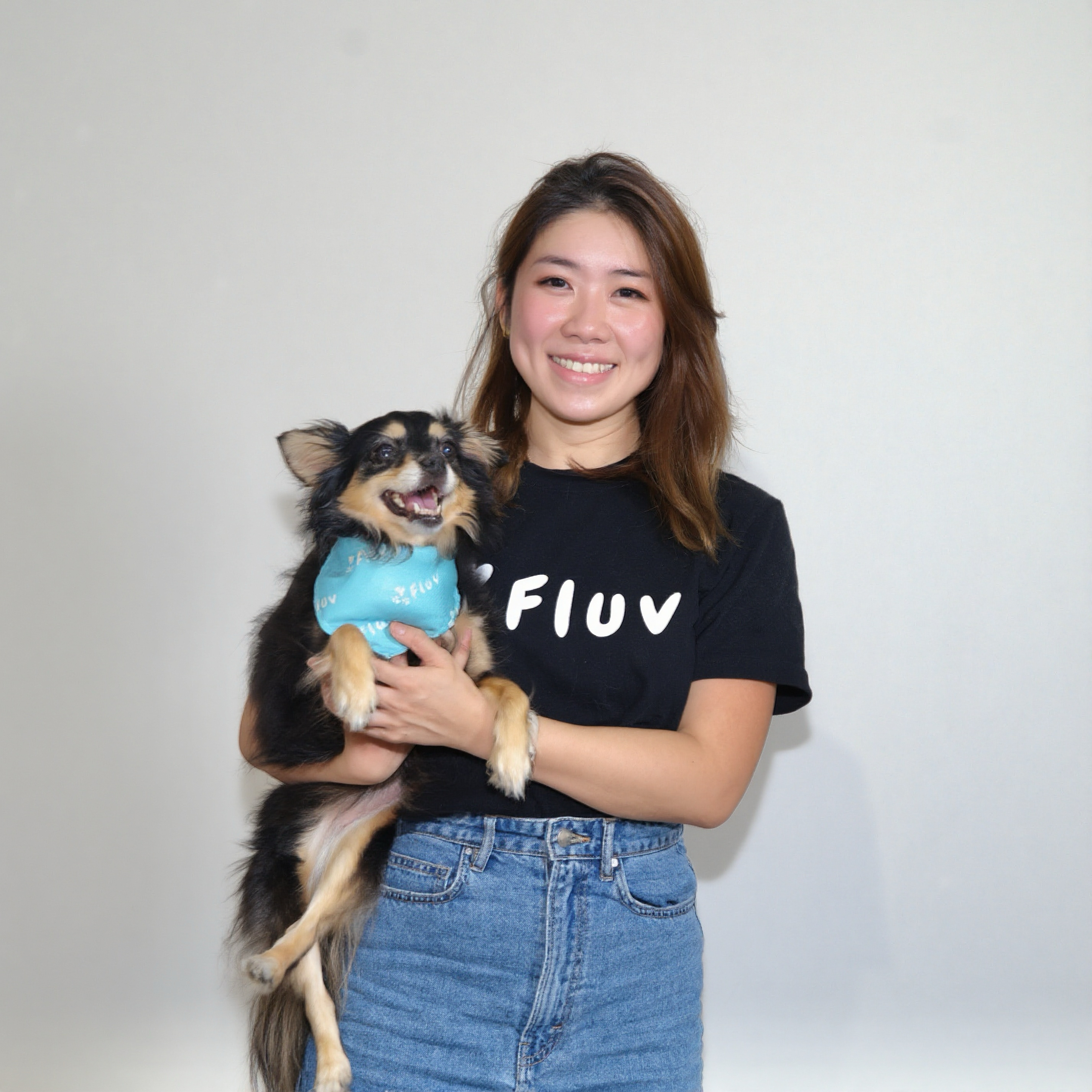
Fluv founder Candace Chen
Forbes 30 Under 30 Asia | 2024 Tatler Gen.T Leaders of Tomorrow
As the founder of Fluv, Candace has leveraged exceptional business vision and execution to build the brand into Taiwan’s largest and most trusted pet care platform.
- Globally recognized: named to Forbes 30 Under 30 Asia and selected as a 2024 Tatler Gen.T Leader of Tomorrow.
- Backed by top investors: secured investment from Twitch co-founder Kevin Lin and venture firm SIC.
- Market leader: has grown Fluv to a network of over 7,000 vetted professional sitters, earning the trust of 140,000 members.
Further reading:
What can’t cats eat? 8 foods on your table that are threatening your cat’s health
How to handle a cat UTI? 5 dietary management tips you need to know
Views: 2820
 English
  Chinese