As a cat parent, you’ve probably faced a moment where you needed to switch your cat’s diet. Maybe your cat became picky, their digestion wasn’t quite right, or you realized the current food wasn’t nutritionally ideal. Whatever the reason, all vets and pet nutrition experts agree on one thing: you should never rush a food transition. Switching too quickly can cause vomiting, diarrhea, and even complete food refusal — which can lead to more serious health problems. This article walks you through a complete gradual transition method to help your cat safely and smoothly adapt to their new diet.
Table of contents
Why can’t cats switch food suddenly?
Many owners think: “If my cat is hungry enough, they’ll eat.” But this is actually a dangerous assumption for cats. Unlike dogs, cats that go more than 24 hours without eating can develop hepatic lipidosis — a potentially fatal liver disease. Even insufficient food intake over just a few days can trigger the same problem. So never try to force your cat to accept new food by withholding their old food.
Sudden diet changes cause digestive upset because your cat’s digestive system needs time to adapt to the different protein sources, fat ratios, and fiber content in new food. The enzymes and gut microbiome in the digestive tract need to adjust gradually to effectively break down and absorb the nutrients in the new food. A drastic change disrupts this balance, leading to intestinal inflammation, loose stools, or vomiting. Once you understand why, it’s easy to see why a gradual transition matters so much.
How to follow a 7-day gradual transition plan
Vets recommend a transition period of 7 to 14 days. Below is a standard 7-day ratio schedule suitable for most healthy adult cats:
| Phase | Days | Old food | New food |
| Phase 1: Adjustment | Days 1–3 | 75% | 25% |
| Phase 2: Blending | Days 4–5 | 50% | 50% |
| Phase 3: Transitioning | Days 6–7 | 25% | 75% |
| Phase 4: Transition complete | Day 8 onward | 0% | 100% |
The key to this plan is observing your cat’s response at each stage. If at any point you notice loose stools, vomiting, or a noticeable drop in appetite, go back to the previous ratio and give your cat’s digestive system more time to adjust. Every cat has a different sensitivity level, and some may need to stay at each stage a little longer — that’s completely normal. The important thing is to be patient and not ignore the signals your cat’s body is sending just to speed things along.
What about cats with sensitive stomachs?
If your cat naturally has a sensitive stomach, or has had trouble with food transitions before, consider extending the transition to 10–14 days. Start with just 10% new food on day one, then increase by 10% every one to two days, working through the transition gradually. This slower approach significantly reduces the risk of digestive upset.
During the transition, keep a close eye on these indicators:
- Whether bowel movement frequency, color, and consistency are normal
- Any vomiting or retching
- A noticeable decrease in appetite
- Changes in energy level and activity
- Unusually high or low water intake
If you notice anything unusual, immediately go back to the ratio your cat was comfortable with and hold there for at least two to three days before trying to move forward again. If symptoms persist for more than 48 hours, consult a vet as soon as possible.
If you need to be away during the transition, it’s important to make sure your caregiver fully understands where you are in the process.
Special considerations when switching from dry to wet food
Transitioning from an all-dry diet to wet food is usually more challenging than switching from one wet food to another. Dry and wet food differ enormously in texture, smell, and taste, and many cats that have eaten dry food their whole lives may not initially recognize wet food as “food” at all. Here are a few tried-and-true techniques to help your cat make the switch.
First, try sprinkling a small amount of dry food on top of the wet food. This lets your cat approach the wet food from the familiar scent of their dry kibble. Once they accept this combination, try mixing the dry food into the wet food. You can also crush the dry kibble into a powder and sprinkle it on top for extra flavor — this often works well for particularly picky cats.

Another useful trick is to warm the wet food slightly. A few seconds in the microwave brings out the aroma and makes it more appealing to cats. Just keep these points in mind:
- Always stir thoroughly after heating to avoid hot spots
- Test the temperature with your finger before serving to make sure it won’t burn your cat’s mouth
- Don’t overheat — 5 to 10 seconds is usually enough
You can also sprinkle probiotic powder on top of the wet food to boost its appeal. Probiotics not only make the food tastier, they also help maintain a healthy gut microbiome — a win-win for cats with sensitive digestion.
More practical tips for the transition period
Beyond getting the ratios and techniques right, these additional tips can make the whole process go more smoothly. First, try to schedule the transition during a calm, stable period in your cat’s life with no other stressors. Moving house, a new family member arriving, or an extended absence by the owner are not ideal times to switch food, since stress alone can affect appetite and digestion.
Second, keep a daily log of feeding ratios and your cat’s reactions. A simple food diary helps you track progress and gives you useful information to share with your vet if needed. Third, if you have multiple cats and only one needs a food change, make sure to feed them separately so they don’t eat each other’s food and disrupt the transition plan. Finally, keeping fresh water readily available is especially important — particularly when switching from wet to dry food, since cats will need to drink more water to compensate for the reduced moisture content in their diet.
Whether you’re switching food for health reasons, age-related needs, or simply to give your cat better nutrition, following a gradual transition plan and keeping a close eye on your cat’s condition will help the vast majority of cats successfully make the change.
Looking for professional in-home cat care? Let an experienced sitter help keep your cat’s food transition on track while you’re away.
Conclusion
Switching your cat’s food isn’t difficult, but it does take patience and the right approach. Sticking to a 7–14 day gradual transition, watching your cat’s physical responses closely, and stepping back a phase whenever problems arise are all key to a successful switch. If your cat has a sensitive stomach, take it slower and consider adding probiotic support. Remember, every cat adapts at their own pace — respecting your cat’s timeline is the best care you can give. And of course, if you have any concerns during the transition, consulting a vet is always the safest choice.
Fluv, Taiwan’s largest pet sitter matching platform, offers in-home care from rigorously vetted professional sitters, with real-time photo reports and platform insurance coverage. If you need to go out while your cat is mid-transition, let a professional sitter help you keep the plan on track — so you can leave with peace of mind and your cat’s health stays uninterrupted.
Frequently asked questions
Q: What is gradual food transitioning?
A: Gradual food transitioning means slowly blending old and new food over a set period of time, progressively increasing the proportion of new food. The process typically takes 7–14 days, giving your cat’s digestive system enough time to adjust to the new food’s protein composition and nutritional profile, greatly reducing the risk of digestive upset.
Q: How do I know if my cat is reacting badly to the new food?
A: The most common signs of a bad reaction include vomiting, diarrhea, loose stools, or complete food refusal. Check your cat’s bowel movements, appetite, and energy levels every day. If any of these symptoms appear, immediately go back to the previous transition phase and hold there for at least two days before trying to move forward again.
Q: What’s the difference between switching dry to wet food versus wet to wet food?
A: Switching from dry to wet food is generally harder, since the two differ enormously in texture, smell, and taste. Switching from one wet food to another is relatively straightforward because the cat is already used to the wet food format. For dry-to-wet transitions, it helps to use extra techniques like sprinkling crushed dry kibble on top or warming the wet food to boost acceptance.
Q: When should I take my cat to the vet if they refuse to eat?
A: If your cat hasn’t eaten anything for more than 24 hours, it’s time to pay close attention. If they still refuse to eat after 36–48 hours, take them to the vet immediately. Prolonged fasting can lead to hepatic lipidosis — a potentially fatal condition that requires prompt medical intervention.
Q: Can I change my cat’s water setup at the same time as switching food?
A: It’s best not to make multiple diet-related changes at once. Changing one variable at a time lets you accurately identify what’s causing any reaction. Once the food transition is fully complete, then consider adjusting other habits — like switching water dispensers or changing feeding times.
Q: Do kittens and senior cats need a different transition approach?
A: Yes, special care is needed. Kittens’ digestive systems are still developing, so the transition can move a little faster, but you should still monitor their reactions closely. Senior cats may have reduced digestive function, so a slower 14-day transition plan is recommended, along with regular health check-ups to confirm they’re physically ready for a dietary change.
Q: If I’m traveling during the transition, how do I make sure my cat’s diet plan stays on track?
A: The best approach is to give your caregiver a detailed transition schedule with the exact ratio for each meal. You can pre-portion each meal and label it by date, or use a professional in-home pet sitter service so an experienced caregiver can follow your instructions and keep the transition plan going exactly as planned.
Fluv exclusive deals — limited-time offers for devoted pet parents
#Want the most reassuring in-home care experience for your pet?
🎁 New members: enter promo code
#UNEW95
Book now and enjoy 5% off!
👉 Ready to find a caring, professional pet sitter for your furry family member?
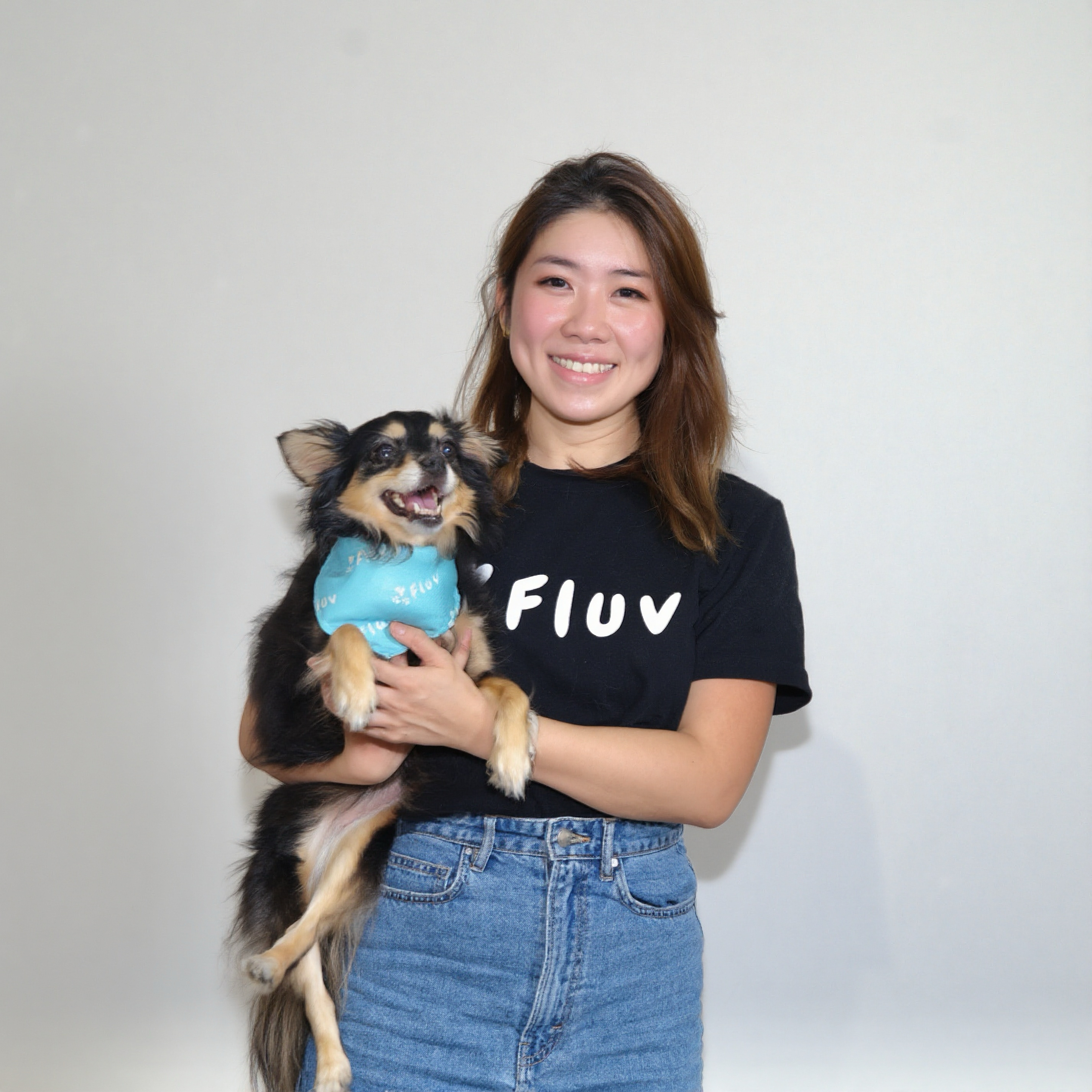
Fluv founder Candace Chen
Forbes 30 Under 30 Asia | 2024 Tatler Gen.T Leaders of Tomorrow
As the founder of Fluv, Candace has built the brand into Taiwan’s largest and most trusted pet care platform through exceptional business vision and execution.
- World-class recognition: Named to the Forbes 30 Under 30 Asia list and selected as a 2024 Tatler Gen.T Leader of Tomorrow.
- Backed by top investors: Successfully secured investment from Twitch co-founder Kevin Lin and influential venture firm SIC.
- Market leader: Led Fluv to a network of over 7,000 vetted professional sitters, earning the trust of 140,000 members.
Further reading:
Cat UTI: 5 essential diet tips you need to know
Cat treats aren’t just rewards — here’s how to use them to enrich your cat’s life
Views: 5254
 English
  Chinese