
Table of contents
As a cat owner, you’ve probably stood in the pet store aisle at some point, unsure whether to reach for the canned wet food or the bag of dry kibble. It seems like a simple question, but the answer touches on hydration, balanced nutrition, dental health, and much more. Cats are obligate carnivores — their digestive systems and nutritional needs are fundamentally different from ours, so choosing food isn’t just about price or convenience. You also need to think about whether the ratios of protein, fat, and moisture match your cat’s physiological needs. Age, breed, body weight, and the presence of any chronic conditions all play a role in determining the best diet. In this article, we’ll break down the differences between wet and dry food across ingredients, texture, storage, and health impact — giving you everything you need to make the smartest choice for your beloved companion.
What’s the difference between wet food and dry food?
Many owners assume wet and dry food differ only in appearance and texture, but the two are actually quite distinct — from moisture content and ingredient composition to their effects on your cat’s health. Understanding these core differences lets you make an informed decision based on your cat’s individual needs, rather than going on gut feeling or habit. Here’s a look at five key areas where wet and dry food set themselves apart.
Moisture content
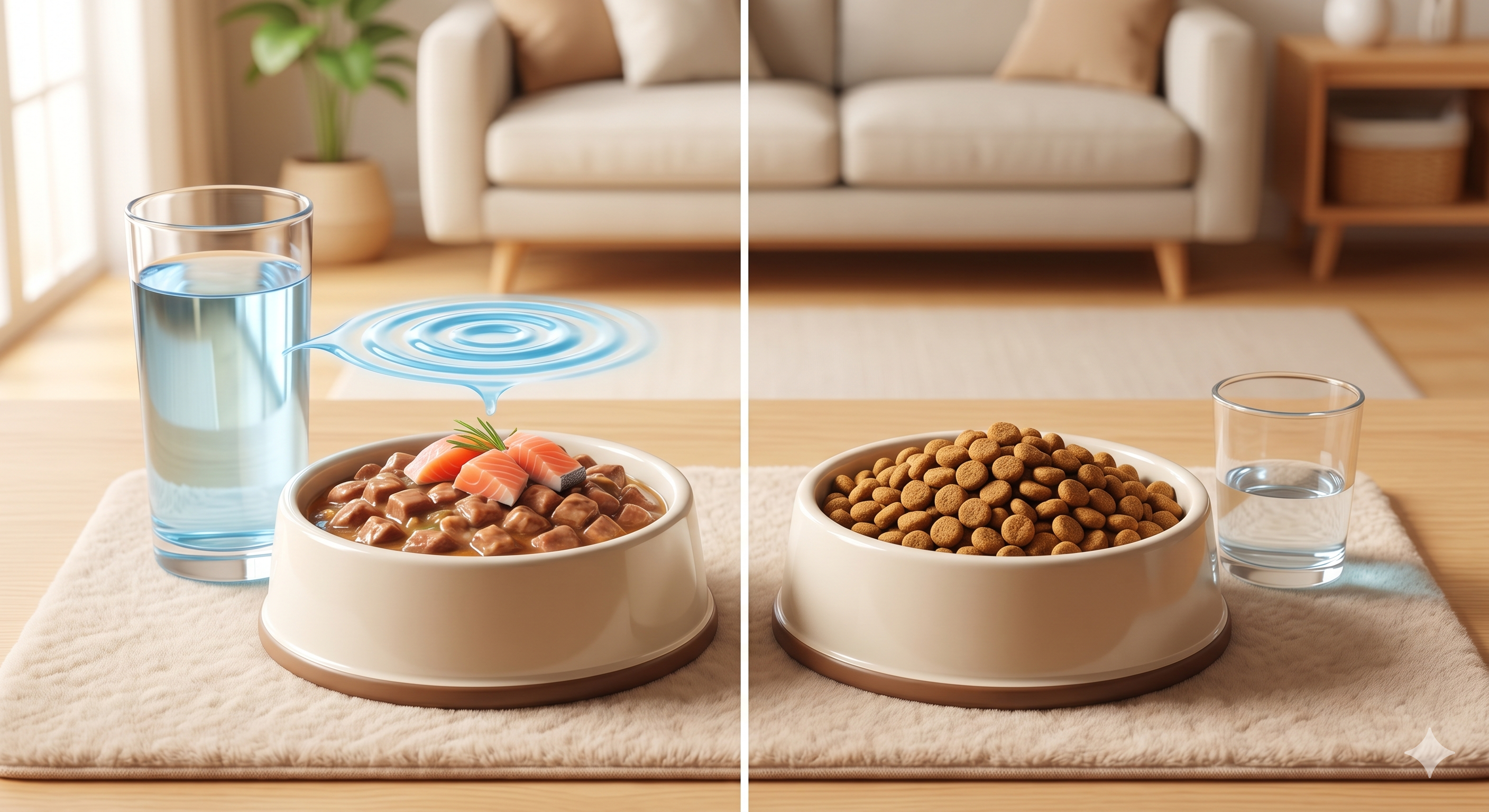
This is the most fundamental difference between the two. Wet food typically contains 70–80% moisture, while dry kibble has only around 10%. Since cats are naturally low-thirst animals, wet food can provide a significant source of hydration alongside each meal, helping to reduce the risk of urinary tract disease. If your cat is primarily eating dry food, you’ll need to pay close attention to their daily water intake — consider placing multiple water bowls around the home or using a flowing water fountain to encourage drinking.
Ingredient composition
Cats are true obligate carnivores, and wet food is generally closer in composition to the prey they would eat in the wild. Canned food and pouches typically contain a higher proportion of animal-based protein, with a texture that more closely resembles fresh meat. Dry kibble, on the other hand, must be baked or extruded into shape during manufacturing, which often results in a higher carbohydrate content — and preservatives or artificial additives may be included to extend shelf life and maintain palatability. When shopping, read the ingredient list carefully and look for products that list real meat as the first ingredient.
Palatability
Most cats are drawn to the meaty aroma and soft texture of wet food — especially picky eaters or older cats with dental issues, who tend to accept it more readily. That said, some cats genuinely prefer the satisfying crunch of dry kibble, and every cat’s preferences are different. If your cat has a poor appetite or refuses food after a switch, try starting with a small amount mixed in and observing their reaction before making further adjustments.
Dental health
Dry food has a clear edge when it comes to dental hygiene. The act of chewing hard kibble creates friction that helps reduce plaque and tartar buildup. There are also specially formulated dental kibbles on the market, with kibble size and hardness optimized for oral cleaning. Wet food offers comparatively little benefit in this area, so cats on a primarily wet food diet will need more regular dental check-ups and teeth cleaning from their owners.
Storage and convenience
When it comes to day-to-day ease of use, dry food wins hands down. Once opened, it can be stored at room temperature as long as it’s properly sealed, and portions are easy to measure accurately. Wet food, once opened, must be refrigerated and used within a set time — otherwise it can spoil and harbor bacteria. For busy owners who travel frequently or work long hours, dry food is simply much easier to manage.
When you need to be away from home, it’s especially important to brief your sitter on the correct feeding routine. A professional in-home care visit ensures your cat’s meals stay on track without interruption.
What are the pros and cons of each?
Now that we’ve covered the core differences, let’s take a more structured look at the strengths and weaknesses of each type of food — so you can compare them at a glance.
Pros of wet food
- High hydration: With 70–80% moisture content, wet food helps cats maintain healthy fluid balance. It’s especially beneficial for cats that don’t drink much water and can help prevent kidney and urinary tract issues.
- High palatability: The rich aroma and tender texture appeal to most cats. It’s a great option for cats with low appetite or dental problems.
- Easy to digest and absorb: The soft texture makes wet food easier on the digestive system, which is particularly helpful for senior cats or those with sensitive stomachs.
- Variety of flavors and textures: From pâté and chunks to shreds, wet food comes in a wide range of options that cater to different taste preferences and keep mealtime interesting.
Cons of wet food
- Short shelf life once opened: Must be refrigerated and consumed quickly, which requires more effort to manage.
- Less convenient to handle: Portioning, washing bowls, and managing fridge space all take more work than dry food.
- Higher cost per serving: Wet food generally costs more per meal compared to dry kibble.
Pros of dry food
- Convenient storage and long shelf life: Sealed at room temperature, it takes up no fridge space and is easy to buy in bulk.
- Supports dental health: Chewing kibble helps clean tooth surfaces and slow tartar formation.
- Budget-friendly: For the same amount of food, dry kibble is typically much more affordable than wet food.
- Easy portion control: The uniform shape of kibble makes it simple to measure each meal accurately — especially useful for cats that need weight management.
Cons of dry food
- Low moisture content: At only around 10% moisture, long-term feeding on dry food alone can lead to inadequate hydration, increasing the risk of constipation or urinary tract problems.
- Less appealing to some cats: Picky eaters — especially those accustomed to the texture of wet food — may be reluctant to eat dry kibble.
- More heavily processed: Manufacturing may involve more artificial ingredients, and high-temperature baking can reduce the nutritional value of some raw materials.
When should you consider switching your cat’s diet?
If you’re thinking about switching from dry to wet food — or the other way around — here are a few situations to guide your decision. First and foremost, your cat’s health is the most important factor. When a cat is diagnosed with kidney disease, urinary stones, or chronic constipation, vets often recommend increasing the proportion of wet food in their diet to boost daily fluid intake. Similarly, if your cat has inflamed gums or has lost teeth, soft wet food will be far easier to eat than hard kibble.
Your cat’s life stage also matters. Kittens are growing rapidly and need a high-protein, high-calorie diet — wet food typically has a protein density advantage here. As cats enter their senior years and digestive function gradually declines, the easier digestibility of wet food can help them continue to absorb nutrients effectively. Weight management is another key consideration: overweight cats may need an adjusted wet-to-dry ratio combined with careful calorie tracking to reach a healthy weight.
Finally, don’t forget to factor in your own lifestyle and budget. If you travel frequently or work long hours, dry food paired with an automatic feeder may be the most practical everyday solution, with wet food offered as a supplement. Whatever you decide, always transition gradually — over one to two weeks, slowly shift the ratio of new food to old to avoid upsetting your cat’s stomach. Monitor their appetite, bowel movements, and overall energy closely throughout the process, and consult a vet promptly if anything seems off.
Finding the right diet for your cat takes ongoing observation and patience — and when you’re away from home, having a trusted professional look after your cat ensures their feeding routine stays on track.
Is dry food only okay? Is mixed feeding the best approach?
Many owners wonder: if a cat has eaten nothing but dry food their whole life, is that actually a problem? The answer is: feeding dry food alone is workable in most cases — as long as you’re choosing a high-quality kibble and your cat is drinking enough water. A healthy, active cat that stays properly hydrated can maintain good physical condition on dry food alone. That said, if your cat naturally drinks very little water or has already shown signs of urinary issues, it’s worth adding some wet food to the diet to supplement their fluid intake.
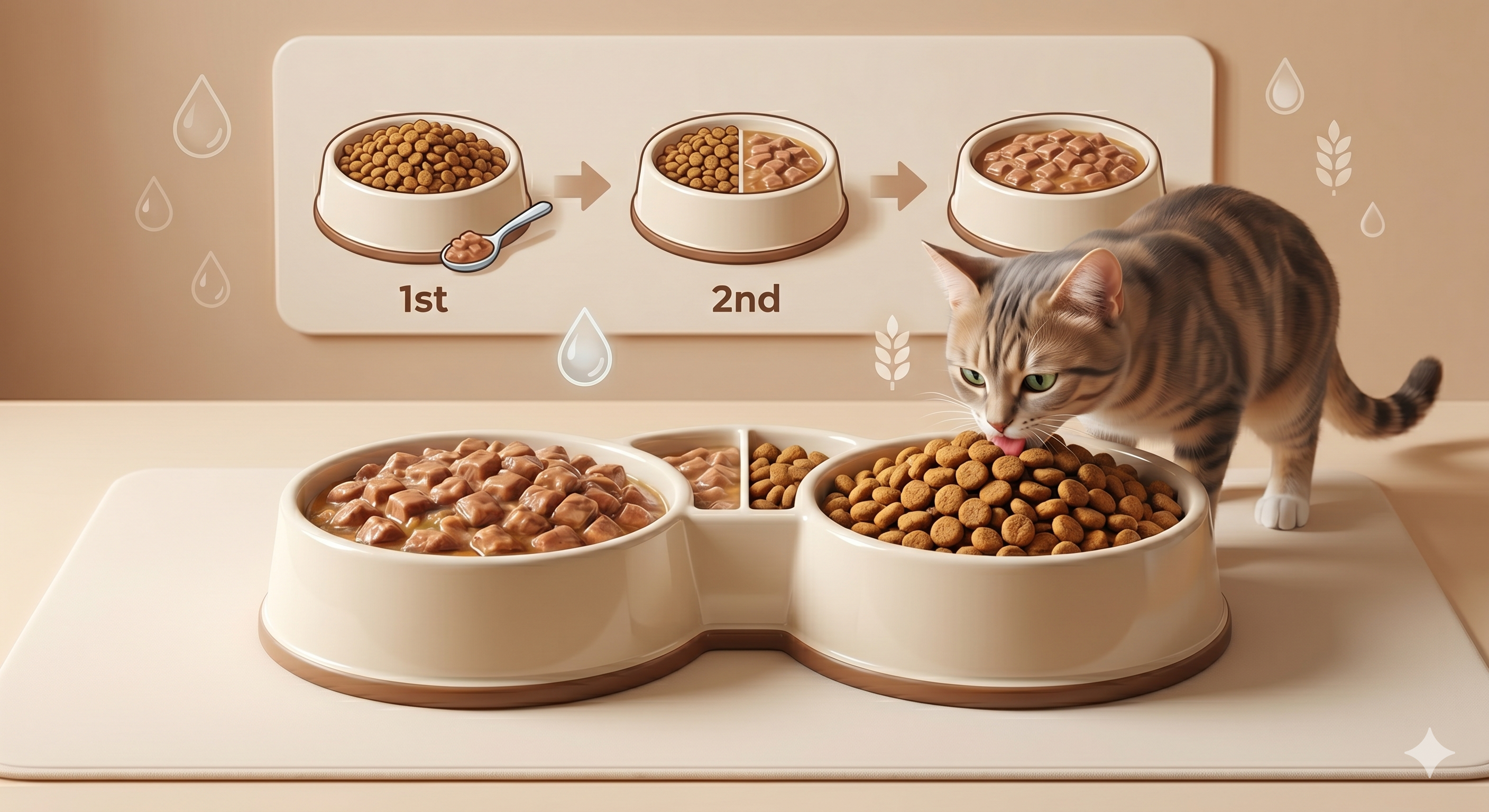
In fact, a growing number of vets and pet nutritionists recommend mixed feeding — offering both dry and wet food. This approach combines the best of both worlds: dry kibble provides steady daily calories and helps keep teeth clean, while wet food adds hydration and makes mealtimes more varied and appealing. Mixed feeding also reduces the risk of your cat becoming so fixated on one food type that they refuse everything else later on. In practice, you might offer wet food at breakfast and dry food at dinner, or mix a small amount of wet food into the kibble. The key is to keep track of total calorie intake and avoid overfeeding by offering both at once. Regular vet check-ups are a good idea too — your vet can use your cat’s weight and health data to help you fine-tune the right balance.
Closing thoughts: choose the right food for a happy, healthy cat
Wet food and dry food each have their merits — neither is universally better than the other. The ideal approach is to find the right combination based on your cat’s age, health condition, personal preferences, and your own lifestyle. If you’re unsure where to start, mixed feeding is a well-rounded option that balances nutrition, hydration, and convenience. Most importantly, schedule regular health check-ups and adjust your cat’s diet as recommended by your vet. Putting care into every meal is one of the most meaningful things you can do for your cat.
Planning a trip but worried about your cat’s meals and daily care? Fluv is Taiwan’s largest pet sitter matching platform, offering in-home care services. Every sitter passes a thorough background check, sends real-time photo updates during each visit, and is backed by platform insurance — so you can leave home with complete peace of mind. Let a professional sitter follow your feeding instructions to the letter, keep the litter box clean, and make sure your cat is comfortable and well cared for while you’re away.
Frequently asked questions
Q: What is mixed feeding?
A: Mixed feeding means providing both dry and wet food as part of your cat’s regular diet. This approach combines the storage convenience and dental benefits of dry kibble with the high moisture and palatability of wet food, helping your cat strike a better balance between nutrition and hydration. It’s a feeding strategy recommended by many vets today.
Q: How do I transition my cat from dry food to wet food?
A: Diet transitions should always be gradual — never switch all at once. Over the course of one to two weeks, mix a small amount of wet food into your cat’s existing dry food each day, slowly increasing the proportion of wet food while reducing the dry. Watch closely for any changes in eating behavior or bowel movements throughout the process. If vomiting or diarrhea occurs, pause the transition and consult your vet.
Q: What are the main nutritional differences between wet and dry food?
A: The biggest differences lie in moisture content and protein ratio. Wet food is about 70–80% moisture and typically higher in animal protein with fewer carbohydrates. Dry kibble contains only around 10% moisture — and because it needs to hold its shape, carbohydrate content is proportionally higher, and more artificial additives may be included to extend shelf life.
Q: My cat doesn’t drink much water and only eats dry food — what are the health risks?
A: Cats that are chronically underhydrated face a significantly higher risk of urinary stones, cystitis, and chronic kidney disease, and may also develop digestive issues like constipation. If your cat really doesn’t drink much, consider incorporating wet food to supplement their fluid intake. You can also try a flowing water fountain or place water bowls in multiple spots around your home to encourage drinking.
Q: Are there different considerations for kittens versus senior cats when choosing wet or dry food?
A: Kittens are in a phase of rapid growth and need high-protein, high-calorie food. Wet food’s higher protein density and easy-to-chew texture make it well-suited as a primary food source. Senior cats experience a gradual decline in digestive function and dental health, so the soft, easy-to-digest nature of wet food helps them absorb nutrients more efficiently. That said, for both life stages, it’s best to develop a feeding plan in consultation with your vet.
Q: Does dry food actually help clean a cat’s teeth?
A: Chewing dry kibble does create some friction that can help reduce plaque buildup on tooth surfaces, but the effect is limited and cannot replace professional dental care. There are specially designed dental kibbles on the market with optimized kibble size and hardness that offer better cleaning than regular dry food. Regardless of what you feed your cat, regular dental check-ups and teeth cleaning remain essential.
Q: How should I arrange my cat’s feeding when I’m away from home?
A: For short trips of one to two days, an automatic feeder stocked with dry food can work well. For longer absences, the best option is to book a professional pet sitter for in-home care — ensuring your cat eats on their usual schedule and routine. This is especially important for cats that eat wet food, since a sitter can handle opening, portioning, and refrigerating wet food properly, so your cat’s diet isn’t disrupted while you’re away.
Fluv special offers | Limited-time deals for devoted pet owners
#Want the most reassuring in-home care experience for your pet?
🎁 New members — enter promo code
#UNEW95
Book now and enjoy 5% off your first order!
👉 Looking for a caring, professional pet sitter for your furry friend?
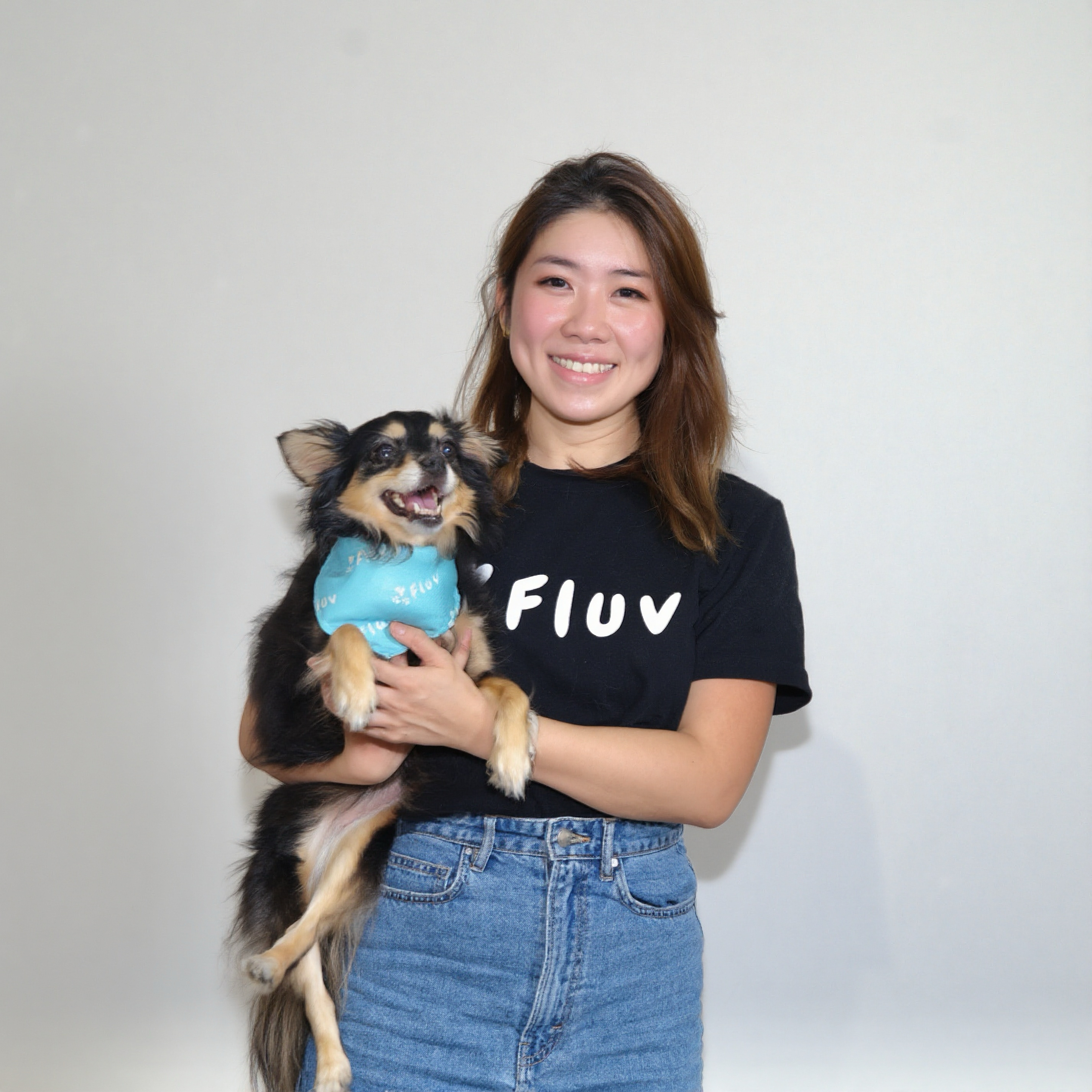
Fluv founder Candace Chen
Forbes 30 Under 30 Asia | 2024 Tatler Gen.T Leaders of Tomorrow
As the founder of Fluv, Candace has combined exceptional business vision with hands-on execution to build the platform into Taiwan’s largest and most trusted pet care service.
- World-class recognition: Named to the Forbes 30 Under 30 Asia list and selected as a 2024 Tatler Gen.T Leader of Tomorrow.
- Backed by top investors: Secured investment from Twitch co-founder Kevin Lin and impact venture fund SIC.
- Market leader: Has grown Fluv to a community of over 7,000 vetted professional sitters, trusted by more than 140,000 members.
Further reading:
Cat food ingredients decoded: harmful additives to avoid and how to choose the right food
Cat food transitions always failing? A vet-recommended 7-day gradual switching plan, fully revealed
Views: 1236
 English
  Chinese