Table of contents
- What is a raw food diet for cats?
- Why do some cats need to switch diets?
- What are the potential benefits of a raw food diet?
- What are the risks and controversies of a raw food diet?
- How to safely transition your cat to raw food?
- How do you choose between raw food and regular kibble?
- Frequently asked questions
Whether cats should eat raw food has long been a hotly debated topic among pet owners. Opponents argue that raw meat may harbor harmful bacteria, posing risks not only to the cat but also to household members with weaker immune systems. Supporters, on the other hand, contend that raw food more closely mirrors a cat’s natural diet in the wild, offering higher nutrient absorption and fewer unnecessary processed fillers. In truth, there is no single right answer — every cat’s constitution and health condition is different, and owners need to weigh a range of factors before deciding what’s best for their furry companion. This article takes a balanced look at both sides of the debate and shares one dedicated cat lover’s firsthand experience, helping you develop a fuller understanding of the pros and cons of raw feeding.
What is a raw food diet for cats?
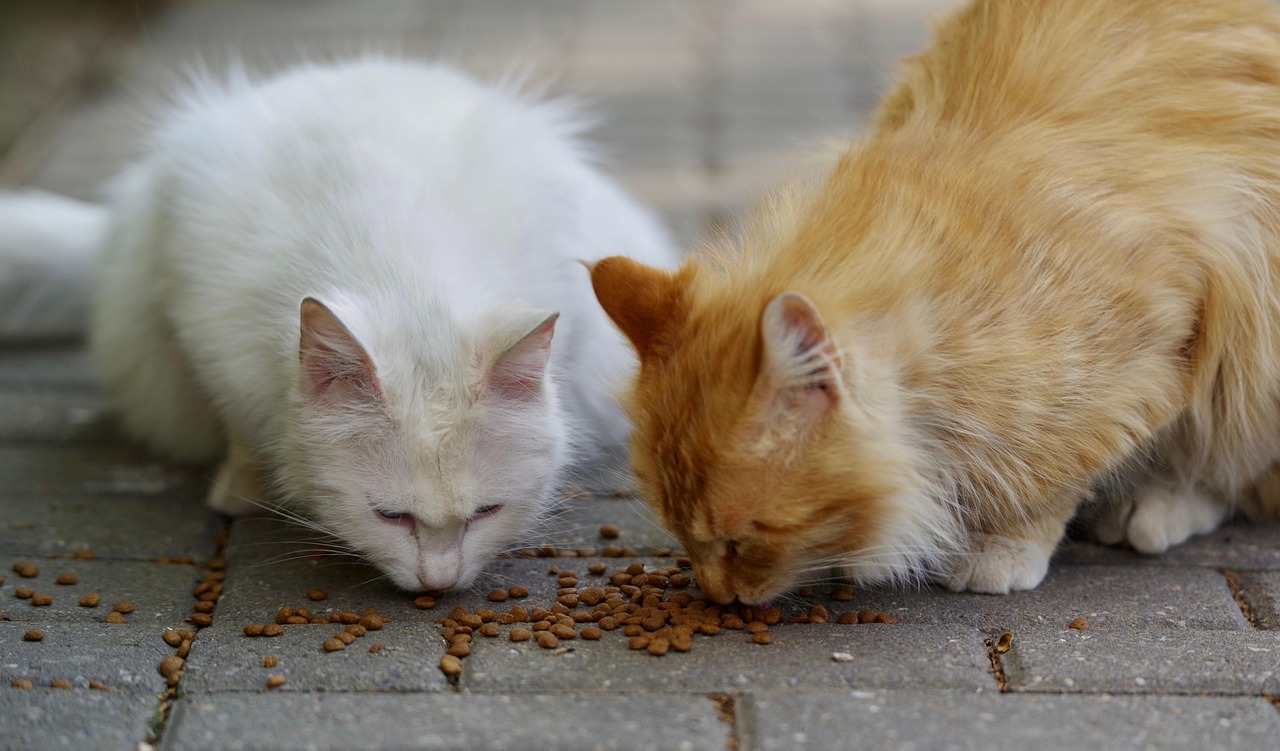
A raw food diet for cats involves feeding fresh, uncooked meat as the main staple, supplemented with appropriate proportions of organs, bones, and nutritional supplements — mimicking the natural prey a cat would consume in the wild. The core philosophy behind this approach is that the domestic cat’s digestive system is nearly identical to that of its wild ancestors, so providing food in its most natural form should theoretically allow the gut to digest and absorb nutrients more efficiently. Commercial raw food products currently on the market come in two main forms: one is commercially prepared frozen or freeze-dried raw food, formulated by professional manufacturers according to nutritional ratios; the other is homemade raw food, where owners source their own ingredients and prepare meals according to specific recipes. Each has its pros and cons — commercial raw food is convenient and more consistently balanced in nutrition, while homemade raw food gives owners complete control over the source and quality of ingredients.
The debate over whether cats should eat raw food never really goes away. Supporters value its natural nutrition; opponents worry about food safety risks. The truth is, raw food isn’t inherently good or bad — what matters is whether it suits your cat’s individual needs. Here are 5 key considerations to think through before making a decision:
1. The core philosophy of raw feeding: mimicking a natural diet
A raw food diet (Raw Food Diet) aims to replicate a cat’s natural hunting and eating patterns in the wild, centered on fresh, uncooked meat, organs, and bones.
-
The key logic: Cats are obligate carnivores whose digestive systems are built to break down nutrients in their raw, natural form — avoiding excess processed fillers and carbohydrates.
2. Potential benefits of raw feeding: digestion and outward appearance
Many owners who switch to raw food notice significant health improvements in their cats, especially those living with chronic digestive conditions like IBD:
-
Improved digestion: Natural enzymes remain intact, leading to smaller, less odorous stools.
-
Skin and coat: Ample animal protein results in a softer, shinier coat.
-
Symptom relief: For food-sensitive cats, the simpler ingredient list can help reduce allergic reactions and bloating.
3. Risks you need to face: bacteria and nutritional balance
Before taking the plunge, owners must understand the challenges that come with raw feeding:
-
Bacterial risk: Raw meat may contain Salmonella or E. coli, posing an infection risk to both the cat and vulnerable household members — such as the elderly or young children.
-
Nutritional imbalance: Homemade raw food in particular, if not precisely formulated, can easily fall short of key nutrients like taurine, potentially leading to heart or vision problems.
4. Steps for a safe transition: professional guidance and a gradual approach
The transition should never be rushed — follow the principle of “vet first, phase it in gradually”:
-
Health check first: Consult your vet to confirm your cat’s condition is suitable for a dietary change.
-
Commercial before homemade: Beginners are advised to start with commercially prepared frozen raw food, which has professionally calculated nutritional ratios.
-
7–14 day transition period: Start by mixing about 10% raw food into the existing diet, gradually increasing the proportion day by day while closely monitoring litter box output and energy levels.
5. The final call: based on your cat’s individual needs
No single diet works for every cat — the decision should always come back to your cat’s current situation:
-
Worth trying if: your cat has chronic digestive issues, severe food allergies, and hasn’t responded to existing dietary changes.
-
Stick with what works if: your cat is in good health and adapting well to their current wet or dry food — there’s no need to take unnecessary risks by switching.
Why do some cats need to switch diets?
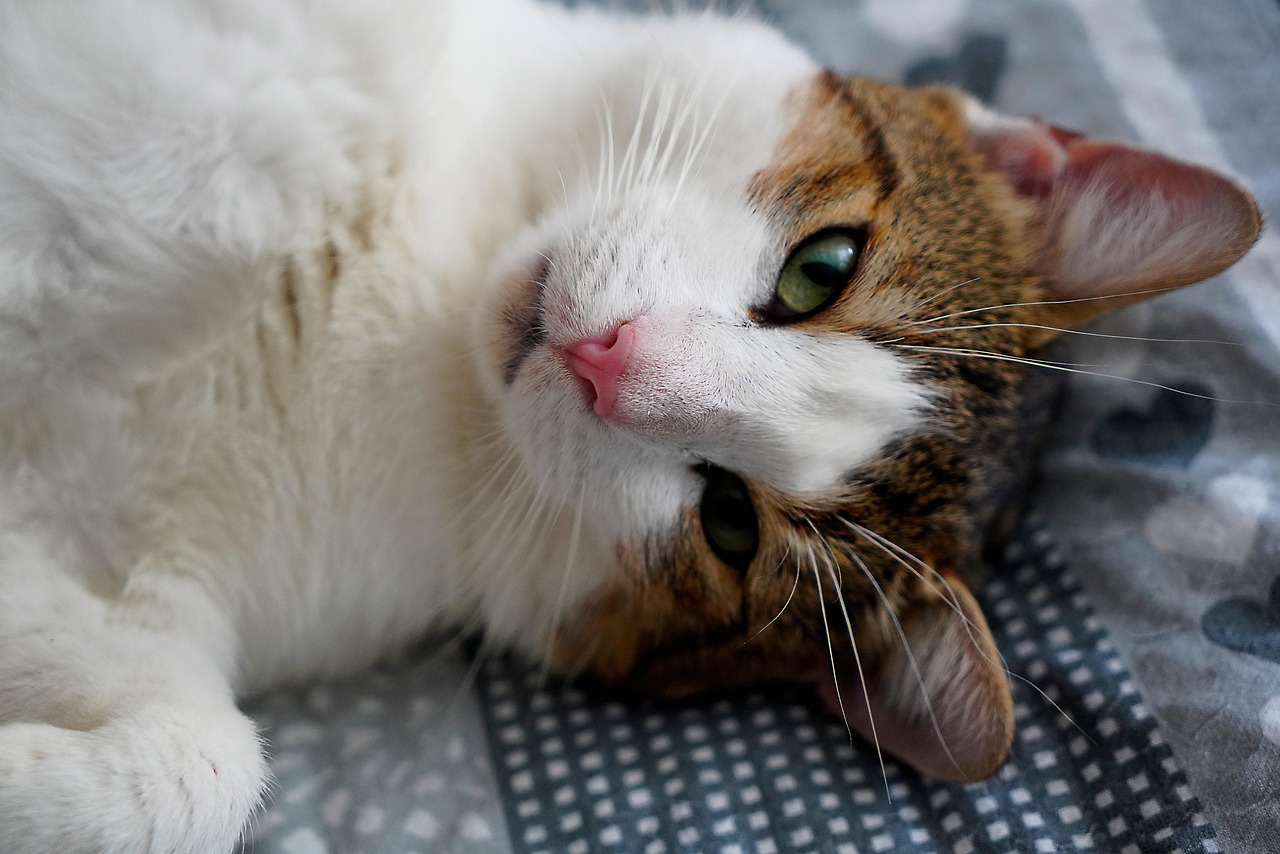
Many owners start looking into raw food because their cat has been dealing with persistent digestive issues. Take one experienced cat owner as an example: her beloved cat Maxwell was a senior cat aged thirteen or older, managing a combination of chronic pancreatitis, inflammatory bowel disease (IBD), hyperthyroidism, a mild heart murmur, and borderline kidney function. Because of his IBD, Maxwell suffered from chronic diarrhea, severe bloating, and wildly unpredictable appetite — often eating just one or two bites before walking away, or refusing food entirely for a day or two at a stretch. His owner tried nearly every well-regarded wet food brand on the market, including single-protein, by-product-free, soy-free, and gluten-free limited-ingredient formulas. She also followed her vet’s recommendations for two different appetite stimulants and steroids, and even explored traditional Chinese herbal remedies — but nothing seemed to make a lasting difference. At her wit’s end, she immersed herself in research papers and owner forums, where she found that many cats with IBD showed significant improvement after switching to a raw diet. That was what convinced her to give it a try.
What are the potential benefits of a raw food diet?
Based on observations from advocates and related research, a raw food diet may offer cats the following benefits:
- Improved digestion: The natural enzymes in raw food are not destroyed by heat, helping the gut break down and absorb nutrients more smoothly. Many owners report that their cats produce smaller, better-formed stools with noticeably less odor.
- Better coat quality: Adequate animal fats and protein can leave a cat’s coat softer and shinier. Cats that previously had rough, dry fur often show a marked improvement after switching to raw food.
- Reduced allergy symptoms: Raw food ingredients tend to be simpler, free from grains, artificial additives, and other common allergens — making it a potentially friendlier option for food-sensitive cats.
- Weight and energy management: The high-protein, low-carbohydrate nature of raw food aligns with a cat’s needs as an obligate carnivore, helping maintain a healthy body composition and overall vitality.
- Oral health support: Some raw food formulas include appropriately sized raw bones, and the act of chewing can help remove plaque and reduce tartar buildup over time.
In Maxwell’s case, the changes after switching to raw food were quite remarkable. His stools went from chronic liquid diarrhea to normal, well-formed consistency about 95% of the time. The bloating that had troubled him for so long nearly disappeared entirely, and he was even able to come off the stomach medication he had been taking twice daily. His coat transformed from rough and dull to soft and glossy, and he started playing with toys again — a truly heartening development for a senior cat managing multiple chronic conditions.
Find a trusted pet care partner and let a professional sitter help with your pet’s daily needs.
What are the risks and controversies of a raw food diet?
While the benefits of raw feeding sound appealing, the concerns raised by opponents are equally worth taking seriously. Owners should have a thorough understanding of the potential risks before making a decision:
- Risk of bacterial infection: Raw meat may contain pathogens such as Salmonella, Listeria, or E. coli. These can not only make your cat sick but may also spread to vulnerable household members — including young children, elderly individuals, or those undergoing chemotherapy — through the cat’s feces or saliva.
- Nutritional imbalance: Homemade raw food that hasn’t been carefully calculated can easily result in certain nutrients being over- or under-supplied. Over time, this can lead to serious health problems — for example, taurine deficiency can impair heart and vision function.
- Bone fragment hazards: If raw food formulas containing bones are not handled properly, bone fragments can injure a cat’s digestive tract, potentially causing internal bleeding or intestinal blockages requiring emergency care.
- High storage and handling standards: Raw food requires far stricter storage conditions than regular kibble, including full cold-chain management and strict limits on how long it can sit at room temperature. Cross-contamination during handling is also an important concern to manage.
How to safely transition your cat to raw food?
If you’ve carefully considered everything and decided to give raw food a try, the following steps can help you make the transition as safely as possible. The first and most important step is to schedule a full health check for your cat and have a thorough conversation with your vet about your raw feeding plan, to confirm that your cat’s current condition is suitable for a dietary change. Next, it’s recommended to start with a reputable commercial raw food brand rather than attempting homemade raw food right away — commercial products have professionally calculated nutritional ratios that help reduce the risk of imbalance. The transition itself should be gradual, typically over seven to fourteen days, beginning with a small amount of raw food mixed into the existing diet and slowly increasing the proportion each day. During the transition period, closely monitor your cat’s stools, appetite, and overall energy levels. If you notice persistent vomiting, severe diarrhea, or obvious signs of distress, stop immediately and consult your vet. Pay careful attention to food storage and hygiene as well — wash bowls and any surfaces that have come into contact with raw food after each meal to minimize the spread of bacteria.
Regardless of which diet you choose, ensuring your cat’s meals stay on schedule when you travel or have commitments is just as important.
How do you choose between raw food and regular kibble?
At the end of the day, no single diet works for every cat. Each cat’s age, constitution, health status, and living environment is unique — the ideal approach is to make a decision based on your cat’s specific needs, guided by your vet’s professional advice. For cats with IBD, chronic digestive issues, or food allergies, raw food may well be worth trying. For cats that are in good health and thriving on their current diet, making an abrupt switch may not be the wisest move. Whatever you ultimately choose, the most important principles remain constant: opt for high-quality protein sources, avoid unnecessary additives and fillers, and schedule regular vet visits to monitor your cat’s nutritional status. As an owner, you know your pet better than anyone — staying observant, keeping an open mind, and working closely with your vet is the best care you can give your cat.
Frequently asked questions
Q: What is a raw food diet for cats?
A: A raw food diet for cats means feeding fresh, uncooked meat as the main staple, supplemented with organs, bones, and nutritional supplements. This approach mimics a cat’s natural eating patterns in the wild, with the goal of allowing the digestive system to absorb nutrients in the most natural way possible. The two main forms currently available are commercially prepared frozen raw food and homemade raw food.
Q: How can I tell if my cat is a good candidate for raw food?
A: The most reliable approach is to schedule a full health check and have an in-depth conversation with your vet. Generally speaking, cats with chronic digestive issues, food allergies, or IBD may benefit more from a raw diet, while cats with compromised immune systems or specific medical conditions require more careful evaluation. Never make this decision on your own without professional medical guidance.
Q: What’s the difference between raw food and regular canned wet food?
A: The biggest difference lies in the degree of processing and how nutrients are preserved. Canned wet food undergoes high-temperature sterilization, which can destroy some natural enzymes and nutrients, and typically contains thickeners, gelling agents, and other additives. Raw food retains the meat’s original nutritional composition and tends to have a simpler ingredient list — but in turn requires stricter storage conditions and more careful hygiene management.
Q: Could feeding my cat raw food expose my family to bacteria?
A: There is a real risk, but it can be significantly reduced with proper handling practices. Wear gloves when handling raw food or wash your hands thoroughly afterwards. Your cat’s bowl should be washed and disinfected after every meal, and uneaten raw food should not be left out at room temperature for more than thirty minutes. If your household includes young children, pregnant women, elderly individuals, or anyone with a weakened immune system, it’s advisable to discuss this with your doctor before deciding to feed raw.
Q: How long does it take to transition a cat from dry kibble to raw food?
A: It’s generally recommended to take at least seven to fourteen days for a gradual transition. On days one through three, you can mix about 10% raw food into the existing diet, then increase the raw food proportion by around 10–20% every two to three days, all while closely monitoring your cat’s digestive response. Some cats may need an even longer adjustment period, so be patient and don’t rush the process.
Q: Which is better — homemade raw food or commercial raw food?
A: Each has its own advantages and drawbacks, and the right choice depends on the owner’s time and level of expertise. Commercial raw food is formulated by professional nutritionists and tends to offer more balanced nutrition with greater convenience. Homemade raw food gives you full control over ingredient sourcing and quality, but requires solid nutritional knowledge and strict adherence to recipes. For owners trying raw food for the first time, starting with a commercial product is the safer, more straightforward approach.
Q: How much does it cost to feed raw food?
A: Raw food typically costs more than regular dry kibble or canned food, though the gap varies considerably. Depending on the brand and protein source, commercially frozen raw food can run anywhere from 1.5 to 3 times the monthly cost of conventional food. Homemade raw food can be more budget-friendly if you take advantage of seasonal ingredients and bulk purchasing, though you’ll need to factor in extra time and the cost of nutritional supplements. Plan according to your own budget and what’s realistic for you.
Fluv exclusive offer | Limited-time deal for devoted pet owners
#Looking for the most reassuring in-home care experience for your pet?
🎁 New users — enter promo code
#UNEW95
Book now and enjoy a 5% discount!
👉 Ready to find a caring, professional pet sitter for your furry friend?
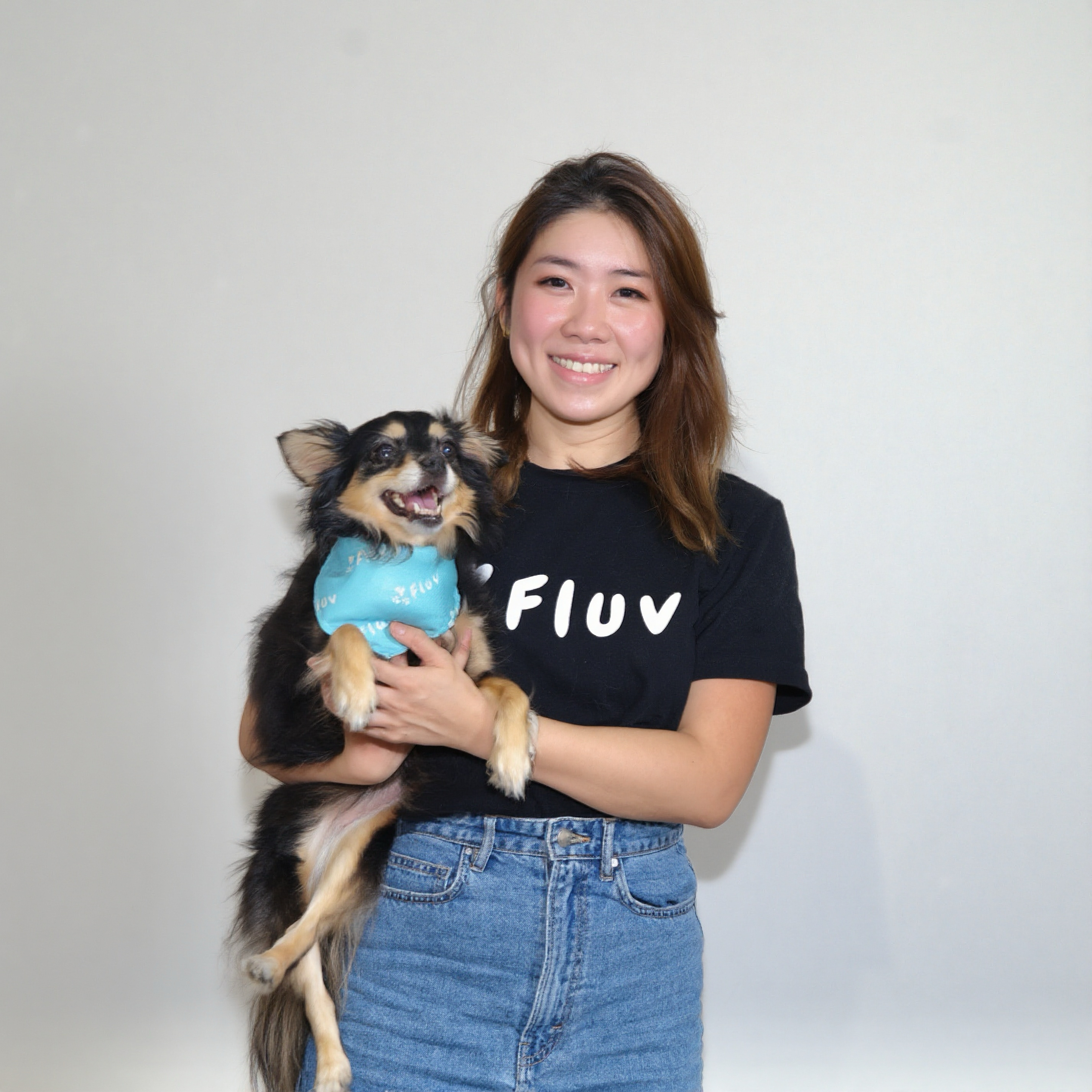
Fluv founder Candace Chen
Forbes 30 Under 30 Asia | 2024 Tatler Gen.T Leaders of Tomorrow
As the founder of Fluv, Candace has leveraged exceptional business vision and execution to build the brand into Taiwan’s largest and most trusted pet care platform.
- World-class recognition: Named to the Forbes 30 Under 30 Asia list and selected as a 2024 Tatler Gen.T Leader of Tomorrow.
- Backed by leading investors: Successfully secured investment from Twitch co-founder Kevin Lin and influential venture firm SIC.
- Market leader: Has led Fluv to a network of over 7,000 vetted professional sitters, earning the trust of 140,000 members.
Further reading:
Cat food ingredients decoded: harmful additives to avoid and how to choose the right food
Views: 702
 English
  Chinese