Table of contents
- Why you shouldn’t just pour treats into the bowl
- How to find the treats your cat actually loves
- Why squeeze treats can help ease your cat’s anxiety
- How to use treats to make giving medication stress-free
- What treats can do when your cat has a poor appetite
- What happens when you give too many treats?
- How to choose safe, healthy cat treats
- Closing thoughts: making treats a true part of your cat’s happy life
- FAQ
For many first-time cat owners, walking into a pet store and facing an entire wall of cat treats can be completely overwhelming — how do you choose, how do you give them, and how much is actually appropriate? Crunchy biscuits, soft meat strips, crispy filled snacks, liquid squeeze treats — the variety on the market is staggering, and just figuring out what each type is for can make your head spin. But before you fill up your cart, it’s worth knowing that treats play a much richer role in a cat’s life than just being something tasty. Used the right way, even a small pack of treats can become a training tool, a stress reliever, or a helpful aid for health management. Of course, before making any changes to your cat’s diet, it’s always a good idea to check with your vet first to confirm that treats are suitable for your cat and that there are no special dietary restrictions to keep in mind.
Why you shouldn’t just pour treats into the bowl
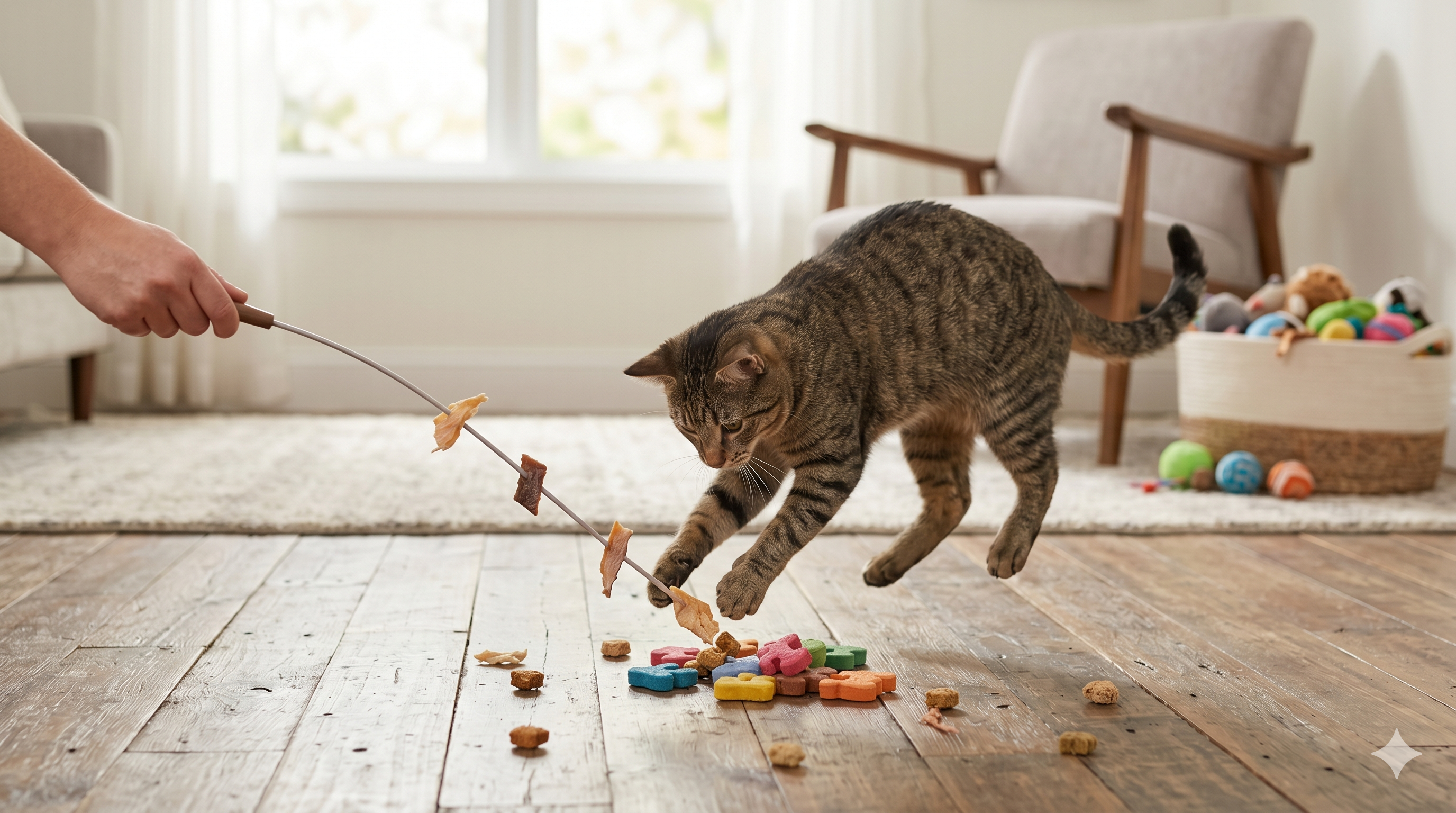
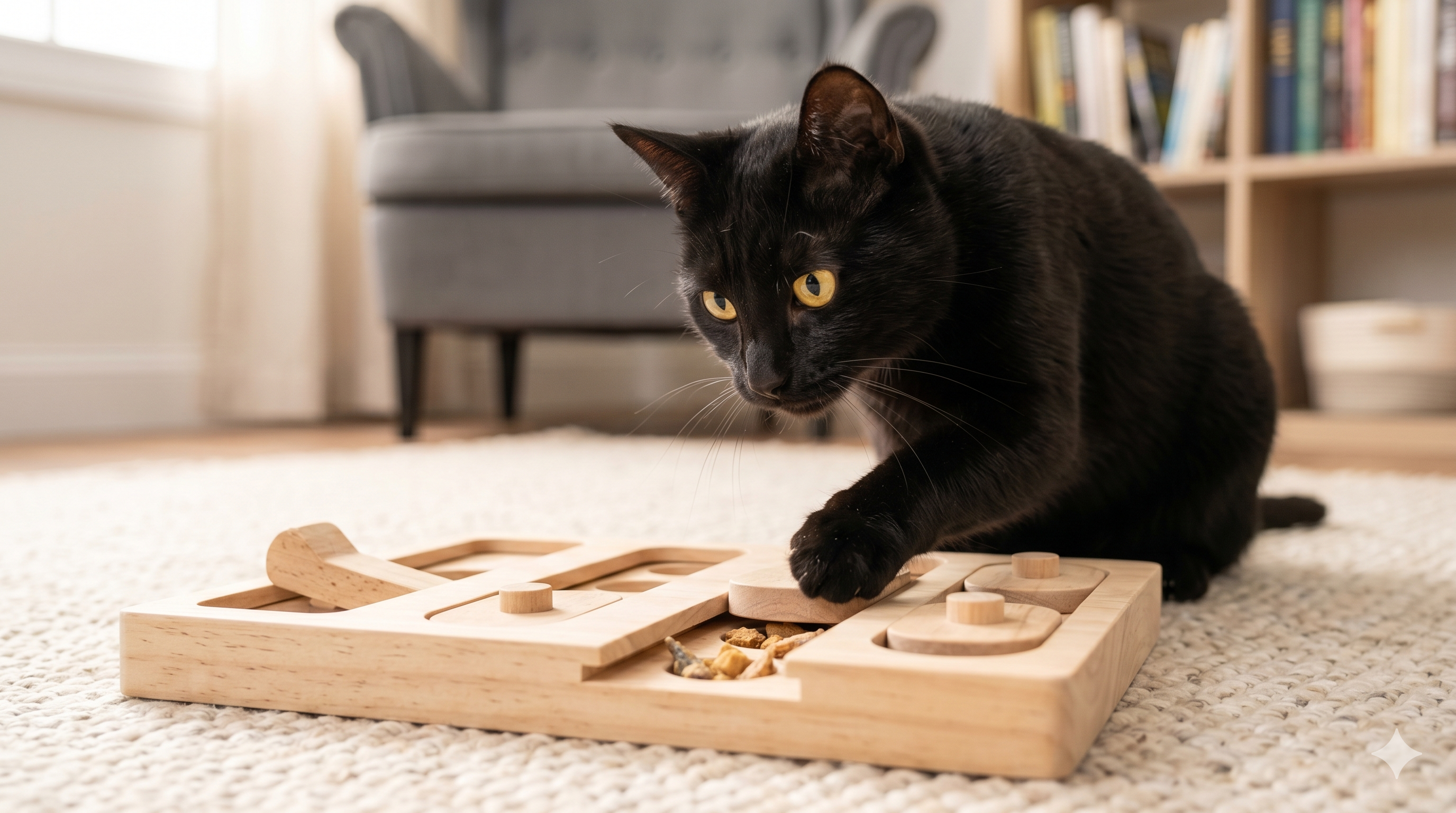
Many cat owners simply drop treats into the bowl and let their cat eat them on their own — but this actually wastes the greatest value treats have to offer. Treats are to cats what candy is to children: a high-value special reward, not a regular part of their daily diet. The ideal approach is to pair treats with interaction, letting your cat “earn” the reward through effort. This not only gives them a sense of achievement but also genuinely strengthens the bond between you and your cat. You can use puzzle toys or treat balls to get your cat thinking and exploring during playtime, earning treats as a reward along the way. Treats are also a fantastic motivator for training — and yes, cats really can be trained. Since most cats are highly food-motivated, using treats as a positive reinforcement tool means you can teach them to sit, wait, or even get comfortable wearing a harness for walks outside.
How to find the treats your cat actually loves
Picking out cat treats can sometimes feel like a lottery. Even if your cat is head over heels for fish-flavored kibble, that doesn’t mean they’ll be equally enthusiastic about a fish-flavored treat. Flavor, texture, and aroma all influence whether a cat will accept a treat, and every cat has their own unique preferences. The most practical approach is simply to try a variety of options. The good news is that many treats come in small packs or sampler sets at very reasonable prices — perfect for taste-testing. Here are a few things to keep in mind when shopping:
- Try different textures: Pick up one each of crunchy biscuits, soft meat strips, freeze-dried pieces, and squeeze treats, then watch which texture your cat responds to most
- Start with familiar flavors: If your cat loves chicken-flavored food, try chicken-based treats first — but don’t be afraid to introduce other flavors too
- Watch how they react: Does your cat come over on their own? Do they want more after finishing? Any digestive upset afterward? These are all important clues about whether a treat is a good fit
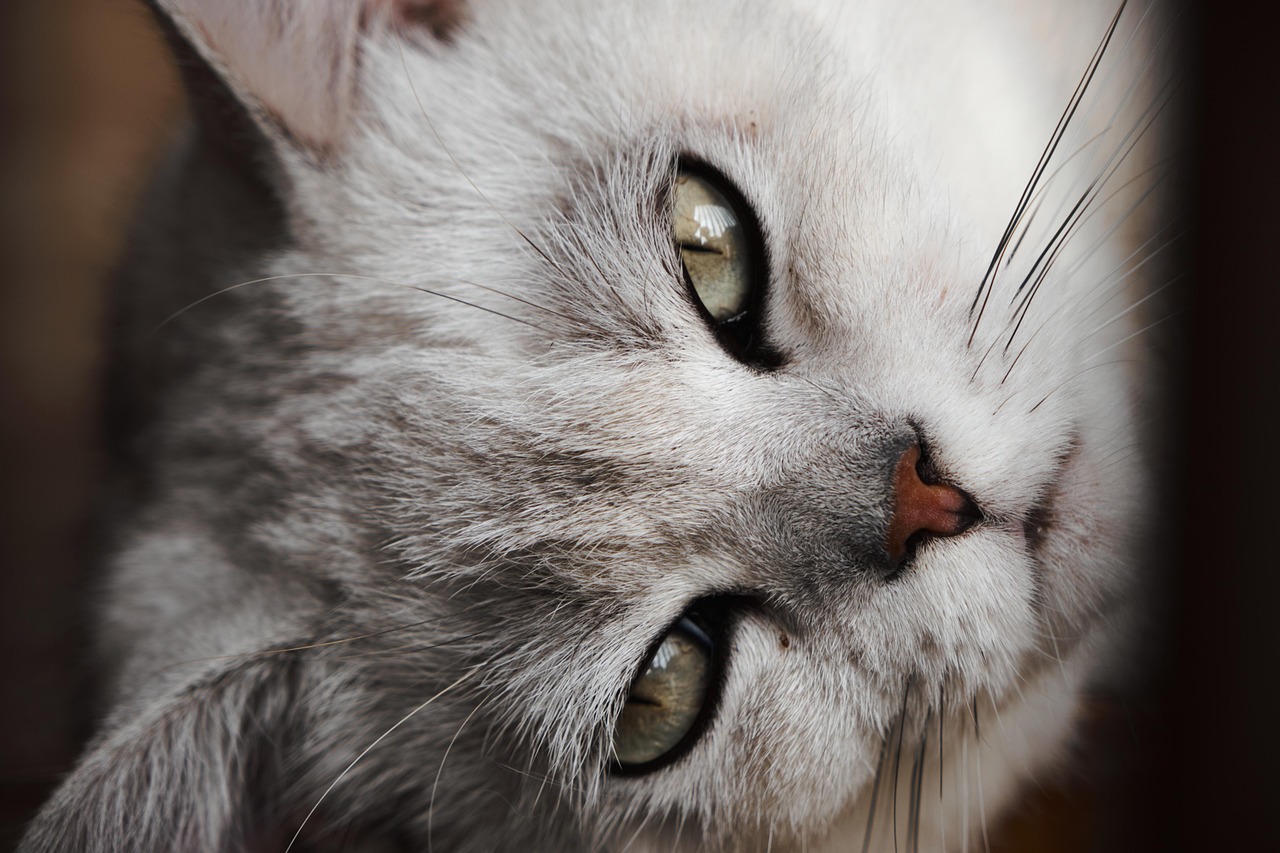
Don’t get discouraged if the first few tries don’t land — finding your cat’s favorite is just a matter of time. A little patience, and you’ll eventually discover that one treat that makes their eyes light up and has them meowing for more.
Why squeeze treats can help ease your cat’s anxiety
Squeeze treats — also known as liquid treats or lickable treats — have exploded in popularity among cat owners in recent years, and beyond being delicious, they have one hugely practical use that often gets overlooked: relieving anxiety. When cats need to visit the animal hospital for check-ups, vaccinations, or blood draws — the kinds of procedures that can make them tense — squeeze treats can have a remarkably calming effect. Many vets and veterinary assistants will proactively offer them during appointments so cats stay focused on licking while the exam or treatment is completed, significantly reducing fear and resistance. The same principle applies at home for things like nail trims, which many cats would rather avoid entirely. Offering a squeeze treat during or immediately after these stressful activities helps your cat build a positive association — “this might not feel great, but something good happens afterward.”
Finding a trustworthy pet sitter can also go a long way in reducing separation anxiety when you’re away from home:
How to use treats to make giving medication stress-free
Anyone who has owned a cat has probably lived through this nightmare: you wrestle a pill into their mouth, and the moment you let go they spit it straight out and fix you with the most accusatory stare imaginable. Squeeze treats are a genuine lifesaver here. For cats that need liquid or powdered medication, mixing it into a squeeze treat is the easiest, least stressful way to get the job done. Even if your cat is relatively cooperative and can take medication directly, following it up with a squeeze treat as a reward helps “wash away” the taste — just like getting a piece of candy after bitter medicine as a kid. These positive medication experiences make future doses easier and easier, because your cat gradually starts to associate “taking medicine” with “getting something delicious.” One important note: if you plan to mix medication into a treat, always check with your vet first to confirm the medication is safe to take with food and that it won’t affect how the medicine works.
What treats can do when your cat has a poor appetite
When your cat’s appetite seems to have dropped, treats can serve as a gentle, supportive nudge to encourage eating. Squeeze treats in particular, along with products marketed as “appetite-stimulating” formulas, are typically presented as rich, aromatic broths or gravies with high palatability. Mixing a small amount into your cat’s regular food can often spark their interest in the meal. This approach tends to work especially well in these situations:
-
Senior cats experiencing a gradual decline in appetite due to natural aging
Adding a flavorful treat can make meals more appealing
-
Cats recovering from illness or surgery
With your vet’s approval, using treats to encourage greater nutritional intake during recovery
-
Cats that have grown bored of the same flavor
Occasionally mixing in a different treat as a topping to bring some freshness to daily meals
That said, if your cat’s poor appetite lasts more than a day or two, or is accompanied by other concerning symptoms such as vomiting, lethargy, or rapid weight loss, please take them to the vet right away rather than trying to manage it with treats alone. Treats play a supporting role here — they should never replace proper veterinary care.
What happens when you give too many treats?
This is arguably the most important rule in the whole cat treat handbook: treats should always be a garnish, never the main course. Once a cat has tasted something particularly delicious, some clever individuals will start turning their nose up at their regular food, essentially trying to hold out until they get more treats. Once that habit takes hold, it can lead to nutritional imbalances and, over time, real health problems. Squeeze treats deserve extra attention on this front, because their texture and taste are similar to wet food, making it easy for cats to get confused. However, the nutritional profile of squeeze treats is not complete enough to replace a proper meal — consuming them in large quantities over time can lead to imbalances in vitamins and minerals, and they simply don’t provide enough calories to meet a cat’s daily needs. As a general guideline, treats should make up no more than 10% of your cat’s total daily caloric intake. For specific portion sizes, refer to the feeding guide on the product packaging or ask your vet directly.
When you need to be away and can’t personally keep an eye on your cat’s meals, an experienced pet sitter can make sure every feeding goes smoothly:
How to choose safe, healthy cat treats
If you already make a habit of reading nutrition labels and ingredient lists when buying food for yourself, bring that same mindset to your cat’s treats. Here are a few practical guidelines:
- Simpler ingredients are better: If the ingredient list is full of chemical names you can’t pronounce, it’s best to put it back on the shelf
- Prioritize natural ingredients: Products made primarily from real meat are generally a better choice than heavily processed treats
- Avoid artificial additives: Artificial colors, artificial flavors, and preservatives offer no health benefits to your cat
- Check for allergens: If your cat has a known sensitivity to a particular protein source, always read the ingredient list carefully
If you’re not comfortable with commercially processed treats, homemade options are a perfectly viable alternative. Dried fish flakes, small pieces of plain boiled chicken breast, or unseasoned freeze-dried meat are all relatively natural and safe choices. Whether you go store-bought or homemade, always keep the portion rule in mind and make sure nothing in the treat is harmful to cats — ingredients like onions, garlic, and grapes should be avoided entirely.
Closing thoughts: making treats a true part of your cat’s happy life
Looking back at these seven tips, the core idea is simple: treats shouldn’t be thought of as something to fill your cat’s stomach, but rather as a versatile tool that brings joy, encourages interaction, supports training, and aids in health management. As long as you hold to the two key principles of moderation and purposeful use, treats can add a lot of color to your cat’s daily life without compromising their health. Stay thoughtful when choosing treats, weave interaction and training into the moments you give them, and lean on treats’ calming qualities when the situation calls for it — do all of this, and both you and your cat will be better for it. Of course, every cat is different, and whenever you have questions about diet or health, your vet is always the most reliable person to ask.
Finally, if you’re planning a trip or have a busy stretch at work and need help caring for your pet, Fluv is Taiwan’s largest pet sitter matching platform. All sitters pass rigorous background checks, and the service includes real-time photo reports and platform insurance coverage — so you can head out the door with complete peace of mind, knowing your pet is in good hands.
FAQ
Q: What are cat squeeze treats?
A: Squeeze treats are liquid or semi-liquid cat treats, typically packaged in individual tube-style pouches that cats lick directly. They have a smooth texture and rich flavor that most cats love, and beyond being a reward, they’re commonly used to ease anxiety, help with medication, and stimulate appetite.
Q: How can I tell if a cat treat is good quality?
A: The most straightforward way is to check the ingredient list. High-quality cat treats are typically made primarily from real meat, have a short and transparent ingredient list, and contain minimal artificial additives. If the list is full of chemical names you can’t recognize, it’s worth being cautious. You can also look at reviews from other cat owners and ask your vet for recommendations.
Q: What’s the difference between cat treats and cat food?
A: Cat food is nutritionally formulated to meet all of a cat’s daily dietary needs and serves as their complete diet. Treats, on the other hand, are an extra reward — they’re not nutritionally complete. Treats tend to be high in calories but lack balanced vitamins and minerals, so they can’t replace regular meals. As a general rule, treats should make up no more than 10% of your cat’s total daily caloric intake.
Q: What should I do if my cat refuses their regular food after getting treats?
A: This is one of the most common consequences of giving too many treats. Start by withholding treats for at least three to five days to help your cat reacquaint themselves with the taste of their regular food. Once you reintroduce treats, keep portions strictly controlled and avoid giving them right before or after meals. Instead, use small amounts during training or play sessions so your cat “works” for the reward.
Q: Can kittens have treats? When is a good age to start?
A: Generally, it’s best to wait until a kitten is fully weaned and eating solid food consistently — around three to four months of age — before introducing treats in small amounts. Since kittens have more sensitive digestive systems than adult cats, start with a simple, minimal-ingredient product and begin with very small quantities. For specific timing and portion guidance, it’s best to check with your vet first.
Q: What should I keep in mind when making homemade cat treats?
A: The most important rule with homemade treats is making sure every ingredient is safe for cats. Foods to avoid include onions, garlic, grapes, chocolate, and all seasonings. Common homemade options include plain boiled chicken breast and dried fish flakes — cooked without salt or oil. Homemade treats have a shorter shelf life, so make small batches, refrigerate them, and use them within two to three days.
Q: If a pet sitter is caring for my cat at home, will they handle treat feeding too?
A: Professional pet sitters will generally follow the owner’s instructions when it comes to a cat’s dietary needs, including when and how much to give in treats. When booking an in-home care service, it’s a good idea to discuss your cat’s eating habits, treat preferences, and any health considerations in advance — that way your pet can maintain their normal routine even while you’re away.
Fluv special offers | Limited-time deals for devoted pet owners
#Want the most reassuring in-home care experience for your pet?
🎁 New members: enter promo code
#UNEW95
Book now and enjoy a 5% discount!
👉 Ready to find the perfect professional pet sitter for your pet?
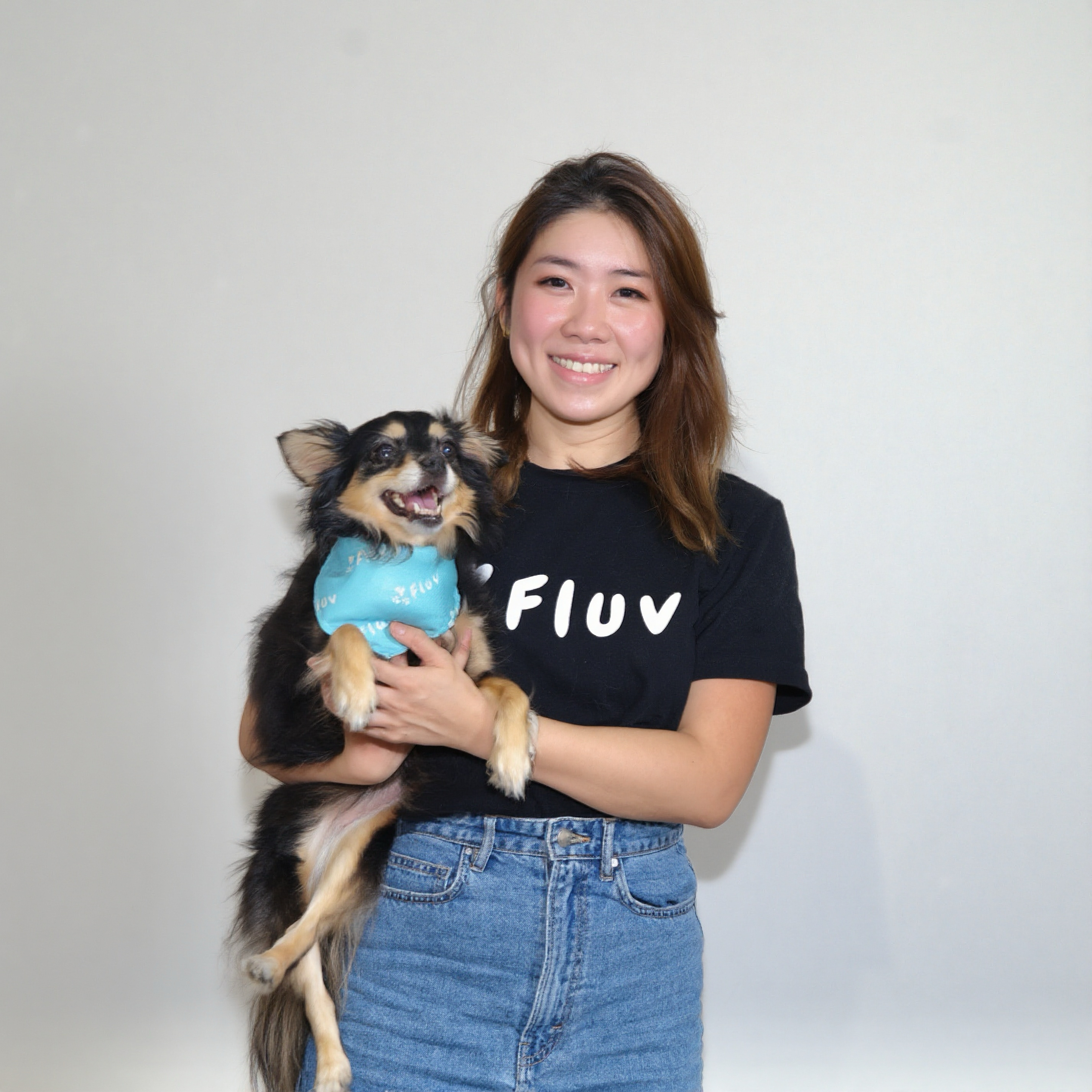
Fluv founder Candace Chen
Forbes 30 Under 30 Asia | 2024 Tatler Gen.T Leaders of Tomorrow
As the founder of Fluv, Candace has built the brand into Taiwan’s largest and most trusted pet care platform through outstanding business vision and execution.
- World-class recognition: Named to the Forbes 30 Under 30 Asia list and selected as a 2024 Tatler Gen.T Leader of Tomorrow.
- Backed by top investors: Successfully secured investment from Twitch co-founder Kevin Lin and influential venture firm SIC.
- Market leader: Led Fluv to a network of over 7,000 vetted professional sitters, trusted by more than 140,000 members.
Further reading:
Homemade cat treats made easy! 5 healthy recipes your cat will love
Views: 1333
 English
  Chinese