Table of contents
Have you ever watched your cat rhythmically press their front paws into a blanket, the couch, or your lap — completely absorbed and blissful? This behavior, affectionately nicknamed “making biscuits” or kneading by cat lovers, is an instinct cats are born with, and it holds many clues about their emotions and needs. Whether you’ve just welcomed your first cat home or you’ve been living with cats for years, understanding why they knead can help you connect more deeply with your furry companion and strengthen your bond. In this article, we’ll walk you through the five main reasons cats knead and share practical tips for handling it — so you can enjoy these cozy moments while managing any minor inconveniences that come along with them.
What is cat kneading?
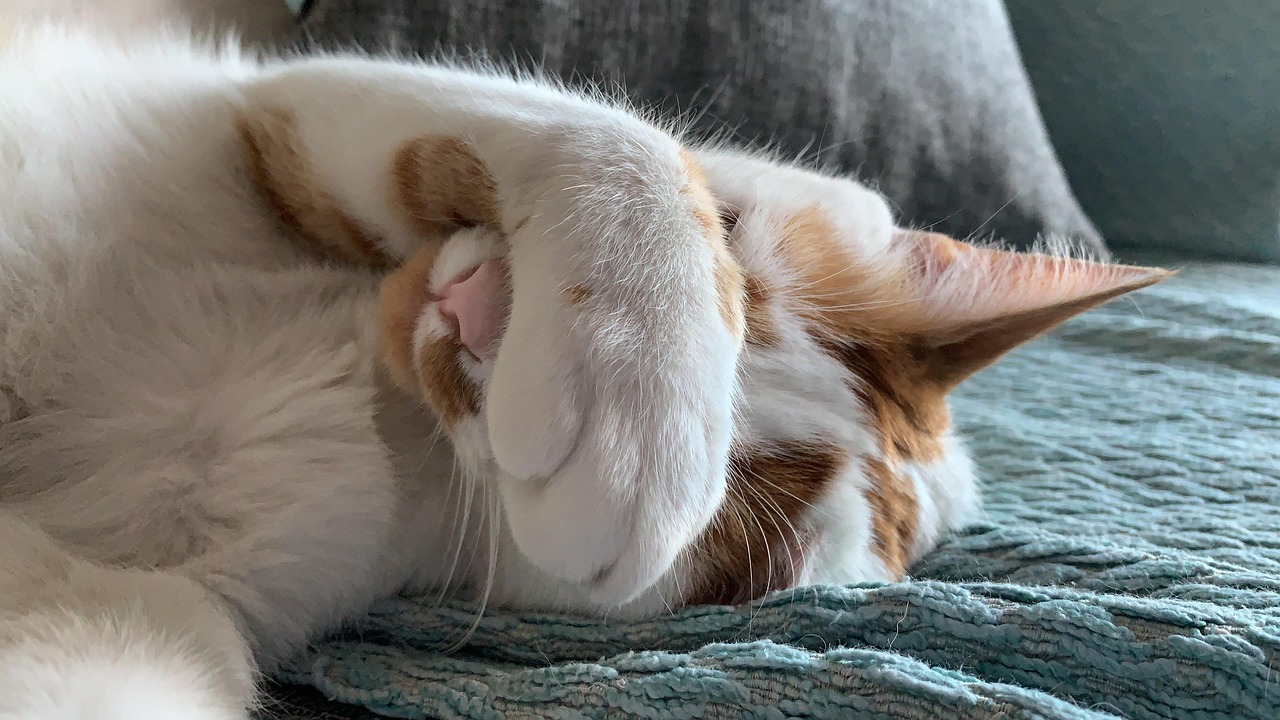
Kneading is one of the most common cat behaviors — it’s when a cat alternately presses their front paws into a soft surface in a steady, rhythmic motion. Cats might knead a fluffy blanket, a soft pillow, or even their owner’s warm belly or lap. During kneading, some cats will extend their claws, but this isn’t aggression — it’s simply a natural muscle response. If you watch closely, you’ll often notice that kneading cats also purr, their eyes grow soft and dreamy, and some even drool a little. All of these signs point to a state of deep relaxation and contentment.
The behavior is sometimes called “making biscuits” because the alternating paw motion looks just like a baker kneading dough. Behaviorists note that this instinct — carried over from kittenhood into adulthood — is seen in both domestic cats and their wild ancestors, which tells us just how deeply rooted kneading is in feline development. Understanding what kneading really is helps pet owners respond to it in the right way.
What does kneading mean?
When your cat starts kneading on you or the things around them, they’re communicating something in their own unique way. In most cases, kneading is how cats express affection, security, and happiness — think of it as their most sincere emotional declaration. That said, the motivations behind kneading aren’t one-dimensional. Depending on the context and the target, it can reflect different physical or emotional needs. Let’s take a closer look at the five reasons behind this behavior.
5 reasons why cats knead
Reason 1: An instinct rooted in nursing
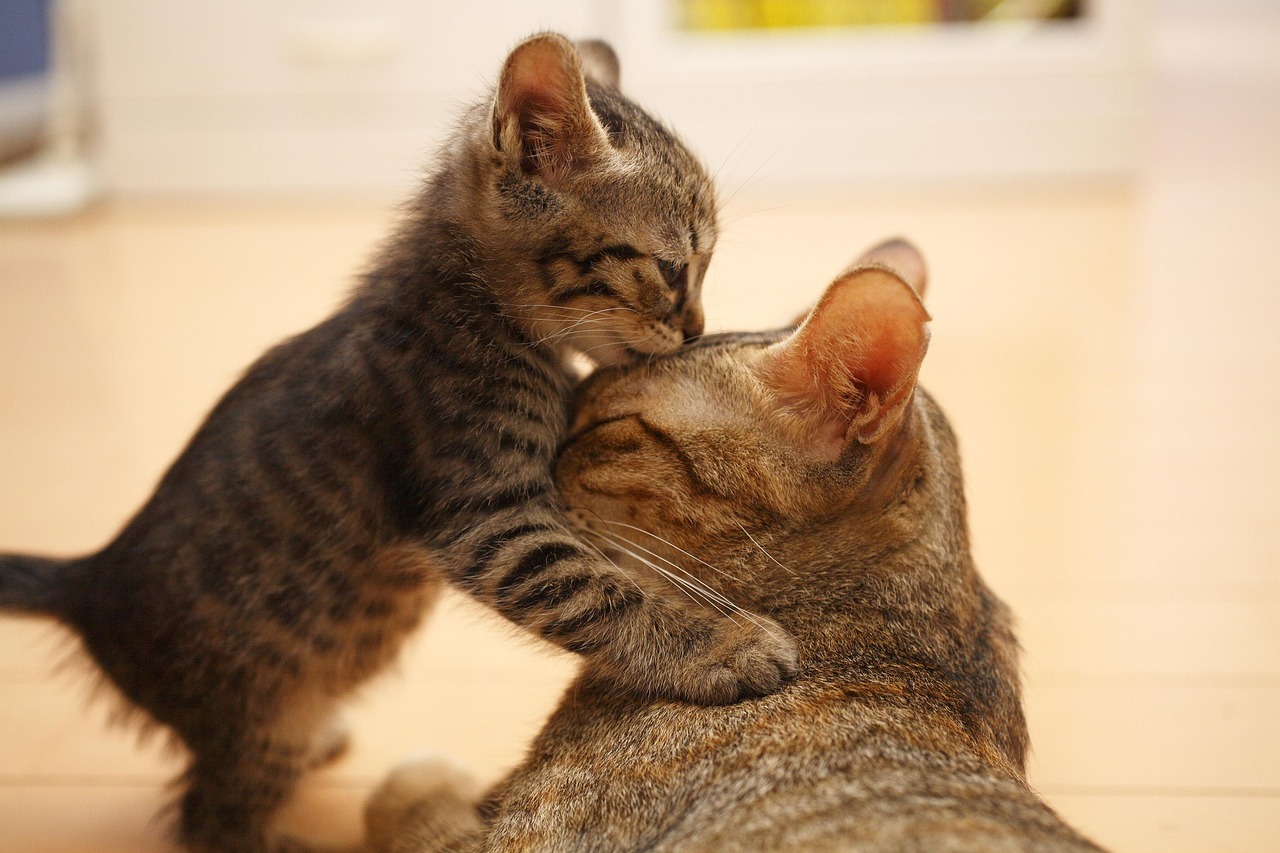
Kneading first appears when kittens are newborns. While nursing, kittens instinctively press their front paws alternately against the area around their mother’s mammary glands — a motion that stimulates milk flow and helps them feed. For a kitten, kneading is closely tied not just to eating, but to feelings of warmth and security. Even after a cat is weaned and grows into an adult, that early physical memory stays embedded in their behavior. So when your adult cat kneads on you, it’s a sign that being with you gives them the same sense of safety and comfort they felt as a kitten curled up with their mother — a deeply layered expression of trust and attachment.
Reason 2: Self-soothing and relaxation
Another key reason adult cats retain kneading behavior is that the act itself is self-soothing. Just as humans might unconsciously rub their hands together or rock gently when stressed, cats use the rhythmic motion of kneading to release tension and return to a calm state. Interestingly, this self-comforting behavior isn’t exclusive to domestic cats — research has found that wild felines also display similar kneading-like movements when they feel safe and at ease. This suggests that kneading functions as an emotional regulation mechanism across the entire cat family.
Reason 3: Scent marking their territory
You might not know this, but cats have scent glands in the pads of their paws. When they press against a surface, those pads release pheromones that humans can’t detect but other cats recognize clearly. Through kneading, a cat essentially leaves behind a personal scent marker — a way of saying “this is mine.” This marking behavior tends to be more frequent in environments where the cat feels safe and familiar. It’s also worth noting that female cats in heat may knead more often, which is related to the pheromone-signaling function as well.
Want to better understand your cat’s body language? Attentive daily observation and quality time together are the foundation of a great relationship between you and your cat.
Reason 4: Expressing joy and happiness
When your cat kneads on your lap while purring, you can be almost certain they’re in a state of pure bliss. Kneading often shows up alongside other positive feline behaviors — slow blinking, showing their belly, or rubbing their face against you. This behavior reflects how much your cat trusts and is attached to you, and it signals that a real emotional bond has formed between you two. If your cat frequently kneads near you, congratulations — you hold a very special place in their heart.
Reason 5: Preparing their resting spot
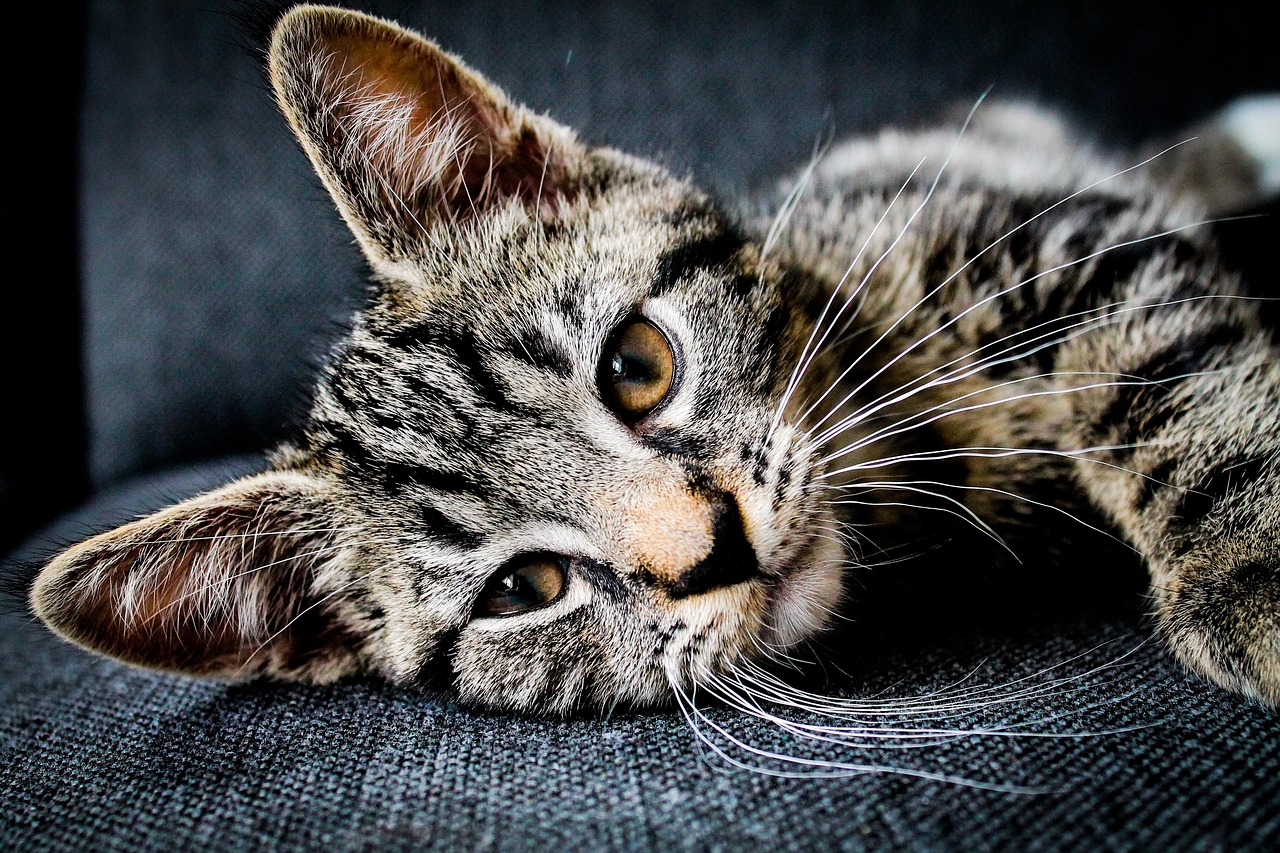
Some cats will knead their chosen sleeping spot before settling down for a nap. This behavior traces back to their wild ancestors: wildcats would tread on grass or leaves to flatten out a comfortable resting area and check that nothing dangerous was lurking underneath. Even though modern house cats have soft cat beds and blankets, that genetic instinct still drives them to carefully “make their bed” before drifting off to sleep. You might notice that after kneading, a cat will almost immediately curl up and close their eyes — sweet dreams incoming.
Should you let your cat knead on you?
Absolutely — letting your cat knead on you is perfectly fine, and it’s actually a precious bonding moment. That said, some cats extend their claws while kneading and may leave scratches on your skin, especially if you’re wearing thin clothing or the claws make direct contact. To avoid this minor issue, get into the habit of trimming your cat’s nails regularly, or lay a thick blanket over your lap as a buffer when you sense a kneading session is coming. Most importantly, never scold or push your cat away when they accidentally scratch you — doing so can damage the trust between you.
How to respond to your cat’s kneading behavior
Kneading is a natural and harmless behavior, but when your cat picks an inconvenient place or moment to do it, you can gently redirect them with these approaches:
- Redirect and reward: Use positive reinforcement — when your cat kneads somewhere inappropriate, draw their attention away with a favorite toy or treat and guide them toward a different activity. When they knead in a suitable spot, offer praise or a small reward to reinforce the right behavior.
- Trim their nails regularly: Making regular nail trims part of your routine not only reduces scratches during kneading but also protects your furniture and fabrics. Aim for every two to three weeks; if you’re unsure how, ask your vet to show you.
- Set up a dedicated kneading spot: Lay out a soft blanket just for them and spritz it with a cat pheromone spray to attract them to it. Over time, your cat will naturally gravitate to that blanket for their kneading sessions instead of your new sofa or expensive bed sheets.
- Never punish: Kneading is instinctive — punishment won’t stop it, and it’s likely to cause anxiety, fear, and other behavioral problems. Always respond to your cat with patience and understanding.
Planning a trip and want your cat to receive great care in the comfort of home? A professional in-home cat sitter can make all the difference.
What to watch for when your cat kneads
As an attentive pet owner, observing your cat’s kneading patterns can also help you keep tabs on their health and emotional state. Here are a few things worth paying attention to:
- Changes in frequency: If your cat suddenly kneads significantly more or less than usual, it may reflect a change in environment or emotional state — worth keeping an eye on.
- Who or what they knead: Notice which objects or people your cat prefers to knead. This can help you identify who they trust most and where they feel safest.
- Accompanying behaviors: Is kneading paired with purring, drooling, or slow blinking — all relaxation signals? Or does your cat seem tense and agitated? Different accompanying behaviors point to different emotional states.
- Time patterns: Many cats knead at consistent times — right after their owner gets home from work, or just before bed. Recognizing these patterns can help you plan quality time together.
Remember, your cat’s kneading is just as natural as their purring — it’s their unique language for communicating with you. The more you tune in to these signals from your furry companion, the deeper your connection and understanding will grow.
Final thoughts
Cat kneading is an instinctive behavior full of warmth and meaning. Whether it’s rooted in sweet memories of nursing, a self-soothing mechanism for relaxation, or a heartfelt expression of trust and love for you — every press of those little paws is your cat’s way of having a conversation with you. As a pet owner, understanding and embracing this behavior not only helps you appreciate every adorable quirk your cat has, but also equips you to gently guide them when needed. The next time your cat climbs onto your lap and earnestly starts “making biscuits,” put down whatever you’re doing and savor that special moment together.
If work trips or travel mean you can’t always be by your cat’s side, Fluv offers professional in-home cat care services. Our thoroughly vetted pet sitters come to your home to look after your cat, so they can stay comfortable in their familiar environment — and you can head out the door with total peace of mind.
Frequently asked questions
Q: What is cat kneading?
A: Kneading is an instinctive behavior where a cat alternately presses their front paws into a soft surface in a steady, rhythmic motion. It originates from the movement kittens use while nursing to stimulate milk flow. Adult cats retain this instinct and typically display it when they’re relaxed and content. It’s also affectionately known as “making biscuits” and is one of the most iconic and endearing things cats do.
Q: How can I tell if my cat is kneading out of happiness or anxiety?
A: Look at what else your cat is doing at the same time. If they’re purring, their eyes are soft, they’re slow blinking, or even drooling a little, they’re in a happy, relaxed state. On the other hand, if they seem stiff, their ears are pinned back, or their tail is flicking rapidly while kneading, that may indicate anxiety or unease — it’s worth checking whether any changes in their environment might be causing stress.
Q: What’s the difference between kneading and scratching furniture?
A: They’re completely different behaviors. Kneading is a gentle, alternating pressing motion used for self-soothing and expressing affection; scratching furniture is how cats stretch their muscles, shed old claw sheaths, and mark their territory — it’s more forceful and directional. Kneading typically happens on soft surfaces, while scratching tends to target rough, hard materials. The two behaviors also call for different responses from pet owners.
Q: What should I do if my cat’s claws scratch me during kneading?
A: The most effective solution is to trim your cat’s nails regularly — every two to three weeks is a good target. You can also drape a thick blanket over your lap during kneading sessions as a protective buffer. Whatever you do, avoid scolding or pushing your cat away when they accidentally scratch you — that can erode their trust in you and make them feel insecure.
Q: Why does my cat never knead?
A: Not all cats show obvious kneading behavior, and that’s completely normal — it’s simply individual variation. Possible reasons include being separated from their mother too early (leaving a fainter nursing memory), having a more independent personality, or simply preferring other ways to show affection, like face-rubbing or slow blinking. A cat that doesn’t knead isn’t unhealthy or unhappy, so there’s no need to worry.
Q: Does a sudden change in my cat’s kneading frequency mean I should see a vet?
A: A change in frequency alone usually doesn’t require an immediate vet visit, but it is worth monitoring. A sharp increase in kneading paired with restlessness may reflect stress or environmental changes. If kneading suddenly stops entirely and is accompanied by decreased appetite or lethargy, it’s a good idea to take your cat in for a check-up to rule out any underlying health issues. Keeping a habit of observing and noting your cat’s behavior makes it much easier for a vet to give an accurate assessment.
Q: How do I choose a pet sitter for in-home care of my cat?
A: When choosing a pet sitter, prioritize platforms with thorough vetting processes and solid service guarantees. Look for services where sitters have passed background checks, provide real-time photo updates, and are covered by insurance. The benefit of in-home care is that your cat stays in their familiar environment, which reduces the stress of being moved to a new place. Fluv is Taiwan’s largest pet sitter platform, offering a comprehensive screening system and service protections that give cat owners real peace of mind.
Fluv exclusive deals — limited-time offers for devoted pet owners
#Want the best in-home care experience for your pet?
🎁 New users — enter promo code
#UNEW95
Book now and get 5% off your first order!
👉 Ready to find the perfect professional pet sitter for your furry friend?

Fluv founder Candace Chen
Forbes 30 Under 30 Asia | 2024 Tatler Gen.T Leaders of Tomorrow
As the founder of Fluv, Candace has built the brand into Taiwan’s largest and most trusted pet care platform through exceptional business vision and execution.
- World-class recognition: Named to the Forbes 30 Under 30 Asia list and selected as a 2024 Tatler Gen.T Leader of Tomorrow.
- Backed by industry leaders: Successfully secured investment from Twitch co-founder Kevin Lin and influential venture capital firm SIC.
- Market leader: Has grown Fluv to a community of over 7,000 vetted professional sitters, trusted by more than 140,000 members.
Further reading:
Cat treats aren’t just rewards — here’s how to use them to enrich your cat’s life
Easy homemade cat treats: 5 healthy recipes your cat will love
Views: 3872
 English
  Chinese