
Table of contents
- Why does choosing the right dog treat matter so much?
- Natural treasures hiding in your fridge: low-value everyday treats
- How to use kitchen ingredients to make high-value training treats
- The surprising benefits of spreadable treats
- Which affordable store-bought treats are worth recommending?
- Smart bulk-buying and money-saving tips
- What to watch out for when choosing treats for puppies
- Conclusion
- FAQs
The cost of owning a dog always adds up faster than expected — food, supplements, everyday treats, each one a test on your wallet. But rewarding your pup well doesn’t have to mean spending a lot. Vets generally recommend that treats and supplemental foods make up no more than about ten percent of your dog’s daily calorie intake, which means choosing the right treat matters far more than choosing the most expensive one. Whether you’re using treats for training reinforcement or just want to give your dog a little afternoon surprise, there are plenty of quality options out there that won’t break the bank. This guide will take you from your kitchen fridge to the pet store, covering the best value-for-money dog treat options so you never have to choose between your budget and your pup’s happiness.
Why does choosing the right dog treat matter so much?
Before diving into treat selection, there’s one core concept worth understanding: treat “value tiers.” Low-value treats are everyday snacks your dog is happy to eat but won’t get particularly excited about — great for handing out casually on walks or during downtime. High-value treats, on the other hand, are the ones that make your dog’s eyes light up and motivate them to follow commands — ideal when teaching new behaviors or reinforcing specific actions. Every dog has different preferences: some can’t resist meat-based treats, while others go crazy for cheese or peanut butter. Knowing what makes your pup tick lets you get the most out of every treat dollar. When shopping, also pay attention to whether ingredients are natural and easy to digest, and avoid products loaded with artificial additives or high sugar content — that way you’re saving money and protecting your dog’s digestive health at the same time.
Natural treasures hiding in your fridge: low-value everyday treats
If you’re looking to cut back on treat spending, the answer might already be in your fridge or pantry. Many human foods are perfectly safe and nutritious for dogs, and the cost is practically nothing. Low-value natural treats make great everyday rewards — they’re low in calories, small in size, and can be given frequently without worrying about weight gain. Here are a few recommended options:
- Carrots or apple slices cut into small pieces (be sure to remove apple seeds)
- Fresh blueberries — one at a time is just the right size for a training reward
- Blanched green beans, with a satisfying crunch that many dogs love
- Chopped broccoli florets — high in fiber and low in calories
These ingredients are easy to find at any market or supermarket and are very affordable. You can prep a few days’ worth at once and store them in a container for quick access. For dogs on a weight-management plan, fruit and vegetable treats are an especially great alternative.

How to use kitchen ingredients to make high-value training treats
When you’re teaching your dog a new command or need to hold their focus in a distracting environment, low-value treats may not cut it. That’s when you need to bring out the big guns — high-value treats. The good news is that the most effective high-value treats often come straight from your kitchen, with no need to spend extra on expensive training-specific products. Try these simple options:
- Boiled chicken breast shredded into small pieces — a favorite for most dogs
- Hard-boiled egg diced into small cubes — high in protein and easy to digest
- Cheese cut into fingernail-sized pieces — irresistibly aromatic
- Roasted sweet potato sliced and air-dried — a long-lasting chew reward
Homemade dehydrated jerky is especially worth recommending. When chicken breast or beef is on sale at the supermarket, pick up a batch and slow-roast it in the oven at a low temperature to make jerky. The cost is roughly a third of what store-bought pet jerky runs, and it contains zero preservatives or artificial flavoring. Make a large batch, portion it out, and freeze — you’ll always have a high-quality training treat stash on hand.
Want your pup to be in great hands even when you’re away? All sitters on Fluv go through a rigorous vetting process you can trust.
The surprising benefits of spreadable treats
Beyond training, treats serve another often-overlooked purpose: helping dogs relax and de-stress. Lick mats have become hugely popular in recent years, and for good reason — spreading a soft food into the grooves of a lick mat and letting your dog slowly work through it is proven to reduce anxiety and provide excellent mental stimulation. Here are some affordable spreadable foods that pair perfectly with a lick mat:
- Plain low-sugar yogurt — probiotic-rich and great for digestion
- Xylitol-free peanut butter (always check the ingredient label — xylitol is toxic to dogs)
- Low-fat cottage cheese — high in protein and easy to digest
- Canned pumpkin puree (not pumpkin pie filling) — fiber-rich and great for digestion
On hot summer days, you can freeze a loaded lick mat for an icy version that cools your pup down and extends the fun. This little trick costs almost nothing extra but keeps your dog happily occupied for a good while — perfect for when you need a short break or have a busy moment.
Which affordable store-bought treats are worth recommending?
Here’s a quick-reference table of three types of budget-friendly store-bought treats to help pet parents pick the best match for their dog’s preferences and needs!
| Treat type | Best for / use case | Buying and ingredient tips | Calorie reference |
| Soft meat jerky |
Dogs that prefer a softer texture;
ideal for high-frequency training. |
* Real meat listed as the first ingredient
* Short, simple ingredient list
* Texture easy to tear into small pieces |
Approx. 20–25 kcal per piece |
| Hard biscuits |
Dogs that love to crunch;
great for dogs who enjoy chewing. |
* Check for a single animal protein source
* Contains natural grains like oats or barley for dietary fiber |
Varies by product label |
| High-value training treats |
High-motivation situations;
intensive training sessions. |
* Top three ingredients are all animal proteins
* High protein content with excellent palatability |
Very low per piece — approx. 2–5 kcal |
Smart bulk-buying and money-saving tips
Want to stretch your treat budget even further and make every dollar count? Keep these 4 money-saving strategies in mind:
-
Tip 1: Go for large or bulk packs. If your dog is a fan of a particular treat, buy the family or bulk size — the unit price is typically 20% to 30% cheaper than smaller packages.
-
Tip 2: Use subscription services on e-commerce platforms. Many pet supply websites offer recurring delivery discounts — you’ll save money and never run out of treats.
-
Tip 3: Watch for seasonal sales and pet expos. Keep an eye on major annual sales events and pet expos, and stock up in one go — it’s one of the best ways to save big.
-
Tip 4: The ultimate money-saver — make your own dehydrated treats. When meat and produce go on sale, buy in bulk and use a food dehydrator to make one to two months’ worth at once. Portion and freeze, and the cost per treat will almost always beat anything store-bought.
Whichever approach you choose, the most important thing is finding flavors and textures your pup loves, so every dollar you spend truly hits the mark.
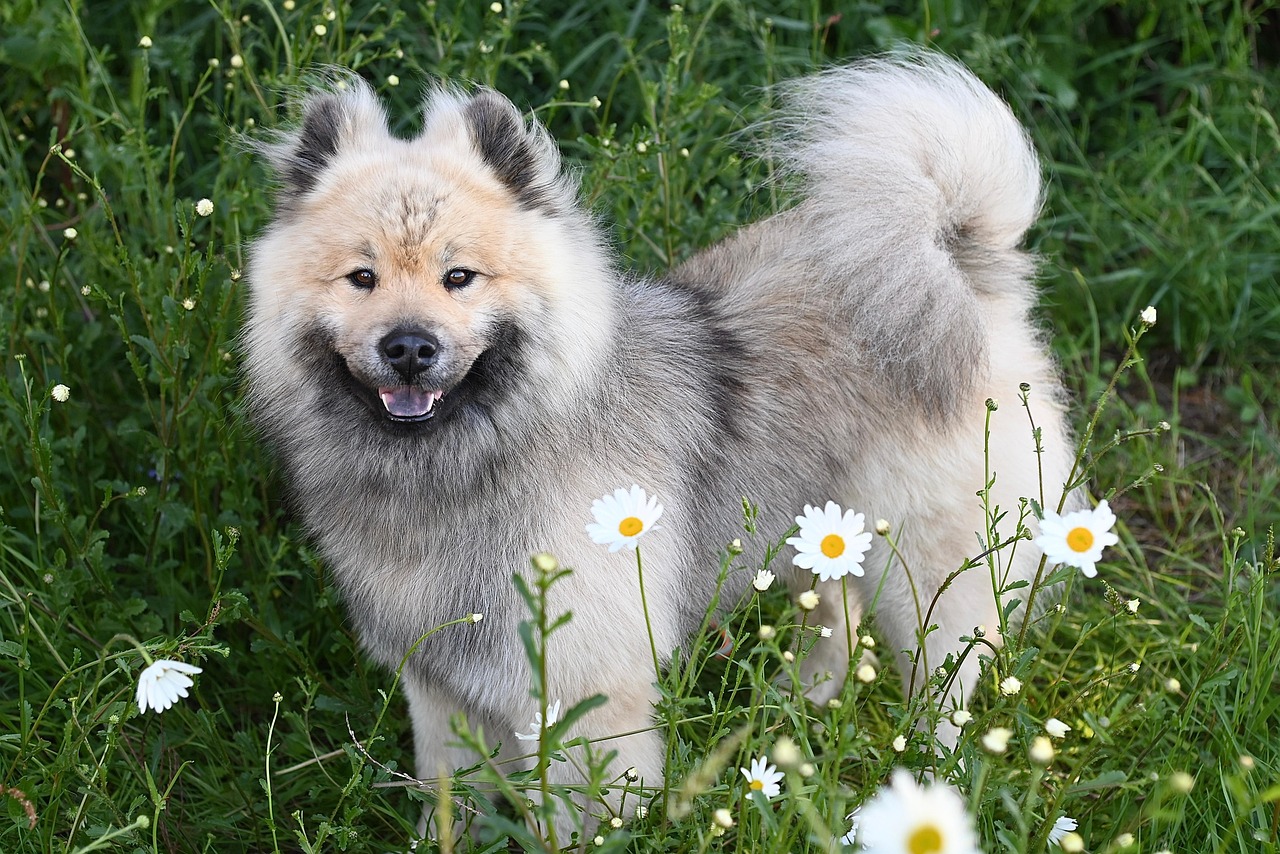
Whether at home or out and about, your pup deserves the best care without compromise.
What to watch out for when choosing treats for puppies
Caring for a growing puppy takes extra thought. Keep the following points in mind when selecting and giving treats:
-
Simpler ingredients are better. A puppy’s digestive system is still developing. Look for products with only 1 to 2 ingredients (e.g., freeze-dried pure chicken, single-protein soft treats) to minimize digestive stress.
-
Size and hardness should be appropriate.
-
Size: Adjust to suit your puppy’s size to avoid choking hazards.
-
Hardness: Puppies are teething and have delicate teeth — avoid hard biscuits that could cause damage.
-
-
Strictly control treat calories (the golden 10% rule). The puppy stage is a critical window for behavior training, and while high-value treats are great motivators, portion control is essential. Treat calories should never exceed 10% of total daily intake to avoid interfering with proper nutrition from meals.
-
Introduce human foods one at a time, in small amounts. If you’d like to try natural ingredients, start with a small amount of plain boiled chicken or carrot.
-
Introduce only one new ingredient at a time.
-
Watch closely for any signs of allergic reaction or digestive upset (such as diarrhea), and only add more variety once you’ve confirmed it’s safe.
-
Conclusion
Choosing treats for your pup doesn’t have to mean compromising on quality or price. From fresh fruits and vegetables in the fridge to homemade dehydrated jerky to carefully chosen affordable store-bought options, there are plenty of ways to reward and nourish your dog on a budget. The key is knowing your pup’s preferences, understanding when to use everyday treats versus high-value training treats, and making a habit of reading ingredient labels. While you’re putting thought into your dog’s treats, don’t forget to make sure they’re well cared for on your busy days too. Fluv, Taiwan’s largest pet sitter matching platform, offers a range of services including in-home visits, accompanied walks, and boarding stays. Every sitter is thoroughly vetted, provides real-time photo updates during each visit, and is backed by platform insurance — so you can head out with peace of mind knowing your pup is in warm, professional hands.
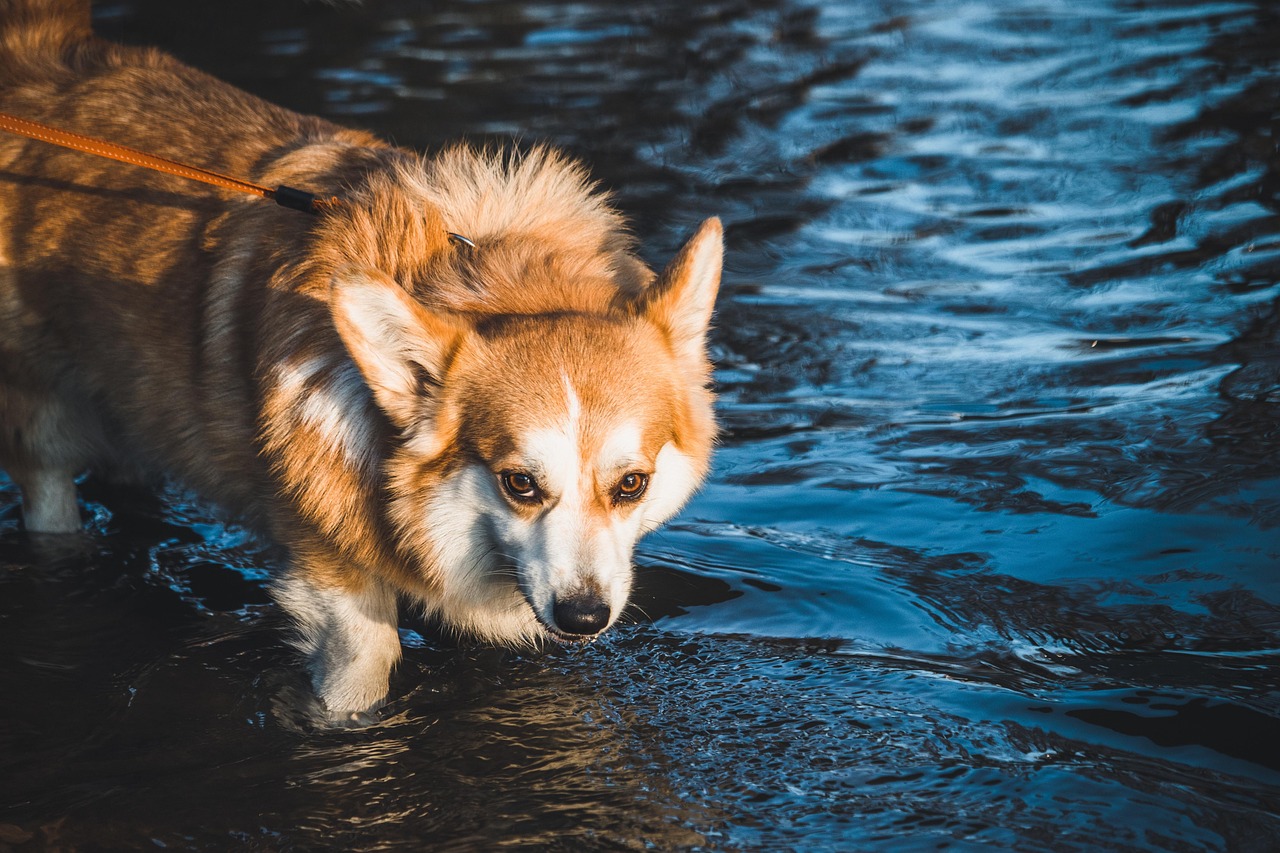
Start enjoying reliable, convenient pet care today.
FAQs
Q: What’s the difference between “high-value” and “low-value” dog treats?
A: It’s a way of categorizing treats based on how appealing they are to your dog. High-value treats — typically meat-based or protein-rich — are exciting enough to motivate your dog to follow training commands. Low-value treats are everyday snacks like fruits and vegetables, great for casual rewards. Understanding this distinction helps you pick the right treat for the right moment.
Q: How do I make budget-friendly, healthy dog treats at home?
A: The simplest method is to slow-roast meat or sweet potato in the oven. Slice chicken breast or beef thinly and bake at 70–80°C for several hours until completely dried out. Homemade treats cost about a third of what store-bought versions run, contain zero artificial additives, and can be made in large batches and frozen in portions.
Q: What’s the difference between dog treats and regular meals?
A: Treats are a supplement to meals, not a replacement — they should account for no more than ten percent of daily calorie intake. Main meals provide complete nutrition, while treats are mainly used for training rewards, behavioral reinforcement, or entertainment. If you’re giving more treats than usual, reduce meal portions accordingly to avoid weight gain — the two need to be balanced together.
Q: Which human foods are toxic to dogs and should never be used as treats?
A: Grapes, raisins, chocolate, onions, garlic, and anything containing xylitol are all toxic to dogs. Foods that are overly salty, sweet, or caffeinated should also be avoided. Always verify the safety of any ingredient before using it as a treat, and when in doubt, check with your vet first.
Q: What treats are suitable for puppies, and how much should I budget?
A: Puppies do best with treats that have simple ingredients and a soft texture — such as freeze-dried pure meat or small amounts of plain boiled chicken. Budget-wise, combining homemade treats with affordable store-bought options can keep monthly costs to around NT$200–500. The key is to control portions and introduce only one new ingredient at a time, observing how your puppy’s digestion responds before expanding variety.
Q: What are common quality issues with dog treats, and how do I avoid bad ones?
A: Common issues include unidentified meat by-products, excessive artificial coloring and preservatives, and high sugar content. The best way to avoid these is to get into the habit of reading ingredient labels. Choose products where the first ingredient is a clearly named meat, and generally speaking, shorter ingredient lists signal better quality. Also check whether the product carries any certified quality inspections.
Q: Can lick mats with spreadable treats really help dogs de-stress?
A: Yes — licking has been shown in research to trigger endorphin release in dogs, producing a genuine calming effect. Spreading peanut butter or yogurt onto a lick mat can keep your dog focused and engaged for 10 to 20 minutes. It’s particularly helpful during thunderstorms, when your dog is home alone, or whenever you need a good distraction — a simple, affordable mental wellness tool.
Fluv exclusive deals | Limited-time offer for devoted pet owners
#Want the most caring in-home visit experience for your pup?
🎁 New users — enter promo code
#UNEW95
Book now and enjoy 5% off your first service!
👉 Ready to find the perfect professional pet sitter for your furry friend?
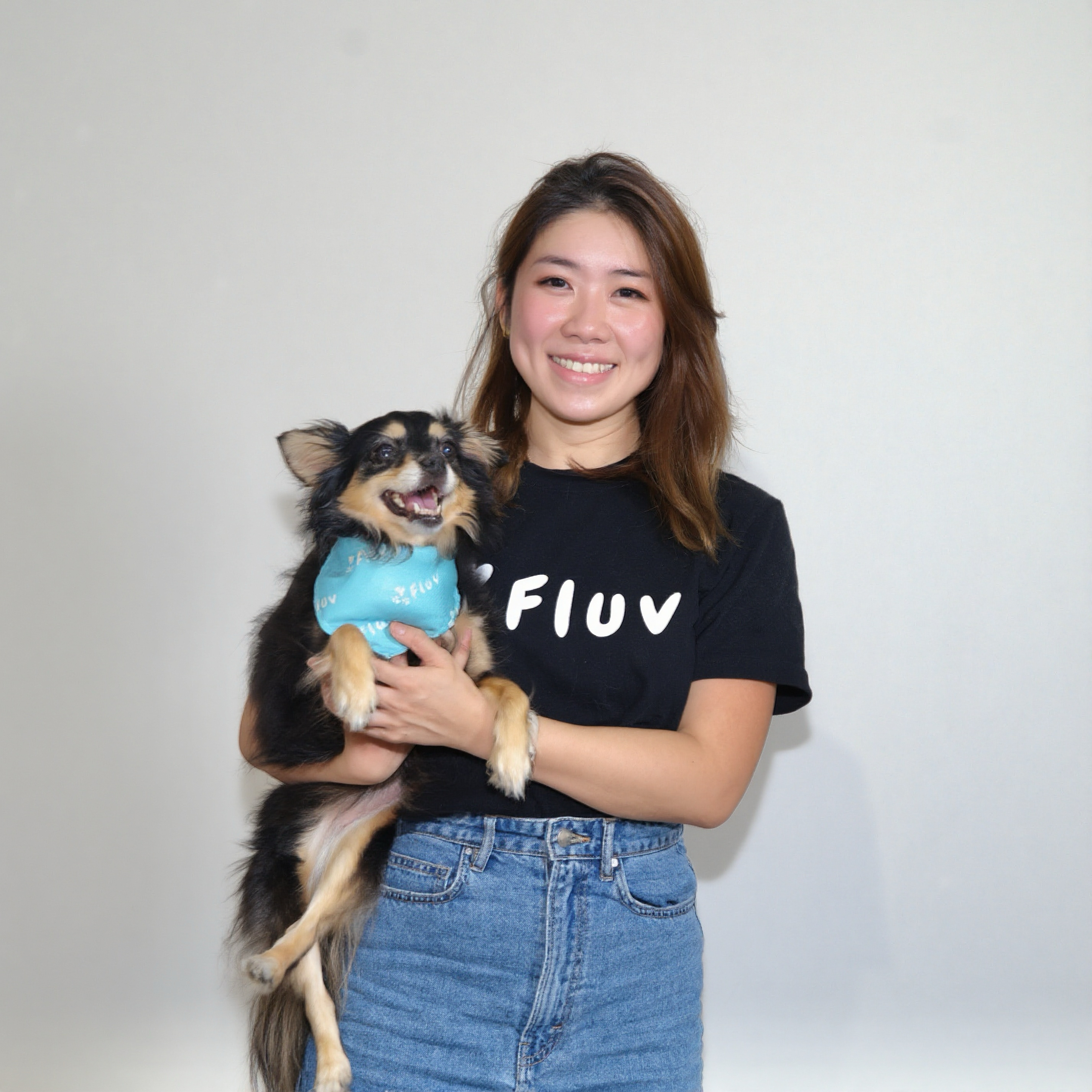
Fluv founder Candace Chen
Forbes 30 Under 30 Asia | 2024 Tatler Gen.T Leaders of Tomorrow
As founder of Fluv, Candace has combined exceptional business vision with execution to build the brand into Taiwan’s largest and most trusted pet care platform.
- World-class recognition: Named to Forbes 30 Under 30 Asia and selected as a 2024 Tatler Gen.T Leader of Tomorrow.
- Backed by top investors: Has secured investment from Twitch co-founder Kevin Lin and influential venture firm SIC.
- Market leader: Has grown Fluv to a community of over 7,000 vetted professional sitters, trusted by 140,000 members.
Further reading:
Cat treats aren’t just rewards! How to use them smarter for a richer life for your cat
Homemade cat treats made easy! 5 healthy recipes your cat will love
Views: 924
 English
  Chinese