Table of contents
- What is aflatoxin, and how does it get into dog food?
- Why is aflatoxin especially dangerous for dogs?
- What are the symptoms of aflatoxin poisoning in dogs?
- How is aflatoxin poisoning diagnosed and treated?
- How to prevent aflatoxin poisoning: 7 practical tips to protect your pet
- Your everyday responsibilities as a pet owner matter
- Frequently asked questions
As pet owners, one of our most basic daily responsibilities is choosing safe, nutritious food for our furry companions. What many people don’t realize, however, is that even commercially sold dog food with intact packaging and a normal appearance can harbor an extremely dangerous substance: aflatoxin. This toxic compound produced by mold is one of the leading causes of pet food recalls. At lower exposure levels it can affect a dog’s appetite and energy; at higher levels it can cause irreversible liver damage — or even death. This article gives you a full picture of where aflatoxin comes from, why it’s so harmful, what poisoning looks like, and most importantly, how to prevent it so your pet can eat safely at every meal.
What is aflatoxin, and how does it get into dog food?
Aflatoxin is a naturally occurring toxin produced by Aspergillus mold. This type of mold thrives especially on grains such as corn, wheat, and rice, and can also appear on crops like nuts, lentils, and potatoes. Mold growth often begins in the field, but if temperatures are high and humidity is excessive during storage, mold can continue to multiply and produce more toxins. In other words, aflatoxin can find its way into pet food at every step — from harvesting the raw ingredients all the way through processing and manufacturing.
Reputable pet food manufacturers do test raw materials rigorously for quality and use various methods to eliminate mold and pathogens. However, aflatoxin has a very stable chemical structure that can withstand baking, high-pressure cooking, drying, and even canning without being fully destroyed. This means that even when food is heat-treated during production, residual toxins may still be present in the finished product. Even more concerning is the fact that even a small amount of aflatoxin is enough to contaminate an entire batch of food — and this contamination isn’t limited to grain-containing foods. Any production facility that handles contaminated ingredients can allow the toxin to spread across other product lines.
Why is aflatoxin especially dangerous for dogs?
All pets can become ill or die after ingesting high concentrations of aflatoxin, but dogs are particularly sensitive to this toxin. Research shows that aflatoxin concentrations as low as 50 ppb (parts per billion) can cause poisoning symptoms in dogs, and the U.S. Food and Drug Administration (FDA) classifies any pet food exceeding 20 ppb as “contaminated.” What makes this especially difficult for owners to guard against is that aflatoxin can be present even when there is no visible mold on the food.

When a dog eats the same food containing low levels of aflatoxin over a long period, the toxin gradually accumulates in the body, causing chronic liver damage that can lead to abnormal blood clotting and, in severe cases, death. This cumulative effect means aflatoxin poisoning is often hard to detect in the early stages — by the time an owner notices something is wrong, the dog’s liver function may already have suffered serious, irreversible damage. As far back as 1952, a large-scale aflatoxin poisoning outbreak in dogs occurred in the southern United States, and major pet food recalls have continued to occur in the decades since. The Diamond Pet Foods incident in 2005, which involved 19 products, resulted in the deaths of more than 100 dogs.
When your pet is unwell or you need to be away, making sure your dog has dedicated care becomes especially important.
What are the symptoms of aflatoxin poisoning in dogs?
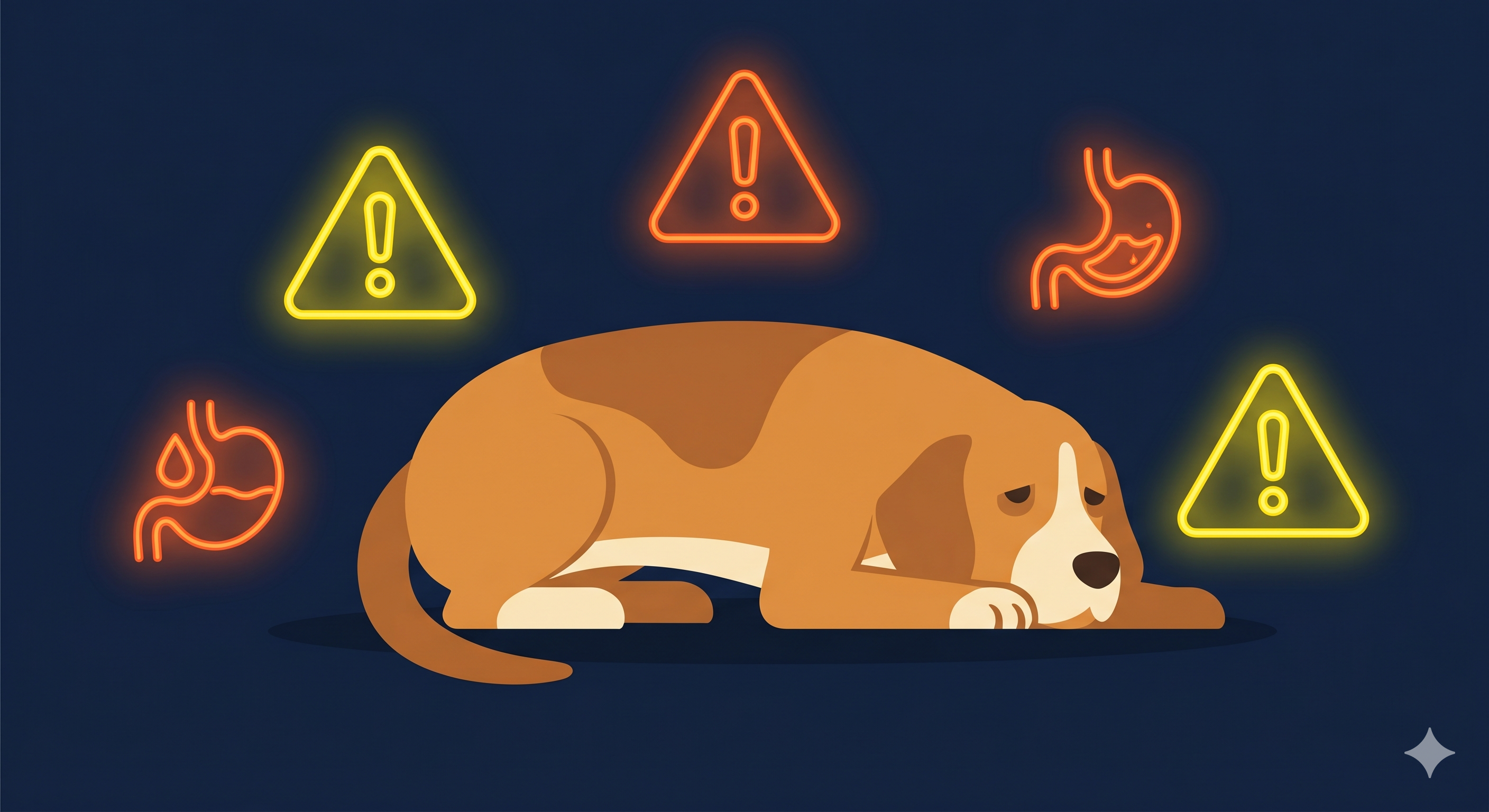
Because aflatoxin needs to accumulate to a certain concentration in a dog’s bloodstream before obvious signs appear, by the time you start noticing unusual behavior your pet’s health may already be seriously at risk. The following are the most common symptoms of aflatoxin poisoning — every owner should know them and stay alert:
- Loss of appetite or complete refusal to eat: your dog suddenly loses interest in food they normally enjoy
- Lethargy and unusual sleepiness: noticeably reduced activity levels and general sluggishness
- Jaundice: yellowing of the whites of the eyes, gums, or skin, indicating liver damage
- Unexplained bruising or bleeding: a warning sign of abnormal blood clotting
- Vomiting and diarrhea: the digestive system affected by the toxin
- Abnormally increased water intake: possibly the body’s attempt to flush out the toxin
These symptoms may appear individually or all at once. If your dog shows any of the above — especially a combination of several — take them to a vet immediately and don’t wait to see how things develop. Also, if you spot any sign of mold in the food, stop feeding it and consult your vet right away, even if your dog hasn’t shown symptoms yet.
How is aflatoxin poisoning diagnosed and treated?
Diagnosing aflatoxin poisoning is not straightforward, as its symptoms resemble those of many other conditions. Vets typically start with blood tests to check whether specific liver enzyme levels are abnormally elevated, which indicates liver damage. In some cases, a clotting function test or liver biopsy may also be recommended to confirm the diagnosis. Researchers are currently developing urine-based testing methods that could offer a more convenient screening option in the future, but this technology is still in the research phase and not yet in widespread clinical use.
Unfortunately, there is currently no standard treatment protocol for aflatoxin poisoning, nor any antidote that can directly neutralize the toxin. Aflatoxin takes up to three weeks to metabolize in a dog’s body, and during that time treatment is primarily supportive. A vet may use intravenous fluids to maintain fluid balance, administer liver-protective medications and nutritional supplements to support liver function, and provide relief for symptoms like vomiting and nausea. If a secondary bacterial infection develops, antibiotics will also be used. Treatment outcomes depend largely on how early the condition is caught and the amount of toxin ingested, which is why early detection and prompt veterinary care are so critical.
Protecting your pet’s health starts with good daily care.
How to prevent aflatoxin poisoning: 7 practical tips to protect your pet
As a pet owner, you can’t fully control how pet food is manufactured — but you can take the following 7 concrete steps to significantly reduce the risk of your pet being exposed to aflatoxin:
- Choose reputable food brands: prioritize products from manufacturers with strict quality control systems and internationally recognized certifications. Ask your vet for recommendations and look up a brand’s recall history. It’s worth noting that a brand that occasionally initiates a voluntary recall isn’t necessarily bad — this can actually indicate the company takes quality monitoring seriously. The brands to be genuinely wary of are those with frequent recalls.
- Don’t assume grain-free means safe: while aflatoxin is commonly found in grain-based ingredients, almost any type of dog food can be contaminated. Grain-free alternatives such as potatoes and legumes can carry aflatoxin just as easily, so “grain-free” does not mean “toxin-free.”
- Rotate food brands and flavors periodically: feeding only one brand or flavor for an extended period increases the risk of toxin accumulation. Rotating foods regularly under your vet’s guidance can effectively spread that risk.
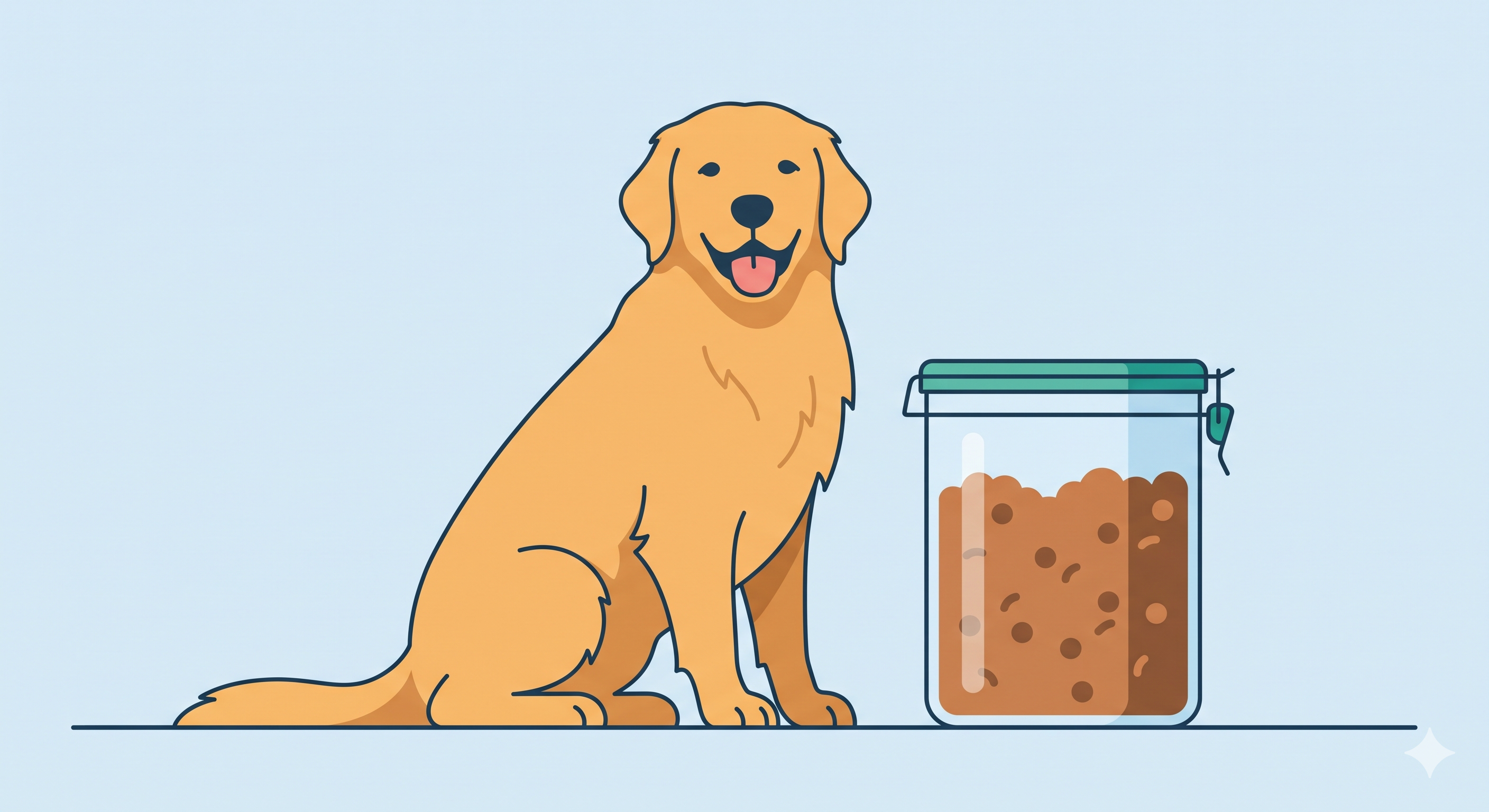
- Store food properly: once opened, seal the food in an airtight container and store it in a cool, dry place. Avoid hot or humid environments that can accelerate mold growth. Use the food before its best-by date.
- Stay informed about pet food recalls: make it a habit to regularly check government food safety agencies and pet food safety websites. If you find your brand on a recall list, stop feeding it immediately.
- Inspect food for unusual appearance or smell: before each feeding, take a few seconds to check whether the food has any unusual discoloration, clumping, or odor. If anything looks suspicious, throw it out rather than risk feeding it.
- Schedule regular health checkups for your dog: routine blood tests allow your vet to detect subtle changes in liver function early, so issues can be addressed before they worsen.
Your everyday responsibilities as a pet owner matter
Protecting your pet from aflatoxin requires ongoing attention and action. From choosing the right food and storing it correctly, to monitoring your dog’s condition, scheduling regular checkups, and keeping up with food safety news — every step is an important line of defense for your pet’s health. Aflatoxin poisoning may sound frightening, but with the right knowledge and good care habits, owners can keep the risk to a minimum. Pets can’t choose their own food — their health depends entirely on our care and attention. And when you’re temporarily unable to look after your pet yourself, don’t forget to arrange a trusted caregiver for them. Fluv is Taiwan’s largest pet sitter matching platform, offering services including in-home visits, companion walks, and boarding. All sitters are vetted through a rigorous screening process, provide real-time photo updates during their visits, and are covered by platform insurance — so you can have peace of mind wherever you are.
Frequently asked questions
Q: What is aflatoxin?
A: Aflatoxin is a naturally occurring toxic compound produced by Aspergillus mold. This mold commonly grows on grains such as corn, wheat, and rice, as well as on crops like nuts and legumes, and thrives especially in hot, humid conditions. Aflatoxin has an extremely stable chemical structure that standard food processing methods cannot fully destroy.
Q: How can I tell if my dog has aflatoxin poisoning?
A: Common symptoms include loss of appetite, lethargy, jaundice, unexplained bleeding or bruising, vomiting, diarrhea, and increased water intake. Because the toxin needs to accumulate in the body before obvious symptoms appear, you should seek veterinary care immediately if anything seems off. Blood tests and a liver function assessment can confirm the diagnosis.
Q: Is there a difference in aflatoxin risk between grain-free and grain-inclusive food?
A: Both can be contaminated — neither offers an absolute safety guarantee. While aflatoxin more commonly appears in grain-based ingredients, the alternative ingredients used in grain-free foods, such as potatoes and legumes, can carry the toxin just as well. Cross-contamination on shared production lines is also a risk factor.
Q: Can aflatoxin poisoning be cured?
A: There is currently no specific antidote or standard treatment protocol. Care is primarily supportive, including intravenous fluids, liver-protective medications, anti-nausea treatment, and antibiotics if infection develops. Outcomes depend on the severity of poisoning and how quickly it is caught, so early veterinary care is essential.
Q: How should I store dog food to reduce the risk of mold?
A: After opening, transfer the food to an airtight container and store it in a cool, dry place. Avoid exposing it to heat or humidity, and use it before the best-by date. Each time you serve it, check for any unusual smell, discoloration, or clumping.
Q: How much aflatoxin does it take to poison a dog?
A: Aflatoxin concentrations as low as 50 ppb can trigger poisoning symptoms in dogs, and the FDA classifies pet food containing more than 20 ppb as contaminated. Because the toxin accumulates gradually through daily feeding, even long-term low-dose exposure can cause serious liver damage.
Q: Where can pet owners find pet food recall information?
A: Check the official websites of food safety authorities in your country, as well as the recall notification sections of reputable pet health information platforms. Consider subscribing to relevant newsletters or setting up keyword alerts so you’re notified right away if a brand you use appears on a safety warning.
Fluv special offers | Limited-time deals for devoted pet owners
#Want the most reassuring in-home care experience for your pet?
🎁 New users: enter promo code
#UNEW95
Book now and enjoy 5% off!
👉 Ready to find a caring, professional pet sitter for your furry friend?
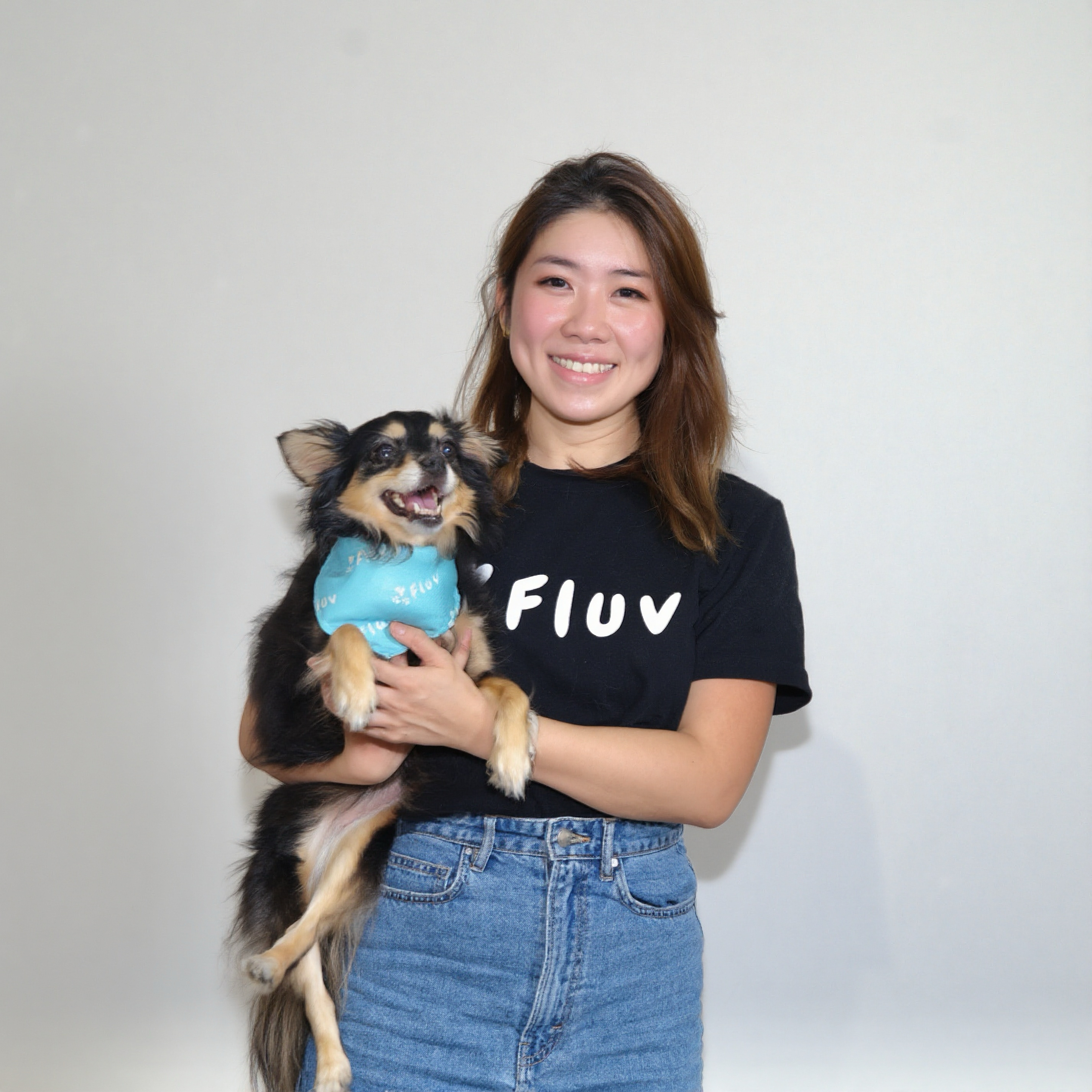
Fluv founder Candace Chen
Forbes 30 Under 30 Asia | 2024 Tatler Gen.T Leaders of Tomorrow
As the founder of Fluv, Candace has combined exceptional business vision with execution to build the brand into Taiwan’s largest and most trusted pet care platform.
- World-class recognition: named to the Forbes 30 Under 30 Asia list and selected as a 2024 Tatler Gen.T Leader of Tomorrow.
- Backed by heavyweight investors: secured investment from Twitch co-founder Kevin Lin and influential venture fund SIC.
- Market leader: has grown Fluv to a community of over 7,000 vetted professional sitters, trusted by 140,000 members.
Further reading:
Is your dog scratching non-stop? A complete guide to the 7 most common food allergens and how to identify them
Does your dog have a sensitive stomach? A low-allergen gluten-free chickpea flour dog treat recipe
Views: 822
 English
  Chinese