Table of contents
Has your cat been scratching a lot lately, sneezing frequently, or showing signs of skin irritation? These behaviors might seem minor, but they could be early warning signs of an allergy. Allergies are actually quite common in cats — whether your cat stays indoors all day or occasionally ventures outside, they can come into contact with all kinds of allergens. From flea bites and airborne pollen to the food they eat every day, any of these can trigger allergic reactions of varying severity. What worries many pet owners is that if left untreated, allergies can worsen into serious skin infections or digestive problems. This article will walk you through the causes of cat allergies, how to recognize the symptoms, and the diagnostic and treatment approaches vets commonly use — so you’ll know exactly what to do when your cat has an allergy flare-up.
Why do cats get allergies? The 3 most common allergens explained
A cat’s allergic reaction is essentially the result of the immune system overreacting to a specific substance. When a cat comes into contact with these substances, the body releases chemicals like histamine, which trigger a range of uncomfortable symptoms. Based on clinical veterinary experience, cat allergens can be broadly grouped into three main categories:
Flea allergy
Fleas are one of the most common allergens for cats. Most cats that get bitten by fleas will only experience mild itching, but for cats with a flea allergy, even just a few bites can set off an intense skin reaction. This is because they are particularly sensitive to the proteins in flea saliva, which causes persistent redness, severe itching, and — due to constant scratching and biting — hair loss and broken skin. Cats with flea allergies often show unusually frequent grooming and chewing behaviors, especially concentrated around the base of the tail and the inner thighs.
Environmental allergens
Various substances in the environment can also trigger allergic reactions in cats, a condition known in veterinary medicine as atopic dermatitis. Common environmental allergens include:
- Dust mites
- Pollen and grass seeds
- Mold spores
- Pet dander
- Certain cleaning products or scented items
Environmental allergies typically cause skin itching and inflammation, and if left untreated over time, persistent scratching can lead to secondary bacterial or fungal infections. It’s also worth noting that environmental allergies may be seasonal — symptoms can be more pronounced during spring and summer when pollen levels are higher.
Food allergy
Food allergies are not uncommon in cats either. According to veterinary research, most food allergies in cats are reactions to specific protein sources in their food — such as chicken, beef, or fish. What surprises many pet owners is that a food allergy can suddenly develop after a cat has been eating the same food for years, which means even a food your cat has been fine with in the past can’t be completely ruled out as an allergen. If you suspect your cat may be allergic to a particular ingredient, it’s best to consult your vet before switching food brands or flavors.
What are the symptoms of cat allergies? How to spot them early
The key to identifying cat allergies is carefully observing changes in your cat’s everyday behavior. Symptoms can vary depending on the type of allergen involved, but here are some of the most common signs pet owners notice:
- Frequent scratching of various body parts
- Localized hair loss from excessive scratching
- Red, swollen, or rashy skin
- Sneezing, coughing, or wheezing
- Unusual discharge from the eyes or nose
- Recurring ear infections
- Digestive symptoms such as vomiting or diarrhea
Generally speaking, flea allergies and environmental allergies are more likely to cause skin-related issues, while food allergies more often come with digestive discomfort. However, these symptoms can overlap, which makes diagnosis more complex. So if you notice any of the above signs persisting in your cat, it’s best to take them to a vet sooner rather than later to prevent symptoms from worsening. It’s also worth knowing that certain cat breeds are naturally more prone to allergies — Siamese cats, for example, are considered a higher-risk breed, and purebred cats in general tend to be more susceptible to allergies than domestic mixed-breed cats.
Caring for a cat with allergies takes extra patience and attention. If you need to be away for a while, consider entrusting your cat to an experienced pet sitter.
How do vets diagnose cat allergies?
Identifying the source of a cat’s allergy takes patience, because many allergy symptoms look very similar, and a cat may be allergic to more than one thing at the same time. Depending on your cat’s specific symptoms, your vet will typically use one or more of the following diagnostic approaches to identify the allergen:
| Diagnostic method | Details and purpose |
|---|---|
| Flea comb check | The vet uses a fine-toothed comb to carefully go through your cat’s fur, looking for fleas or flea dirt. Fleas can be hard to spot, but this is the most basic first step in ruling out a flea allergy. |
| Intradermal allergy testing | Performed by a veterinary dermatologist, this test involves injecting small amounts of potential environmental allergens into the skin and observing whether a reaction — such as redness or swelling — occurs, to determine which environmental substances your cat is sensitive to. |
| Elimination diet | This is the most reliable method for diagnosing food allergies. The vet will put your cat on a strict diet of hydrolyzed protein food for eight to twelve weeks. After the observation period, original food ingredients are reintroduced one at a time to identify which one is causing the reaction. |
| Serum allergen testing | A blood sample is sent to a laboratory to measure antibody levels against various allergens, giving the vet a more comprehensive picture of your cat’s allergy profile. |
One helpful tip: if you have pet insurance for your cat, check your policy in advance to see whether allergy-related diagnostic costs are covered — this can help ease the financial burden of the diagnostic process.
How are cat allergies treated?
Once the allergen is confirmed, the vet will put together a suitable treatment plan based on your cat’s specific situation. Treatment strategies differ depending on the type of allergy:
Treating flea allergies
If your cat is confirmed to have a flea allergy, the core of treatment is eliminating fleas completely and preventing reinfestation. Your vet may recommend topical flea treatment, oral corticosteroids to reduce inflammation, or specific anti-itch medications. At the same time, treating the home environment is equally important — this includes thoroughly washing your cat’s bedding, vacuuming regularly, and using environmental flea spray when necessary. Most importantly, ongoing preventive flea treatment is essential to break the flea life cycle and address the problem at its root. A flea comb or bath alone won’t fully eliminate fleas, as these methods can’t interrupt the flea reproductive cycle.
Treating environmental allergies
For environmental allergies (atopic dermatitis), vets typically take a systemic treatment approach:
- Oral corticosteroids or antihistamines: These effectively block the allergic response and quickly relieve itching and inflammation
- Cyclosporine: An oral immunomodulatory medication that controls symptoms by modifying the immune response responsible for the allergy
- Targeted anti-itch medication: Oral medications designed specifically for atopic dermatitis to help manage chronic itching
Alongside medication, minimizing your cat’s exposure to known allergens is an important supportive measure — for example, using an air purifier, keeping the home regularly cleaned, and avoiding cleaning products with irritating ingredients.
Treating food allergies
Managing food allergies is relatively straightforward in principle: once the offending ingredient is identified, it must be completely removed from your cat’s diet. During the transition, you can offer your cat alternative foods they enjoy and give them extra attention and companionship, while closely monitoring whether symptoms gradually improve. If your cat’s symptoms haven’t improved within a few days of removing the suspected allergen, go back to your vet for further evaluation — there may be other potential allergens or underlying health issues to consider.
Cat allergy treatment often requires long-term care and monitoring. If you’re busy with work and worried about not being able to keep a close eye on your cat, consider arranging for someone to provide in-home care.
How to prevent allergy flare-ups in cats
While it’s not possible to completely eliminate the risk of allergies, there are everyday steps pet owners can take to reduce how often flare-ups occur and how severe they are:
- Use preventive flea treatment regularly: This is the most effective way to prevent flea allergies. Even cats that never go outdoors should be treated regularly, since fleas can enter the home via clothing, shoes, or other pets.
- Keep the home environment clean: Vacuum regularly, wash your cat’s bedding and toys, and maintain good indoor ventilation — all of which help reduce the buildup of environmental allergens like dust mites and mold.
- Pay attention to diet changes: If your cat has previously been diagnosed with a food allergy, always read ingredient labels carefully before switching foods or offering new treats to make sure they don’t contain any known allergens.
- Schedule regular health check-ups: Regular vet visits to monitor your cat’s allergy status allow problems to be caught early and treatment plans to be adjusted as needed.
- Keep a symptom journal: Get into the habit of noting your cat’s daily behavior and symptoms — including scratching frequency, diet, and any environmental changes. This information can help your vet make a faster and more accurate assessment at appointments.
Conclusion
Cat allergies are common, but with careful observation, timely veterinary care, and a willingness to follow your vet’s diagnostic and treatment recommendations, most allergy issues can be well managed. From keeping the home clean and managing your cat’s diet to staying on top of preventive medications, every small detail plays an important role in protecting your cat’s health. Remember: when it comes to allergies, never try to self-diagnose or give medications without guidance — your vet’s professional advice is always the most reliable path forward. We hope this article has given you a clearer picture of cat allergies, and that it helps you and your furry companion enjoy a more comfortable, worry-free life together.
Fluv is Taiwan’s largest pet sitter matching platform. All sitters pass a rigorous screening process, provide real-time photo reports during each visit, and are covered by platform insurance. Whether you need in-home care, boarding at a sitter’s home, or in-home grooming and bathing, Fluv lets you confidently hand over your pet’s care — even on your busiest days.
Frequently asked questions
Q: What is atopic dermatitis in cats?
A: Atopic dermatitis is an allergic reaction in cats to non-food environmental substances such as pollen, dust mites, and mold. This type of allergy causes skin inflammation and itching, and in severe cases can lead to secondary infections. Atopic dermatitis typically requires long-term management, and vets will develop an individualized treatment plan based on the severity of symptoms.
Q: How can I tell whether my cat has a flea allergy or a food allergy?
A: Flea allergies mainly show up as skin itching and hair loss, particularly concentrated around the base of the tail; food allergies more often come with digestive symptoms like vomiting and diarrhea. That said, the symptoms can overlap, so the most accurate approach is to take your cat to a vet for a professional evaluation — your vet will use methods like a flea comb check and an elimination diet to gradually identify the allergen.
Q: How much does allergy testing for cats typically cost?
A: Costs vary depending on the type of test and the clinic. A basic flea comb check is relatively inexpensive, while serum allergen testing typically costs several thousand NT dollars, and a full intradermal allergy test may cost even more. It’s worth asking your vet’s clinic about their pricing in advance and checking whether your pet insurance covers the relevant tests so you can plan your budget accordingly.
Q: How long does the elimination diet for food allergy diagnosis take?
A: The elimination diet typically needs to be followed for eight to twelve weeks. During this time, your cat can only eat the hydrolyzed protein food prescribed by your vet — no other food or treats are allowed. The process takes time, but it is currently the most reliable method for diagnosing food allergies, and strict adherence is essential to getting accurate results.
Q: Can indoor cats get flea allergies too?
A: Yes — even cats that never go outside can be exposed to fleas. Fleas can be brought into the home via the owner’s clothing or shoes, or through other pets that come and go. For this reason, vets recommend that even indoor cats receive regular preventive flea treatment to reduce the risk of flea allergies.
Q: Can cat allergies be cured?
A: For most cats, allergies cannot be completely cured, but symptoms can be effectively managed through appropriate treatment and ongoing daily care. Food allergies often show significant improvement once the offending ingredient is removed; environmental and flea allergies typically require long-term preventive measures and medication. Regular follow-up vet visits are key to maintaining a good quality of life.
Q: What home care should I pay special attention to when my cat has allergies?
A: During an allergy flare-up, it’s especially important to keep the environment clean — wash your cat’s bedding weekly, vacuum regularly to reduce dust mites, and avoid using strongly scented cleaning products or air fresheners. You should also closely monitor your cat’s scratching behavior; if needed, ask your vet about using a collar to prevent excessive skin damage from scratching, and make sure to give any prescribed medications on schedule.
Fluv special offers | Limited-time deals for devoted pet owners
#Want to give your pet the most reassuring in-home care experience?
🎁 New members — enter promo code
#UNEW95
Book now and enjoy 5% off your first order!
👉 Ready to find the perfect professional pet sitter for your furry friend?
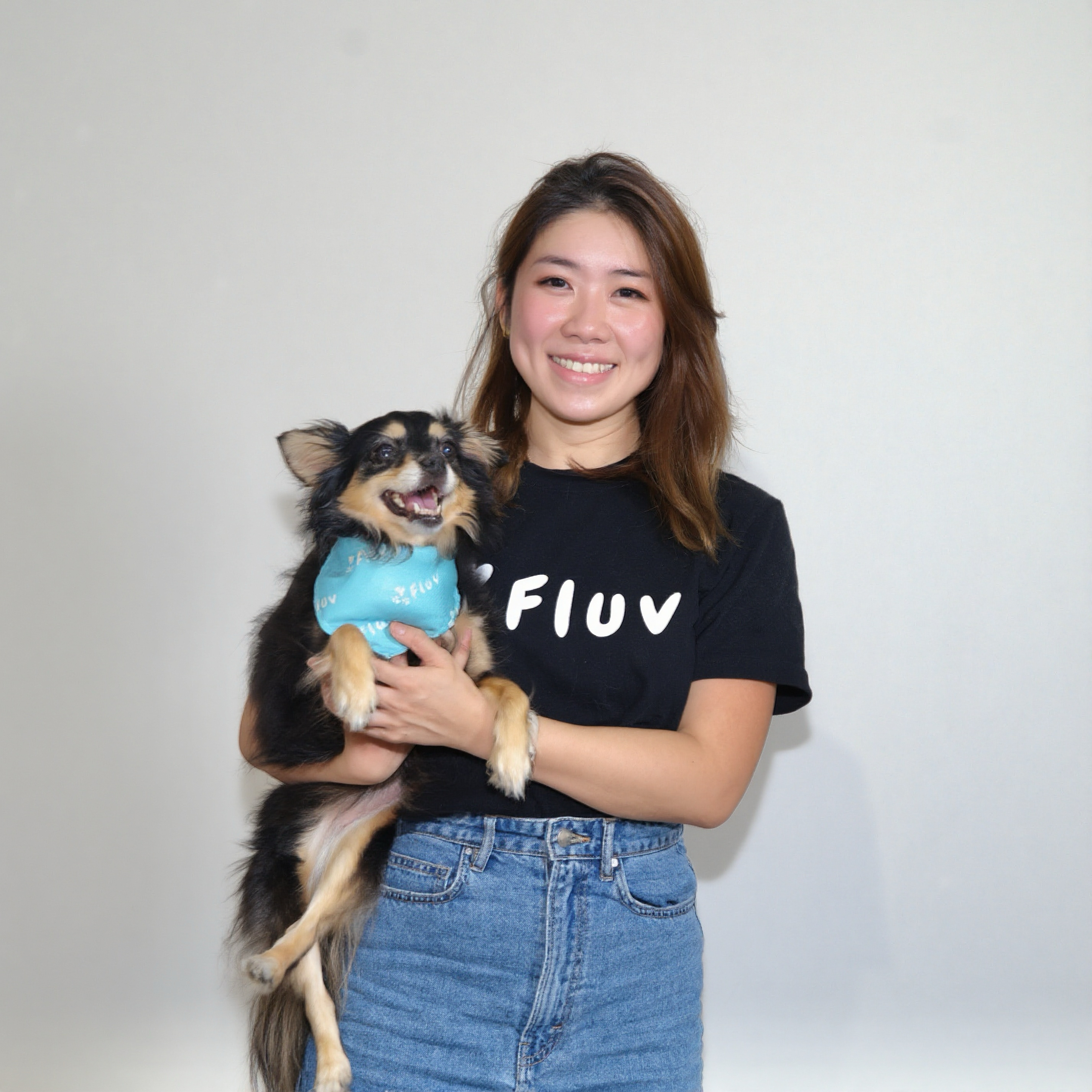
Fluv founder Candace Chen
Forbes 30 Under 30 Asia | 2024 Tatler Gen.T Leaders of Tomorrow
As the founder of Fluv, Candace has built the brand into Taiwan’s largest and most trusted pet care platform through exceptional business vision and execution.
- World-class recognition: Named to the Forbes 30 Under 30 Asia list and selected as a 2024 Tatler Gen.T Leader of Tomorrow.
- Backed by top investors: Successfully secured investment from Twitch co-founder Kevin Lin and influential venture firm SIC.
- Market leader: Led Fluv to a network of over 7,000 vetted professional sitters, earning the trust of 140,000 members.
Further reading:
- Cat food ingredients decoded: harmful ingredients to avoid and how to choose wisely
- Is grain-free cat food really better? Busting the myths and 9 affordable grain-free options
- Why switching your cat’s food keeps failing — and the vet-recommended 7-day transition plan
- What can’t cats eat? 8 foods from your table that could be putting your pet at risk
Views: 1561
 English
  Chinese