Table of contents
Do you know how to get a cat to warm up to you? Cats are nothing like dogs. They don’t enjoy enthusiastic greetings or belly rubs. In fact, those things might get you permanently blacklisted in your cat’s eyes. Cats are unique creatures — literally — so if you want them to like you, you need to take a completely different approach. This isn’t something you can sort out overnight. Earning a cat’s trust takes time and patience.
What not to do when interacting with cats
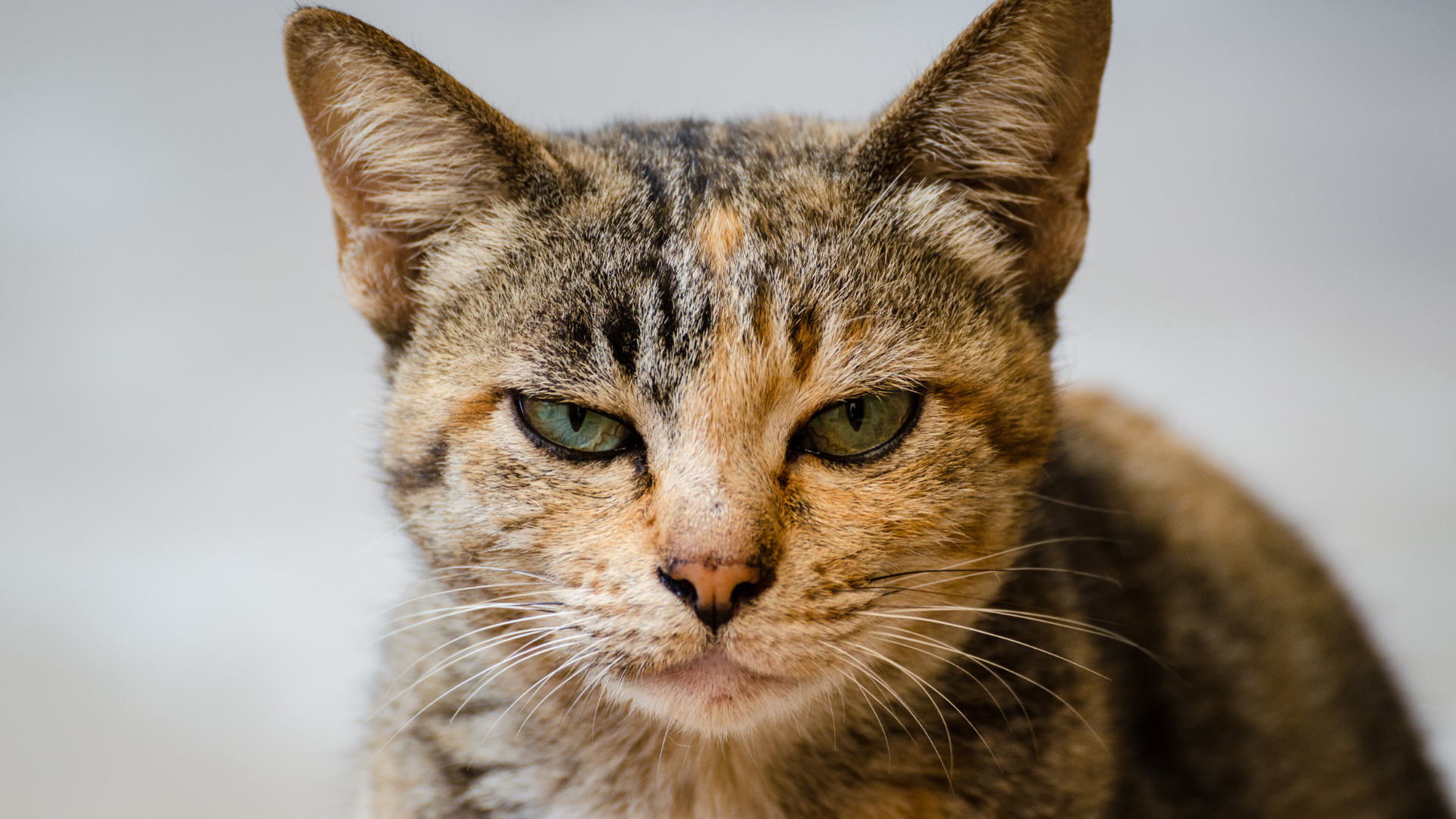
We get it — you’re excited about your cat and you want them to love you just as much. But the first thing you need to do is dial back that enthusiasm.
Cats like calm, quiet, and going at their own pace. Greeting your cat with an enthusiastic “Hey, kitty kitty!” and rushing toward them is a surefire way to send them into hiding — and make them extra wary the next time you appear.
Forcing affection is also a bad idea. If your cat trusts you enough to be in the same room, don’t force them to come closer or try to hug them. It’ll only backfire in the long run and may actually undo whatever trust you’ve already built.
Worse still, forcing physical contact can make your cat more anxious. As veterinarian Dr. Marty Becker explains on Vet Street: “A recent study found that cats forced to tolerate being petted are more stressed than cats that can avoid it.”
Instead, stay calm and be patient. Don’t let on how much you want to be friends — just take it slow.
Ways to get your cat to like you
Give your cat space
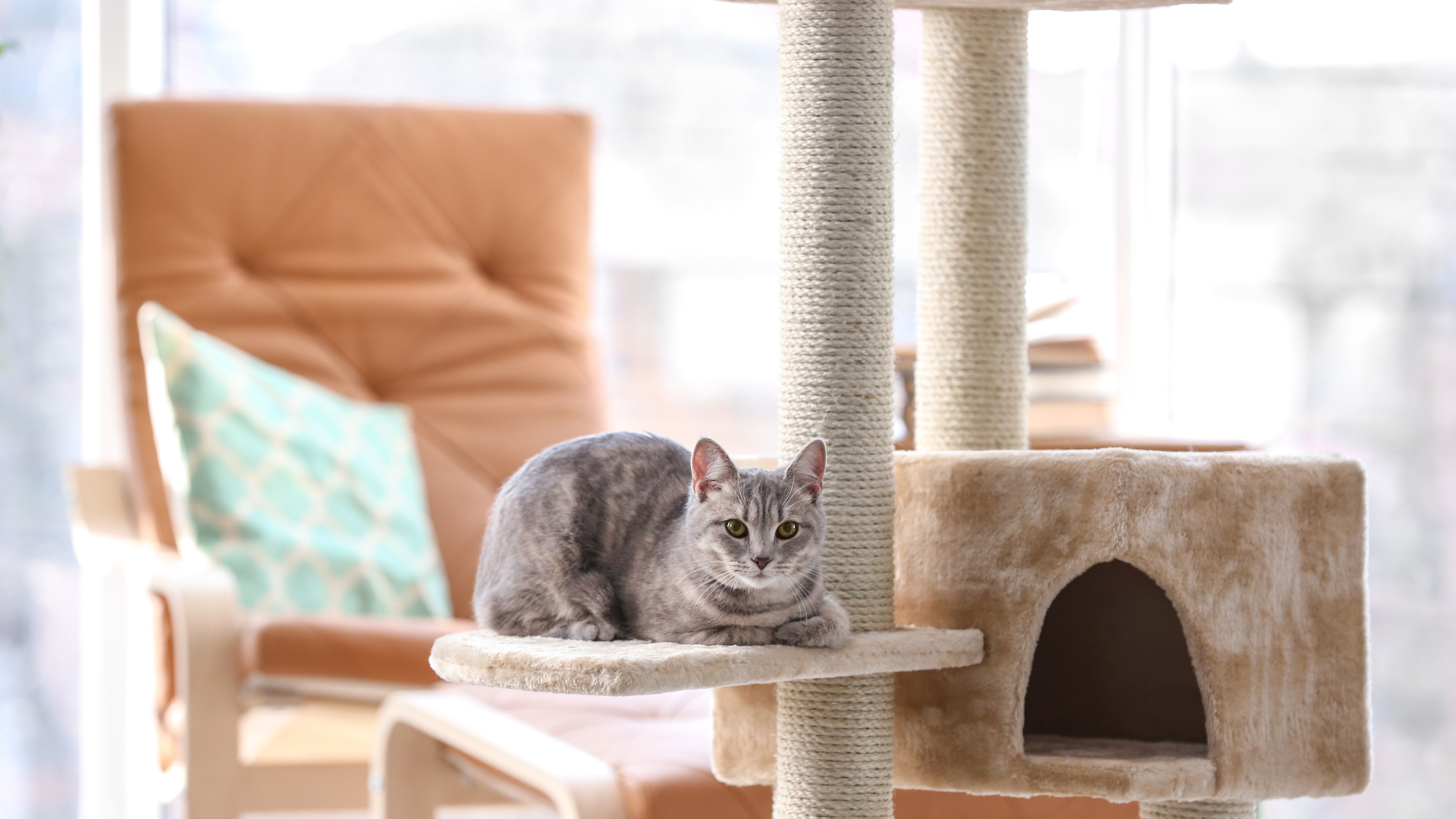
When your cat walks into the room, your instinct might be to keep them there. But blocking their exit is the last thing you should do, as Jackson Galaxy — author of Total Cat Mojo and host of Animal Planet’s My Cat From Hell — explained in an interview with LifeHacker.
When a cat enters a new space, they assess the entire area and always keep an eye on the exits. Galaxy explains that blocking the exit makes you look more like a threat than a friend.
Act like you don’t care
You know how your cat sometimes gives you the cold shoulder? As hard as it is, sometimes you need to return the favour.
According to research explained by Mental Floss, the best way to attract a cat’s attention is to act like you couldn’t care less. Read a book, watch TV, or even take a nap. When you seem uninterested, a cat is far more likely to come to you.
When you take this approach, your cat is the one in control. If coming to you was their idea, you’ve already nailed the first step. And once they do come over, how you respond matters more than you might think.
Avoid eye contact
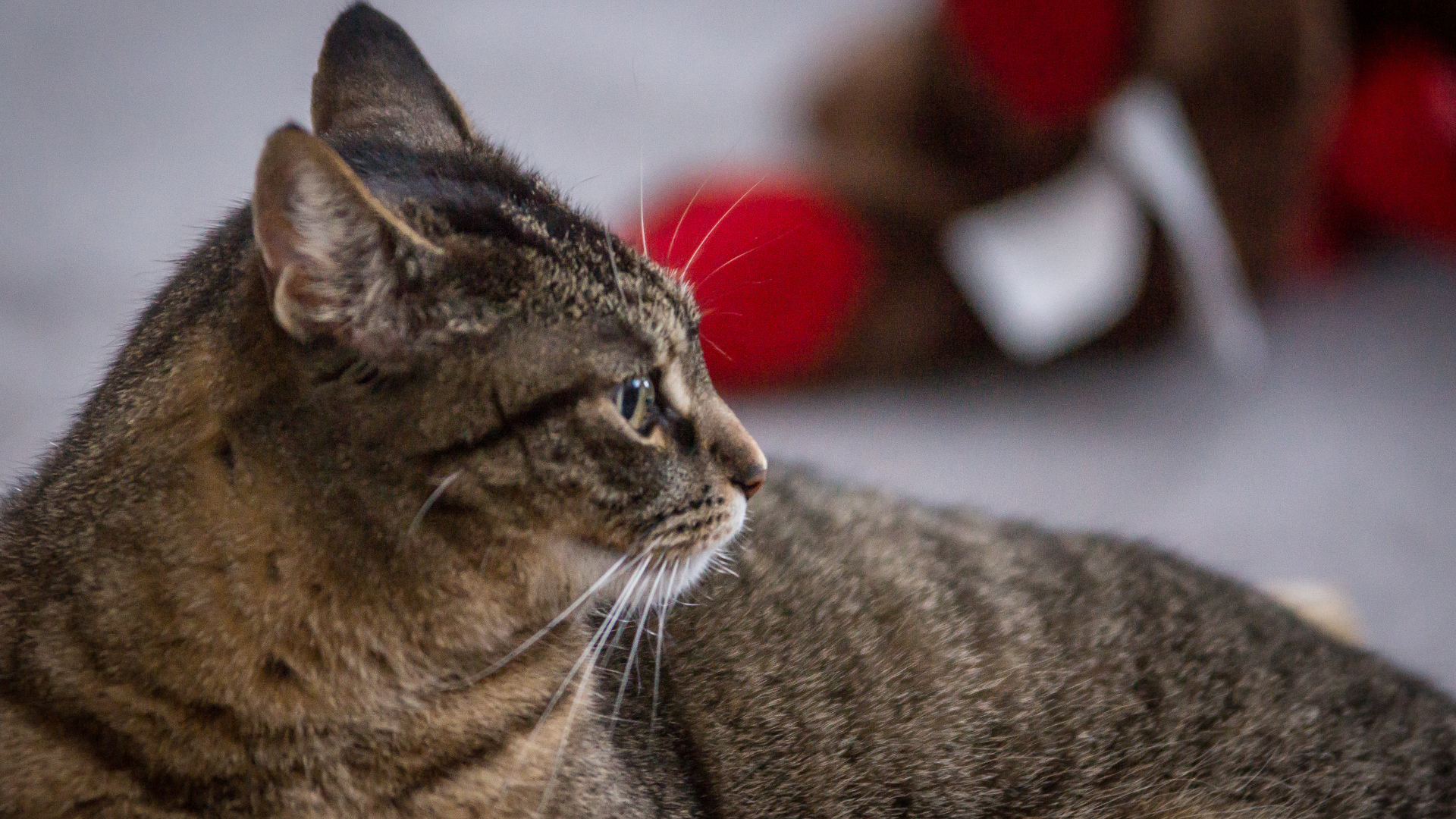
Now that you’ve caught the cat’s attention, the important thing is not to startle or threaten them. You might catch a glimpse of your cat nearby, but don’t hold that gaze.
A cat expert told Slate that in cat language, sustained eye contact is basically like picking a fight — exactly the opposite of what you want here. Instead, learn the cat way and practise the slow blink. You’ve probably seen your cat do it once or twice; now it’s your turn to try.
Look back at your cat and wait for them to look at you. Once they do, slowly close your eyes, let your face soften, then slowly open them again. Do this a few times and see if your cat responds.
Your cat might only play along for a round or two before losing interest — and that’s fine. You’ve already made meaningful progress by communicating in their language.
Offer one finger
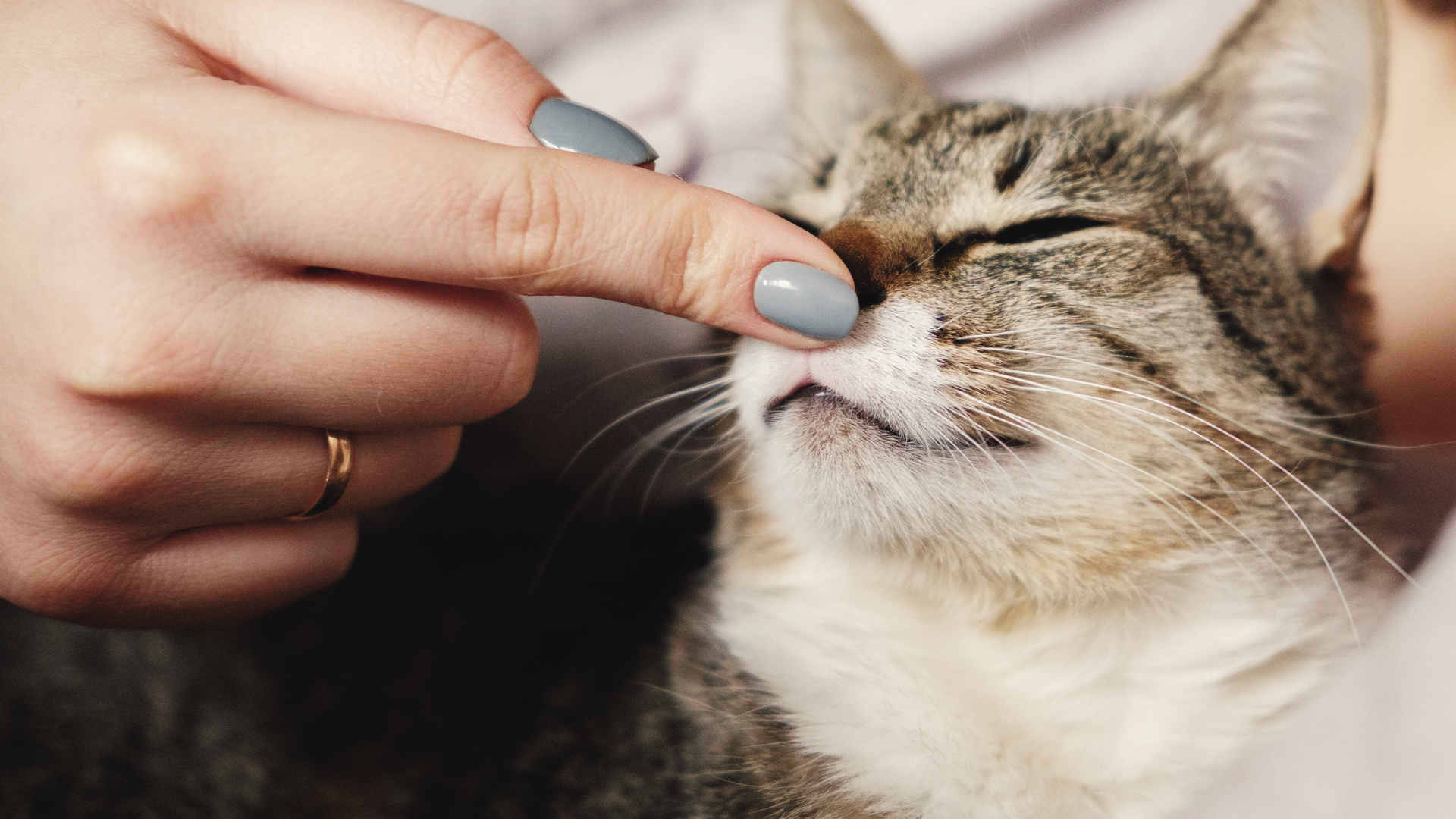
Once your cat is comfortable enough to hang around you, your instinct might be to reach out and pet them — but hold off on that.
According to Mental Floss, cats greet each other nose-to-nose. Even for your own cat, that can feel a bit odd, so the next best thing is to offer a finger for them to sniff — since a fingertip is a pretty good stand-in for a nose tip.
Casually extend one finger — or your whole hand — not directly at the cat, just loosely in their general direction. There’s a good chance your cat will wander over to sniff it, and they might even rub their face against your hand.
If that happens, you’ve taken another big step forward.
Pet your cat the right way
If the finger greeting goes well and your cat is still nearby, it might be time to try petting them. But take care — how you do it matters.
As LifeHacker points out, here’s another area where cats and dogs are very different. With a dog, you might reach over to pat their head or rub their side — but those moves rarely work with cats.
Instead, try petting your cat on the cheeks or behind the ears. These are spots where cats have scent glands, and where a mother cat would groom them. Dr. Becker says you may even have success petting along their back.
Whatever you do, don’t try to touch the belly or the tail.
“Many cats feel vulnerable when their belly is exposed, even when there’s no real threat,” Becker explains. “And while they enjoy marking us with the scent glands on their head and face, they’re not so keen on us picking up scent from the glands near their tail.”
Groom your cat
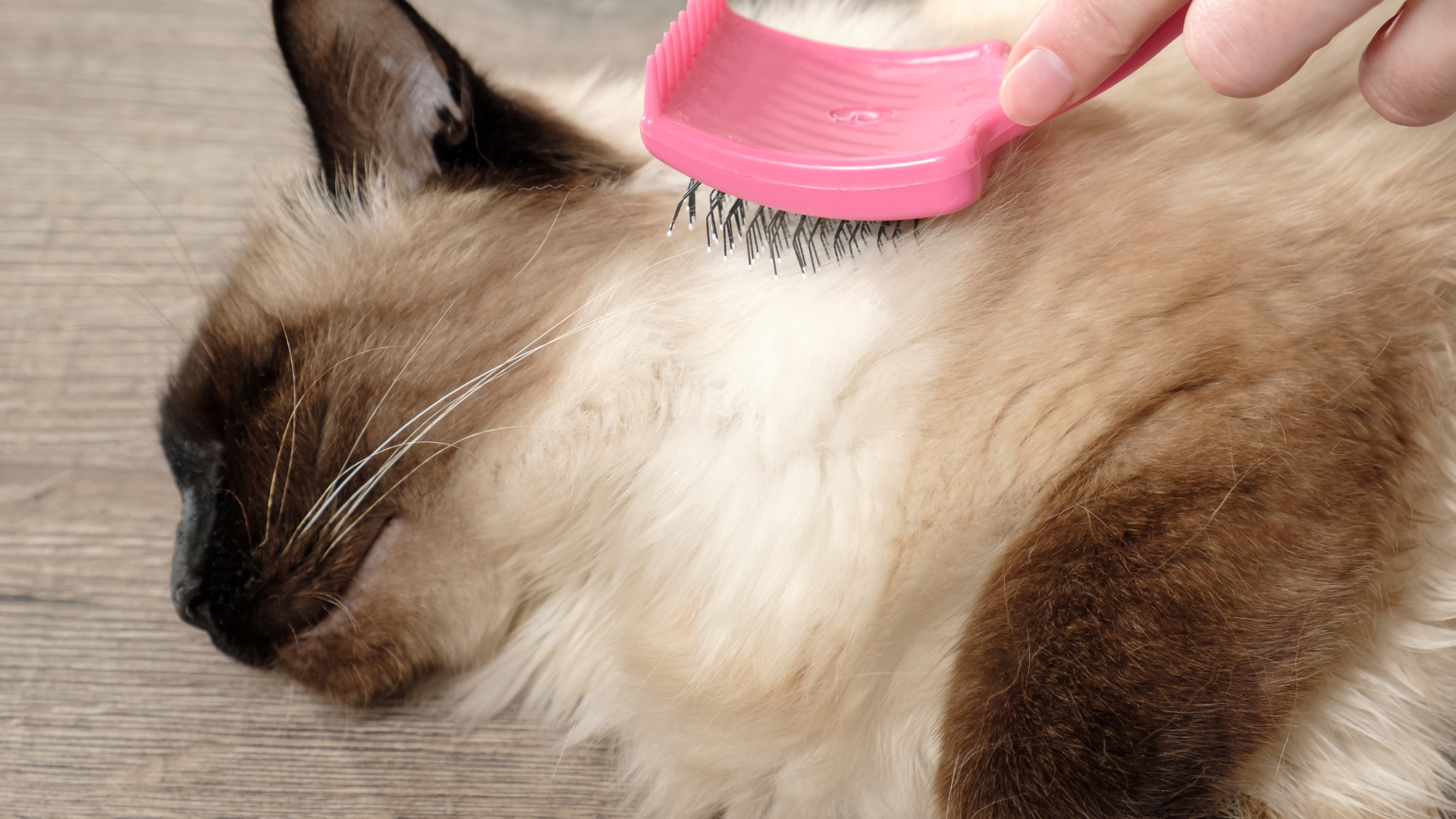
Cats spend a lot of time grooming themselves, and they love grooming each other too. If you want to be part of your cat’s inner circle, this is something to get on board with.
Use a brush designed for cats and groom them gently, speaking in a soft voice as you go. If they seem uncomfortable, stop.
“Watch your cat’s body language to make sure they’re enjoying the attention,” Becker advises. “If their tail starts twitching, or they simply get up and walk away, they’ve had enough.”
Play with your cat
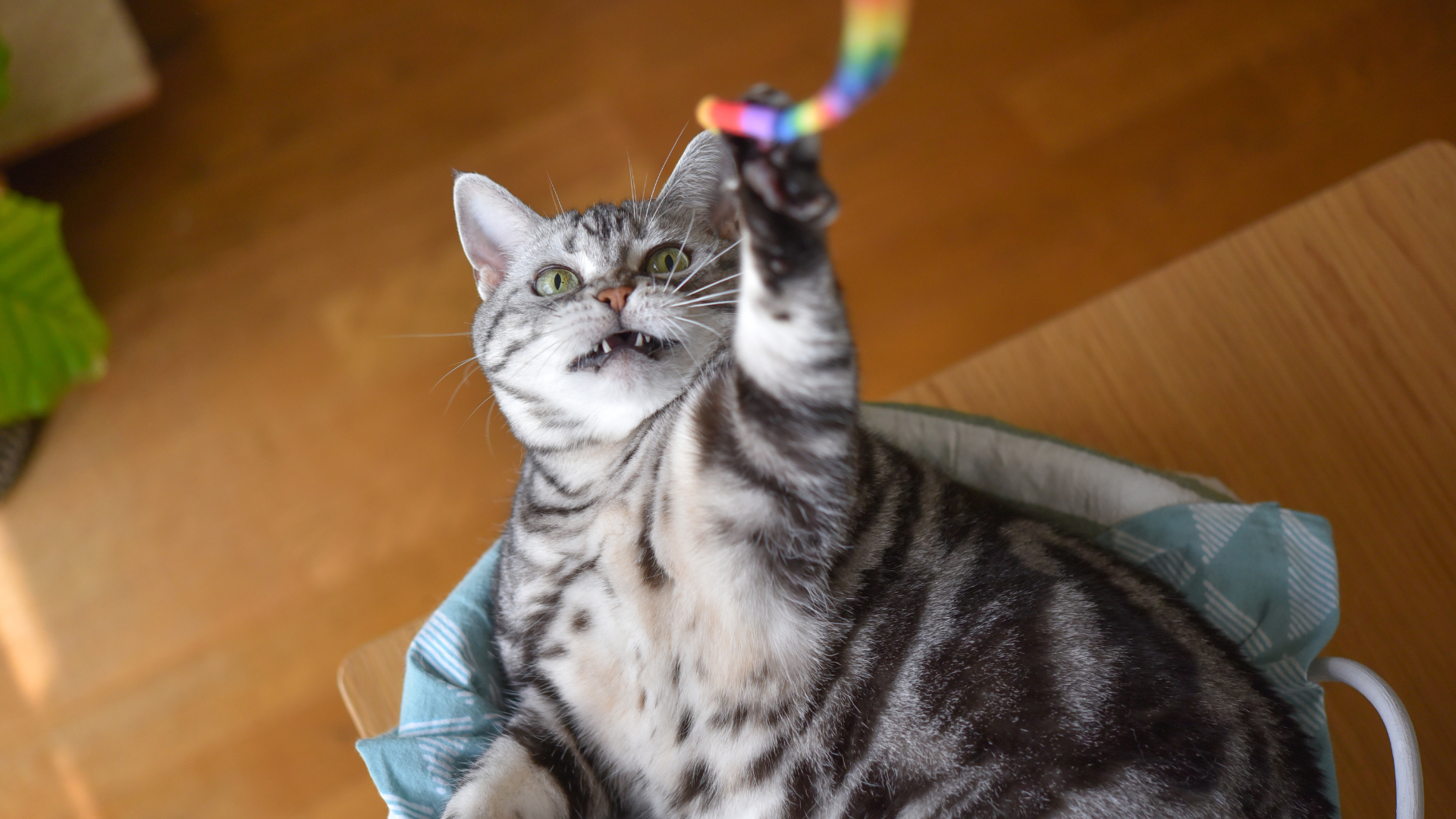
Of course, getting a cat to like you isn’t just about slow blinking and pretending they’re not in the room. Part of bonding with a cat is showing them you know how to have a good time.
Cat behaviourist Mieshelle Nagelschneider, author of The Cat Whisperer, recommends play as a great way to get a cat to like you — use a wand toy or laser pointer to engage them near you, while still giving them enough room to feel comfortable.
Galaxy also cautioned in his LifeHacker interview that this strategy may only work with cats who already trust you, so it shouldn’t be your very first move.
Bribe your cat
If all else fails, treats are a perfectly valid way to help your cat get used to being around you.
“Keep some tasty, soft, smelly cat treats on hand at all times,” Becker suggests. “When your cat comes to you for affection, or settles in beside you or on your lap, reward them.”
Tom McNamee, author of The Inner Life of Cats, told LifeHacker: “Put food where they normally hang out, then sit next to them.”
Take it slow
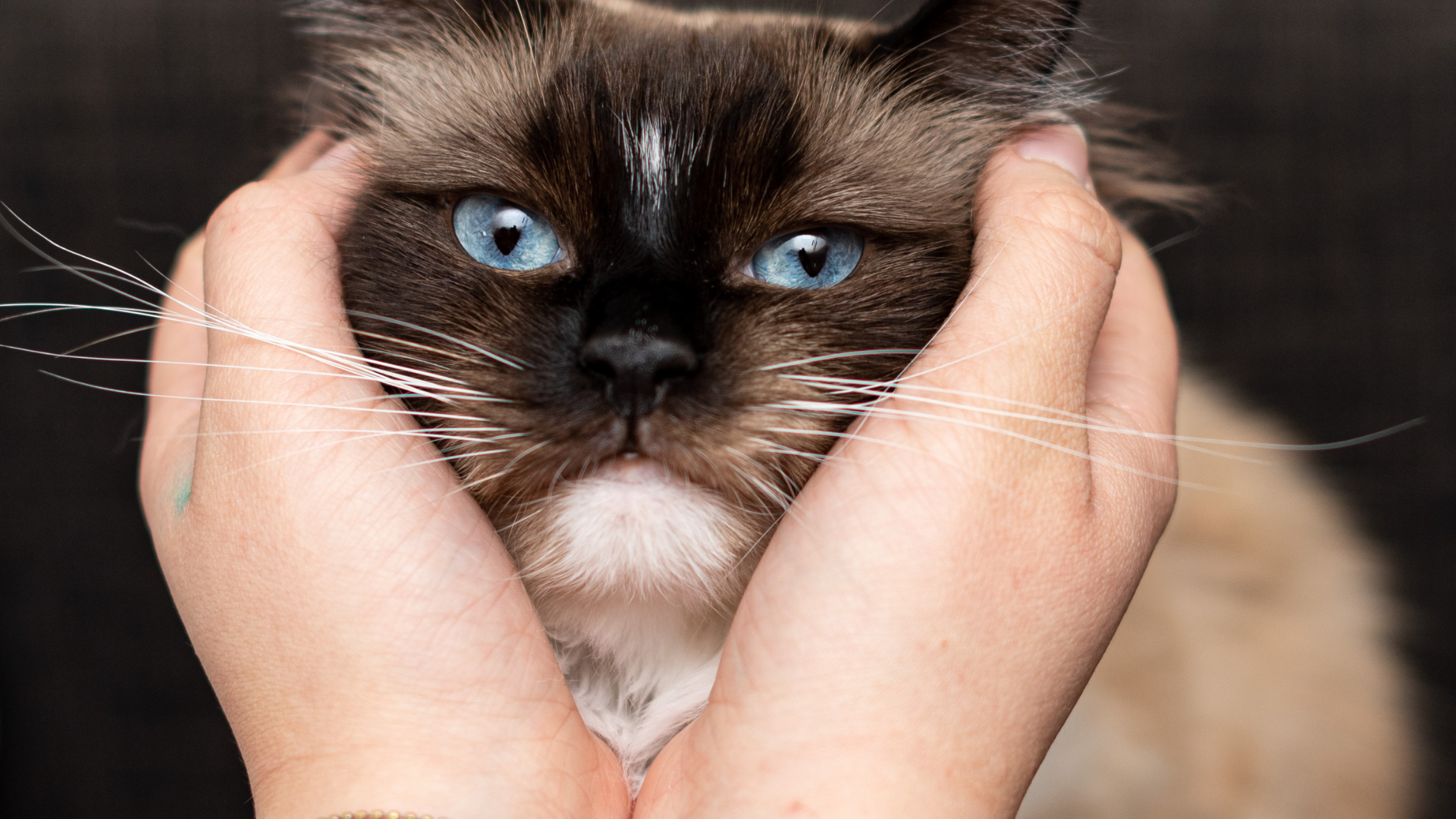
Ultimately, the best advice for getting a cat to like you is to take it slow, be patient, and let your cat set the pace.
Follow your cat’s lead — if they hiss, swipe at you, or seem unhappy, stop and give them space. It might take a while, but if you stick to these tips, your cat will come around sooner than you think!
Author: Whitney Coy
Article translated from: ‘5 Tips to Get Your Cat to Like You‘ https://www.rover.com/blog/how-to-get-your-cat-to-like-you/
FAQ: How do I get my cat to like me?
Q1: Why does my cat hide when I’m being friendly?
A: Cats prefer calm, quiet environments. Loud greetings or sudden physical contact can feel threatening to them. Try toning down the enthusiasm, follow your cat’s pace, and give them plenty of space and a sense of security.
Q2: What’s the first step when greeting a cat?
A: Cats greet each other nose-to-nose. You can mimic this by extending one finger (your fingertip acts like a nose tip) and letting the cat come to you to sniff it at their own pace. If they rub their face against your hand, that’s a sign of initial trust.
Q3: Does staring into my cat’s eyes mean I love them?
A: Not necessarily. In cat language, prolonged direct eye contact is often read as a challenge or a sign of hostility. Instead, try the **slow blink**: look at your cat, slowly close your eyes, then slowly open them again. In cat terms, this means “I trust you” or “I love you.”
Q4: Which parts of a cat’s body are off-limits?
A: Most cats dislike being touched on the belly (it makes them feel vulnerable) and the tail (sensitive scent gland area). Stick to petting the cheeks or behind the ears — these areas have scent glands cats enjoy having stimulated, and they tend to find it relaxing.
Q5: Why does blocking the exit make my cat dislike me?
A: When a cat enters a new space, the first thing they do is check for escape routes. If you block the exit, your cat will feel trapped and may start to see you as a threat rather than a friend.
Q6: What should I do if my cat is being cold toward me?
A: Try the **”play it cool”** approach. Act disinterested — read a book, watch TV — and let your cat take the lead. When they feel safe and curious, they’ll naturally come to you on their own terms.
Q7: Besides petting, what else can I do to bond with my cat?
A: 1. Play: Use a wand toy or laser pointer to engage your cat and let them enjoy their hunting instincts near you. 2. Grooming: Mimic the mutual grooming cats do with each other. 3. Treats (bribery): When your cat comes to you or stays near you, reward them with a tasty treat to build positive associations.
Q8: How can I tell when my cat doesn’t want to be bothered?
A: Watch their body language. If your cat’s tail starts flicking rapidly, or they simply get up and walk away, they’ve had enough of the interaction — give them space right away.
Fluv special offers | Limited-time deals for devoted pet lovers
#Give your pet the best — and the most fitting
If you’d love to give your pet a more personalised, home-like care experience, why not try Fluv’s in-home sitter service.
🎁 New members: enter promo code
#UNEW95
Book now and enjoy a 5% discount!
👉 Looking for a caring, professional pet sitter for your pet?
 Fluv founder Candace Chen
Forbes 30 Under 30 Asia | 2024 Tatler Gen.T Leaders of Tomorrow
As the founder of Fluv, Candace has combined exceptional business vision with hands-on execution to build Fluv into Taiwan’s largest and most trusted pet care platform.
- Recognised on world-class lists: named to Forbes 30 Under 30 Asia and selected as a 2024 Tatler Gen.T Leader of Tomorrow.
- Backed by heavyweight investors: secured investment from Twitch co-founder Kevin Lin and influential venture firm SIC.
- Market leader: has grown Fluv to a community of over 7,000 vetted professional sitters, trusted by 140,000 members.
Views: 14382
 English
  Chinese