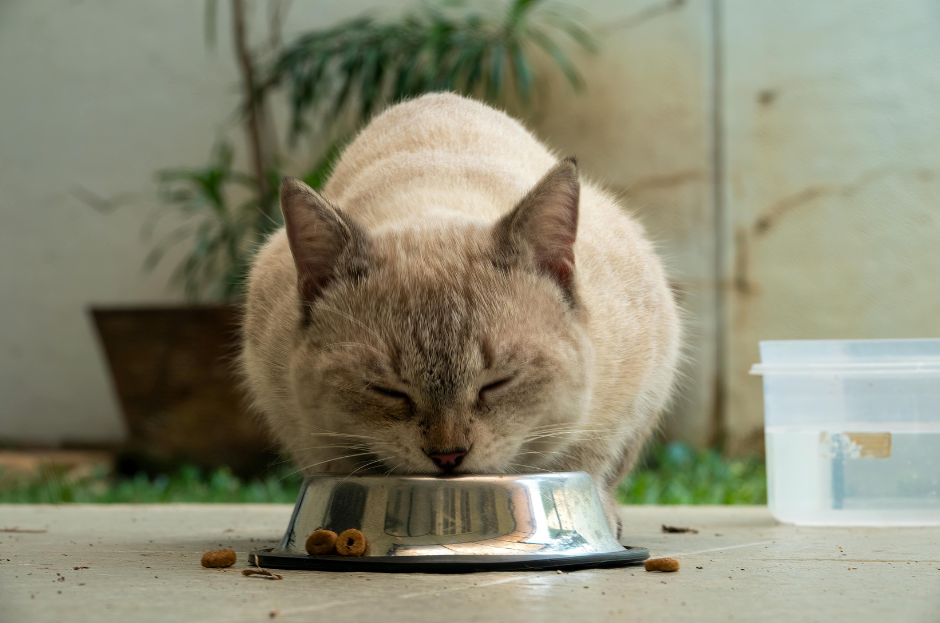
If your cat has suddenly stopped eating or seems low on energy, it could be a health warning sign! Fluv has compiled 5 common causes and solutions to help you quickly assess the situation. If you’re unable to observe or be with your pet for long periods, you can also book a professional cat sitter to come to your home and provide caring, reassuring support.
Cat not eating but still seems okay? Here are 5 reasons that can affect appetite
As a pet owner, you probably know your cat’s eating habits well — so if they’re suddenly turning their nose up at food they normally love, or mealtime arrives without the usual begging, it’s worth paying close attention. Here are 5 reasons that may be affecting your cat’s willingness to eat.
Reason 1: Picky eating
Cats can be quite finicky eaters, and their flavor preferences are actually shaped even before birth! If your cat has been eating the same flavor or texture for a long time, they may simply be bored of it. If your cat has suddenly become reluctant to eat after a food change but is otherwise acting normally and full of energy, they might just be telling you — in their own way — that the food isn’t to their taste.
Reason 2: Environmental changes
Cats are sensitive to their living environment. High summer temperatures can suppress appetite, and changes like moving house or introducing a new pet to the family can cause anxiety that affects eating. If your cat goes off their food during a period of change but is still moving around normally, there’s no need to panic — their appetite should return once they’ve adjusted to the new environment.
Reason 3: Gastrointestinal illness
A cat’s appetite can be affected by a cold or an upset stomach. When cats are sick, they temporarily lose their keen sense of smell, or experience frequent vomiting or diarrhea — causing them to suddenly reject foods they normally enjoy. Appetite typically returns once they recover. However, if a cat refuses food for an extended period, it can lead to serious complications like fatty liver disease. In that case, it’s best to visit a vet as soon as possible.
Reason 4: Oral disease
Dental inflammation, mouth ulcers, and periodontal disease are all common oral conditions in cats. Discomfort or pain in the mouth can make eating unpleasant, and in severe cases it can even lead to weight loss. Regular dental check-ups at a veterinary clinic can help reduce the likelihood of these issues developing.
Reason 5: Liver disease
Fatty liver disease is a common liver condition that can develop when a cat goes without food for too long. It makes it harder for the body to metabolize fat, which in turn affects appetite and energy levels. Cats can also lose interest in eating due to hepatitis or liver cancer. Hepatitis — caused by bacterial or viral infection — can lead to symptoms such as vomiting, diarrhea, and jaundice, and in serious cases can significantly impact a cat’s quality of life.
Picky eater or genuinely no appetite? 3 quick ways to tell the difference
When a cat stops eating or refuses food, it could simply be a lack of interest in what’s on offer — or it could be their way of telling you something’s wrong. Forcing a sick cat to eat can actually make them more resistant to food! That’s why careful observation is so important. Eating well is what keeps your cat’s immune system strong and their digestive system healthy. Here are 3 ways to help you tell whether your cat is being picky or has genuinely lost their appetite.
- Weigh your cat: Pure picky eating won’t cause dramatic weight changes in a short period — this is known as pseudo-anorexia, where the cat simply has strong preferences about what they eat. However, if your cat loses weight continuously over two or more weeks, dropping by 100–300 grams at a time, it’s more likely true anorexia. This is usually accompanied by signs like drooling, vomiting, or lethargy, and can lead to chronic malnutrition.
- Check their coat: A healthy cat typically has a smooth, glossy coat. If a cat isn’t eating enough, insufficient nutrition and hydration can cause the coat to become dry and dull — and in severe cases, significant hair loss or shedding may occur. This happens because the body prioritizes energy for vital organs over maintaining healthy skin and fur.
- Observe their activity level: A cat that’s just being picky will generally remain alert and active as normal. But if your cat seems tired, is sleeping more than usual, or has noticeably less energy, a loss of appetite may be to blame. A significant drop in activity can also be an early sign of chronic illness or infection — both of which can further affect appetite.
What to do when your cat won’t eat: 5 appetite-boosting tips
If your cat has been refusing food for an extended period, it may be a sign that something’s not right. Here are 5 approaches you can try to encourage your cat to eat and maintain their basic health.
Tip 1: Establish a small, frequent meal routine
Try training your cat to eat at set times using a small-and-frequent feeding approach. This helps ensure your cat has a slight sense of hunger at mealtimes, which naturally encourages appetite. Because cats have a relatively short digestive tract, smaller, more frequent meals are better suited to their system and help stabilize blood sugar — avoiding the digestive issues that can come with large meals.
Tip 2: Keep the eating area clean
To encourage your cat to eat, make sure their food bowls are clean and their feeding area is clearly separated from the litter box — unpleasant odors can easily put them off their food. Cats are also naturally sensitive creatures, so setting up a quiet space away from household bustle and human interruption can help them feel safe and secure at mealtimes.
Tip 3: Adjust what you’re feeding them
Cat food comes in dry kibble (lower moisture content) and wet food or raw food (higher moisture content and nutritional value). Try observing your cat’s eating patterns and rotating their food accordingly. You can mix dry food with flavorful toppers like tuna, clam juice, or low-sodium chicken broth, or try warming up wet food so the aroma is more enticing — both can help spark interest in eating and keep appetite on track.
Tip 4: Keep treats in check
Although cats have fast digestion and can handle small, frequent snacks, too many treats can take the edge off their appetite for proper meals. Try to choose high-protein treats and avoid those high in starch or simple carbohydrates — these are harder to digest and can dampen your cat’s appetite over time.
Tip 5: Increase their activity level
Just like people, cats benefit from regular movement. Playing with toys and interactive games helps burn calories and can naturally improve appetite while supporting overall health.
Worried about your cat not eating? Follow Fluv to learn more about pet behavior!
No pet owner wants to see their cat going without food or looking listless. This article has walked you through the common reasons behind your cat’s behavior and how to observe and address the issue — so you can keep your cat healthy in both body and mind.
Fluv is Taiwan’s largest pet sitter matching platform, with thousands of sitters to choose from. When your schedule gets in the way, Fluv helps you find the right professional to step in and care for your pet — from companionship walks and daily care to grooming services like bathing and trimming.
Support you might also need: professional cat sitters and pet daycare services
If you work a nine-to-five and can’t be home with your cat for long stretches — especially when they’re showing warning signs like lethargy or loss of appetite — having someone who can check in and care for them promptly makes a real difference. Beyond asking a friend or family member, you might consider flexible options like pet daycare or Fluv’s in-home cat sitter service.
There are many pet daycare options designed with working pet owners in mind, offering half-day or full-day care arrangements where your cat can relax in a comfortable, safe environment — reducing separation anxiety while a professional keeps an eye on their eating habits and daily behavior. If you’d prefer your cat to recover in the comfort of their own home, you can also book through the Fluv platform for in-home care, where a sitter will handle feeding, litter box cleaning, and playtime — giving you peace of mind even when you’re out.
Further reading:
🐾 Fluv special offers | Limited-time deals for devoted pet owners
#Your pet is family — they deserve the most loving care!
🎁 Valid on all services
💟 New customers only: enter promo code 【#HOME300】 to get $300 off (minimum spend $400)
👉 Ready to find the perfect professional pet sitter for your pet?
Download the Fluv app now: fluv.com
Enjoyed this article? Share it with a fellow pet lover!
🐕 For more helpful tips and pet care advice, follow us:
Facebook: @fluv.pet
Fluv Instagram: @fluv.pet
YouTube: @fluv_tw
Fluv website: www.fluv.com
Views: 5996
Fluv special offers | Limited-time deals for devoted pet owners
#Give your pet the best — give them what’s right for them
If you want a more personalized, home-like care experience for your pet, why not try Fluv’s in-home pet sitter service?
🎁 New customers: enter promo code
#UNEW95
Book now and enjoy 5% off!
👉 Ready to find the perfect professional pet sitter for your pet?
Views: 9935
 English
  Chinese