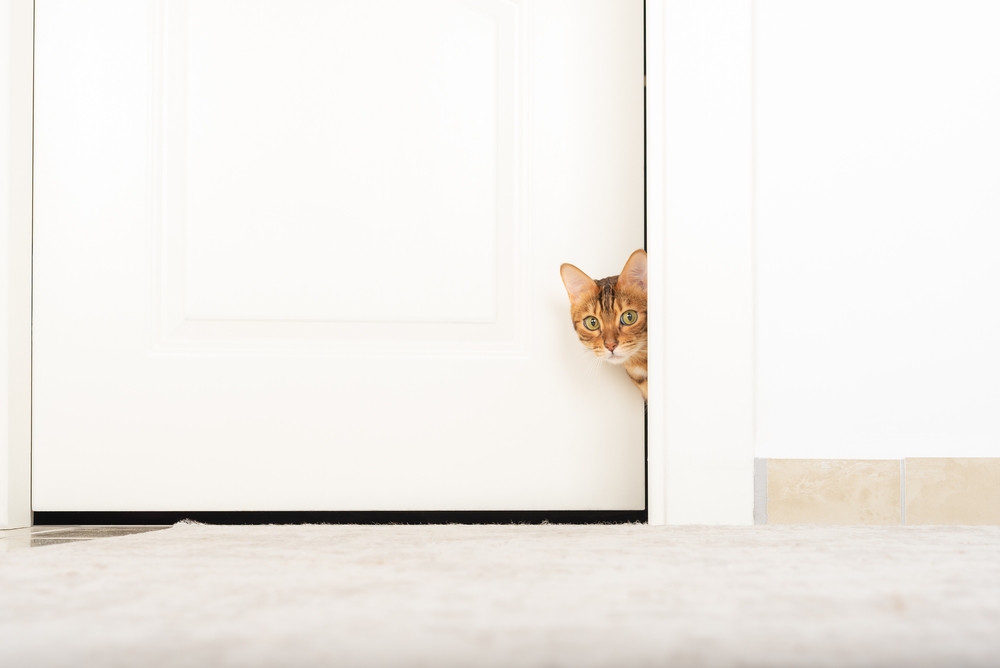
Cats are an irreplaceable part of our lives, and keeping an eye on their health has become part of our daily routine. But have you ever thought about your cat’s mental health? If your cat seems anxious and unsettled every time you head out the door, you might find yourself wondering: can cats really suffer from separation anxiety?
As it turns out, separation anxiety is a common psychological issue in cats. This article explains the causes and symptoms of feline separation anxiety to help pet owners better understand their cat’s mental health — and how to handle it. We’ll also introduce the increasingly popular pet sitter option as a practical solution.
(The information in this article is based on pet behavioral science. If your cat shows severe self-harm or physical abnormalities, please consult a professional veterinarian first.)
Table of contents
- Is cat separation anxiety the same as it is in humans?
- Causes of cat separation anxiety (innate and acquired factors)
- Is excessive meowing a sign of separation anxiety? Common symptoms at a glance
- What to do if your cat hates being alone? 5 ways to ease separation anxiety
- FAQ: will cat separation anxiety go away on its own?
Is cat separation anxiety the same as it is in humans?
Separation anxiety is a psychological condition that typically occurs when a person or animal is separated from someone or something they depend on or are attached to. When it appears in cats, it’s much the same as in humans — the main difference is that humans can express their feelings, while we simply can’t understand what our pets are trying to tell us.
A cat with separation anxiety will usually show signs of anxiety and restlessness when their owner leaves the house — including excessive meowing. In more severe cases, even moving from one room to another can upset them. They may exhibit behaviors like excessive grooming, crying, destroying furniture, or eliminating outside the litter box.
Causes of cat separation anxiety
The causes of feline anxiety are complex and vary from cat to cat — no two cats with separation anxiety have exactly the same story. Some causes are innate and simply require extra attention from owners, while others are environmental and can be adjusted or avoided.
Innate factors
- Sex: female cats are more prone to separation anxiety than males.
- Genetics: just like in humans, hereditary depression can also predispose cats to separation anxiety.
Acquired factors
- Relationship with their mother: being weaned too early or lacking maternal guidance during socialization can both contribute to separation anxiety.
- Relationship with their owner: when there’s only one person in the household and no other pets, the lack of companionship makes separation anxiety more likely.
- Environmental factors: indoor-only cats are more prone to separation anxiety than semi-outdoor cats, as they have fewer external stimuli to distract them.
- Major environmental changes: even small shifts — like changes in household members, or adjustments to the owner’s schedule or work hours — can disrupt a cat’s established habits and emotional balance. This is even more true for the profound impact of abandonment or abuse. Any of these changes can trigger separation anxiety due to instability and psychological trauma.
Is excessive meowing a sign of separation anxiety? Common symptoms at a glance!
Excessive meowing is certainly the easiest symptom to spot, but depending on your cat’s personality and environment, separation anxiety can show up in many different ways. Pay close attention if you notice any of the following signs.
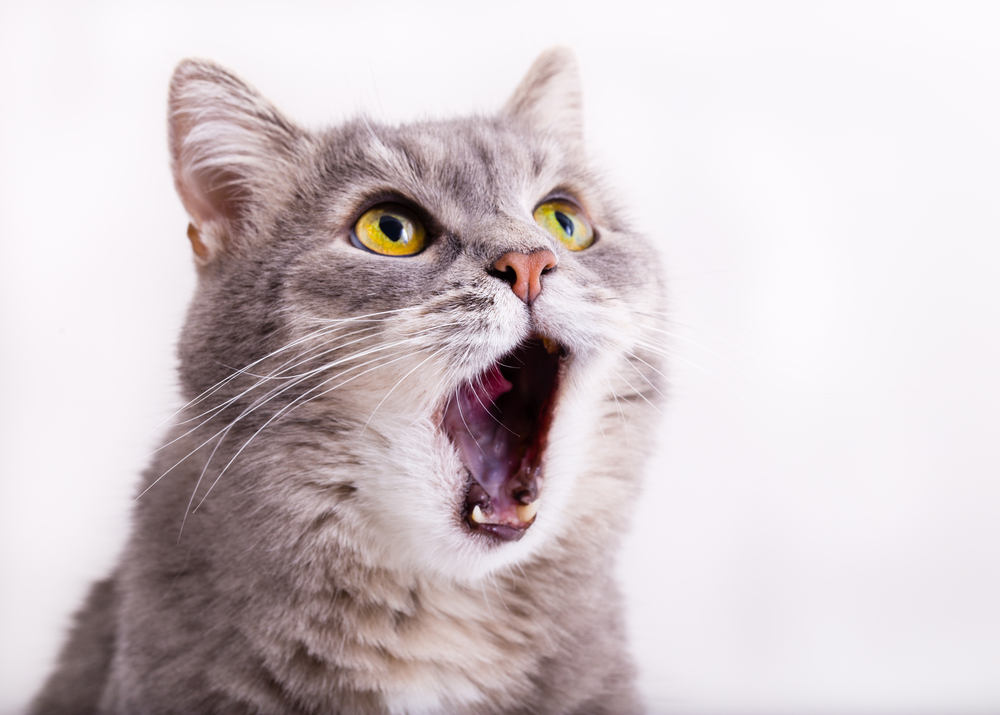
- Whining and howling: when you leave the house, your cat may whine or howl to express their anxiety and distress.
- Excessive grooming: your cat may groom themselves repeatedly or compulsively as a way of coping with anxiety.
- Lethargy: while cats are naturally laid-back creatures, if they still seem listless during times they’d normally be eating or playing, it could be a sign of depression.
- Aggression and destructive behavior: your cat may scratch, bite, or destroy furniture and other objects while home alone — another expression of anxiety and distress.
- Inappropriate elimination: a normally fastidious cat who always uses the litter box may start eliminating in unusual places — on the floor, the bed, or the sofa — due to separation anxiety.
- Loss of appetite: as separation anxiety worsens, your cat may lose interest in food, especially while home alone.
- Other physical symptoms: such as vomiting or diarrhea. Owners should investigate further to rule out other contributing factors and avoid delaying treatment.
Do cats get lonely? 5 ways to ease separation anxiety
When your cat shows signs of separation anxiety, the following approaches can help ease their anxiety:
Tip 1: desensitization training
Use gradual desensitization to help your cat slowly get used to you leaving. Start with short absences and gradually extend the time away, so your cat can adapt at their own pace.
Tip 2: provide enough stimulation
When you’re not home, make sure your cat has plenty of entertainment and enrichment — toys, scratching posts, cat trees, and more. Keeping them busy and engaged helps ease the anxiety and boredom of being home alone.
Tip 3: build a sense of security
Create an environment where your cat feels safe and comfortable. Try playing soft music, providing a cozy sleeping spot, or even using a smart device to control the lighting remotely. Helping your cat feel at ease during those 8–10 hours alone can make a real difference. Feline pheromone products can also help your cat relax.
Tip 4: avoid giving too much attention
While it’s important to make your cat feel secure, too much attention can backfire. When you leave and when you come home, try to stay calm and natural — avoid excessive fuss or dramatic goodbyes, as this can actually heighten your cat’s anxiety.
Tip 5: consult a vet about medication
If none of the above methods help, medication may need to be considered to ease your cat’s anxiety. It’s best to seek help from a professional veterinarian as soon as possible. You can also use a home camera to record your cat’s daily behavior and share the footage with your vet as a reference.
FAQ: about cat separation anxiety
Q1: Will cat separation anxiety go away on its own?
Usually not. Without environmental improvements or behavioral training (such as desensitization), your cat’s anxiety may worsen over time and could even develop into a psychological condition or self-harming behavior. It’s best to intervene early.
Q2: Does cat separation anxiety always require medication?
Not necessarily. Mild anxiety can often be managed through environmental enrichment (more toys), pheromone products, or behavioral modification. Medication is typically only recommended by a vet when symptoms severely affect quality of life — for example, if the cat stops eating or drinking, or begins self-harming.
Q3: Can getting a second cat help with separation anxiety?
It depends on your cat’s personality. Some cats do benefit from having a companion and feel less lonely, but if your existing cat is sensitive or territorial, a new cat may actually become an additional source of stress. It’s best to consult a pet behavior specialist first.
What cats with separation anxiety need most is companionship! Find a pet sitter on the Fluv app
We hate to see the cats we love go through separation anxiety. When you head out, taking your cat to the unfamiliar environment of a pet hotel can actually add to their stress — but there’s another option! Taiwan’s largest cat sitter platform: download the Fluv app now and quickly find the perfect long-term cat sitter near your home! Download it today and see what other pet owners are saying about their experience!
Fluv special offers | Limited-time deals for pet lovers like you
A more comfortable alternative for cats who don’t do well in a pet hotel.
New users: enter promo code [#UNEW95]
and get 5% off your first booking!
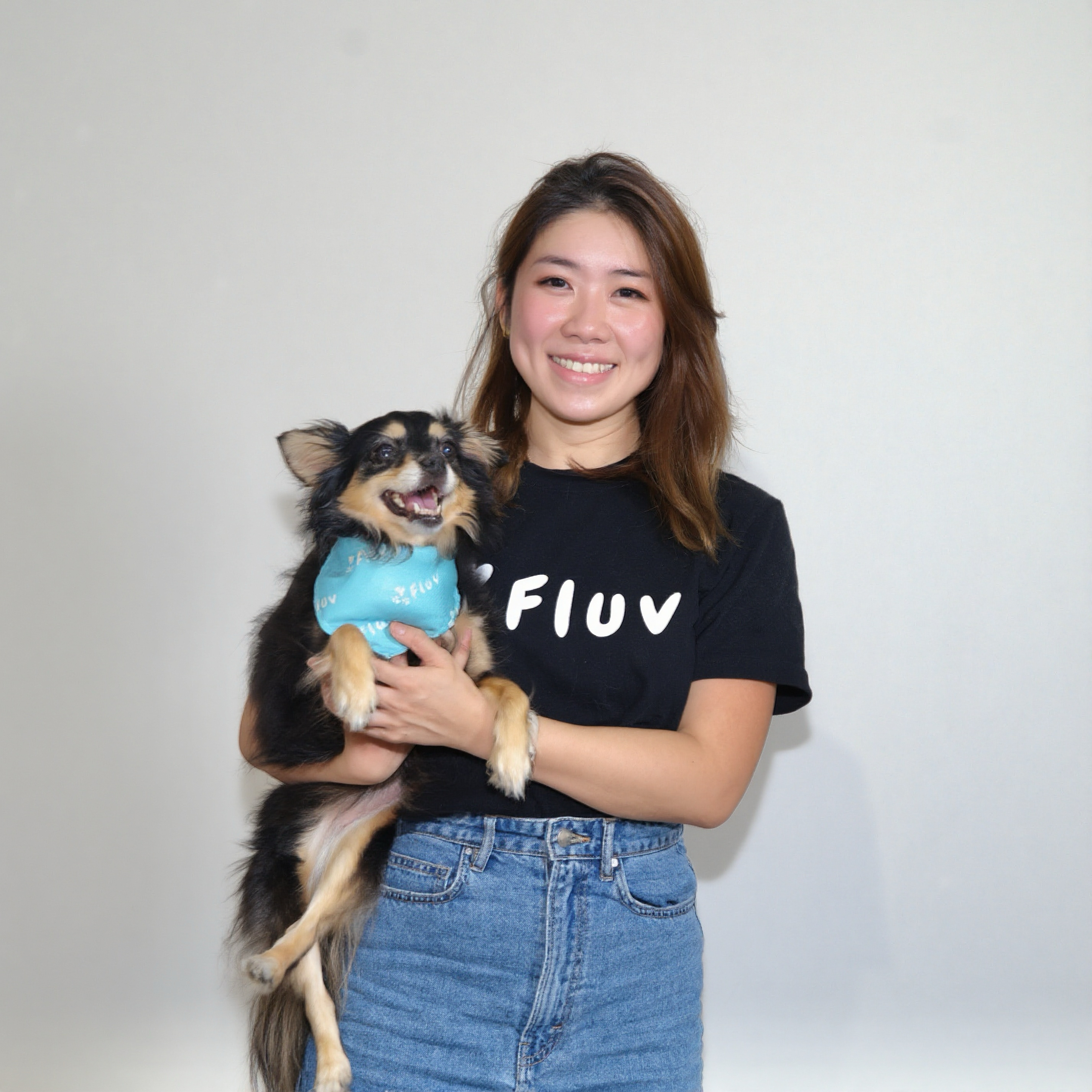
Fluv founder Candace Chen
Forbes 30 Under 30 Asia | 2024 Tatler Gen.T Leaders of Tomorrow
As the founder of Fluv, Candace has combined exceptional business vision and execution to build the brand into Taiwan’s largest and most trusted pet care platform.
- World-recognized: named to Forbes 30 Under 30 Asia and selected as a 2024 Tatler Gen.T Leader of Tomorrow.
- Backed by major investors: successfully secured investment from Twitch co-founder Kevin Lin and impact venture fund SIC.
- Market leader: leading Fluv to a network of over 7,000 vetted professional sitters, trusted by 140,000 members.
Further reading:
Eight simple tips to help reduce your cat’s stress and improve their mental health!
Views: 10334
 English
  Chinese