When multi-cat households need to travel, the biggest concern is conflicts triggered by a sudden change of environment. With the right relationship assessment, room separation, and resource setup, you can minimize the risks. Here’s a step-by-step guide covering: assess → separate → choose accommodation → check-in SOP → contingency planning — plus a comparison of multi-cat hotels vs. single-cat care sitters (in-home) to help you decide.
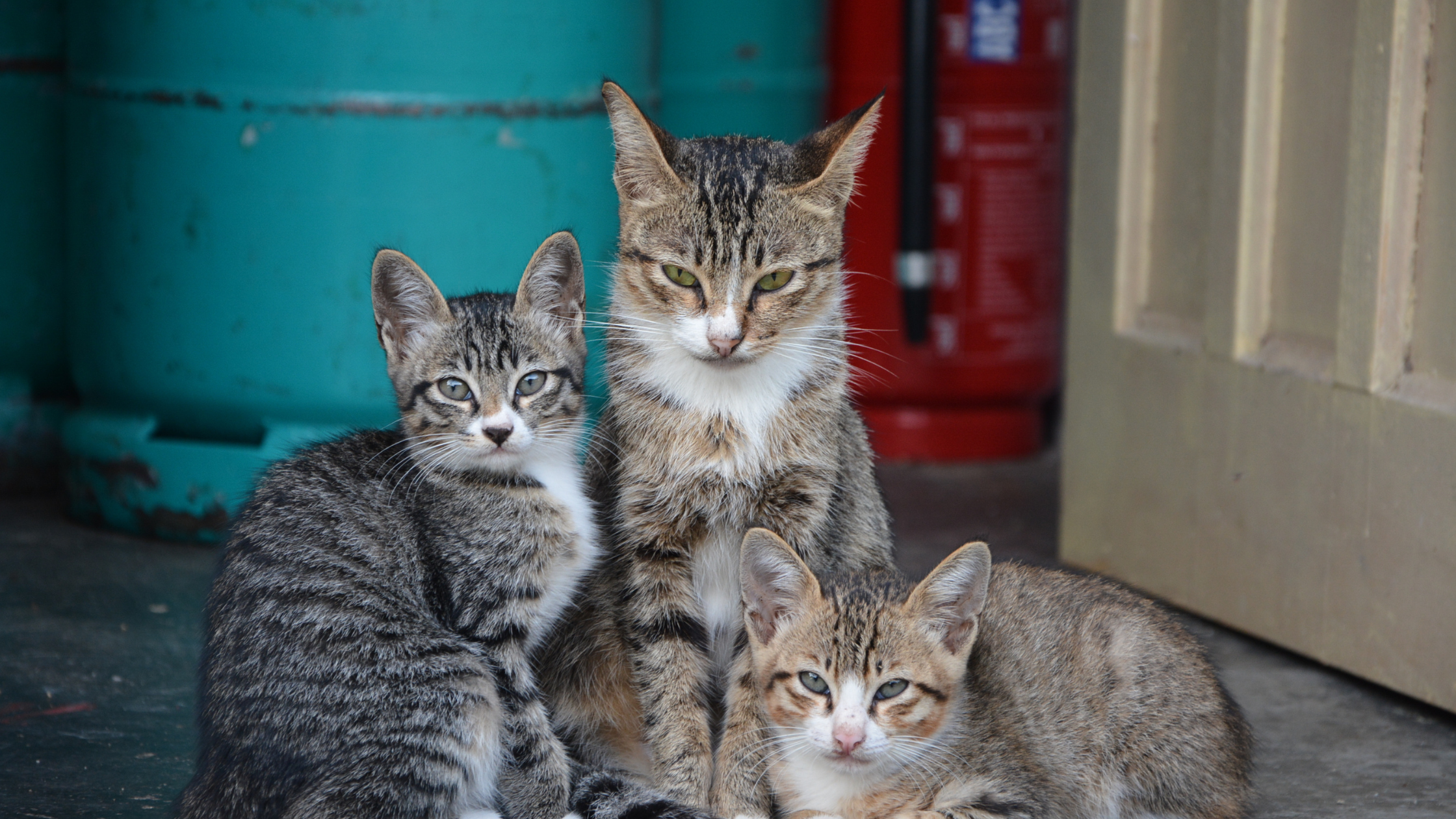
1. Assess first: what stage is your cats’ relationship at?
- Stable coexistence: can rest in the same space, occasional mutual sniffing; sporadic conflicts can be resolved by redirecting attention.
- Tense coexistence: staring, chasing, guarding doorways and hallways; conflicts erupt when resources are placed too close together.
- High-risk conflict: persistent bullying, blocking, chasing and biting, or a history of injuries or vet visits.
Therefore, if your cats fall under “tense coexistence” or “high-risk,” separate rooms are a must during boarding, and single-cat care should be your first choice.
2. Room separation principles: one full set of resources per room, scent swaps done slowly
- Complete resource allocation: every room must have its own food bowl, water bowl, litter box (N+1 rule), hiding spots, and cat tree/box; avoid sharing.
- Visual barriers: cover door gaps and transparent areas with blocking fabric; additionally, use pheromone diffusers to help calm anxiety.
- Scent swapping without contact introduction: exchange blankets or brushes first, then once both cats are relaxed, allow feeding on opposite sides of the door.
- Separate routines: cleaning and feeding should follow a fixed schedule with dedicated staff, while avoiding any face-to-face encounters at doorways.
3. How to choose accommodation: multi-cat hotel vs. single-cat care sitter
| Comparison | Multi-cat hotel (with separate rooms) | Single-cat care sitter (in-home) |
|---|---|---|
| Environmental change | New location, other cats’ scents — requires adjustment | Their own home — lowest stress possible |
| Room separation | Must confirm availability of multiple private suites and staggered time slots | Naturally separated: each cat stays in their own room, cared for one at a time |
| Conflict risk | Door-to-door eye contact and noise stimulation need to be managed | Minimized contact, lowest conflict risk |
| Updates | Typically daily updates; video check-ins may be an add-on | Real-time text + photos/video after each visit |
In summary, if your cats fall under “tense coexistence/high-risk,” an in-home single-cat care sitter is the more stable choice; a professional hotel that can strictly enforce room separation is the second-best option.
4. Pre-stay checklist (multi-cat edition)
- Relationship and trigger points: who chases whom? Who is afraid of whom? Off-limits touch areas.
- Resource list: one set of dishes + water bowl per cat, individual litter boxes (N+1), hiding boxes, blankets.
- Daily schedule: feeding times, food preferences, play/interaction times, cleaning checkpoints.
- Health info: vaccinations, medications, allergies, medical history; separate medication schedules per cat.
- Room layout diagram: floor plan of each room with resource placement and movement routes marked.
5. During the stay: updates and contingency SOP
- Staggered feeding: feed room A first, then room B, avoiding any eye contact at doorways; record each cat’s food intake separately.
- Mood assessment: observe pupil size, ear position, tail and posture; if persistent tension is noted → add visual barriers and shorten interaction time.
- Scent swapping: briefly exchange blankets daily; then observe whether each cat relaxes.
- Alert events: door-banging, sustained hissing/growling, food refusal for 24+ hours, blood in urine or diarrhea → notify the owner and vet immediately.
6. Frequently asked questions (FAQ)
My cats usually get along great — why do they still need to be separated during boarding?
A new environment brings unfamiliar scents and sounds, and stress amplifies reactive behavior. Separation prevents staring contests and resource competition, reducing the chance of sudden conflicts.
Can I let them take turns roaming the space?
Yes, but make sure the area is fully cleared of the other cat, all doors and windows are securely closed, and use scent swapping plus treats before and after to build positive associations.
Should I use pheromones or calming supplements?
Pheromone diffusers are a good first step. If there has been a history of serious conflict or medical needs are involved, consult your vet first to assess whether short-term medication support is appropriate.
Fluv exclusive offer | Limited-time deal for devoted pet lovers
#Give your pet the best — and the most fitting
If you’d like to give your pet a more personalized, home-like care experience, why not try Fluv’s in-home pet sitter service?
🎁 New users: enter promo code
#UNEW95
Book now and enjoy 5% off your first service!
👉 Ready to find a caring, professional pet sitter for your pet?
Views: 908
 English
  Chinese