Table of contents
- How old should puppies be before going outside? It’s all about the socialization process!
- Why socialize your puppy? 3 reasons to complete puppy socialization and take them outside
- The 3 stages of puppy socialization
- How to help your puppy socialize? 5 tips to keep in mind!
- Things to note when taking your puppy outside: what to bring and what to watch out for
- No time to take your puppy outside? Let Fluv help you look after your pup!
- Fluv special offers | limited-time deals just for you and your pet
Wondering when puppies can go outside and when to start socialization training? This article covers the vaccine schedules and behavioral development stages you need to know before taking your puppy out, plus care tips from in-home pet sitters on walks and interactive training to help your furry friend grow up healthy and social.
How old should puppies be before going outside? It’s all about the socialization process!
For puppies still discovering the world, whether they can go outside — and when — is closely tied to the puppy socialization process, which shapes a dog’s personality for life. So what is this socialization process? How long does it last? Let’s break it down for all the pet parents out there:
What is puppy socialization?
Puppy socialization is the process of helping a newly arrived pup get familiar with the world, build an understanding of their surroundings, and learn how to interact with other dogs and everything around them. Through socialization, puppies can adapt to the world more quickly and, in the future, feel calm and confident when faced with noise, other people, other dogs, other animals, or even changes in their environment.
Taking your puppy for a walk outside is a key way to let them experience the world beyond your front door — learning what’s out there and building their understanding of everyday life. It’s one of the most important pathways for puppy socialization!
So, how old should your puppy be before you take them outside for socialization?
As mentioned earlier, taking puppies outside before they’re vaccinated puts them at risk of parasites and disease, but waiting until all three rounds of puppy vaccines are done means missing the golden socialization window in the first three months of life. Most vets now recommend taking your puppy outside once they’re around seven to eight weeks old and have received their first round of vaccines.
So how do you socialize a puppy under seven weeks, before their first vaccine? It’s simpler than you’d think! You can start right at home — using everyday items like mirrors, hair dryers, brooms, and mops to help your pup start getting familiar with the world.
Why socialize your puppy? 3 reasons to complete puppy socialization and take them outside
Why do puppies need to go through the socialization process — through walks and outings? And what happens if you skip it and keep your dog safely tucked away at home like a pampered prince or princess? Here are the 3 main reasons dogs need socialization:
Strengthening the bond between you and your dog
Puppy socialization typically starts with introducing your dog to the home environment, then moves on to walks nearby, and eventually further outings like riding in the car or dining at a pet-friendly restaurant together. All of these activities create plenty of interaction between you and your dog, building a strong emotional bond and making your dog more affectionate and loyal.
Preventing future behavioral problems
A dog that hasn’t been socialized and doesn’t know how to handle the world around them is likely to bark excessively at people and other dogs, or even become aggressive. They may also chew on furniture, paper, and electrical cords, causing all sorts of behavioral issues that stress out pet owners and those around them. Proper socialization teaches puppies to engage with the world in a friendlier way, significantly reducing the likelihood of these problems.
Building your dog’s confidence and independence
Most importantly, the socialization process helps puppies feel comfortable with — and even curious about — sounds like family conversations, electric fans, air conditioners, hair dryers, car horns, and other animals. This prevents your puppy from being startled by unfamiliar stimuli and needing a long time to calm down. It also helps them build their own sense of security, so they don’t develop separation anxiety when you’re briefly away.
Puppy daycare is a great socialization tool too!
Beyond outings with you, “puppy daycare” or “pet daycare” is another excellent option for socialization training. With professional sitters guiding your pup through interactions with people and other dogs, these programs offer a stable, safe environment that helps build trust and social skills — ideal for owners who are busy during the week and can’t get outside often.
The 3 stages of puppy socialization
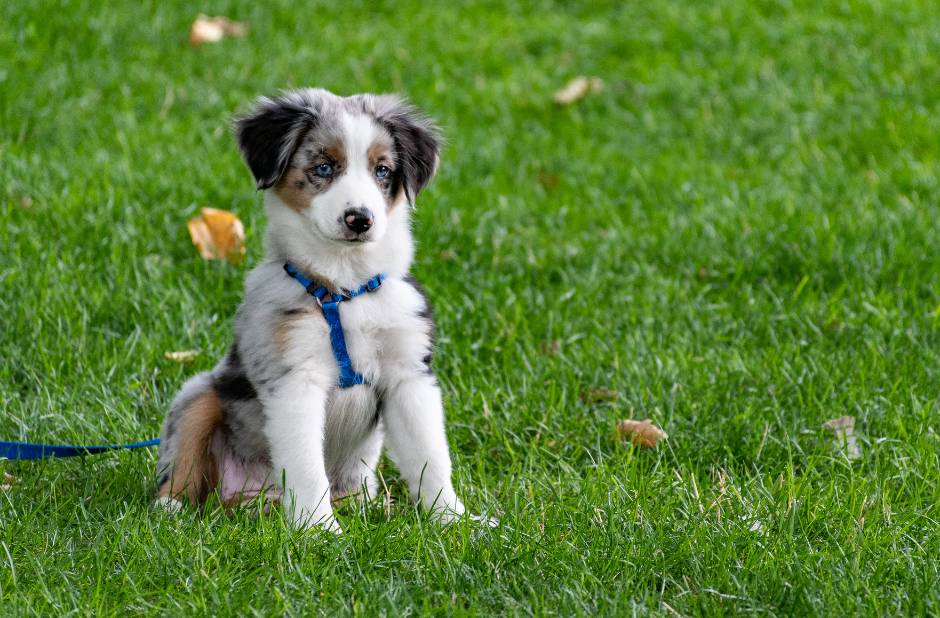
Now that you understand why it’s important to take your puppy outside and help them socialize, let’s look at the actual process. Your puppy’s socialization journey goes through 3 stages — here’s what each one looks like:
Stage 1: Newborn to 7 weeks old
At this stage, puppies haven’t been vaccinated yet and are still completely new to the world, so it’s not recommended to take them outside. The focus during this period is on helping your puppy feel safe and secure. Here are two things to do:
- Provide a good living environment: feed your puppy quality food, set up a comfortable, enclosed sleeping area where they can rest undisturbed, and make sure all their basic physical needs are met. Attention to these details builds a strong sense of security.
- Start exploring the world from home: introduce your puppy to everyday household items like hair dryers, fans, and mirrors, as well as the sounds of family conversations. You can also hold your puppy up to a window to let them peek at the outside world.
Stage 2: 7 weeks to 3 months old
By this stage, your puppy has had their first vaccine and started building immunity, and they’ve already gotten a feel for the world at home. Now it’s time to take them outside for short outings in the neighborhood! Here are some activities for this period:
- Walk around the neighborhood: take your puppy for walks on nearby streets and in local parks. Let them step on different surfaces and hear sounds they wouldn’t normally encounter at home, deepening their understanding of the world.
- Invite friends and family over: have relatives and friends visit your home so your puppy can learn to interact with unfamiliar people. If any of them have dogs, invite those dogs over too so your puppy can practice being around other dogs.
Stage 3: 3 to 4 months old
By this stage, your puppy has completed all three rounds of vaccines and is a little more familiar with the outside world. Now you can take them further afield and explore more of what’s out there! Here are some things to try:
- Expose your dog to busy environments: take your puppy on public transport like buses or the MRT, visit shopping malls, or dine at a pet-friendly restaurant together. If you drive or ride a motorcycle, let your puppy be a passenger and come along for the ride!
- Join dog social activities: enroll your puppy in socialization classes or dog meetup events where they can interact with lots of other dogs and practice friendly social behavior.
How to help your puppy socialize? 5 tips to keep in mind!
A puppy’s socialization journey takes at least 4 months. During this time, how can you help your pup move through the process smoothly and grow into a dog everyone loves? Here are some handy tips for making socialization go more smoothly:
1. Take good care of your puppy’s physical needs
A well-fed, well-hydrated, well-rested puppy living in a safe environment develops a healthy mind — and has the energy for walks and all the other activities that come with socialization. Make sure your puppy has enough water, eats properly, and sleeps somewhere safe and undisturbed to help them build a sense of security in the world.
2. Help your dog establish rules and a consistent routine
Stick to fixed times and places for eating, drinking, and bathroom breaks. Set clear rules — no sofa, no jumping on the bed, no chewing on paper or wires — and use commands or hand signals to redirect your puppy when they’re about to misbehave. Establishing consistent rules and routines prevents future behavioral problems and helps your dog bond with you by knowing what to expect.
3. Use treats as rewards
When your puppy successfully completes a walk or car ride, doesn’t retreat or bark and bite unnecessarily, or uses the bathroom in the right spot on time, reward them with a tasty treat. This helps your puppy build a positive association — good behavior means good food — making them more willing to cooperate and follow through.
4. Enroll your puppy in a training class
Consider enrolling your puppy in a dog behavior training class. Under the guidance of professional trainers and vets, your puppy can advance further through the socialization process and break bad habits more effectively.
5. Use puppy daycare as an everyday training environment
For owners who need to be out of the house during the day, puppy daycare offers one-on-one care, walks, and interaction, helping your puppy progress through socialization in a familiar, comfortable setting. Daily short sessions of companionship and engagement also help prevent separation anxiety and behavioral issues down the road.
Things to note when taking your puppy outside: what to bring and what to watch out for
Finally, here’s a reminder of what to watch out for and what to bring when taking your puppy on walks and socialization outings, so your pup can explore the world safely:
Bring a leash and stroller
Keep the leash secure to stop your puppy from bolting if startled, and use it to encourage them to keep moving when they pause. If your puppy is timid, you’re heading out before their first vaccine, or you plan to use public transport, bring a stroller so your pup can experience the world safely.
Protect against bugs and heat
Use insect repellent spray or oral medication to protect your puppy from bugs, and wipe their paw pads with pet-safe cleaning wipes after each walk. In hot weather, dogs can easily overheat, so bring drinking water and consider a sun hat. If your puppy is panting heavily, stop and find a shaded spot to let them cool down and hydrate.
If your puppy shows signs of fear, stop immediately
It’s completely normal for puppies to show fear reactions when encountering the world for the first time. If your puppy is trembling, whimpering, hiding, shaking, trying to run away, or barking excessively, they’re in a fearful state — stop immediately. Wait until your puppy has calmed down before continuing the walk or any other outdoor activity.
Keep your puppy away from stray animals
Stray dogs and cats may carry contagious parasites like fleas or ear mites, so keep your puppy away from them during walks. Also steer clear of any animal droppings on the street to prevent your puppy from picking up parasites.
No time to take your puppy outside? Let Fluv help you look after your pup!
After reading all of the above, we hope you now understand just how important it is to take your puppy outside and guide them through socialization! Follow the tips in this article to get prepared, and make sure to take your pup out often. Help them discover the world, develop a healthy personality and mindset, and grow into a well-behaved, loyal companion who’s a joy to care for.
Fluv special offers | limited-time deals just for you and your pet
#Give your pet the best — and the best means the right fit
Got a senior dog at home who needs constant care? Find your pet’s perfect sitter on Fluv!
🎁 New users, enter the promo code
#UNEW95
Book now and get 5% off!
👉 Looking for a caring, professional pet sitter for your furry friend?
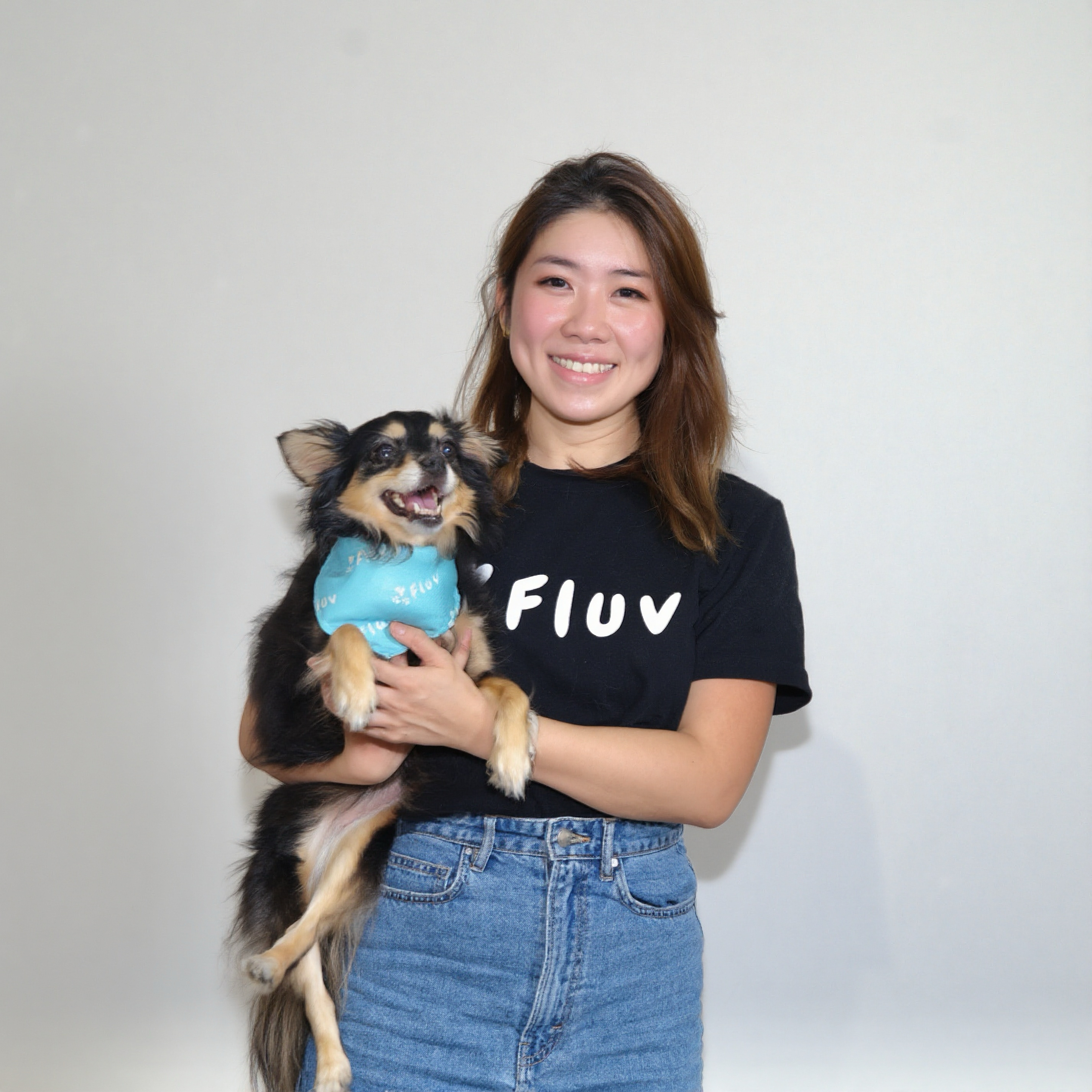 Fluv founder Candace Chen
Forbes 30 Under 30 Asia | 2024 Tatler Gen.T Leaders of Tomorrow
As the founder of Fluv, Candace’s exceptional business vision and execution have helped build the brand into Taiwan’s largest and most trusted pet care platform.
- Recognized on world-class lists: named to Forbes 30 Under 30 Asia and selected as a 2024 Tatler Gen.T Leader of Tomorrow.
- Backed by major investors: successfully secured investment from Twitch co-founder Kevin Lin and influential venture capital firm SIC.
- Market leader: led Fluv to a community of over 7,000 vetted professional sitters, trusted by 140,000 members.
Further reading:
Views: 12017
 English
  Chinese