
Just like us humans, cats can encounter or experience various situations that are harmful to their mental wellbeing. These situations can lead to feelings of anxiety, fear, and depression. Our pet cats have no way of directly telling us how they feel, so as their owners and caretakers, we need to observe and watch for signs of stress.
These signs include:
- Changes in appetite
- Changes in sleep patterns
- Loss of interest in play or interaction
- Hiding behavior
- Inconsistent use of the litter box
- Reduced self-grooming, such as less coat-cleaning

These signs, along with any symptoms of illness such as vomiting or diarrhea, should raise concern and prompt a visit to the vet to make sure your cat is physically healthy. But what should you do when your cat is struggling emotionally? How can we prevent our cats from feeling stressed and depressed?
Although cats are sometimes considered low-maintenance, they still have mental, emotional, and physical needs. By meeting these needs, we can give our cats the best chance of staying mentally happy and healthy. Here are eight genuinely effective ways to help your cat relax!
1. Establish a consistent daily routine
A 2011 study found that even simply changing the time or person responsible for feeding a cat — even when the cat was physically healthy — was enough to trigger illness behaviors such as elimination issues, loss of appetite, and diarrhea. This study highlights just how sensitive cats are to changes in their environment.
While we all face various changes, travel, and schedule adjustments in life, letting your cat know when to expect certain things can help them feel more at ease.
In addition, try to feed your cat at the same time each day, clean the litter box regularly, and spend time interacting with your cat on a consistent schedule. This helps them become more familiar with and able to predict their living environment, and lets them anticipate when things will happen — like when lunch is coming. It also helps avoid the unpleasant situation of a hungry cat waiting too long to be fed!
(Nobody wants their cat yowling at them in the middle of the night because they’re starving!)
2. Give your cat an outlet for natural behaviors
Although cats have been domesticated, they still retain many wild instincts. These include behaviors like climbing and agile running and jumping, as well as scratching and biting — behaviors that, without appropriate targets provided by their owner, can make life more stressful and less enjoyable for everyone, and go against their natural instincts.
By providing a tall cat tree as a perch and sturdy scratching posts, you can give your cat the opportunity to climb and scratch to their heart’s content — while also keeping your furniture safe!

3. Provide a safe space
Vigilance is a natural instinct for cats — after all, for many cats, the world can feel like a dangerous place! Cats are not only predators but also prey to many other species. As a result, they often feel the urge to hide or take cover.
A safe space means ensuring your cat has somewhere they won’t be disturbed. This could be a shelf inside a wardrobe, a cozy cave-style cat bed, or even just a cardboard box on its side with a blanket inside.
Multiple studies have shown that having the option to hide when needed helps cats cope with stressful situations (such as living in an animal shelter), allowing them to handle stress better and recover from it more quickly!

4. Handle your cat gently
We love petting our cats — they’re so soft and adorable! But cats are actually very sensitive to touch, and they generally prefer brief, intermittent interaction over long, intense petting sessions.
Cats can show signs of overstimulation, which means they’ve had enough (or been touched too much). These signs include a swishing tail, ear movements, an annoyed meow, pulling away, or quickly turning their head to look at your hand. When you see these signals, it’s time to stop petting your furry friend!
Getting to know your cat’s sensitive spots and respecting their boundaries is a great way to prevent them from feeling overwhelmed — and it also protects you from bites and scratches!
On top of that, avoid rough-housing with your cat. This can make them feel on edge and teach them that it’s okay to be rough with humans. Instead, use gentle strokes with your hand, and redirect any rough play toward toys.

5. Keep the litter box clean
Cats are naturally clean animals! They keep themselves well-groomed, so most cats don’t need baths — though you can help prevent hairballs and keep them looking their best by brushing them regularly.
One area where they do need your help, however, is keeping the litter box clean! Because cats are naturally fastidious, a dirty litter box can be a real source of stress. A dirty box makes it hard for them to cover their waste — which is an instinctive behavior that helps protect them from being detected by predators. Even if there are no predators in your home, your cat will still instinctively want to dig and conceal after going to the bathroom to hide any traces of urine or feces.
A 2017 study found that cats prefer a litter box free of obstacles — meaning no clumps or waste blocking their way. Most cats prefer unscented, sandy, clumping litter, and the box should ideally be scooped at least once a day (though twice a day is even better).
6.Make sure your cat is physically healthy
Cats have a natural instinct to hide when they’re not feeling well. The best way to ensure your furry companion stays in good physical health is to take them for a full wellness check at the vet once a year. As cats get older, they’ll also need additional screening tests, such as blood and urine tests, with check-ups becoming more frequent over time.
As the saying goes, “prevention is better than cure.” Routine preventive care is the best way to keep your cat healthy day-to-day and catch any health issues early and effectively. It also means you can help your furry friend live a longer, happier life!
7.Set aside time every day to play with your cat
Just as exercise helps us fight depression and anxiety, getting your cat moving does the same for them! When it comes to playtime, wand toys and feather teasers are an absolute must — they tap into your cat’s primal hunting instincts as you play together.
Toys that resemble birds, bugs, or mice spark instinctive leaping and pouncing as cats go in for the catch! Play is a wonderful way to build your cat’s confidence and strengthen the bond between pet and owner. In reality, most cats spend a lot of their time lounging on the sofa, but just five to ten minutes of interactive play each day can make a huge difference to their happiness.
8. Keep your cat from getting bored
While cats do sleep a lot, they really shouldn’t be snoozing all the time! When cats are bored and understimulated, they sleep excessively during the day and then start causing trouble at night — like meowing at 3 a.m. or getting into mischief.
There are plenty of ways to make sure your cat always has something fun to do, keeping them busy and boredom at bay! For example: playing in cardboard boxes, bird-watching from a sunny window, chewing on cat grass, and mouse toys they can bat around!
There’s also a cat food puzzle feeder on the market that offers a challenging and stimulating interactive experience, perfect for energetic and curious cats. As they work to solve the puzzle, they get to show off their intelligence and smarts — while staying focused on the feeder instead of causing trouble.
Signs of a happy, healthy cat
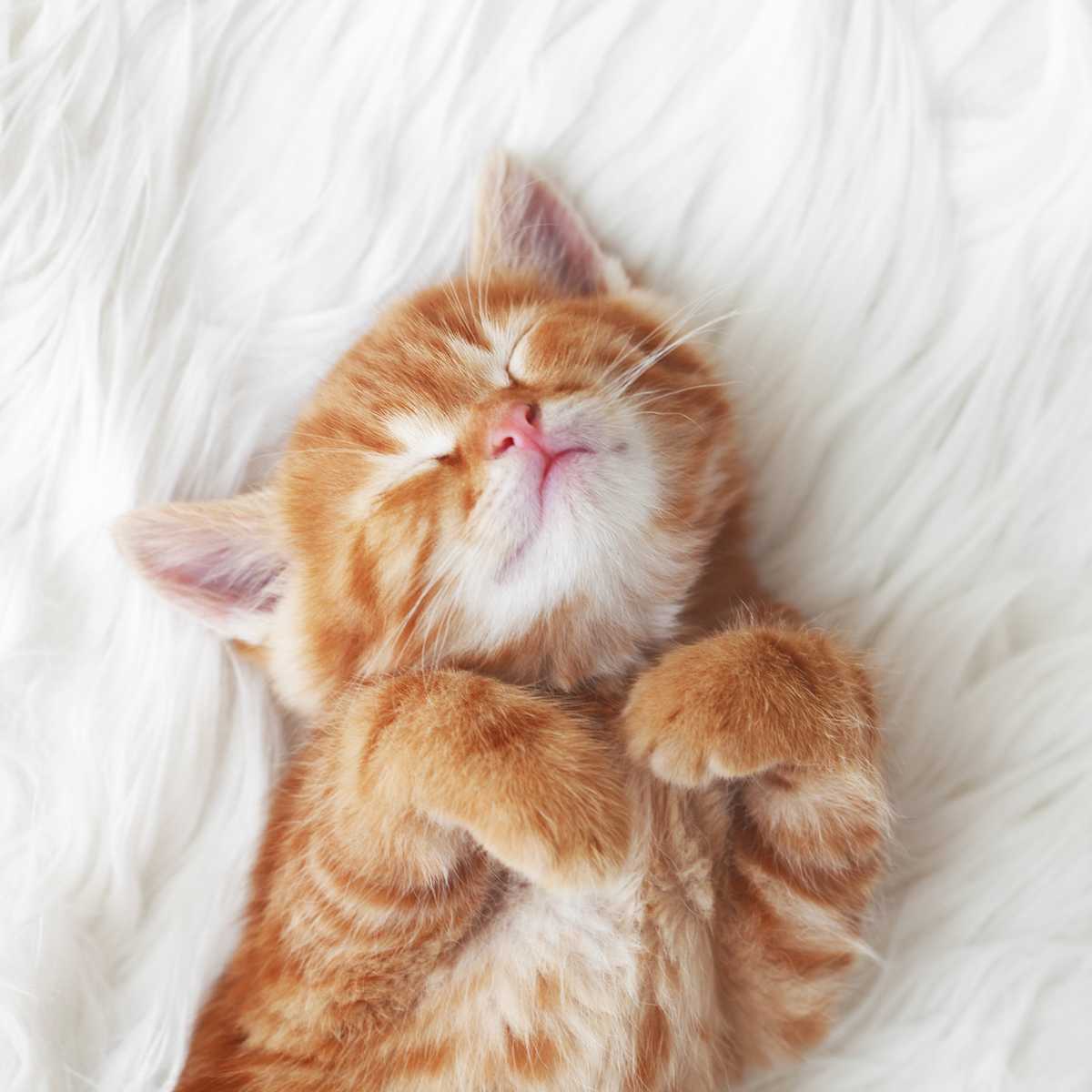
How do you know if these approaches are actually helping your cat? A happy cat will show their vitality physically — jumping, scratching, and climbing. Day-to-day, they’ll eat, sleep, and groom themselves normally. When they settle in to rest, they’ll stretch out comfortably or lie on their side. A mentally and physically healthy cat also enjoys being around people, purring near you, rubbing up against you, and curling up by your side.
Even with all these tips in place, some cats dealing with overwhelming stress may still need support from a vet. That’s why keeping open communication with your vet is so important!
Ultimately, your cat’s mental and physical wellbeing starts with you! We hope these tips help cat owners create a happy home base for their feline friends — because when your cat is content, your own happiness grows right along with theirs!
Views: 913
Views: 913
Views: 913
Views: 913
Fluv exclusive deals — limited-time offers for devoted pet owners
#Give your pet the best — and the most fitting
If you’d like to give your pet a more personalized, home-like care experience, why not try Fluv’s in-home pet sitter service?
🎁 New users — enter promo code
#UNEW95
Book now and enjoy 5% off your first service!
👉 Looking for a caring, professional pet sitter for your furry friend?
Views: 2957
 English
  Chinese