

Table of contents
-
- What to consider before bringing a second cat home: 6 key questions to ask
- 5 steps to introduce your cats and help them bond
- Mistakes to avoid: don’t force your cats to meet the wrong way
- Do cats really need to be separated first? Common questions answered
- Worried you won’t have enough time for multiple cats?
- Fluv special offers | Limited-time deals for devoted pet owners
Any cat lover knows — once you have one cat, it’s hard to stop at just one! Having multiple cats can be wonderfully therapeutic, and it means your cat won’t have to be home alone. But it’s not as simple as it might seem. There’s a lot to think through before bringing a second cat home, especially if it’s a kitten. Without proper preparation, introducing a kitten to an adult cat can cause a great deal of stress for both animals. If you’re thinking about adding another cat to your family, read through this guide first — it’ll give your cats the best chance of getting along peacefully.
What to consider before bringing a second cat home: 6 key questions to ask
Every cat has its own unique personality, and you simply can’t throw two cats together and expect things to work out. In serious cases, the stress can even affect their health. Before getting a second cat, take time to think through the following questions carefully and prepare in advance.
Your current cat’s personality
Understanding your existing cat’s temperament is crucial. Some cats are naturally independent and territorial — they don’t enjoy sharing their space or living with other cats, and may show strong aggressive behavior. If that sounds like your cat, be prepared for a longer adjustment period when a new cat arrives.
Whether your home has enough space
When a new cat first comes home, you’ll need to keep them separated so each cat has their own dedicated space. Beyond having a suitable room for isolation, consider whether your home has open areas for running and playing, as well as cozy hiding spots where cats can retreat and feel safe.
Whether you have enough supplies for both cats
Each cat needs their own dedicated essentials — litter box, food bowl, hiding spot, and toys. Before bringing your second cat home, make sure you have a separate set of everything. Sharing resources can cause stress, competition, and resentment between cats.
The new cat’s personality
Since these two cats will be living together day in and day out, compatibility really matters. For example, if your current cat is energetic and playful, a similarly lively cat could be a great match. If your current cat is quieter and more introverted, a calmer, gentler cat would likely be a better fit.
The new cat’s health
Before the new cat becomes part of your household, make sure they’ve had a full health check and are up to date on vaccinations. This protects not just the new cat, but also your existing cat from potential illness or infection.
Your time and energy
Two cats means twice the care — preparing meals and treats, cleaning litter boxes, playtime, and emotional attention. This is especially true if one of your cats is particularly clingy. Without enough quality time, cats can start to feel lonely or neglected.
5 steps to introduce your cats and help them bond
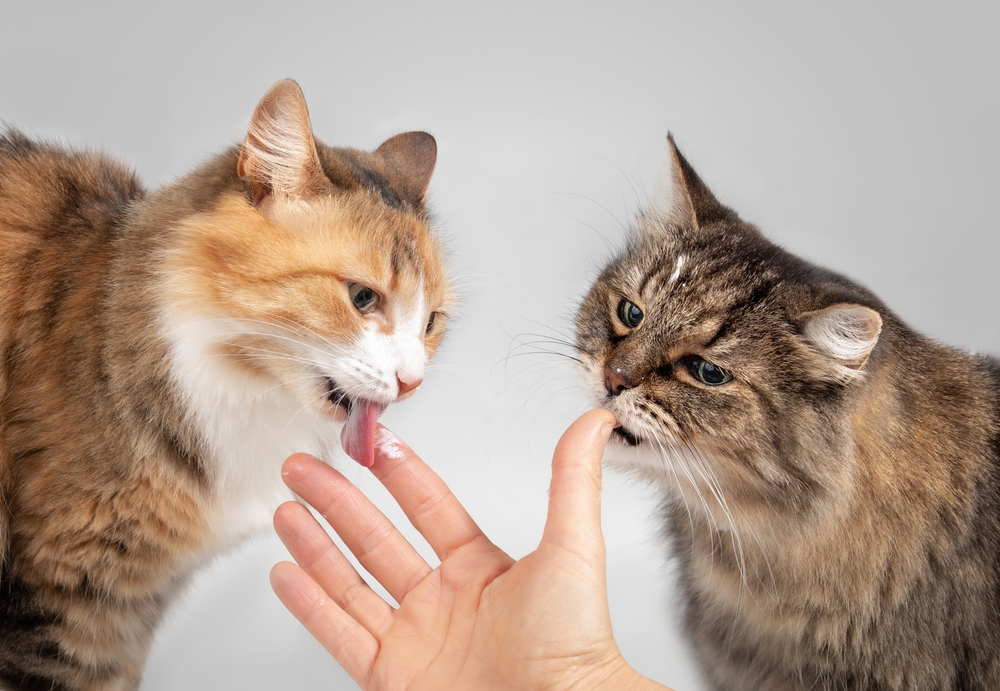
Step 1: Keep them fully separated
Set up the new cat in a separate room, completely isolated from your existing cat. The room should be fully equipped with everything the new cat needs — food, water, a litter box, and a comfortable resting area. This gives the new cat time to adjust to their surroundings while ensuring your existing cat doesn’t feel threatened.
Step 2: Let them get used to each other’s scent
Introducing cats isn’t about seeing each other first — it’s about smelling each other first. Try bringing the new cat’s bedding or toys into your existing cat’s space, gradually increasing the amount of time these scented items are present. Once your cat shows no unusual reaction, you can start swapping items between the two spaces so each cat’s scent becomes a natural part of the other’s environment.
If either cat reacts strongly to the other’s scent, go back to the previous step, extend the isolation period, or hold off on bringing the new cat home for now.
Step 3: Swap their spaces
Once it feels safe to do so, let the two cats take turns exploring each other’s spaces. This allows them to investigate each other’s territory, become more familiar with each other’s scent and presence, and reduces the likelihood of territorial conflict.
Step 4: Practice brief meetups
Start allowing short, supervised face-to-face meetings between the two cats. Always be present to monitor the interaction, and gradually increase the length of each session. If both cats seem relaxed and at ease, you can start meeting more frequently and for longer periods.
Step 5: Living together
Once both cats can remain calm and friendly during meetups, you can begin letting them share the same living space. Keep a close eye on how they interact — if any fighting or aggression occurs, immediately go back to the previous step and continue the gradual introduction process. Don’t let all your hard work go to waste!
Mistakes to avoid: don’t force your cats to meet the wrong way
Don’t rush the process of helping your new and existing cat become friends! A gradual, step-by-step introduction is the only way to build a lasting, peaceful relationship. Getting it wrong can make it much harder for them to bond down the line. Be patient, step back, and avoid these common mistakes:
Putting the new cat directly into your existing cat’s territory
Your existing cat sees your home as their domain. A sudden newcomer may be perceived as an intruder, triggering intense territorial behavior and aggression. This is exactly why initial separation is so important.
Skipping the scent exchange
Cats rely heavily on scent to identify and understand one another. Without a scent exchange, an unfamiliar smell will cause anxiety and tension, making conflict far more likely.
Holding one cat and forcing them to meet the other
Many owners make the mistake of holding their cat and bringing them face-to-face with the new arrival. Cats are highly sensitive animals — being restrained increases their stress and defensiveness, and they may panic and try to escape. Always give cats the time and space to approach each other on their own terms.
Not providing enough resources
Cats are territorial animals, and it’s best not to have them share food. Each cat needs their own dedicated resources — food, water, treats, litter box, and resting area. Without this, competition and aggression can quickly develop, deepening hostility between the two cats.
Do cats really need to be separated first? Common questions answered
Q1: I followed all the steps above, but my cats still don’t get along — what should I do?
If you’re still seeing signs of rejection between the two cats, try going back through the steps above, or extend the isolation period to give them more time to adjust to each other’s scent and presence. You can also try stress-relieving products like synthetic pheromone diffusers to help calm them down. If things still aren’t improving, consider consulting an animal behaviorist or veterinarian for professional advice and support.
Q2: Why is it so important to isolate a new cat when you first bring them home?
Isolating a new cat when they first arrive is essential. It helps prevent any diseases or parasites the new cat may be carrying from spreading to your other pets, protecting everyone’s health. It also gives the new cat time to gradually adjust to their new environment, reducing stress and anxiety so they can settle in more peacefully. Keeping them separated also allows you to monitor the new cat’s health and catch any potential issues early.
Q3: Is it easier when an adult cat and a kitten live together?
Many owners assume that adult cats will be more tolerant of kittens, which might speed up the bonding process — but this isn’t always the case. Kittens tend to be very playful and can easily annoy or overwhelm an adult cat, potentially causing ongoing stress. If your existing cat is older or a senior, it’s generally best to avoid introducing a kitten into the home.
Worried you won’t have enough time for multiple cats?
After reading this, you can probably see that adding a new cat to the family is quite a bit more involved than it might first seem! Cats are a lot like children — they can get jealous, and they worry about losing their owner’s love and their place in the home. If you’d love to have multiple cats but are worried you won’t have enough time to give them all the attention they need, don’t stress. Taiwan’s largest cat sitter platform, Fluv, is here to help — trusted by over 100,000 pet owners, with more than 5,000 verified and vetted pet sitters ready to be matched with you right in your neighborhood.
Fluv special offers | Limited-time deals for devoted pet owners
#Give your pet the best — and that means the right fit for them
Does your senior dog need round-the-clock care? Find your pet’s perfect sitter with Fluv today!
🎁 New users: enter promo code
#UNEW95
Book now and enjoy 5% off your first service!
👉 Looking for a caring, professional pet sitter for your fur baby?
 Fluv founder Candace Chen
Forbes 30 Under 30 Asia | 2024 Tatler Gen.T Leaders of Tomorrow
As the founder of Fluv, Candace has used her exceptional business vision and drive to build the brand into Taiwan’s largest and most trusted pet care platform.
- World-class recognition: named to the Forbes 30 Under 30 Asia list and selected as a 2024 Tatler Gen.T Leader of Tomorrow.
- Backed by heavyweight investors: successfully secured investment from Twitch co-founder Kevin Lin and influential venture firm SIC.
- Market leader: Fluv now has over 7,000 vetted professional sitters and is trusted by 140,000 members.
Further reading:
Taking your cat outside: what to prepare and what to watch out for
Do cats get separation anxiety? What to do when your cat won’t stop meowing
Views: 26665
 English
  Chinese