As veterinary care has improved and awareness around pet ownership has grown, more and more cats are living long, healthy lives alongside their owners. But when your furry family member enters their senior years, the way you care for them needs to change too. Many owners find themselves unprepared when it comes to recognizing the signs of aging or knowing how to handle common age-related health issues.
In this article, we’ll walk you through everything from cat age stages, recognizing signs of aging, and common senior cat illnesses, all the way to comprehensive care tips and lifestyle adjustments — so you can feel more confident caring for your aging companion. We’ll also introduce how a cat sitter service like Fluv can become your trusted partner in a busy daily life, giving you peace of mind that your cat is in good hands even when you’re not home.
How are cat ages categorized? The 6 life stages every cat owner should know
A cat’s life can be divided into 6 key stages, each with distinct physical characteristics, behavioral traits, and health needs.
- Kitten stage (0–6 months): From birth to six months, cats grow at a remarkable pace. Weight, bones, muscles, and the nervous system are all developing rapidly, requiring high-energy, well-balanced nutrition. This is also a critical window for learning and socialization — kittens are curious about everything and love to explore and play.
- Junior stage (7 months–2 years): Young cats begin exploring the world more independently. Their bodies continue to grow, bones and muscles develop further, and baby teeth are replaced by adult teeth. Cats at this stage are full of curiosity and love to play and interact. Compared to the kitten stage, they need even more nutrition and high-energy food to support their continued development.
- Adult stage (3–6 years): By this point, cats are fully mature physically, and their behavior has settled into a stable pattern. They’re active and in good health — this is often considered the prime of a cat’s life.
- Mature stage (7–10 years): Cats aged 7 and above are generally considered to be entering their mature years, roughly equivalent to middle age in humans. Subtle changes begin to occur in bodily functions — while they may not look noticeably older on the outside, cellular activity, metabolism, and the immune system are all gradually slowing down, and resistance to illness starts to decline.
- Senior stage (11–14 years): Cats in this range are entering their senior years, comparable to the older-middle-age period in humans. Physical decline becomes more noticeable — activity levels and metabolism drop significantly, and age-related health issues become more common. Diet and living environment should be adjusted accordingly, with closer health monitoring.
- Geriatric stage (15 years and older): Cats at this age are considered geriatric. Organ function declines noticeably, and the risk of chronic disease and cognitive impairment rises considerably. Cats in this stage need extra attention and careful day-to-day care — regular health checks, adjustments to their living space and diet, and plenty of companionship and reassurance.
How can you spot the signs of aging in your cat? Watch for these changes in daily life
As cats get older, changes in their body and behavior gradually begin to show. One of the most noticeable signs is a drop in activity level — a cat that once loved leaping around and chasing toys may become noticeably lethargic, struggling even with stairs, and sleeping far more than before, sometimes over 18 hours a day.
Appetite and weight can also shift. Some senior cats eat less and lose interest in food, or become picky eaters; others may gain weight as their metabolism slows. Skin and coat condition often changes too — fur can become dry and dull, and shedding may increase, due to hormonal changes and reduced ability to absorb nutrients.
Behaviorally, senior cats may become more dependent on their owners and more sensitive to changes in their environment, showing signs of anxiety or mood swings. Sensory functions such as vision, hearing, and smell gradually decline, affecting how they perceive and interact with their surroundings. Finally, self-care tends to drop off — grooming frequency decreases, and some cats may develop litter box issues such as incontinence, frequent urination, or changes in toileting habits.
Common illnesses in senior cats that every cat owner should know about
Chronic kidney disease is one of the most common health problems in older cats. As kidney function declines and the body can no longer effectively filter waste from the blood, cats may show symptoms such as increased thirst and urination, weight loss, reduced appetite, and vomiting — and in severe cases, it can be life-threatening.
Arthritis is another frequent concern, causing joint pain that leads cats to move less, avoid jumping, and struggle with stairs — significantly impacting their quality of life. Heart disease, primarily in the form of hypertrophic cardiomyopathy or heart failure, can cause symptoms like labored breathing, coughing, and fatigue, and requires regular monitoring and medication.
Diabetes, thyroid disorders, dental disease, and cancer are also common health threats for senior cats. Diabetes tends to affect overweight or less active cats, with symptoms including excessive urination, increased thirst, and weight loss. Thyroid dysfunction can disrupt metabolism and body weight. Dental disease can make eating painful and lead to weight loss. Cancer symptoms vary depending on tumor location, but early detection and treatment are key.
What should you watch out for when caring for a senior cat? 4 key areas to cover — handy reminders from your pet sitter
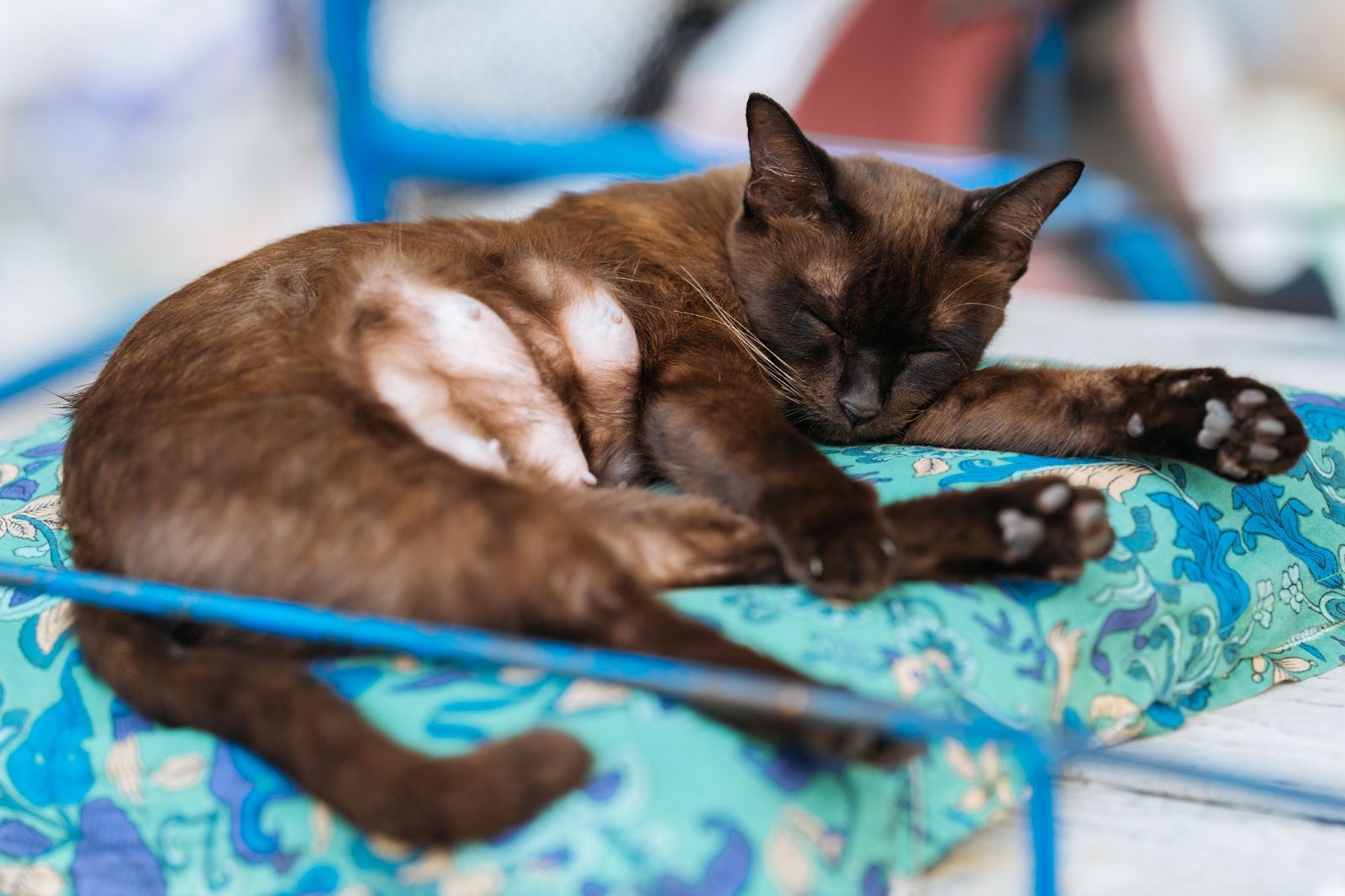
Once your cat enters their senior years, every little detail in their daily life matters. Whether you’re caring for them yourself or occasionally relying on a pet sitter for help, these 4 key areas will help ensure your older cat stays comfortable and content:
-
Environment
Set up a barrier-free living space for your senior cat. Minimize height differences, add steps or ramps to help them get around, and lay down non-slip mats in areas where they might fall — especially important as joints weaken with age. Choose a litter box with low sides for easy entry and exit, and place water bowls and food dishes in multiple spots so your cat can always access hydration and nourishment. Keeping the environment stable and minimizing changes also helps reduce anxiety in cats experiencing cognitive decline.
-
Diet
Digestive efficiency decreases as cats age, so opt for food specially formulated for senior cats — nutritionally balanced and easy to digest. Wet, soft food like canned food or meat purées works well for cats with dental issues. Smaller, more frequent meals help reduce the burden on the digestive system. Adding nutrients like Omega-3 fatty acids and glucosamine can also help support joint and kidney health.
-
Daily wellness
Regular grooming helps stimulate blood circulation and keeps the skin healthy, while also giving you a chance to monitor your cat’s weight and eating habits so you can catch any changes early. Don’t overlook dental care — brushing regularly or offering dental treats can help prevent gum disease and tartar buildup. Gentle interaction and quality time together also go a long way in supporting your senior cat’s mental wellbeing and reducing anxiety and stress.
-
Health checks
Aim for a full health check every six months, covering blood work, urinalysis, thyroid function, and kidney function, so any underlying issues can be caught and treated early. If your cat already has a chronic condition, more frequent monitoring and treatment will be needed to ensure they’re getting the best possible care.
Let Fluv help you learn how to care for your senior cat — so your beloved companion can enjoy their golden years!
Caring for a cat is a gentle, lifelong journey. As our little royals slowly step into their golden years, our most important job as owners is to give them the most attentive care and all the love they deserve. When it comes to meeting the needs of an aging cat, you don’t have to do it alone.
Through the Fluv app, you can quickly find experienced cat sitters who provide in-home care services. From monitoring health and helping with feeding, to reminding your cat to drink water, handling daily cleaning, and even basic dental care — a professional sitter can take care of it all. So even as your cat gets older, they can continue to receive high-quality, attentive care in the comfort of a familiar environment.
Fluv is Taiwan’s largest pet sitter matching platform, with thousands of caring, experienced cat and dog sitters ready to help — from dog walking and in-home feeding to fully customized care plans. Download the Fluv app today and let’s make every day of your pet’s golden years a happy one!
Fluv exclusive deals — limited-time offers for devoted pet owners like you
#Give your pet the best — and the most fitting
If you’d like a more personalized, home-like care experience for your pet, why not try Fluv’s in-home pet sitter service?
🎁 New users: enter promo code
#UNEW95
Book now and enjoy 5% off your first service!
👉 Looking for a caring, professional pet sitter for your furry friend?
Views: 3258
 English
  Chinese