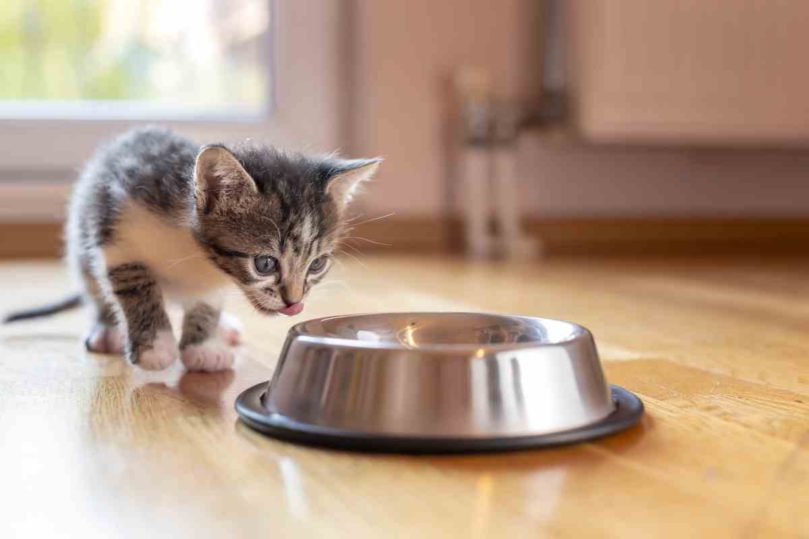
Just adopted a kitten but not sure how to care for it? Watching others bottle-feed tiny kittens always looks so heartwarming — but when it’s your turn, it can feel overwhelming and stressful. Don’t worry! Today we’ve put together a complete guide for first-time kitten parents, covering everything from essential supplies and vaccines to key care tips at every stage — your ultimate kitten care cheat sheet!

Before bringing your kitten home: 6 things to prepare
Before bringing your kitten home, we recommend getting these 6 essentials ready and setting up a cozy space so your new arrival can settle in comfortably and quickly.
✅ Kitten formula, kitten food, and wet food
✅ Feeding bottle or syringe for bottle-feeding
✅ Food and water bowls (one of each)
✅ Cat litter, litter box, and litter scoop
✅ A cozy cat bed or cardboard box
✅ Electric blanket or pet heat lamp
All of the above are essentials for kitten care — having them ready in advance means you won’t be caught scrambling when you need them most.
How to care for a kitten — and which vaccines do they need?
Kittens need a lot of sleep, so most of your job will be waiting for them to wake up, feeding them, and keeping up with their vaccination schedule. In a previous post on kitten feeding, we covered how and when to feed your kitten. This time, we’re focusing on which vaccines kittens need and how many doses are required.
| Vaccine | Number of doses |
| 3-in-1 (core) vaccine | 2 doses |
| Feline leukemia vaccine | 2 doses |
| Rabies vaccine | 1 dose |
The ideal time to start vaccinating a kitten is around 6–8 weeks after birth, subject to a vet’s assessment of their health. For the vaccination schedule and frequency, consult your vet — they’ll tailor a plan based on your kitten’s individual needs.
Kitten care tips by age
As your kitten grows, the care they need changes too. Below we’ve broken down the key things to watch out for at each stage. If you’re wondering what to focus on right now, jot these down!

Up to 1.5 months
- Newborn kittens lose body heat very easily, so keep them in a warm, draft-free space. Use a pet heat lamp or electric blanket if needed.
- Kittens sleep most of the time — let them rest, but check on them regularly and take their temperature daily. If you notice anything unusual such as abnormal temperature, low energy, constant crying, or not eating, see a vet as soon as possible.
- Young kittens can’t toilet on their own, so you’ll need to gently stimulate them daily using a warm, damp cloth or wet wipe around the anus and genital area. Do this before or after each feeding. Note that not every session will produce results — kittens may only defecate once every 2–3 days.
- Once your kitten reaches 4 weeks old, you can take them to an animal hospital for basic deworming.
1.5–3 months
- This is a great time to start training your kitten on good habits — using the litter box, eating at set times, and learning not to scratch furniture or bite people.
- Visit an animal hospital to have a vet assess whether your kitten is ready for vaccinations. For the week following vaccination, try to avoid contact with other animals.
3–6 months
- Kittens at this stage are full of energy and going through teething — pick up some appropriate chew toys to help them burn off steam.
- Start practicing toothbrushing so your kitten develops good dental hygiene habits from an early age.
- By around 6 months, the core vaccine series is usually complete and your kitten hasn’t yet gone into heat — making this the ideal window for spaying or neutering.
- At 6 months, kittens also begin their first coat change. Daily brushing to remove loose fur is recommended.
Top 4 Q&As for first-time kitten owners
If you’re a first-time cat parent, you’re bound to run into questions big and small along the way. Here are 4 of the most common kitten care questions from new cat owners — we hope they help you raise your tiny furball into a healthy, happy cat!

Q1: Can I bathe my kitten?
Since kittens are prone to losing body heat, it’s best to avoid baths for as long as possible. If they get dirty, a gentle wipe-down with a damp cloth or wet wipe is sufficient.
Q2: How can I tell if my kitten is going into heat?
If you’re unsure whether your kitten has entered heat, look out for the following signs — these behaviors may indicate they’ve started their first heat cycle.
| Male cats | Female cats | |
| Approximate age of first heat | Around 7–8 months | Around 6 months |
| Signs of heat |
|
|
Q3: When can my kitten go outside?
It’s not recommended to take your kitten outside until they’ve completed their vaccinations.
Q4: How long should my kitten stay on kitten food?
Kitten food is recommended until your cat turns 1 year old, as it provides the nutrients needed during this growth stage. After that, you can gradually transition them to adult cat food.
Want to learn more about caring for your pets? Check out the Fluv blog. And if you need help with pet care, day visits, or boarding, visit Fluv to book a service and let a professional pet sitter take loving care of your furry family member!
Fluv exclusive offers — limited-time deals for devoted pet owners
#give your pet the best — and the best fit
If you’re looking for a more personalized, home-like care experience for your pet, why not try Fluv’s in-home pet sitter service?
🎁 New users: enter promo code
#UNEW95
Book now and enjoy 5% off your first service!
👉 Ready to find the perfect pet sitter for your furry friend?
Views: 1501
 English
  Chinese