Table of contents
- Why can’t cats eat human food freely?
- 1. Is dairy really harmful to cats?
- 2. Why are onions and garlic so dangerous for cats?
- 3. Can even a tiny amount of alcohol be fatal to cats?
- 4. Caffeine puts strain on the nervous system and heart
- 5. How much of a threat is chocolate to cats?
- 6. Raw dough can cause internal bloating and alcohol poisoning
- 7. The risks of raw eggs shouldn’t be overlooked either
- 8. What is xylitol, and why does every pet owner need to know about it?
- How to create a cat-safe home eating environment
- Conclusion
Does your cat eye your dinner table like it’s their personal buffet? The moment you open a bag of snacks, unwrap some cheese, or set down a bowl of hot soup, they appear out of nowhere — those big innocent eyes locked onto your food. Many pet owners think sharing a little bite is an act of love, not realizing that foods that seem harmless to us can be deadly toxins for cats. Veterinary nutrition experts note that cats should get no more than 20 to 30 calories per day from non-balanced sources such as human food or treats. In other words, the impact of human food on cats is far more serious than most of us imagine. This article walks you through 8 common but dangerous human foods, so you can build a safety net for your beloved pet.
Why can’t cats eat human food freely?
A cat’s digestive system is fundamentally different from ours. As obligate carnivores, cats’ livers lack certain enzymes needed to metabolize specific compounds — meaning many foods that are perfectly safe for humans can trigger toxic reactions in cats. Cats are also much smaller than us, so even tiny amounts can cause serious organ damage. What makes this even trickier is that many harmful ingredients hide in seasonings, sauces, and processed foods, so pet owners can unknowingly expose their cats to dangerous substances without realizing it. Understanding which foods are harmful to cats is essential knowledge for every responsible pet owner. Let’s go through these common dietary hazards one by one.
1. Is dairy really harmful to cats?
Dairy isn’t an ideal treat for cats
Thanks to cartoons and fairy tales, many people assume cats naturally love milk and that it’s good for them. The reality is quite the opposite. After weaning, cats gradually produce less lactase, which means most adult cats have some degree of lactose intolerance. When a cat consumes dairy products like milk, cheese, ice cream, or yogurt, the undigested lactose ferments in the intestines, triggering a range of uncomfortable symptoms. Common reactions include:
-
Why it’s dangerous: Adult cats lack sufficient lactase and can’t digest lactose, causing it to ferment in the gut.
-
Common symptoms: Stomach pain, bloating, gas, diarrhea, and vomiting.
-
Safe alternative: If your cat loves the taste, look for lactose-free milk made specifically for cats.
While a small amount of dairy may not cause immediate serious harm, regular feeding can lead to chronic digestive issues. If your cat is particularly drawn to the taste of dairy, lactose-free cat milk is available commercially and is a relatively safer alternative. It’s always a good idea to consult your vet before offering any dairy products.
2. Why are onions and garlic so dangerous for cats?
Allium plants are the culprit behind red blood cell destruction
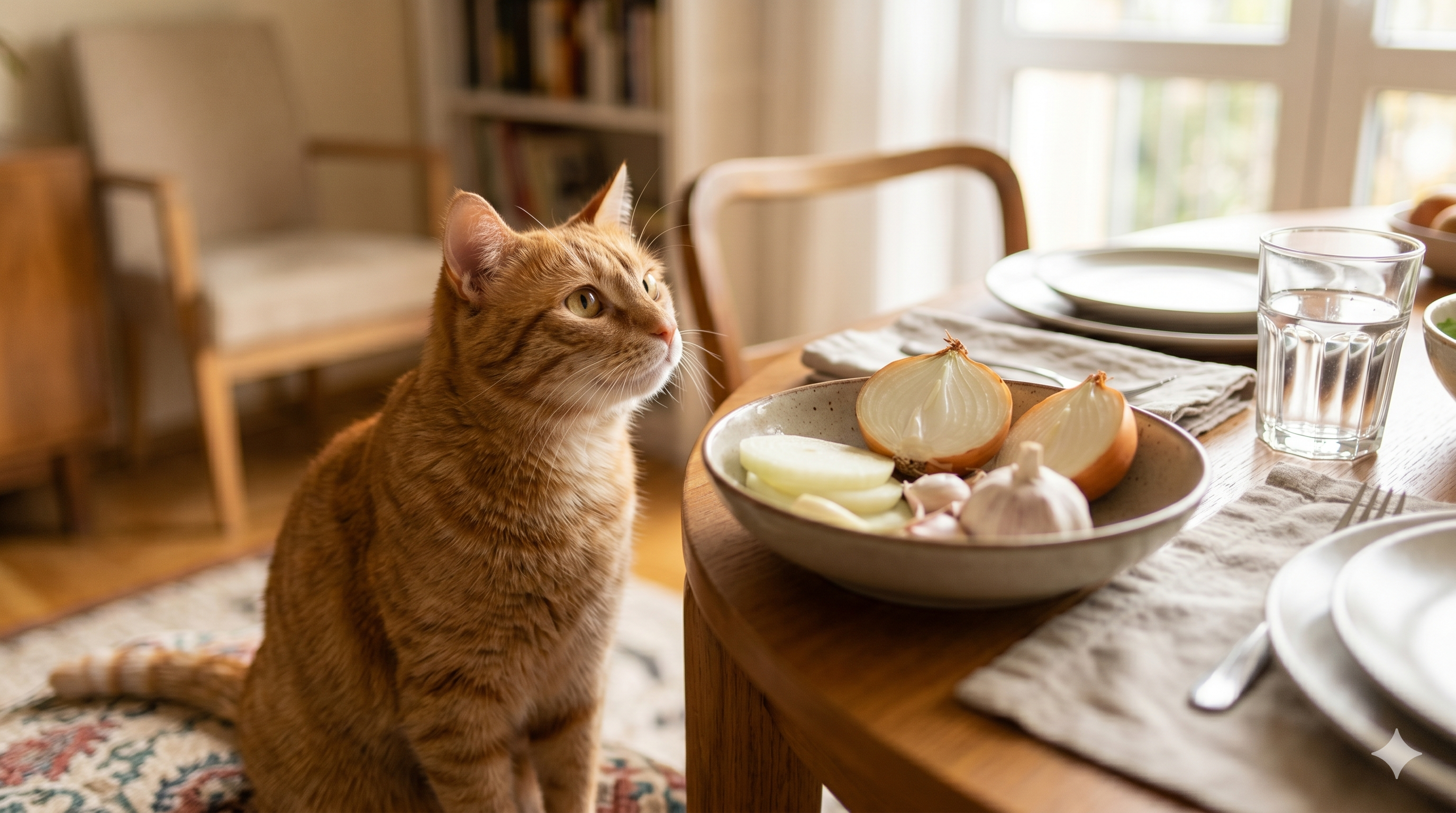
Onions, garlic, shallots, leeks, and chives — these allium plants are staples in almost every kitchen, yet they’re silent threats to a cat’s health. Vets note that these foods contain a compound called thiosulfate, and when cats ingest enough of it, it destroys red blood cells, causing a serious condition known as hemolytic anemia. This can leave cats weak, short of breath, and with a reduced appetite — and in severe cases it can be life-threatening. What’s especially important to know is that these ingredients often lurk in powders, sauces, and broths used in everyday cooking. Many pet owners use human chicken broth or meat broth to encourage a picky cat to eat, but these often contain onion and garlic. If you want to give your cat a broth, always choose one made specifically for pets and avoid anything seasoned for human consumption.
-
Why it’s dangerous: Contains thiosulfate, which destroys red blood cells and causes hemolytic anemia.
-
Common symptoms: Weakness, shortness of breath, loss of appetite.
-
Important note: Human chicken broth and meat broth often contain these ingredients — keep them away from cats.
When you travel or go on a business trip, make sure to clearly share these precautions with whoever is looking after your cat, so their diet stays safe without compromise.
3. Can even a tiny amount of alcohol be fatal to cats?
The toxicity of alcohol for cats is extremely serious. As little as two teaspoons of alcohol can send a cat into a coma or even cause death. Symptoms of alcohol poisoning include vomiting, diarrhea, difficulty breathing, muscle tremors, and damage to the brain and liver. Beyond obvious alcoholic beverages, certain foods that contain alcohol — such as liqueur chocolates and tiramisu — must also be kept away from cats.
-
Why it’s dangerous: Cats are small and have an extremely poor ability to metabolize alcohol. Just two teaspoons can cause a coma.
-
Common symptoms: Vomiting, diarrhea, difficulty breathing, muscle tremors, brain and liver damage.
-
Hidden sources: Desserts containing alcohol such as liqueur chocolates and tiramisu.
4. Caffeine puts strain on the nervous system and heart
This includes all caffeinated products — coffee, tea, energy drinks, cola, and more.
-
Why it’s dangerous: Caffeine overstimulates a cat’s nervous system and heart.
-
Common symptoms: Unusual restlessness, difficulty breathing, irregular heartbeat, muscle tremors, and seizures.
5. How much of a threat is chocolate to cats?
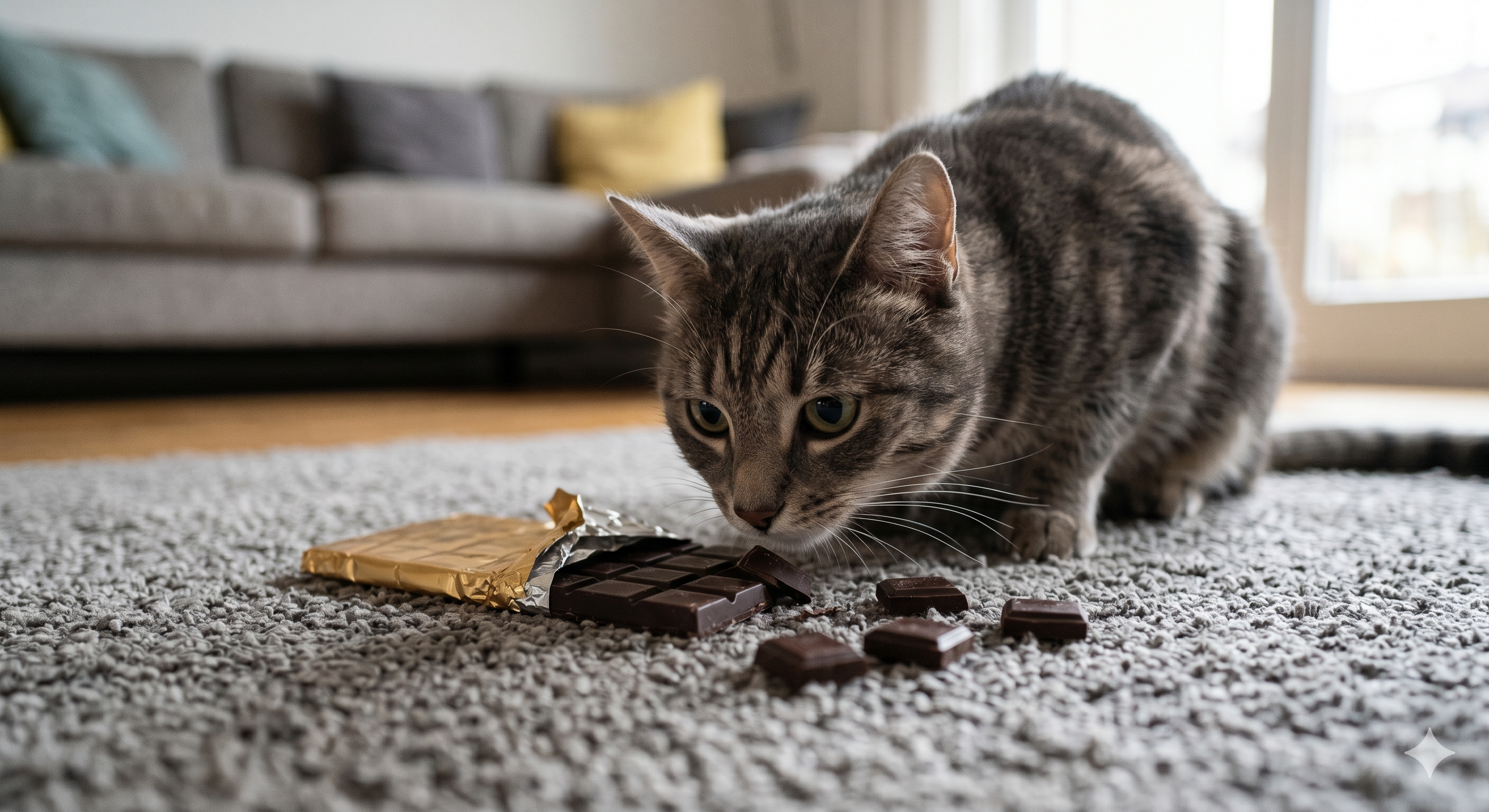
Chocolate is just as toxic to cats as it is to dogs — and the higher the concentration, the more dangerous it is (dark chocolate being particularly harmful).
-
Why it’s dangerous: Contains theobromine and caffeine, which deal a double blow to a cat’s body.
-
Common symptoms: Vomiting, diarrhea, irregular heartbeat, muscle tremors, or seizures.
Most people know chocolate is toxic to dogs, but fewer realize that chocolate is equally dangerous for cats. Chocolate contains a compound called theobromine, which is found in all types of chocolate — with the highest concentrations in dark chocolate and unsweetened baking chocolate. After eating chocolate, cats may experience vomiting, diarrhea, an irregular heartbeat, muscle tremors, or seizures. To make matters worse, chocolate also contains caffeine, meaning it’s a double hit that puts extra strain on a cat’s body. Even a few crumbs from a chocolate cake can pose a risk to a small cat. Keep all chocolate products well out of your cat’s reach at all times.
6. Raw dough can cause internal bloating and alcohol poisoning
Raw dough is dangerous for two reasons. First, dough continues to ferment in warm, moist environments — and a cat’s stomach provides exactly those conditions. The fermentation process produces alcohol (which we already know is extremely dangerous for cats) and carbon dioxide. The carbon dioxide causes the dough to keep expanding inside the stomach, and in severe cases this can rupture the stomach or intestinal walls. If you suspect your cat has swallowed raw dough, take them to the vet immediately, as emergency surgery may be required.
-
Why it’s dangerous: Dough keeps expanding in the warm stomach, producing carbon dioxide (which can rupture the stomach wall) and fermenting into alcohol (causing poisoning).
-
Consequence: Emergency surgery may be needed to remove the expanding dough.
7. The risks of raw eggs shouldn’t be overlooked either
While cooked eggs are a great source of protein, raw eggs hide some real dangers. Beyond the risk of pathogens like Salmonella, raw eggs contain a protein called avidin. Avidin interferes with a cat’s ability to absorb biotin (vitamin B7), and over time this can lead to skin and coat health problems. Cooked eggs are a safe protein source for cats, but raw eggs should always be avoided.
-
Why it’s dangerous: Besides the Salmonella risk, raw egg whites contain avidin, which blocks the absorption of biotin (vitamin B7).
-
Common symptoms: Long-term consumption can cause skin and coat health problems.
Entrust your cat’s safety to a professional caregiver, so you can head out with complete peace of mind.
8. What is xylitol, and why does every pet owner need to know about it?
Xylitol can cause acute liver failure
When a cat ingests xylitol, insulin levels surge rapidly, causing blood sugar to drop sharply and triggering severe hypoglycemia. Early signs of poisoning include vomiting, loss of coordination, and lethargy. As the condition worsens, it can progress to seizures and even liver failure within days.
-
Why it’s dangerous: Causes a rapid insulin spike leading to a sharp drop in blood sugar (hypoglycemia), and can result in liver failure.
-
Common symptoms: Vomiting, loss of coordination, lethargy, seizures, and potentially fatal within days.
Because xylitol hides in many seemingly harmless products — commonly used as a sugar substitute in sugar-free gum, candy, and toothpaste — it is extremely dangerous for cats. Pet owners should get into the habit of reading ingredient labels and make sure any products containing xylitol are stored well out of a cat’s reach. This is especially important when arranging for someone to care for your cat at home — always remind the caregiver to watch out for potential hazards in the environment.

How to create a cat-safe home eating environment
Now that you know which foods are dangerous, the most important step is taking proactive preventive measures. Here are some practical tips to help you create a cat-friendly eating environment:
- Tidy up after meals: Clear the table immediately after eating and store leftovers in containers your cat can’t open.
- Check ingredient labels: When buying any food or household product, look out for ingredients like xylitol and caffeine that are harmful to cats.
- Set up safe zones: When baking or cooking, keep your cat out of the kitchen to prevent them from getting into raw dough or dangerous ingredients.
- Keep pet-specific food on hand: If you want to give your cat a little extra, choose treats and broths made for pets — not human food.
- Have an emergency plan ready: Save your vet’s contact number in your phone so you can get professional help immediately if your cat accidentally eats something dangerous.
- Brief all caregivers: Whether it’s a family member, a friend, or a professional pet sitter, everyone looking after your cat should clearly understand which foods are off-limits.
Conclusion
Keeping your cat’s diet safe is a responsibility every pet owner must take seriously. From dairy to chocolate, from onions and garlic to xylitol — these everyday hazards lurking in our homes become much less threatening once you have the right knowledge and take the right precautions. Remember: when in doubt about whether a food is safe, the best move is to keep it away from your cat and check with your vet. A little extra care from you is the greatest protection your pet could ask for.
When you need to go out and can’t look after your cat in person, Fluv offers a rigorously vetted professional in-home pet sitter service. Every sitter is well-versed in pet care knowledge, with real-time photo reports and platform insurance coverage — so you can leave home completely worry-free.
Frequently asked questions
Q: What are the most common sources of food poisoning in cats?
A: The most common sources are seasoned foods containing onions or garlic, and dairy products. Many pet owners don’t notice that sauces or broths contain allium ingredients when sharing food, and dairy products have long been misunderstood as safe for cats. Getting into the habit of checking food ingredients is the first step in preventing poisoning.
Q: How can I tell if my cat has eaten something toxic?
A: The most obvious warning signs are sudden vomiting, diarrhea, lethargy, or loss of appetite. Different toxic substances cause different symptoms — for example, chocolate and caffeine poisoning may cause an irregular heartbeat and muscle tremors, while onion poisoning can leave cats short of breath and weak. If you notice anything unusual, contact your vet right away.
Q: Can cats drink milk? What’s the difference between regular milk and cat milk?
A: Most adult cats should not drink regular cow’s milk. Regular milk contains lactose, and adult cats don’t have enough lactase to break it down, which often leads to diarrhea and digestive upset. Cat milk is specially processed to remove or significantly reduce lactose, allowing cats to enjoy a milk-like treat without the discomfort.
Q: Is cooked onion or garlic still toxic to cats?
A: Yes — cooking does not eliminate the thiosulfate toxins found in onions and garlic. Whether raw, cooked, dehydrated, or in powder form, allium plants are equally dangerous for cats. Even small amounts of garlic powder or onion powder mixed into food can build up over time and trigger hemolytic anemia, so these ingredients must be completely avoided.
Q: What should I do if my cat eats chocolate?
A: Contact your vet or head to an emergency animal hospital right away. Before you go, note approximately how much chocolate your cat ate, what type it was, and when they ate it — this information helps your vet quickly assess the severity of the poisoning. Do not try to induce vomiting yourself, as doing it incorrectly can cause additional harm.
Q: How do I make sure a pet sitter knows about my cat’s dietary restrictions?
A: The most effective approach is to prepare a written list of instructions in advance, covering foods your cat cannot eat, their regular diet, and feeding times. Choosing a professional platform like Fluv ensures that sitters have been thoroughly vetted and have solid pet care knowledge — plus the real-time photo report feature keeps you informed of your cat’s care at all times.
Q: Are there other common foods not mentioned in this article that are harmful to cats?
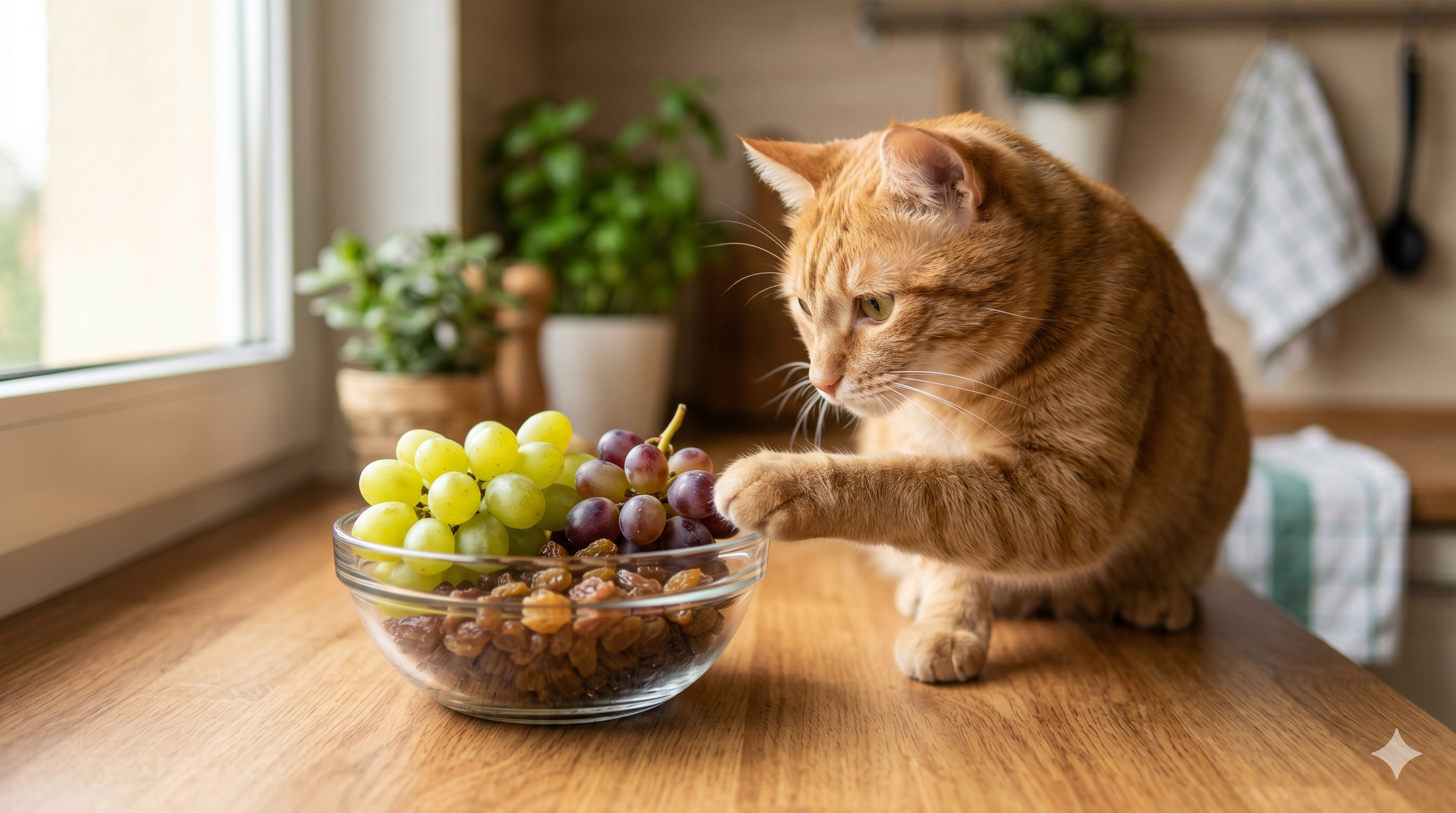
A: Beyond the 8 foods listed here, grapes and raisins have also been shown to be toxic to cats and can cause kidney damage. Processed foods high in sodium, fatty meat trimmings, and bone fragments should also be avoided. As a general rule, any human food that isn’t made specifically for pets should be verified as safe before feeding — or simply ask your vet.
Fluv special offers — limited-time deals for devoted pet lovers
#Want the most reassuring in-home care experience for your pet?
🎁 New users — enter promo code
#UNEW95
Book now and enjoy 5% off your first booking!
👉 Looking for a caring, professional pet sitter for your pet?

Fluv founder Candace Chen
Forbes 30 Under 30 Asia | 2024 Tatler Gen.T Leaders of Tomorrow
As the founder of Fluv, Candace has combined exceptional business vision with strong execution to build the brand into the largest and most trusted pet care platform in Taiwan.
- World-class recognition: Named to the Forbes 30 Under 30 Asia list and selected as a 2024 Tatler Gen.T Leader of Tomorrow.
- Backed by major investors: Successfully secured investment from Twitch co-founder Kevin Lin and influential venture capital firm SIC.
- Market leader: Has grown Fluv to a community of over 7,000 vetted professional sitters, trusted by 140,000 members.
Further reading:
Cat food ingredients decoded: harmful ingredients to avoid and how to choose the right food
What to do if your cat eats something toxic — food safety tips to keep your cat out of danger
Views: 1236
 English
  Chinese