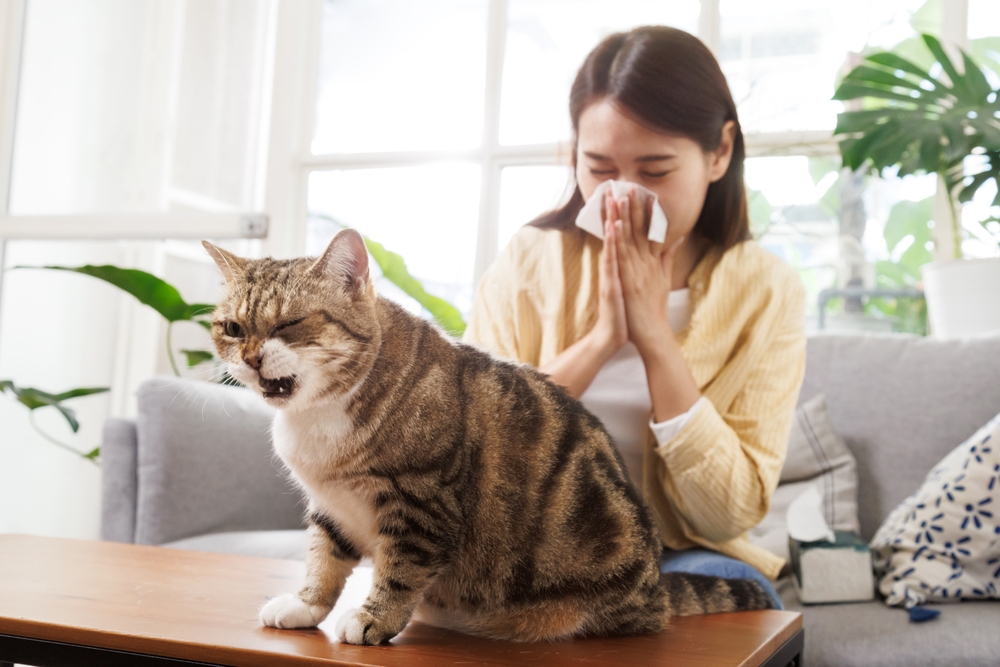
When humans can’t stop sneezing, it’s often a sign that a cold is coming on — but what about when your cat sneezes frequently? Does that mean your cat is getting sick too? Should you take your cat to the vet? And how can you tell whether your cat’s sneezing is a sign of illness?
Cat sneezing isn’t always caused by a cold — it can also be triggered by oral infections or allergies. In this article, we’ll break down the causes of cat sneezing, how to prevent it, and when it’s time to see a vet. Let’s dive in!
What causes cats to sneeze? 5 common reasons at a glance
Cats sneeze for a variety of reasons — not just because of respiratory irritation or infection. Here are 5 of the most common causes:
Cause 1: Foreign particle irritation
When air quality is poor or during seasonal changes and shedding season, the air tends to carry dust, fine particles, and loose fur. When these particles enter a cat’s nasal passage, they can irritate the respiratory tract, causing your cat to sneeze as a way to expel them.
Cause 2: Allergies
While cats are less prone to allergies than humans, some cats can react to pollen, perfume, scented products, cleaning agents, or other substances — triggering allergy symptoms including sneezing.
Cause 3: Changes in temperature or humidity
Cats with more sensitive constitutions or weaker immune systems may start sneezing or developing a runny nose during seasonal transitions or when there are significant day-to-night swings in temperature and humidity.
Cause 4: A cold or rhinitis
When a cat’s upper respiratory tract or nasal cavity becomes infected by a virus or bacteria, it can lead to coughing, a runny nose, and sneezing. Common culprits include feline herpesvirus, feline calicivirus, and Chlamydia felis.
Cause 5: Oral infection
Because a cat’s mouth and nose are in such close proximity, an infection in the tooth root or gums can affect nasal health as well — leading to sneezing and a runny nose.
Should you take your cat to the vet for constant sneezing? Watch for these 5 warning signs
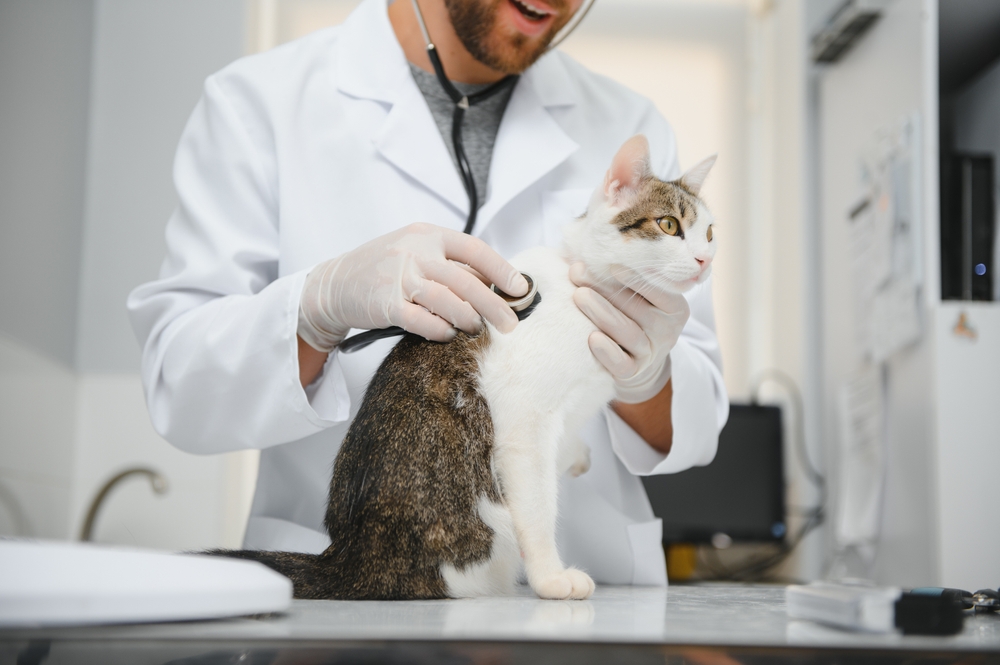
To figure out whether your cat’s sneezing is a sign of illness, pay attention to two things: how your cat behaves after sneezing, and how often it happens. If your cat sneezes and then goes right back to acting completely normal with no other unusual symptoms, it’s likely just a natural reflex to clear the airway.
However, if the sneezing is frequent, goes on for a long time, or is accompanied by other symptoms like lethargy or poor appetite, you should take your cat to the vet promptly to avoid missing the best window for treatment. Here are 5 warning signs that mean it’s time to see a vet:
- Sneezing very frequently, with repeated episodes over an extended period
- Lethargy or loss of appetite
- Accompanied by a runny nose, watery eyes, or other discharge
- Nasal discharge or other secretions turning yellow or green
- Signs of oral issues such as swollen gums, bad breath, ulcers, or inflammation
How to prevent cat sneezing? 4 ways to create a healthier environment
Since cat sneezing is most often triggered by external irritants, the best way to prevent it is to provide your cat with a clean and safe living environment. Here are 4 practical tips:
Prevention tip 1: Keep the environment clean
Make regular cleaning and vacuuming a habit. Beyond the general living space, clean your cat’s food and water bowls, litter box, and cat tree on a regular schedule. Using a dehumidifier and air purifier can also help maintain comfortable humidity levels and reduce airborne dust, fine particles, pollen, and loose fur.
Prevention tip 2: Schedule regular health check-ups
Prevention is better than cure. To reduce the risk of your cat’s sneezing developing into more serious conditions, it’s a good idea to take your cat for regular check-ups and keep their vaccinations up to date — lowering the chances of infection.
Prevention tip 3: Maintain a stable routine and environment
Cats are very sensitive to change. Try to keep their living environment as consistent as possible — avoid frequently moving them to new spaces or suddenly introducing strongly scented products or harsh cleaning agents. Too much environmental change can stress cats out and cause unusual physical reactions. Spending more time playing with your cat regularly can also help relieve stress and keep them both physically and mentally healthier!
Prevention tip 4: Encourage a balanced diet
Good eating habits help boost your cat’s immune system. Based on your cat’s individual health needs, provide a balanced diet and plenty of fresh water. The stronger the immune system and the healthier the respiratory tract, the less likely your cat is to get sick!
Is it normal for a cat to sneeze but seem fine? Common questions about cat sneezing
Every cat responds differently after a sneeze. Some cats seem perfectly normal afterward with no issues at all, while others may show signs like increased discharge or reduced appetite. It’s best to assess the situation based on your cat’s overall condition when deciding whether a vet visit or isolation is needed. Here are 3 frequently asked questions about cat sneezing.
Q1: Can sneezing make cats’ eyes water?
When sneezing is accompanied by watery eyes, it’s usually a warning sign of an upper respiratory infection — with feline herpesvirus being the most common culprit. Feline herpesvirus typically affects both the nasal passages and the eyes, causing more frequent sneezing and increased eye discharge. If the symptoms persist or worsen, it’s best to see a vet as soon as possible.
Q2: What are the most common viruses that cause cats to sneeze?
There are 3 common pathogens that frequently cause sneezing in cats:
- Feline herpesvirus (FHV-1): Often causes upper respiratory infection symptoms and is highly contagious, typically spreading through droplets or direct contact.
- Feline calicivirus (FCV): Usually causes oral-related diseases; the virus can survive in the environment for up to a month and is typically transmitted through contaminated surfaces or objects.
- Chlamydia felis: Usually transmitted through eye discharge from infected cats, and there is a possibility of transmission from cats to humans.
Q3: Is it normal for a cat to sneeze but act fine? Does a sneezing cat need to be isolated?
If your cat sneezes but seems alert and shows no other symptoms, it’s generally a normal physical response and no special isolation is needed. However, if the sneezing is caused by a virus or bacteria, the pathogen can spread through bodily fluids and secretions — and since cats love to groom each other and share food, it’s best to isolate the affected cat from other cats to reduce the risk of spreading infection and cross-contamination.
Subscribe to the Fluv newsletter and get expert tips for your sneezing cat!
The occasional sneeze is a perfectly normal thing for cats to do — but if sneezing becomes frequent or is accompanied by other unusual symptoms, it could be a warning sign that something isn’t right. Fluv‘s pet newsletter is designed especially for cat and dog parents, delivering regular updates on feline health — from observing your cat’s behavior and emotions to preventing common illnesses and caring for them day to day. We’re here to help you stay on top of your cat’s health so you never have to worry alone!
Further reading:
The complete guide to giving cats medicine | 3 methods that make pill time less of a battle
🐾 Fluv special offers | Limited-time deals for devoted pet parents
#Your pet is family — they deserve the gentlest care!
🎁 Valid on all services
💟 New customers only: enter promo code【#HOME300】for $300 off (minimum spend $400)
👉 Looking for a caring, professional pet sitter for your fur baby?
Download the Fluv app now: fluv.com
Enjoyed this article? Share it with a fellow pet lover!
🐕 For more practical tips and care advice, follow us:
Facebook: @fluv.pet
Fluv on Instagram: @fluv.pet
YouTube: @fluv_tw
Fluv website: www.fluv.com
Views: 5307
Fluv special offers | Limited-time deals for devoted pet parents
#Give your pet the best — and that means what’s right for them
If you’d like to give your pet a more personalized, home-like care experience, why not try Fluv’s in-home pet sitter service?
🎁 New customers: enter promo code
#UNEW95
Book now and enjoy 5% off!
👉 Looking for a caring, professional pet sitter for your fur baby?
Views: 7070
 English
  Chinese