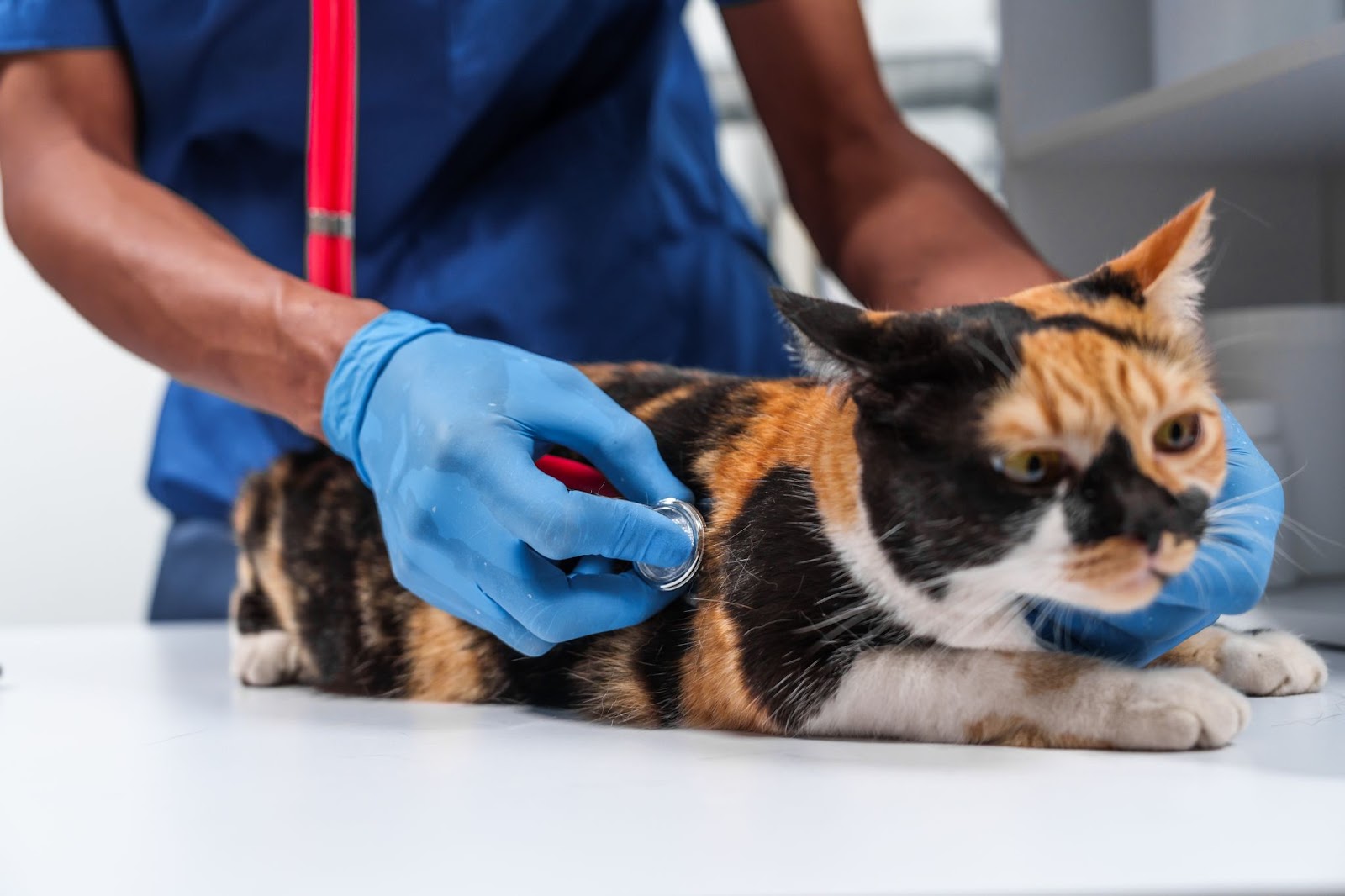
When a vet tells you your cat has feline AIDS, it’s natural to feel scared, confused, or completely at a loss. But feline AIDS is not a death sentence. With a clear understanding of how it spreads, what symptoms to watch for, and how to provide proper care, many FIV-positive cats go on to live healthy, happy lives by your side for years to come. This article will walk you through what feline AIDS is, how to care for an FIV-positive cat, and address common questions and misconceptions — so you can give your cat the same quality of life as any other.
What is feline AIDS? Is it contagious? Can it be fatal?
Feline Immunodeficiency Virus (FIV) is a chronic virus that attacks a cat’s immune system. It belongs to the retrovirus family and is structurally similar to HIV in humans — but it only infects cats and cannot be transmitted to humans or other pets.
FIV embeds itself in the cat’s immune T cells, causing them to die off and the immune system to weaken, eventually leading to Acquired Immunodeficiency Syndrome (AIDS) — hence the name feline AIDS. Unlike the human equivalent, feline AIDS progresses slowly, and many infected cats show no obvious symptoms for years, or even for their entire lives.
Are FIV symptoms hard to spot? The 3 stages of FIV and 7 health checks to watch for
Many cats infected with FIV show no obvious symptoms in the early stages — sometimes for years — which makes it easy for owners to overlook potential health issues. FIV typically progresses through 3 stages, but with regular health monitoring habits, early warning signs can be caught sooner.
The 3 stages of FIV:
- Acute phase (early stage): Some cats may develop fever, swollen lymph nodes, diarrhea, lethargy, weight loss, and reduced appetite or energy. However, these symptoms are often mild or short-lived, making them easy to miss.
- Asymptomatic phase (latent stage): The cat appears healthy on the outside, but the virus has already taken hold and is quietly weakening the immune system. This phase can last months, years, or even a lifetime — and without routine testing, it’s nearly impossible to detect.
- Clinical phase: As the immune system becomes significantly compromised, symptoms emerge — including chronic mouth inflammation, gingivitis, recurring infections, anemia, weight loss, persistent fever, and respiratory infections.
7 everyday health checks for FIV-positive cats:
- Monitor energy and behavior: Watch for signs of lethargy, reluctance to move, hiding, or unusual quietness.
- Track appetite and weight: Keep an eye on eating habits and look out for noticeable weight loss, especially over a short period.
- Check the mouth regularly: Gently open your cat’s mouth and look for red or swollen gums, ulcers, or bad breath.
- Inspect the skin and coat: Look for unusual redness, wounds, or a coat that’s become dull or rough to the touch.
- Watch bathroom habits: Note any changes such as diarrhea, constipation, bloody urine, or frequent urination.
- Look out for persistent fever or respiratory symptoms: Ongoing fever, runny nose, sneezing, or coughing are all worth taking seriously.
Schedule regular vet check-ups and blood tests: A veterinary health check every six months is recommended, with blood screening as needed to catch any underlying issues early.
How is FIV transmitted? The 4 main routes of transmission
The ways FIV spreads often cause confusion for cat owners — what situations actually put a cat at risk, and what situations don’t need much worry? Here’s a quick breakdown of the 4 main transmission routes to help you understand how to prevent it.
- Bite wounds and wound contact: The most common route. When cats fight, an infected cat can transmit the virus through saliva or blood via a bite wound.
- Blood contact: Blood transfusions or shared needles that haven’t been screened can also lead to transmission.
- Mother-to-kitten transmission: An infected mother cat can pass the virus to her kittens through the placenta or nursing, though the likelihood is relatively low.
- Mating: Transmission can occur through fluid exchange during mating, but the risk is not high.
It’s worth noting that everyday contact — grooming each other, sharing food bowls or litter boxes, nose-touching, sneezing — poses almost no risk of transmitting FIV. The virus primarily circulates among cats and cannot infect humans or other pets, so owners can care for FIV-positive cats with peace of mind.
Can feline AIDS be cured? 4 treatment approaches for FIV
Unfortunately, there is currently no cure for FIV. That said, there’s no need to despair — with the right treatment approach, most cats can maintain a good quality of life and even coexist peacefully with the virus for the rest of their lives.
- Supportive care: Boosting nutrition, strengthening the immune system, and managing secondary infections.
- Antiviral medications: Drugs such as interferon can slow the progression of the virus, though their effects are limited and cannot fully eliminate it.
- Symptomatic treatment: Addressing specific issues such as oral ulcers, chronic illness, and infections as they arise.
- Regular health check-ups: Monitoring the cat’s immune status and addressing health concerns before they escalate.
In summary, with these 4 treatment approaches, most FIV-positive cats can live alongside the virus. With attentive care from their owner, an FIV-positive cat can still enjoy a healthy and happy life.
How to care for an FIV-positive cat and prevent spreading to other cats: 6 key tips
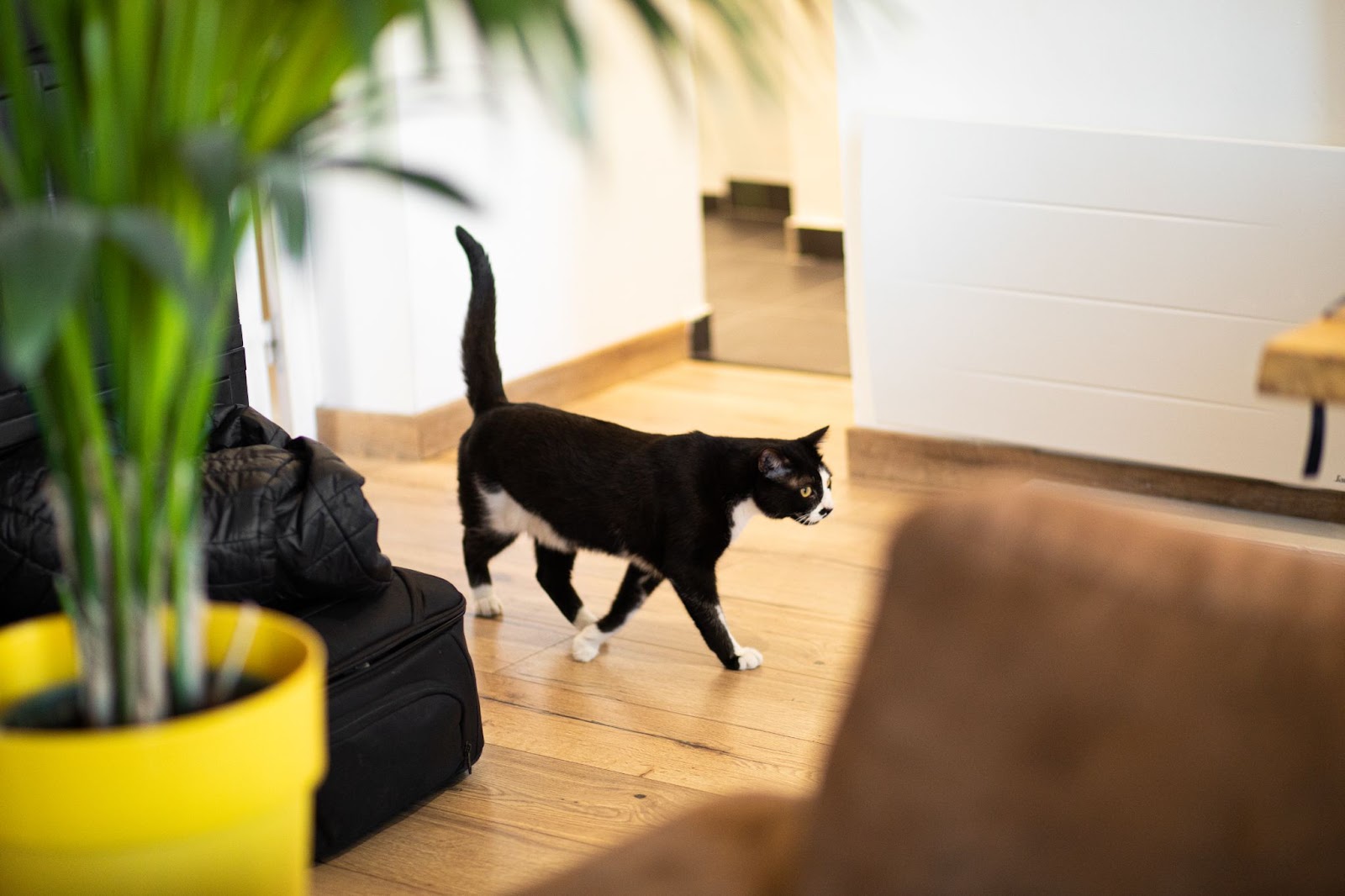
How can you care for an FIV-positive cat without putting other cats in your home at risk? This is one of the most pressing questions for owners in multi-cat households. Here are 6 key care tips to help you feel confident supporting your FIV-positive cat while keeping your other cats safe.
1. Keep them indoors and avoid outdoor access
FIV-positive cats should live strictly indoors. Keeping them inside significantly reduces their chances of encountering other cats, getting into fights, and sustaining wounds — all of which lower the risk of the virus spreading.
2. House them separately or partition their living space
If you have other healthy cats at home, it’s best to keep your FIV-positive cat in a separate area — especially for feeding, sleeping, and using the litter box — to prevent accidental scratches or bites that could transmit the virus.
3. Use separate daily items
Although the risk of transmission through shared items is low, it’s still a good idea to give your FIV-positive cat their own food bowl, water bowl, and litter box — and to disinfect these items regularly.
4. Clean the environment regularly
FIV cannot survive long on surfaces, but for added peace of mind, regularly disinfect your home with a disinfectant solution or diluted bleach — especially in areas where your FIV-positive cat spends most of their time.
5. Provide a balanced diet and avoid raw food
Since FIV-positive cats have weaker immune systems, feed them high-quality, nutritionally balanced food and avoid raw feeding, which can expose them to bacteria or parasites. A good diet also helps maintain their overall strength and wellbeing.
6. Spay/neuter and schedule regular check-ups
Getting your FIV-positive cat spayed or neutered reduces roaming urges and aggressive behavior, which in turn lowers transmission risk. Pairing this with a vet check-up every six months helps catch health issues early and ensures timely medical care.
Fluv is here to help you care for your FIV-positive cat and keep them living their best life!
FIV-positive cats do need a little extra attention, but with the right knowledge and loving care, they can enjoy every day to the fullest. For more tips on caring for an FIV-positive cat, check out the Fluv app, where you can quickly find experienced pet sitters who can visit your home to help care for your FIV-positive cat — whether that’s monitoring their health, daily feeding, or making sure they stay hydrated. Leave it all in the hands of a trusted professional, and let your cat receive gentle, expert care in the comfort of their own home!
Fluv is Taiwan’s largest pet sitter matching platform, with thousands of caring and experienced cat and dog sitters ready to help — from dog walking and in-home feeding to personalized pet care. Follow Fluv today and let us help your pet live a safe and happy life all the way through their golden years!
Fluv special offers | Limited-time deals for dedicated pet owners
#Give your pet the best — and the most fitting
If you’re looking for a more personalized, home-like care experience for your pet, why not try Fluv’s in-home pet sitter service?
🎁 New users: enter promo code
#UNEW95
Book now and enjoy 5% off your first service!
👉 Ready to find the perfect pet sitter for your fur baby?
Views: 4037
 English
  Chinese