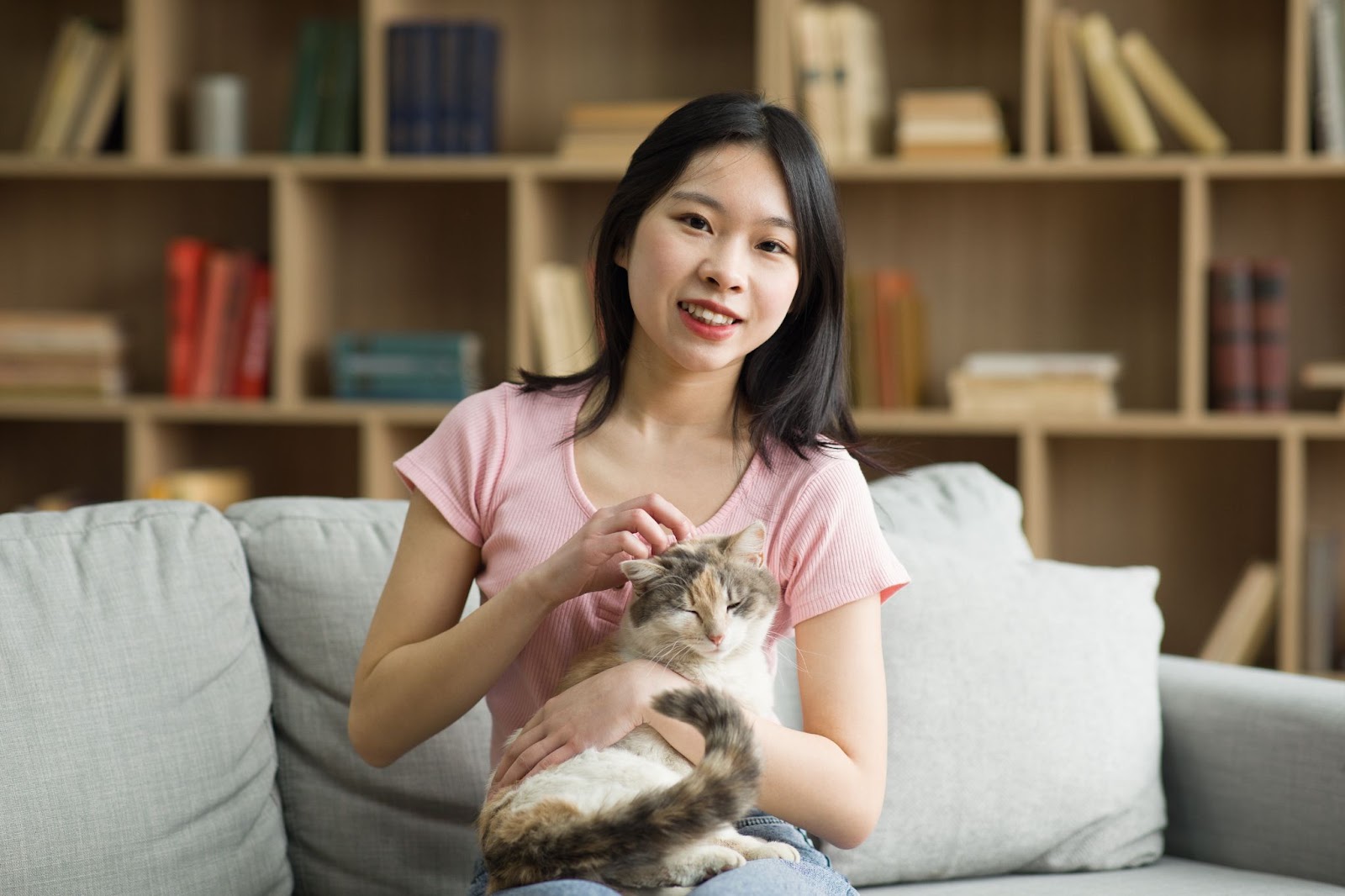
Cat purring is something every cat lover knows well — and finds deeply comforting. When you spend time with your cat, you’ve probably heard that steady, low rumble, and when it gets especially loud, it fills you with pure joy. But does purring really just mean your cat is happy? Could there be deeper meanings behind it? And do all felines purr? In this article, we’ll take a closer look at the many meanings of cat purring, explore the science behind feline purrs, and uncover the adorable secrets hiding in that little rumble!
What does cat purring mean? 5 meanings beyond just being happy
In the everyday moments we share with our cats, purring is often the gentlest form of company. There’s actually a lot more going on behind a purr than simple happiness. Here are 5 meanings hiding in your cat’s purr.
1. Relaxation and contentment
Cats are most likely to purr when they feel safe, relaxed, and satisfied. Whether curled up in your lap, being stroked, getting groomed, or napping somewhere cozy, they’ll often produce a steady, moderate purr. This is a sign of trust and affection — and it’s the most common context for cat purring.
2. Communicating needs
Cats don’t just purr when they’re happy — they also use purring to communicate what they want. When a cat is hungry, craving company, or trying to get your attention, the purr tends to get louder and more urgent. Think of it as a kind of “please notice me” signal. Research has even found that cats can embed a cry-like frequency into their purr — one that taps into our natural caregiving instincts.
3. Mother-kitten communication
Newborn kittens can’t see or hear well, but they’re highly sensitive to vibration. Mother cats purr to soothe their kittens and signal that they’re nearby — the low-frequency vibration helps kittens locate their mother and feel secure. Kittens learn to purr within their first few days of life, and carry that ability into adulthood.
4. Self-soothing and stress relief
Many people assume purring always means happiness, but cats also purr when they’re anxious, scared, stressed, or unwell. It’s a self-calming mechanism that helps stabilize their emotions and ease anxiety.
5. Physical healing and health maintenance
Cat purring sits in the frequency range of 20–140 Hz, which has been shown to promote bone density, stabilize blood pressure, and support heart rhythm. For cats themselves, purring acts as a natural “self-healing” mechanism that helps keep their bodies in better overall health.
Why is my cat’s purr so loud? 4 reasons explained
Some cats purr at a volume that could rival a motorbike engine — loud enough to fill an entire room. So what’s behind those extra-loud purrs? Let’s find out.
1. Individual differences
Some cats are simply born with more developed vocal cord structures or stronger laryngeal muscles, making their purrs naturally louder. These individual differences are tied to genetics, body size, lung capacity, age, and other physical factors. Kittens, for instance, have faster metabolisms and higher breathing rates — which sometimes makes their purrs even louder than an adult cat’s.
2. Intense emotions
When a cat is especially excited or feeling an extra strong sense of satisfaction and security, the purr volume goes up. Favorite foods, beloved toys, or extra-attentive cuddles from you can all prompt a noticeably louder purr.
3. Physical development and temporary changes
In certain developmental stages, kittens’ chest and laryngeal tissues haven’t fully matured yet, which can create stronger resonance and result in a particularly loud purr. As they grow, many cats’ purr volume tends to settle down.
4. A health warning sign
If your cat’s purr suddenly becomes much louder and is accompanied by difficulty breathing, coughing, a runny nose, or other unusual symptoms, it could be a sign of a respiratory infection, nasal congestion, or another health issue. See a vet promptly — a professional can help distinguish a genuine purr from a sound caused by airway obstruction.
Do all felines purr? A look at the science behind feline purring
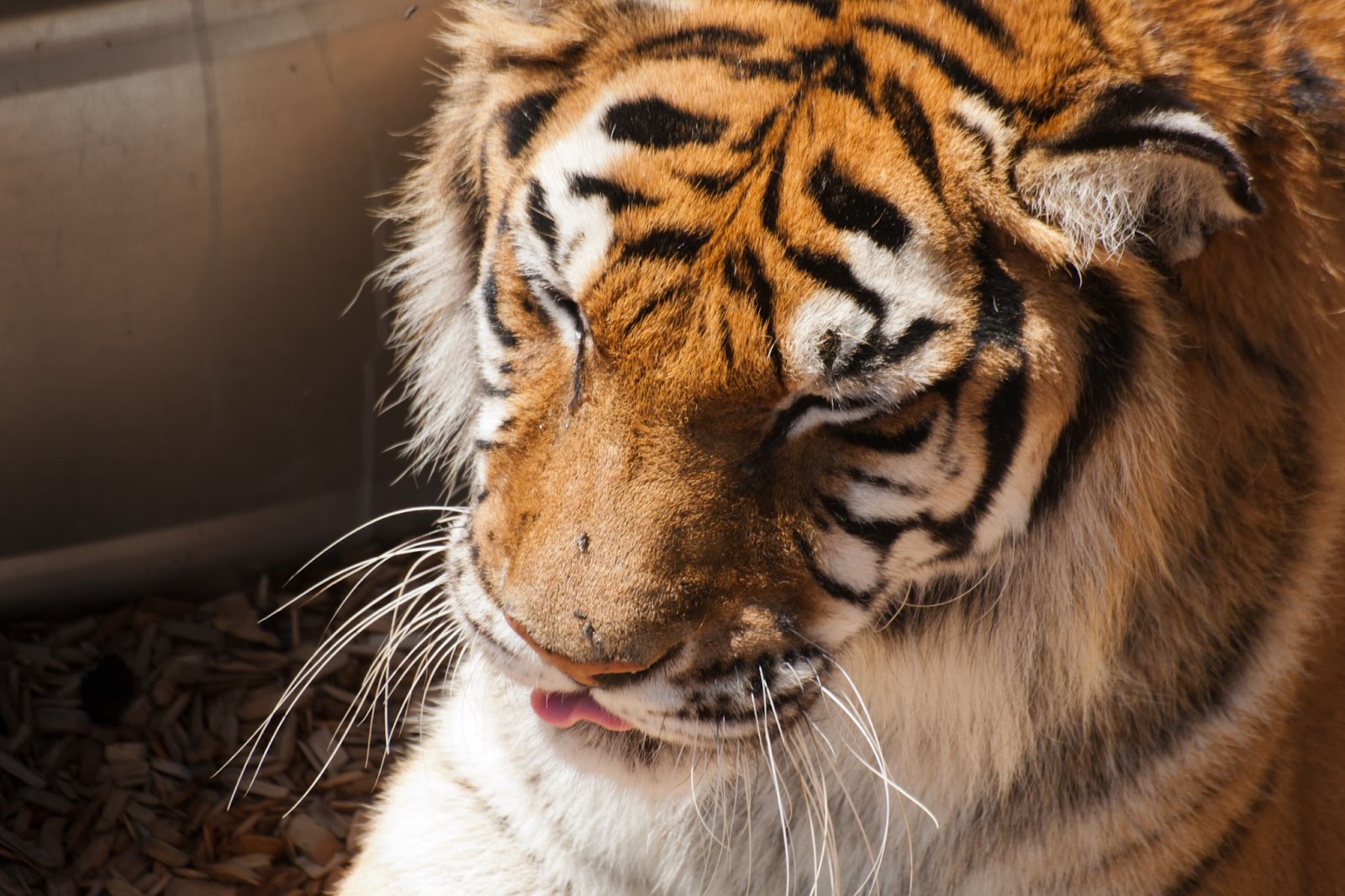
The sound of a cat purring is endlessly soothing — but have you ever wondered whether all felines can do it?
Beyond domestic cats, some small to medium-sized wild felids can also purr — cheetahs, bobcats, and lynxes, for example. The sound is produced by the rapid contraction and relaxation of their laryngeal muscles, which causes the vocal cords to vibrate continuously at a low frequency.
Large felines like lions and tigers, however, have a stiffer hyoid bone structure, which means they can’t sustain a long, continuous purr the way a house cat can. At most, they produce short, low-frequency sounds more like a cough or a rumbling engine.
Interestingly, it’s not just felids that purr — some distantly related animals such as civets, mongooses, and even hyenas, raccoons, and guinea pigs can produce similar sounds. Their vocalization mechanisms are slightly different from cats, though, relying on different anatomical structures and processes.
Let Fluv help you decode what your cat’s purring is really saying!
Cat purring is so much more than a sign of happiness — it’s how cats communicate with the world, express their needs, comfort themselves, and even maintain their health. When your cat’s purr seems extra loud, take a moment to observe their behavior and physical state, and try to read the emotion and message behind each rumble. As a pet owner, truly listening and being present is the key to understanding your cat’s inner world and cherishing every moment you share together.
But if life gets busy and you don’t always have time to give your cat the attention they deserve, consider using the Fluv app to book an in-home pet sitter. Fluv can take loving care of your cat while you’re tied up, carefully noting purring patterns and behavioral changes, and reporting back on your cat’s health and mood in real time. With professional support, even when you can’t be there, your cat still gets the warmth and care they need.
Fluv is Taiwan’s largest pet sitter matching platform, with thousands of caring, experienced sitters for cats and dogs. Whether it’s dog walking, in-home feeding, or personalized care, we’re always here to help share the joy of caring for your furry family. Follow Fluv today and let’s build a happy, lifelong home for your pets together!
Fluv special offers | Limited-time deals for devoted pet owners
#Give your pet the best — and the most fitting
If you’d love to give your pet a more personalized, home-like care experience, why not try Fluv’s in-home pet sitter service?
🎁 New users: enter promo code
#UNEW95
Book now and enjoy 5% off your first service!
👉 Ready to find the perfect pet sitter for your furry friend?
Views: 4322
 English
  Chinese