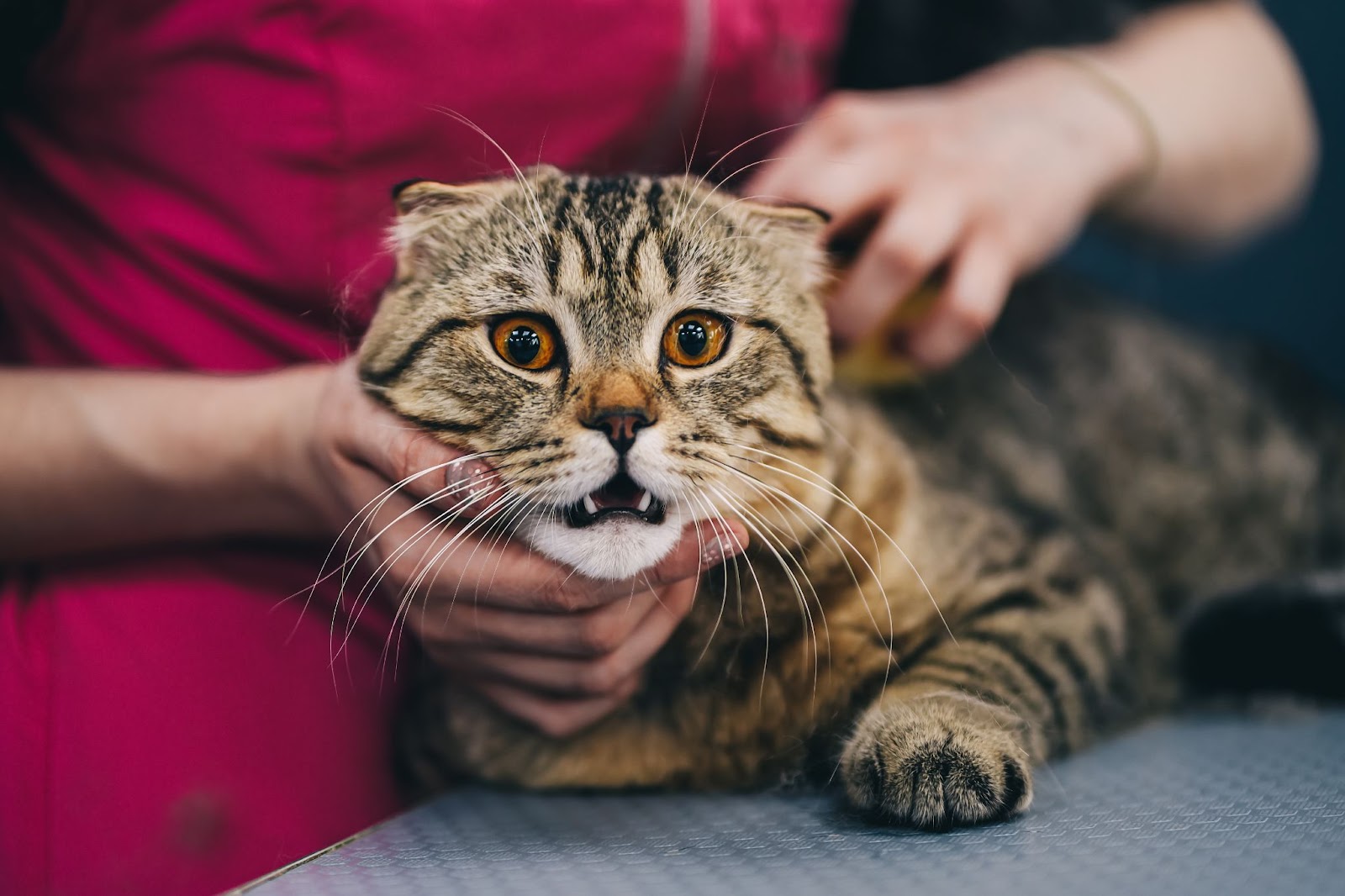
We often assume cats don’t get cavities easily, so we overlook cleaning their teeth after meals — but that oversight can lead to plaque buildup and, eventually, dental tartar! Not only does tartar cause bad breath, it can also trigger gingivitis, mouth sores, and even difficulty eating, seriously affecting your cat’s health and quality of life.
If you want your cat to have healthy, clean teeth and stay free from tartar, it all starts with daily cleaning and prevention. In this article, Fluv walks you through everything you need to know: what causes cat dental tartar, the symptoms to watch for, treatment options, and 4 key prevention tips — plus how an in-home cat sitter can help you protect your cat’s oral health even on your busiest days.
How does cat dental tartar form? A quick breakdown
A cat’s mouth and saliva are slightly alkaline, which does make them less prone to cavities — but if your cat’s teeth aren’t cleaned after meals, that alkaline environment actually makes plaque buildup more likely, and plaque can eventually harden into tartar. So how exactly does this happen? Here’s a step-by-step look at the causes and process:
After eating, food debris turns into plaque
When food particles aren’t removed by brushing, they sit on the tooth surface along with your cat’s saliva and naturally occurring oral bacteria, forming a film called plaque. Plaque is nearly invisible to the naked eye, but at this stage it’s still soft enough to brush away easily.
Plaque gradually hardens into tartar
If plaque is left uncleaned, it combines with the minerals in your cat’s saliva and — thanks to that slightly alkaline oral environment — can harden into tartar (mainly calcium phosphate) within just a few days. You’ll start to see yellowish-brown hard deposits forming where the teeth meet the gumline. Worse still, tartar creates an even rougher surface that plaque clings to more easily, so the buildup just keeps getting bigger and more severe over time.
What are the symptoms of cat dental tartar — and what health problems can it cause?
Once plaque has built up enough to become tartar, it becomes difficult to remove at home and can cause a range of symptoms and health issues for your cat. Here’s a closer look at what tartar does to your cat’s wellbeing:
Symptom 1: Bad breath
Tartar is made up of food debris, oral bacteria, and saliva — so on top of the natural smell of cat saliva, it also carries the odor of decaying food residue. As these smells layer on top of each other, your cat’s breath becomes noticeably unpleasant, especially when they yawn or open their mouth wide.
Symptom 2: Gum inflammation that can progress to periodontal disease
As tartar continues to build up and thicken, it puts pressure on the gums, damages the surrounding tissue, and causes inflammation. This can lead to a number of issues:
- Red, swollen gums: Tartar irritates and inflames the gum tissue, causing visible redness and swelling.
- Excessive drooling with traces of blood: Mouth discomfort causes your cat to drool more frequently, and because the gums are irritated or wounded, there may be blood in the saliva.
- Loose teeth: As tartar presses on the gums and the surrounding tissue deteriorates, teeth can become loose and may eventually fall out.
- Frequent face-scratching: The dull, persistent ache from tartar and gum inflammation may cause your cat to repeatedly paw at their face or around their mouth for relief.
Beyond these painful symptoms, ongoing tartar buildup can also cause gum recession and damage other periodontal structures like the periodontal ligament — eventually leading to full periodontal disease that may require tooth extraction.
Symptom 3: Difficulty eating and gradual weight loss
Gum inflammation and periodontal disease caused by tartar can make biting and chewing painful, which affects your cat’s ability to eat normally. Over time, this leads to a reduced appetite, reluctance to eat, gradual weight loss, and potentially even malnutrition.
Symptom 4: Bacterial spread causing chronic systemic inflammation
Tartar and periodontal disease allow harmful bacteria to accumulate in the mouth. Eventually, those bacteria can enter the bloodstream through the oral tissue or existing wounds, spreading to the throat, palate, chest cavity, and heart — causing infection or chronic systemic inflammation that gradually erodes your cat’s overall health.
How to deal with cat dental tartar? 3 cleaning methods recommended by cat sitters
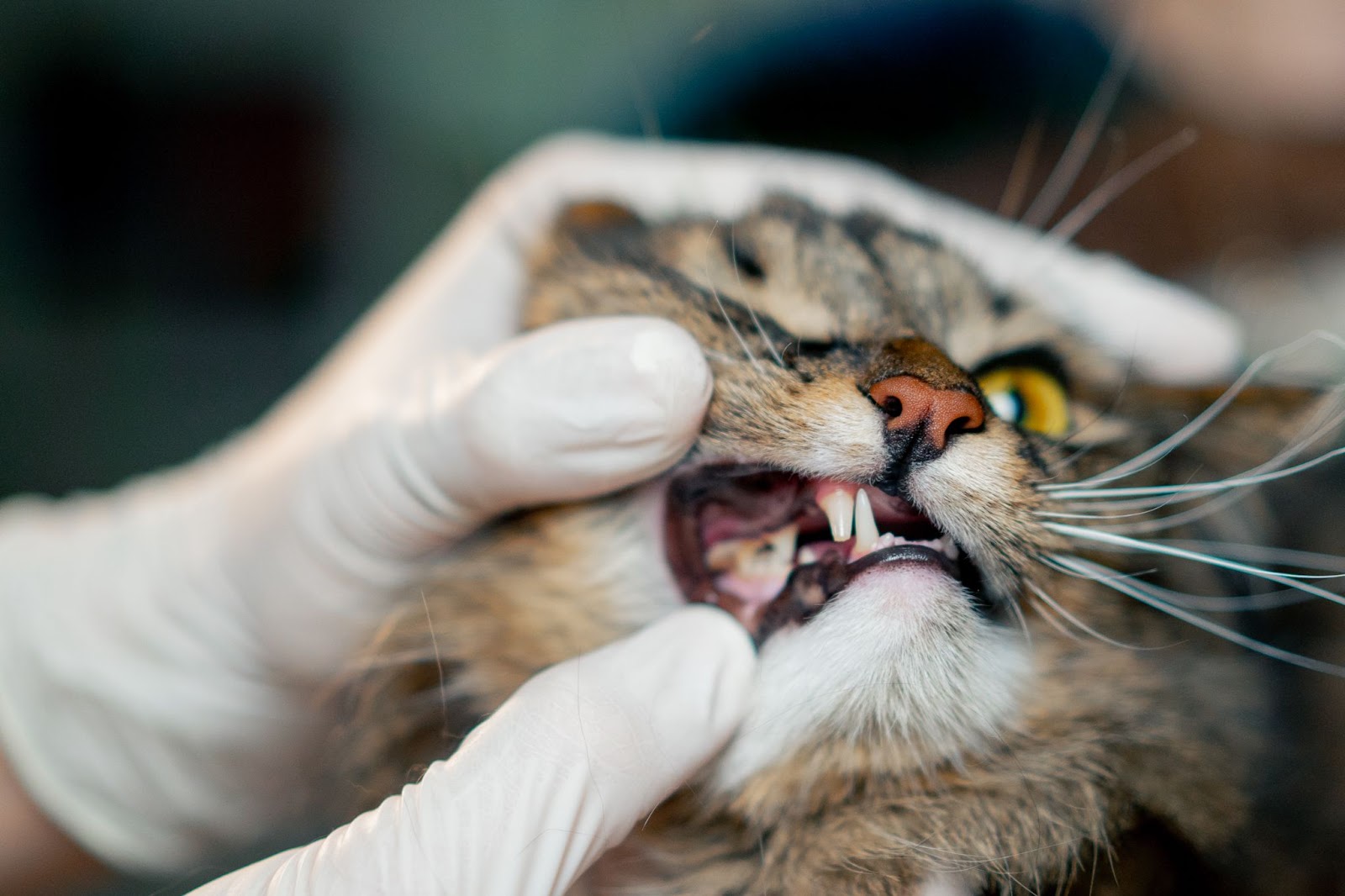
Left untreated, cat dental tartar doesn’t just harm your cat’s teeth and gums — it can lead to systemic illness throughout the body. So as soon as you spot those yellowish-brown hard deposits on your cat’s teeth, it’s time to act. Here are 3 common methods for removing cat dental tartar:
Method 1: Use dedicated dental cleaning products
For milder cases of tartar, you can start with a tartar-softening gel, an enzymatic toothpaste, or a dental powder designed to soften deposits — used together with a toothbrush. This approach can be effective for removing smaller, less severe tartar buildup.
Method 2: Use dental treats and chew toys
Dental treats and chew toys can help your cat grind away smaller tartar deposits through the natural chewing and biting motion, while also clearing away the plaque that leads to tartar in the first place.
Method 3: Get a professional dental cleaning from a vet
For more serious tartar buildup, at-home cleaning products won’t be enough — and you should never try to scrape tartar off with your fingernails, a vibrating tool, or anything similar, as this can seriously damage your cat’s gums and teeth. The truly effective solution for severe tartar is a professional dental cleaning performed by a vet, using specialized tools like scalers and ultrasonic devices to thoroughly examine your cat’s mouth and remove all tartar. After the cleaning, the vet will typically polish the teeth as well to reduce the likelihood of future plaque adhesion.
One professional cleaning is usually enough to clear existing tartar effectively — but to prevent it from coming back and affecting your cat’s health, it’s still recommended to schedule a dental cleaning every 6 to 12 months.
Is cat dental cleaning risky? 2 potential risks to know about
While a professional vet cleaning can thoroughly clear your cat’s teeth and put a stop to tartar-related problems, the procedure does require anesthesia — and both the preparation and the anesthesia itself carry some potential risks:
1. Low blood sugar from extended fasting
Cats need to fast for at least 4 hours before anesthesia to prevent gastroesophageal reflux from burning the esophagus during the procedure. For diabetic cats or young kittens, this extended fast can raise the risk of hypoglycemia, which may cause seizures or loss of consciousness.
In recent years, the veterinary community has broadly agreed to shorten the pre-anesthesia fasting period to just 4–6 hours. For diabetic or frail cats, the fasting window may be even shorter — so there’s no need to keep your cat hungry for an extended time before a dental cleaning or any other procedure requiring anesthesia.
2. Anesthesia-related complications
The most common complication during anesthesia is low blood pressure. In some cases, it can also cause corneal ulcers, vomiting, coughing, or airway obstruction — flat-faced breeds like Persians, Exotic Shorthairs, and Himalayans are at a higher risk of airway issues in particular.
How to prevent cat dental tartar? Start with daily habits — a friendly reminder from your cat sitter
As we’ve seen, the treatments for removing cat dental tartar can carry some risks — so the best approach is to focus on daily care and prevention. With consistent oral hygiene habits, you can effectively stop plaque from taking hold and prevent tartar from forming in the first place. Here are 4 simple practices to protect your cat’s teeth and oral health:
1. Brush their teeth every day
Daily brushing is the single best way to prevent tartar! Make sure to use a toothbrush and toothpaste specially designed for cats, and brush all the teeth carefully — incisors, canines, and molars alike. Pay extra attention to the canine teeth and the areas near the gumline, as these spots are especially prone to plaque accumulation.
If your cat isn’t used to having their teeth brushed, start small — just 15 seconds a day — and gradually help them get comfortable with the sensation of the brush and toothpaste in their mouth before working up to around a minute. Jumping straight into long brushing sessions can stress your cat out, so take it slow at first.
2. Supplement with dental treats, toys, and other cleaning products
If your cat refuses to cooperate with brushing, dental biscuits, chew sticks, dental bones, or chew toys can help with cleaning — as can cat-specific oral rinse drops, which can also help tackle bad breath.
3. Make sure your cat drinks plenty of fresh water
Keeping your cat well-hydrated isn’t just good for preventing constipation and other health issues — drinking water also helps rinse away plaque, food debris, and bacteria from their teeth. To keep your cat’s mouth clean throughout the day, remember to change their water once daily so they always have a fresh supply to drink from.
4. Schedule regular dental checkups
Some oral and dental issues in cats aren’t visible to the naked eye — plaque, for instance, is nearly impossible to spot without professional tools. Make sure to bring your cat in for a thorough veterinary checkup at least once a year to have their teeth and mouth professionally cleaned, and to catch any hidden dental health issues early so they can be treated before they get worse.
Follow Fluv for the latest pet care tips and keep your cat healthy!
Now that you know more about the causes, symptoms, treatment options, and prevention of cat dental tartar, you’re better equipped to protect your cat’s teeth and oral health. If your beloved cat is already showing signs of tartar and needs more attentive, comprehensive care, the pet sitter platform trusted by pet owners everywhere — Fluv — is here for you!
Fluv is dedicated to providing professional in-home cat sitter services, so that even cats who don’t like going out or get easily stressed can receive warm, expert care in the comfort of their own home. Whether it’s help with daily feeding, health monitoring, or basic oral hygiene, our pet sitters are here to take the worry off your plate — so you can step out with total peace of mind.
Fluv also regularly shares the latest cat and dog health tips and care guides to help you feel more confident on your pet parenting journey. Join now — become a Fluv member, follow us for updates, and let’s keep your pet happy and healthy for life!
Fluv exclusive deals — limited-time offers for devoted pet lovers
#Give your pet the best — and the most fitting
If you’d like to give your pet a more personalized, home-like care experience, why not try Fluv’s in-home pet sitter service?
🎁 New users: enter promo code
#UNEW95
Book now and enjoy 5% off your first service!
👉 Ready to find the perfect pet sitter for your furry friend?
Views: 5567
 English
  Chinese