Table of contents
- What is canine vestibular syndrome? Peripheral vs. central vestibular syndrome explained
- What are the symptoms of vestibular neuritis in dogs? 6 signs to watch for
- Why do dogs develop vestibular neuritis? 5 common causes at a glance
- Which dogs are most at risk for vestibular neuritis? 3 types to be aware of
- How is canine vestibular syndrome diagnosed? 3 diagnostic methods explained
- How long does it take for vestibular neuritis to heal? Treatment and care options explained
- Day-to-day care after treatment
- Let Fluv help you care for your dog with vestibular neuritis — you don’t have to face it alone!
- Fluv special offers | Limited-time deals for devoted pet owners
Does your dog often tilt their head to one side when looking at you? While it might look adorable, they’re not just being cute — it could actually be a sign of canine vestibular syndrome. Beyond the head tilt, unsteady walking and difficulty standing are also possible symptoms of vestibular neuritis in dogs. If something about the way your dog moves seems off, it’s worth paying close attention. This article covers everything you need to know about canine vestibular syndrome — from causes and symptoms to treatment options — so you and your furry companion can tackle vestibular neuritis together.
What is canine vestibular syndrome? Peripheral vs. central vestibular syndrome explained
A dog’s vestibular system helps maintain body balance, allowing them to walk normally without losing coordination or stumbling. But if the vestibular system is damaged — due to an ear infection, a brain tumor, or a head injury — a dog may tilt their head to one side and walk as if they’re about to fall over at any moment. This condition is known as “canine vestibular syndrome,” also referred to as vestibular neuritis in dogs.
Because a dog’s vestibular system is divided into two parts — the peripheral vestibular system and the central vestibular system — canine vestibular syndrome is similarly classified as either “peripheral vestibular syndrome” or “central vestibular syndrome.” Here’s a breakdown of the differences between the two:
Peripheral vestibular syndrome
Peripheral vestibular syndrome refers to disease of the inner ear or vestibular nerve (the dog’s eighth cranial nerve). This type of vestibular syndrome is typically caused by ear infections, tumors in the ear canal, or a foreign object in the ear. It also tends to occur spontaneously in older dogs without an identifiable cause.
Symptoms of peripheral vestibular syndrome are often quite noticeable — a pronounced head tilt, staggering gait, and similar signs. Compared to central vestibular syndrome, the peripheral form is generally easier to detect and treat.
Central vestibular syndrome
Central vestibular syndrome involves disease of the brainstem or cerebellum, and can be caused by brain tumors, head trauma, or meningitis. In addition to poor coordination, symptoms may include vertical nystagmus (up-and-down eye movement), dullness or altered consciousness, and limb weakness. Because central vestibular syndrome is often accompanied by multiple neurological abnormalities, the symptoms are more variable and can easily be confused with other conditions, making it the harder-to-diagnose and harder-to-treat form of canine vestibular syndrome.
What are the symptoms of vestibular neuritis in dogs? 6 signs to watch for
When vestibular neuritis affects a dog, what symptoms might appear? If you notice any of the following changes in your dog’s daily movement or behavior, it’s time to pay closer attention:
1. Persistent head tilt
Dogs with vestibular neuritis will frequently tilt their head in a specific direction and won’t naturally correct it. They may also fall or circle toward the side of the tilt. This happens because the vestibular system has a left and right side — in a dog with vestibular neuritis, one side stops receiving nerve signals properly, making it difficult for that side to function. As a result, the dog tilts their head toward the affected side in an attempt to maintain balance.
2. Unsteady, uncoordinated walking
Since the vestibular system governs balance and movement coordination, any dysfunction — whether peripheral or central vestibular syndrome — will cause a dog to walk with a lurching, wobbly gait, looking as though they might topple over at any moment. Over time, dogs may become reluctant to move around at all.
3. Nystagmus (abnormal eye movement)
Dogs with vestibular neuritis may have eyes that move unnaturally — flickering, darting, or rotating rapidly. Vertical nystagmus (up-and-down movement) tends to occur in dogs with central vestibular syndrome, while horizontal nystagmus (side-to-side movement) and rotatory eye movement can occur in both peripheral and central vestibular syndrome.
4. Facial nerve dysfunction
A dog’s facial nerve and sympathetic nerve both pass through the ear. If there’s a tumor or infection in the ear, these nerves can be easily damaged, leading to facial nerve dysfunction, facial paralysis, drooping eyelids, or prolapsed eyelid (cherry eye) in dogs with peripheral vestibular syndrome.
5. Excessive drooling
Vestibular syndrome disrupts a dog’s balance and muscle control, which can cause uncontrolled drooling.
6. Vomiting and loss of appetite
Because vestibular syndrome throws off a dog’s sense of balance, they may feel persistently dizzy, leading to vomiting and a reduced desire to eat.
Why do dogs develop vestibular neuritis? 5 common causes at a glance
Whether it’s peripheral or central vestibular syndrome, the condition can cause significant distress for a dog. So what triggers vestibular neuritis? Peripheral vestibular syndrome is primarily caused by ear-related conditions, while central vestibular neuritis stems from disease in the brainstem or cerebellum. Here are 5 common causes of vestibular neuritis in dogs:
Ear or brain tumors
Tumors in the ear or brain can press on a dog’s vestibular nerve, cerebellum, or brainstem, triggering vestibular neuritis. Surgical removal or radiation therapy is typically needed to help the dog recover.
Meningitis
If a dog develops meningitis due to immune system problems, genetic predisposition, or an external bacterial infection, it can also lead to central vestibular neuritis. This tends to occur more often in small breeds such as Maltese, Chihuahuas, and Miniature Poodles.
Trauma to the ear or head
A severe blow or forceful injury to the ear or head can damage the vestibular nerve, brainstem, or cerebellum, resulting in vestibular neuritis. In some cases, cleaning a dog’s ears too deeply or aggressively can also injure the eardrum.
Toxicity
Certain antibiotics can harm a dog’s ears, while heavy metals and some pesticides can damage the brain. These toxic substances can all put a dog at risk of developing vestibular syndrome.
Idiopathic onset in senior dogs
Dogs aged 9 and older are prone to sudden-onset peripheral vestibular syndrome with no identifiable cause — a condition known as “idiopathic vestibular syndrome.” It typically comes on without warning, often overnight. The silver lining is that this form of vestibular syndrome generally responds well to treatment, and most dogs show significant improvement.
Which dogs are most at risk for vestibular neuritis? 3 types to be aware of
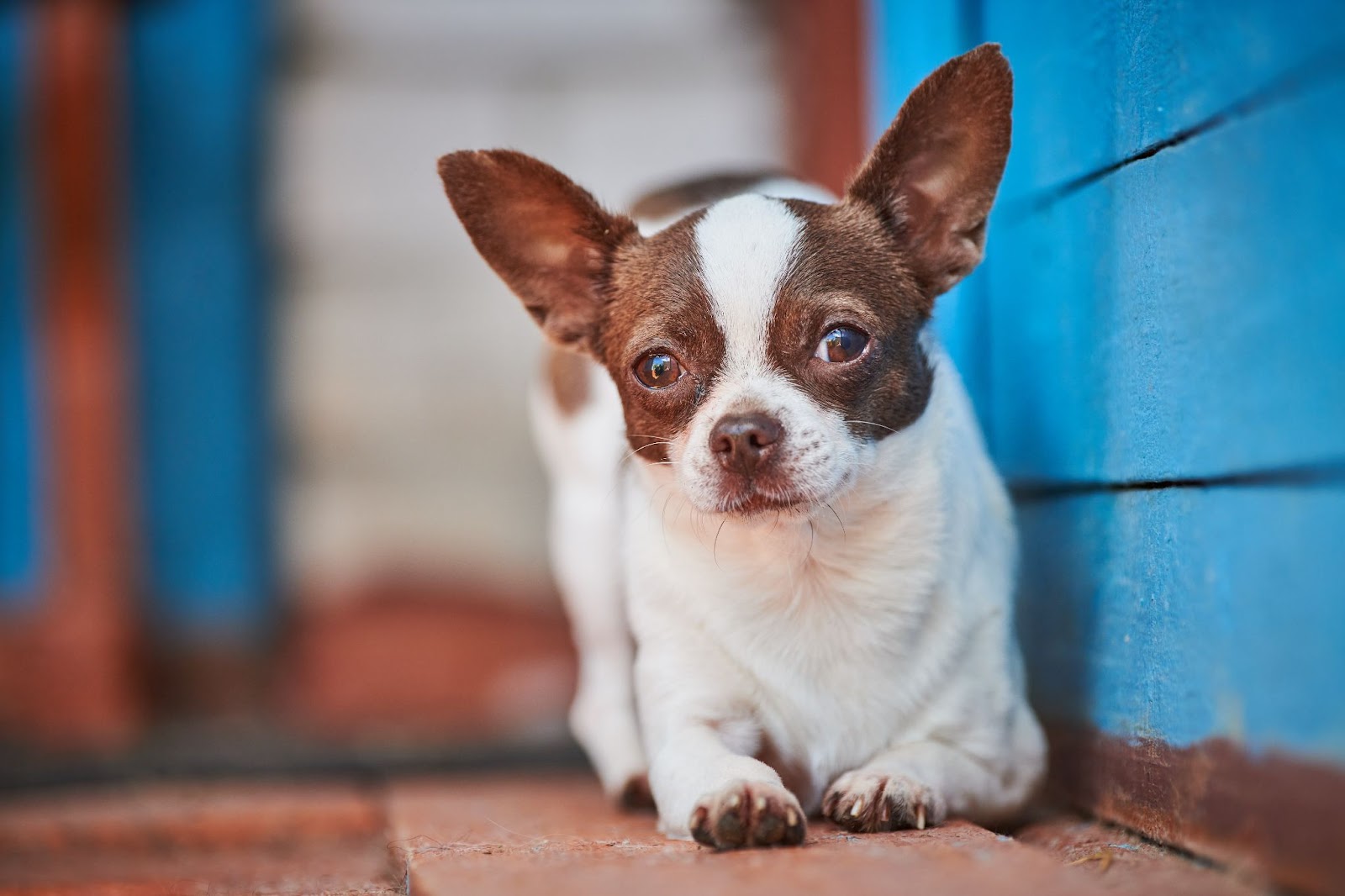
Which breeds or types of dogs are more likely to develop vestibular neuritis? Beyond senior dogs being prone to sudden-onset vestibular syndrome, certain breeds carry a higher risk of congenital vestibular disease or brain-related conditions, and warrant extra attention:
Senior dogs aged 9 and above
Older dogs are susceptible to sudden, unexplained onset of idiopathic vestibular syndrome.
Breeds with congenital vestibular disease
Doberman Pinschers, German Shepherds, Akitas, Beagles, and similar breeds are more prone to congenital vestibular disease. These conditions can often be detected as early as 3 months of age, allowing for early treatment.
Breeds prone to meningitis
Small breeds such as Chihuahuas, Maltese, and Miniature Poodles are more likely to develop meningitis due to immune system issues or genetic predisposition.
How is canine vestibular syndrome diagnosed? 3 diagnostic methods explained
If your dog is showing signs consistent with vestibular syndrome — such as a head tilt, a wobbly gait, or constant drooling — it’s best to visit a nearby animal hospital as soon as possible and have a veterinarian make a proper diagnosis. So how does a vet determine whether a dog has vestibular syndrome, and which type? Here are 3 diagnostic approaches commonly used:
Ear examination
Since the condition of a dog’s ears is closely linked to vestibular nerve health, a vet will typically begin with an initial consultation and physical examination, then take a close look at the ears for signs of injury, tumors, infection, or foreign objects in the ear canal.
Neurological examination
By applying physical stimuli to the dog’s body and observing how it responds, a vet can assess whether the nervous system is functioning normally and identify any areas of concern. A neurological exam can help broadly distinguish between central and peripheral vestibular syndrome, though imaging studies are usually needed as well to rule out misdiagnosis.
Imaging studies
Diagnostic imaging tools such as X-rays, CT scans, and MRI of the brain are used to get a clear picture of the actual condition of the ears and brain, checking whether there are any abnormalities in these areas.
How long does it take for vestibular neuritis to heal? Treatment and care options explained
In general, dogs diagnosed with vestibular neuritis typically begin to improve within a week of receiving proper treatment and gradually return to walking normally — though a slight head tilt may persist. So what’s the best approach to treatment and care to help your dog shake off vestibular syndrome and get back to their happy, energetic self? Here’s an overview of the treatment and care options for canine vestibular neuritis:
Surgical tumor removal
Vestibular neuritis caused by tumors in the ear, cerebellum, or brainstem is treated through radiation therapy, surgical removal, or chemotherapy. Foreign objects in the ear canal are also removed surgically.
Medication
Some cases of vestibular neuritis are caused by toxicity, ear canal infections, or meningitis. For ear infections, a vet will prescribe antibiotics or antifungal medications. In cases of heavy metal or pesticide poisoning, the vet will work to eliminate the toxic substances and may administer an antidote. If the vestibular neuritis is caused by meningitis, treatment typically involves antibiotics and immunosuppressants.
Supportive therapy
Treatment is also targeted at relieving specific symptoms, for example:
- Physical therapy for dogs experiencing unsteady, uncoordinated walking and balance problems.
- Anti-nausea medication for dogs suffering from vomiting.
- Pain relief medication to help ease discomfort caused by vestibular neuritis.
Day-to-day care after treatment
Following veterinary treatment, it’s important to support your dog’s recovery with the following at-home care practices:
- Relocate food, water, and bathroom spots to be as close to your dog as possible, so they don’t have to travel far and risk falling while trying to meet their basic needs.
- Give your dog a wide, flat area to move around in — avoid uneven flooring and keep obstacles out of the way to reduce the risk of bumping into things or falling.
- Avoid startling or raising your voice at your dog; keep the environment calm and stress-free.
- Don’t shake your dog, swing them around, or forcibly pick them up, as this can cause discomfort and distress.
Let Fluv help you care for your dog with vestibular neuritis — you don’t have to face it alone!
After reading through everything above about canine vestibular syndrome, you should now have a much better understanding of this condition and feel more confident about caring for a dog with vestibular neuritis. Supporting a dog through vestibular neuritis takes both professional veterinary care and attentive day-to-day support from their owner — together, these make a real difference in helping a sick dog recover faster and more effectively, getting back to being the happy, bouncy pup they usually are.
If your dog has just completed treatment for vestibular syndrome and is in the recovery phase, you don’t have to manage alone — you can arrange for an in-home pet sitter to come and help! Reach out to Fluv to inquire about professional pet sitters and care services. Fluv can match your dog’s specific needs with tailored, attentive care, helping them recover more quickly in the comfort of a familiar environment. Explore Fluv’s pet sitter services today — or join the Fluv platform as a member and follow Fluv to stay up to date on the latest pet care tips. Let Fluv be your go-to support system for your pet’s health and happiness!
Fluv special offers | Limited-time deals for devoted pet owners
#Give your pet the best — and the right fit
🎁 New members — enter promo code
#UNEW95
Book now and enjoy 5% off your first visit!
👉 Looking for a caring, professional pet sitter for your furry friend?
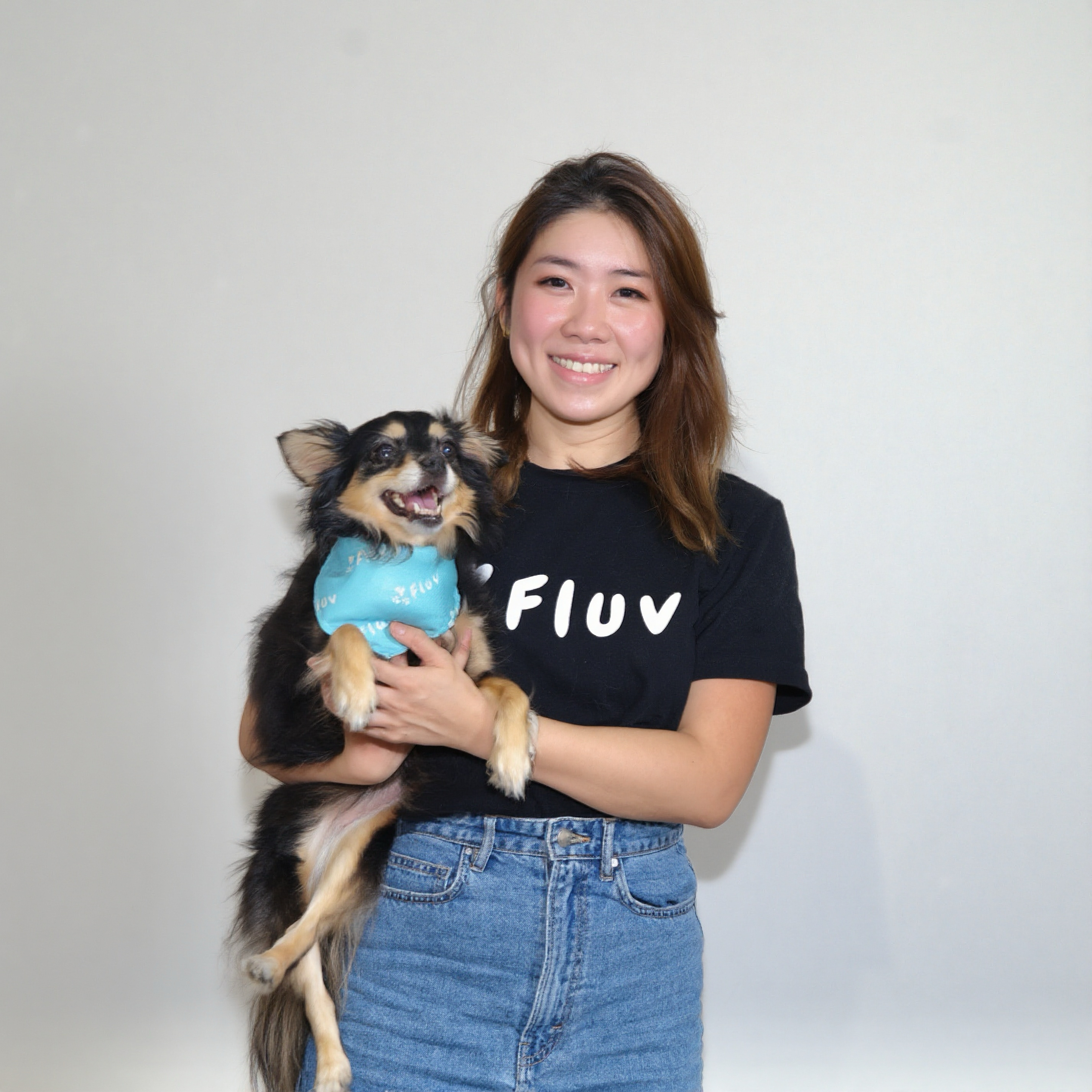 Fluv founder Candace Chen
Forbes 30 Under 30 Asia | 2024 Tatler Gen.T Leaders of Tomorrow
As the founder of Fluv, Candace has combined exceptional business vision with hands-on execution to build the platform into Taiwan’s largest and most trusted pet care service.
- Recognized on world-class lists: Named to the Forbes 30 Under 30 Asia list and selected as a 2024 Tatler Gen.T Leader of Tomorrow.
- Backed by top investors: Successfully secured investment from Twitch co-founder Kevin Lin and influential venture fund SIC.
- Market leader: Fluv now hosts over 7,000 vetted professional sitters and has earned the trust of 140,000 members.
Further reading:
My dog has gastroenteritis — vomiting, diarrhea, and so much worry! A complete guide to prevention and care
What are the signs of a sprained leg in dogs? Causes, prevention, and care tips all in one place
Views: 12666
 English
  Chinese