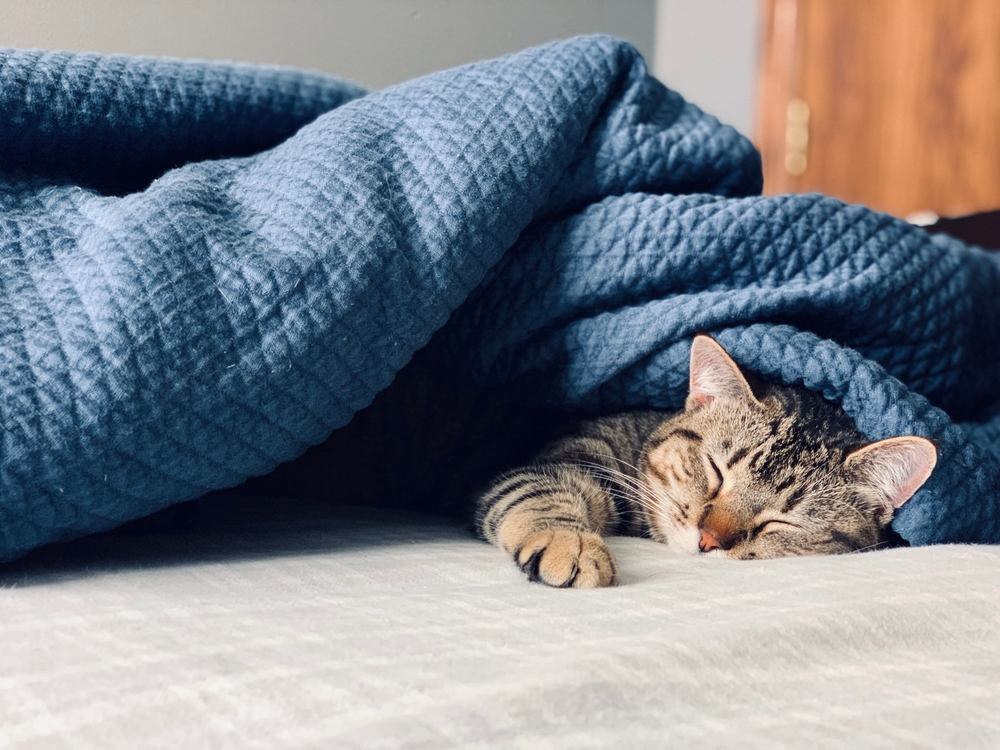
A cat with a cold or fever is something many cat parents may face, but not every owner knows how to provide the right care when their cat gets sick. What are the symptoms of a cat cold? Can a cat recover from a cold or fever on their own? And what should you do as an owner to look after your furry friend when they’re unwell? This article breaks it all down in detail to help cat parents protect their pet’s health with ease!
What are the symptoms of a cat cold? 9 signs your cat might be sick!
Many of the symptoms cats experience when they have a cold are actually quite similar to those in humans. If your cat is showing any of the following 9 signs, they may well have a cold:
1. Sneezing and a runny nose
Just like humans, if your cat starts sneezing, has a runny nose, or even begins coughing, these are typically signs of a cold.
2. Eye and nasal discharge
When a cat has a cold, both the eyes and nose may produce more discharge than usual. This can cause eye redness and swelling, and may even lead to conjunctivitis or respiratory infections. It’s worth keeping a regular eye on the amount of discharge coming from your cat’s eyes and nose to catch any changes early.
3. Loss of appetite
Just as people lose their appetite when they’re sick with a fever, cats with a cold will also eat and drink less than usual — and in some cases may refuse food altogether.
4. A warm, dry nose
A healthy cat’s nose is typically moist and slightly cool. If you notice your cat’s nose feels warm and dry, it could be a sign of a cold or another health issue that warrants closer attention.
5. Lethargy
Humans tend to feel drowsy and low-energy when they have a cold, and the same goes for cats. If you notice your cat sleeping significantly more than usual or being much less active, they may be coming down with something.
6. Fever
An abnormal rise in body temperature is another indicator that your cat may have a cold or even a fever. A healthy cat’s temperature typically falls between 38–39°C. If their temperature stays above 39°C, your cat is likely running a fever and should be taken to the vet promptly to prevent the condition from worsening.
7. Third eyelid showing
The third eyelid, also known as the nictitating membrane, is a thin layer that covers the corner of the eye. Under normal circumstances, it’s not visible unless you deliberately pull back the eyelid. However, if your cat’s third eyelid is visible, it’s a sign that they’re feeling physically weak — likely due to a cold, fever, or another illness. Keeping an eye on your cat’s eyes is a simple way to monitor their wellbeing.
8. Sudden weight changes
Generally speaking, a healthy cat’s weight should not fluctuate by more than 1 kg within a month. If the change exceeds that, it’s a red flag for their health. Weighing your cat regularly is a great habit to help you catch any sudden weight gain or loss early.
9. Changes in personality
Cats can’t tell us in words when they’re feeling unwell, so owners need to observe their behavior for signs of personality changes. Things like becoming unusually quiet, avoiding their owner, or even showing aggression can all be a cat’s way of saying: “I’m not feeling well — I need you to take care of me!”
The culprits behind cat colds — these viruses can make your cat sick
Cat colds are usually caused by viral infections. Here are the 3 most common viruses to be aware of, so you can better protect your cat’s health:
1. Feline chlamydia
Feline chlamydia is a highly contagious pneumonia-causing pathogen that can spread through shared food bowls, toys, clothing, and other objects — and in some cases can even be transmitted to humans.
Infected cats may develop conjunctivitis, fever, sneezing, and a runny nose. In severe cases, it can lead to pneumonia, difficulty breathing, and pulmonary edema. Fortunately, regular vaccination can help prevent infection.
2. Feline herpesvirus (FHV)
Feline herpesvirus is another very common virus — in fact, many cats already carry it. Symptoms typically flare up when a cat’s immune system is weakened, and can include conjunctivitis and respiratory infections.
While vaccination and medication can help prevent flare-ups, it’s equally important to maintain a clean living environment and healthy daily habits for your cat — such as proper nutrition and regular exercise. Keeping your cat in a calm, stress-free environment also helps lower the risk of the virus becoming active.
3. Feline calicivirus
Feline calicivirus causes upper respiratory infections and fever in cats and is highly contagious. Shared bowls, toys, cages, and other everyday items can all serve as vectors for transmission. Making it a habit to regularly clean your cat’s belongings is one of the best ways to reduce the risk of infection. If your cat does become infected, treatment with medication will be needed.
Will a cat’s cold go away on its own? How to care for a sick cat so they recover faster
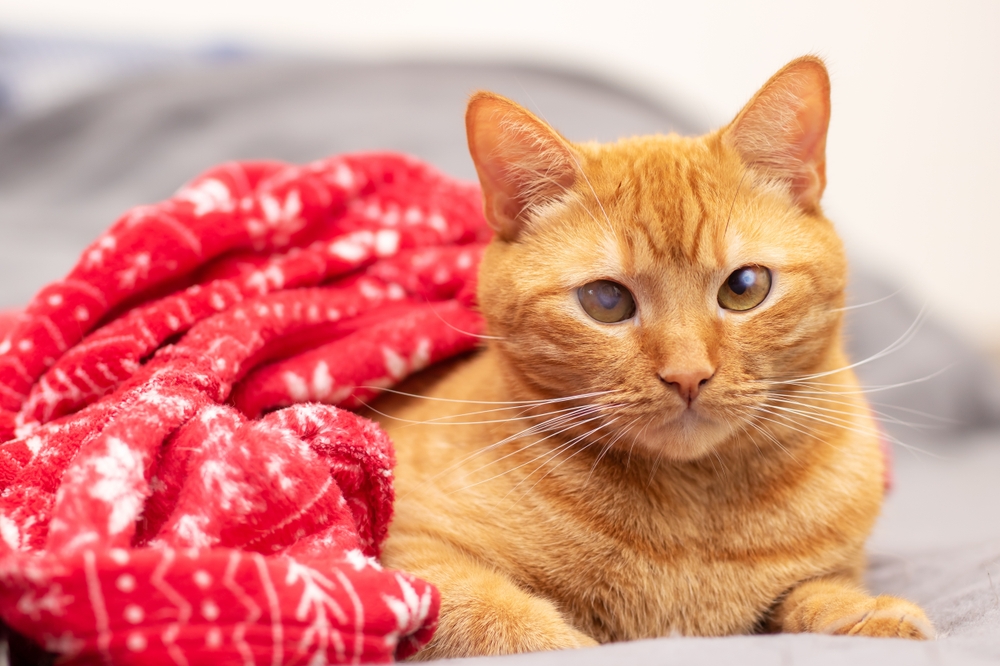
If your cat does come down with a cold, try not to panic too much. Follow these 4 key steps and your furry friend should be back on their paws in no time!
Tip 1: Follow your vet’s treatment plan
As soon as your cat shows cold symptoms, take them to the vet right away. Most importantly, follow your vet’s professional advice and administer any prescribed medication correctly. Never adjust the dosage on your own or stop the medication early — sticking to the plan is the best way to help your cat recover quickly!
Tip 2: Boost nutrition and hydration
Since a sick cat’s appetite will likely be reduced, consider offering easily digestible wet food to help replenish both nutrients and fluids at the same time. Feeding smaller portions more frequently can also make it easier to encourage your cat to eat.
Tip 3: Gently clean eye and nasal discharge with warm water
Cats with a cold tend to have discharge around their eyes and nose. Use a pet-safe wet wipe, a cotton ball, or a soft cloth dampened with warm water to gently wipe away the discharge. This helps keep the area clean and prevents the infection from spreading further.
Tip 4: Keep your cat warm
A sick cat needs a warm, cozy environment to recover. Move their bed to a spot away from drafts, and provide a blanket or soft mat for extra warmth. Getting chilled can make the condition worse, so keeping them comfortable is essential.
Will a cat’s fever go away on its own? Can it spread to humans? Common questions about cat colds answered!
Q1: Will a cat’s fever go away on its own?
If the cold is mild, it will usually resolve on its own within 7–10 days. However, if symptoms don’t improve or get worse, or if your cat develops a fever, take them to the vet as soon as possible for a thorough examination and appropriate treatment.
Q2: Can a cat pass their cold on to humans?
Cat colds are caused by specific viruses that are different from those that cause colds in humans, so in general, they cannot be transmitted to people. That said, there are some exceptions — such as ringworm, feline chlamydia, and cat scratch disease — which can potentially be passed on to people with weakened immune systems through contact with an infected cat. It’s worth being cautious in those cases.
Q3: How can I effectively prevent my cat from getting a cold?
Keeping your cat’s living environment clean, scooping the litter box regularly, providing nutritious food, and keeping up with vaccinations are all effective ways to prevent cat colds. Prevention is always better than cure — building a healthy and safe daily routine for your cat is the best way to reduce how often they get sick!
Fluv: Taiwan’s largest pet sitter platform — helping you take care of your pet’s health with ease!
Viral infections can seriously affect your cat’s health and may even lead to more serious complications. Keeping your furry friend healthy is something every cat parent cares deeply about. Fluv, Taiwan’s largest pet sitter platform, connects you with thousands of professional pet sitters to help busy cat parents look after their cats. Whether you’re out for the day or traveling abroad, Fluv makes it easy to find a trusted pet sitter so you can always stay on top of your cat’s health!
Subscribe to our newsletter now to get the latest tips on cat care and health — click the link to subscribe and join us in keeping our furry friends happy and healthy!
Further reading:
Why is my cat not eating but acting normal? Causes and solutions explained
🐾 Fluv special offers | Limited-time deals for devoted pet parents
#Pets are family — they deserve the most loving care!
🎉 Fluv’s 2025 Double 11 Pet Festival is here!
📅 Event period: 2025/11/03–11/14
👉 Download the Fluv app now to claim your surprise offer 🎁:fluv.com
Enjoyed this article? Share it with fellow pet lovers!
🐕 For more helpful tips and care advice, follow us:
Facebook: @fluv.pet
Instagram: @fluv.pet
YouTube: @fluv_tw
Fluv website: www.fluv.com
Views: 2476
Fluv special offers | Limited-time deals for devoted pet parents
#Give your pet the best — give them what’s right for them
If you’d like your pet to experience more personalized, home-like care, why not try Fluv’s in-home pet sitter service?
🎁 New users — enter promo code
#UNEW95
Book now and enjoy 5% off!
👉 Looking for a caring, professional pet sitter for your furry friend?
Views: 4487
 English
  Chinese