Cats naturally hide pain, and many illnesses show few obvious signs early on. By the time symptoms like poor appetite, lethargy, hiding, or visible pain appear, the condition has often already progressed to a moderate or advanced stage. Below is a summary of the 10 most common categories of cat diseases, guidance on when to see a vet, and key home prevention tips to help you assess the situation and take action quickly.

1. Lower urinary tract disease (FLUTD: cystitis, crystals/stones, urethral syndrome)
Common signs: frequent urination, difficulty urinating, urinating outside the litter box, blood in urine, constantly licking the genital area.
Why it’s common: male cats have a narrower urethra; stress, low water intake, and an unbalanced mineral diet can all trigger it.
When to see a vet: Immediately — complete inability to urinate is an emergency that can become life-threatening within 24–48 hours.
2. Chronic kidney disease (CKD)
Common signs: increased thirst, increased urination, weight loss, bad breath, poor appetite, lethargy.
Key note: highly prevalent in senior cats; requires long-term dietary management and monitoring (kidney values, blood pressure).
3. Dental and oral disease (periodontal disease, stomatitis)
Common signs: bad breath, drooling, pain when swallowing, food avoidance, pawing at the mouth.
Key note: plaque → tartar → periodontal disease is the typical progression; immune or viral factors can lead to severe stomatitis.
4. Upper respiratory infections (cat cold complex: herpesvirus, calicivirus, etc.)
Common signs: sneezing, runny nose, conjunctivitis, watery eyes, coughing, fever, reduced appetite.
Key note: common in kittens and shelter environments; stress can trigger recurrence.
5. Gastrointestinal issues (acute/chronic gastroenteritis, constipation, pancreatitis)
Common signs: repeated vomiting, diarrhea or constipation, weight loss, poor coat condition.
Key note: rapid diet changes, hairballs, food intolerance, and pancreatitis are all common triggers; frequent vomiting is not normal.
6. Skin and parasite issues (external parasites, ringworm, allergies)
Common signs: scratching, hair loss, dandruff, circular bald patches, scabbing.
Key note: flea control, deworming, environmental hygiene, and stress reduction are the core of long-term management.
7. Cardiovascular disease (hypertrophic cardiomyopathy / HCM, etc.)
Common signs: rapid breathing, poor exercise tolerance, fainting; sometimes no obvious symptoms, but blood clot risk should be monitored.
Key note: some breeds are predisposed (though mixed breeds can also be affected); routine health checks can catch it early.
8. Endocrine and metabolic disorders (diabetes, hyperthyroidism)
Diabetes: increased thirst and urination, large appetite but weight loss; more common in overweight and middle-aged to senior cats.
Hyperthyroidism: ravenous appetite with weight loss, rapid heart rate, restlessness, vomiting/diarrhea, poor coat quality.
9. Infectious diseases (panleukopenia, rabies, upper respiratory virus complex, etc.)
Key note: kittens and incompletely vaccinated cats are at higher risk; routine vaccination significantly reduces severe illness and death.
Action: complete the core vaccine series and annual boosters as recommended by your vet.
10. Obesity and musculoskeletal problems
Common signs: sluggish movement, inability to jump up, difficulty grooming the lower back or tail base, noticeably rounded body shape.
Key note: obesity increases the risk of joint disease, cardiovascular problems, and diabetes; a planned weight loss programme and environmental enrichment are essential.
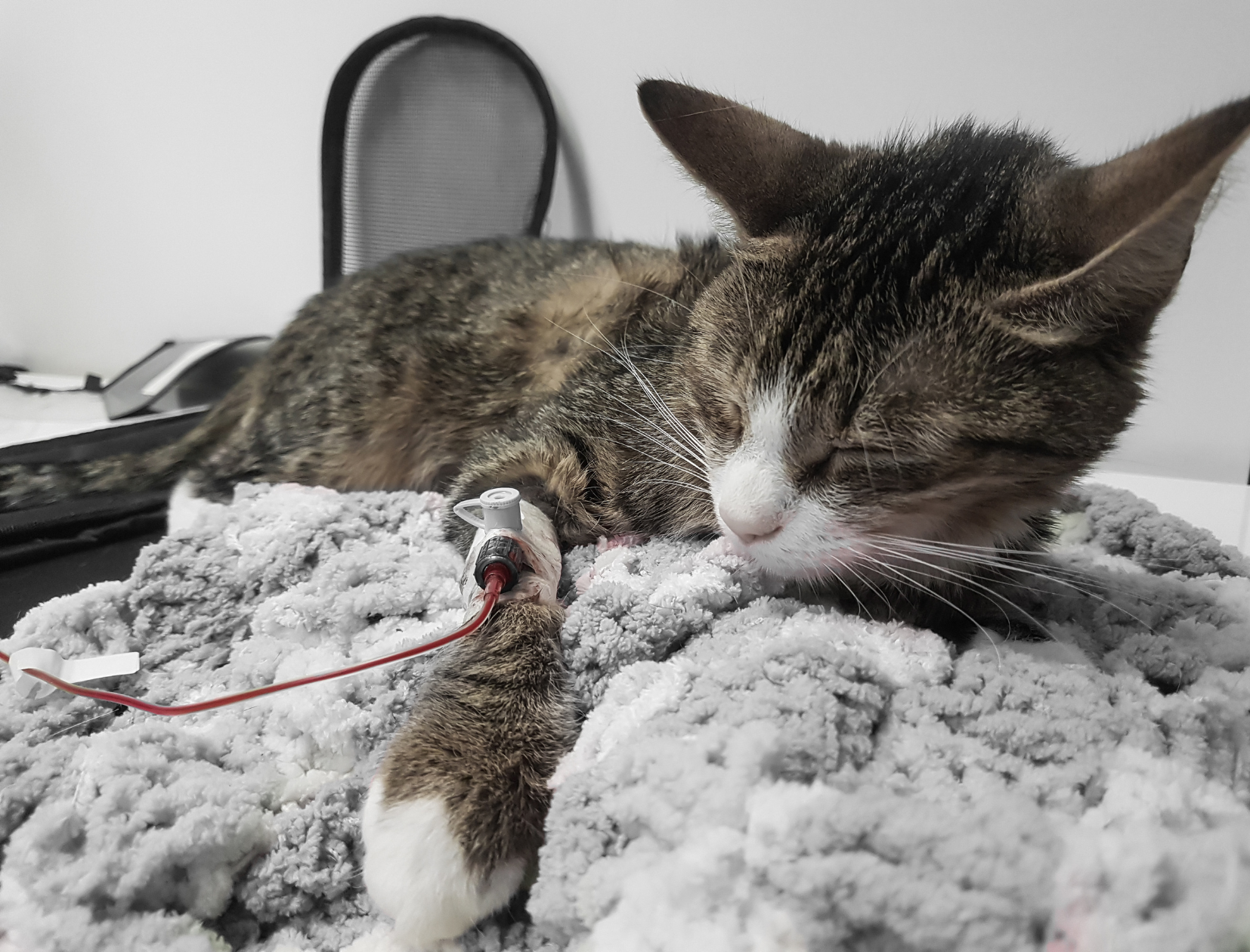
See a vet right away if you notice these red-flag symptoms
-
Complete inability to urinate, straining repeatedly with no output (emergency)
-
Repeated vomiting, bloody stool, black stool, or rapid deterioration
-
Rapid or laboured breathing, blue-tinged gums, fainting
-
Altered consciousness or seizures, extreme lethargy with no eating
-
Sudden limping or hind limb paralysis (possible blood clot)
Home prevention: 4 daily habits
-
Hydration management: wet food plus a circulating water fountain increases water intake and reduces strain on the urinary tract and kidneys.
-
Nutrition and weight: high-quality food, controlled calorie intake, and regular weight tracking.
-
Stress management: consistent routines, enough litter boxes (N+1 rule), and environmental enrichment.
-
Preventive care: deworming, flea control, vaccinations, and annual health checks (bloodwork, urinalysis, dental exam).
❓ Frequently asked questions (FAQ)
Q1: Are male cats more prone to urinary blockages?
Yes. Male cats have a narrower urethra, making crystals, stones, or mucus plugs more likely to cause a blockage. Any abnormal urination warrants an emergency visit.
Q2: Will older cats inevitably develop kidney disease?
Not necessarily, but the risk increases with age. Staying well hydrated, getting early check-ups, and eating a kidney-friendly diet can help slow progression.
Q3: Does bad breath always mean stomatitis?
Not always, but bad breath is often linked to periodontal disease or stomatitis. A dental exam and a regular teeth-cleaning plan are recommended.
Fluv special offers — exclusive deals for devoted pet parents
#Give your pet the best — and the best fit
If you’d like to give your pet a more personalised, home-like care experience, why not try Fluv’s in-home pet sitter service?
🎁 New users: enter promo code
#UNEW95
Book now and enjoy 5% off your first visit!
👉 Looking for a caring, professional pet sitter for your furry friend?
Views: 1648
 English
  Chinese