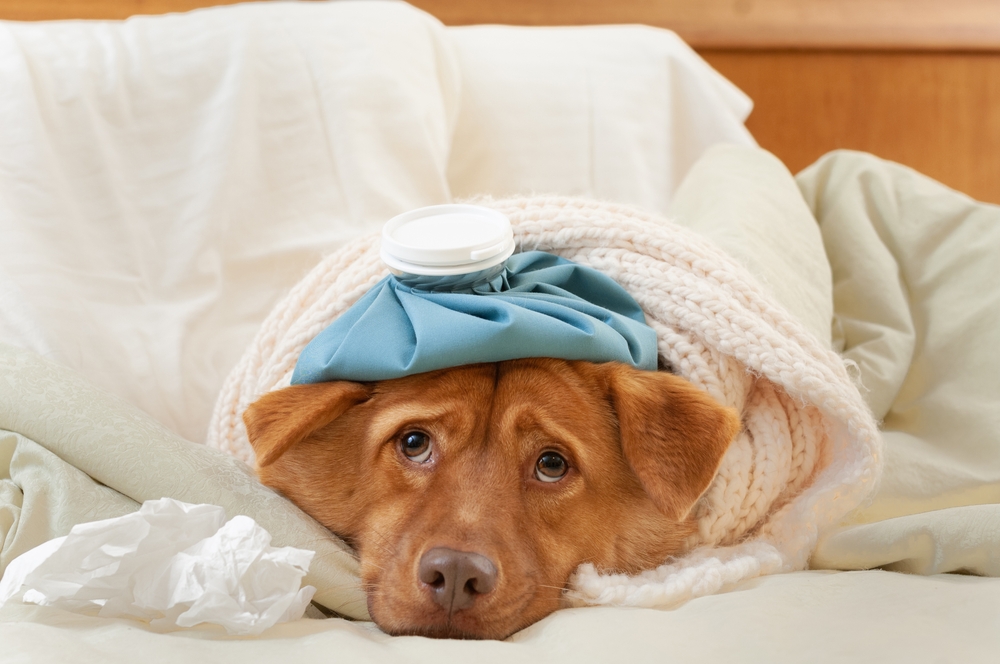
When your dog starts sneezing, has a runny nose, or is lying around with no energy, many pet owners worry: “Is my dog sick? Do I need to see a vet?” A dog’s cold symptoms are similar to ours, but can dogs recover on their own? And how can you prevent it? This article breaks down the symptoms, causes, prevention, and care tips for dog colds — so you can confidently look after your furry family member.
What are the symptoms of a dog cold? 7 signs to watch for so you don’t miss anything
Dogs can show a range of symptoms when they have a cold. Here are 7 common signs to help you assess whether your dog might be unwell:
1. Sneezing
Sneezing is one of the most common early signs of a cold in dogs, and it may be frequent at the onset. Occasional sneezing could just be dust or allergies, but if it’s persistent, it may point to an upper respiratory infection from a virus or bacteria — worth monitoring closely and seeing a vet sooner rather than later.
2. Runny nose
A healthy dog’s nose should be slightly moist. If your dog starts producing clear or slightly thick discharge, it may be an early sign of a cold. If the discharge turns yellow-green or becomes thick, the infection may be worsening — take your dog to the vet promptly to prevent further impact on the respiratory system.
3. Increased eye discharge
A dog with a cold may have red eyes, excessive tearing, or more eye discharge than usual — sometimes yellow or thick. This happens because the cold affects tear gland secretion. If symptoms are obvious and persistent, a vet check may be needed to rule out infection.
4. Coughing
Some dogs develop a dry or wet cough when they have a cold, often more noticeable after exercise or at night. Frequent coughing, a hoarse voice, or coughing accompanied by retching could be signs of bronchitis or kennel cough — see a vet early.
5. Loss of appetite
Sick dogs often lose interest in food, either because a blocked nose dulls their sense of smell or because a sore throat makes swallowing uncomfortable. If your normally food-loving dog suddenly isn’t eating — even refusing their favourite treats — pay close attention to whether a cold might be the cause.
6. Low energy
If your usually energetic dog becomes lethargic, prefers to rest, and loses interest in toys or walks, it may be a sign their body isn’t feeling well. If this persists alongside other cold symptoms, monitor closely and see a vet if needed.
7. Elevated body temperature
A dog’s normal body temperature is around 37.8–39.4°C. A temperature above 39.4°C may indicate fever, and anything above 40°C can be life-threatening — take your dog to the vet immediately to prevent the condition from deteriorating.
What causes dog colds? 3 key factors every pet owner should know
Beyond viral infection, bacterial infection and a weakened immune system can also trigger a cold in dogs:
1. Viral infection
Many dog colds are caused by viruses such as canine adenovirus, canine parainfluenza virus, or canine coronavirus, which attack the respiratory tract and cause coughing, runny nose, and similar symptoms. The risk of transmission is especially high in environments where dogs gather closely, such as pet hotels, shelters, or dog parks.
2. Bacterial infection
Certain bacteria — such as Bordetella or Streptococcus — can cause upper respiratory inflammation, leading to cold-like symptoms including coughing and thickened nasal discharge. Dogs can be infected through contaminated water bowls, food bowls, or even bacteria picked up from surfaces via human hands. Puppies, senior dogs, and dogs with existing health conditions are particularly vulnerable.
3. Weakened immune system
When a dog’s immune system is in a weakened state, it becomes more susceptible to viral or bacterial attack. Prolonged exposure to cold or damp environments, poor nutrition, chronic stress, or recently completed vaccinations can all lower a dog’s immunity and make them more prone to catching a cold.
Can dogs recover from a cold on their own? 4 key care tips to help your dog get better faster
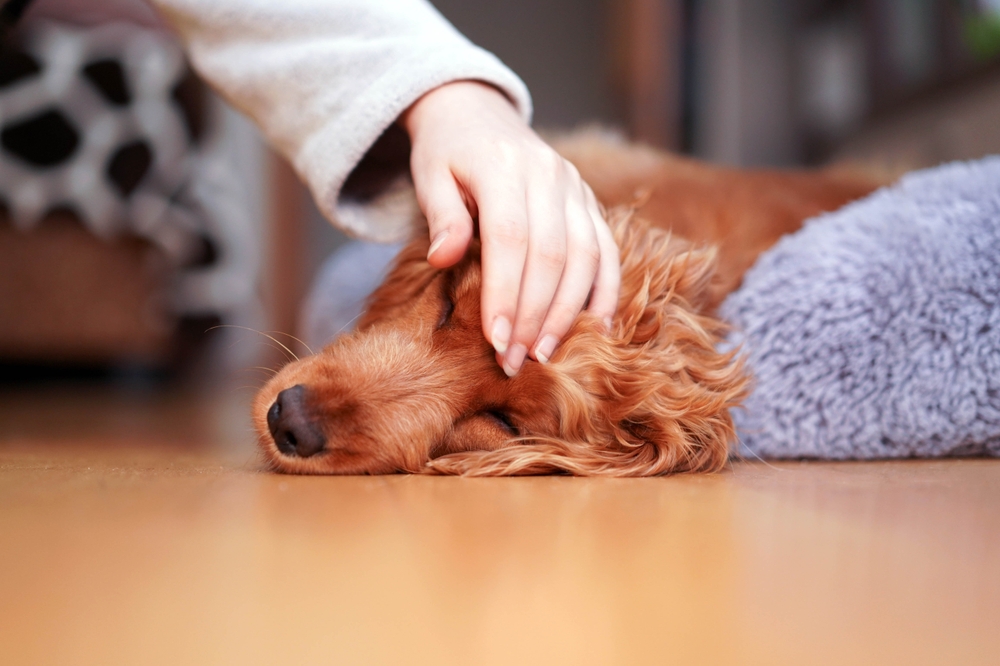
After your dog gets a cold, a vet visit for diagnosis is important — but proper care at home can also make a big difference in recovery. From adjusting the environment to ensuring good nutrition, these 4 steps will help your dog rest comfortably and reduce the risk of things getting worse.
1. Give medication on time and keep a close eye on symptoms
Make sure your dog takes any prescribed medication on schedule, and continue monitoring for changes. If coughing worsens, appetite stays low, or you notice unusual breathing, go back to the vet promptly — it could develop into bronchitis or pneumonia if left unaddressed.
2. Keep them warm and comfortable
A dog with a cold needs warmth. Line their bed with a soft blanket or put a cosy outfit on them. Avoid letting your dog move frequently between very hot and very cold environments, as this can irritate the airways. Let them rest peacefully and rebuild their strength.
3. Keep them hydrated and well-nourished
Appetite often drops during a cold, so offer light, easily digestible food — like chicken congee or warm chicken broth — and make sure your dog drinks plenty of water to keep their throat moist. Good nutrition is key to a faster recovery.
4. Relieve nasal congestion
If your dog is congested from the cold, use a humidifier to add moisture to the air and ease respiratory discomfort. If you don’t have one, you can bring your dog into the bathroom while running a hot shower — the steam can help clear their nasal passages. Just make sure they don’t come into contact with the hot water directly to avoid burns, and remember to dry them off thoroughly afterwards.
How to prevent dog colds? 4 strategies to boost your dog’s immunity
Rather than worrying when your dog gets sick, build good habits into daily life to prevent it. Here are 4 ways to help your dog stay healthy and resilient:
1. Maintain a comfortable environment
During weather changes, add warm bedding or clothing for your dog and avoid direct exposure to air conditioning or electric fans. Humidity that’s too high or too low can also affect health — consider using a dehumidifier or humidifier to keep the air flowing at a comfortable level.
2. Balanced diet
Good nutrition is one of the most important ways to strengthen your dog’s immune system and reduce illness. Offer high-quality food rich in protein and essential nutrients, and consider adding appropriate amounts of vitamins or fish oil to support their natural defences.
3. Regular exercise
Exercise helps dogs stay in good physical shape. Daily walks, running, and playtime — along with some sunshine — support healthy metabolism and immune function, reducing the risk of getting sick due to low resistance.
4. Regular health check-ups
Dogs can’t tell us when something’s wrong, which is why an annual health check is so important — it helps catch potential issues early so they can be treated promptly. Your vet will provide recommendations based on your dog’s age and health status.
Worried about your dog’s cold? Find a trusted pet sitter on Fluv for professional care and peace of mind
A dog cold might seem minor, but without proper care it can lead to more serious health problems. If you’re concerned about your dog being sick, or if your busy schedule makes it hard to be there around the clock, Fluv connects you with thousands of professional pet sitters who can provide comprehensive in-home care, so your dog gets the attentive care they need even when they’re under the weather.
Further reading:
My dog keeps coughing like something’s stuck — what should I do? Understanding causes and treatment
What to do when your dog vomits: causes and prevention explained
Fluv special offers — exclusive deals for devoted pet owners
#Give your pet the best — and the most fitting
If you’re looking for a more personalised, home-like care experience for your pet, why not try Fluv’s in-home pet sitter service?
🎁 New users: enter promo code
#UNEW95
Book now and enjoy 5% off your first booking!
👉 Looking for a caring, professional pet sitter for your furry friend?
Views: 22674
 English
  Chinese